Meet Vibromera.com — our new international website. Visit Vibromera.com →

動平衡校正服務風機 › 軸流風機

軸流風機動平衡校正 — 原位、運轉速度下進行

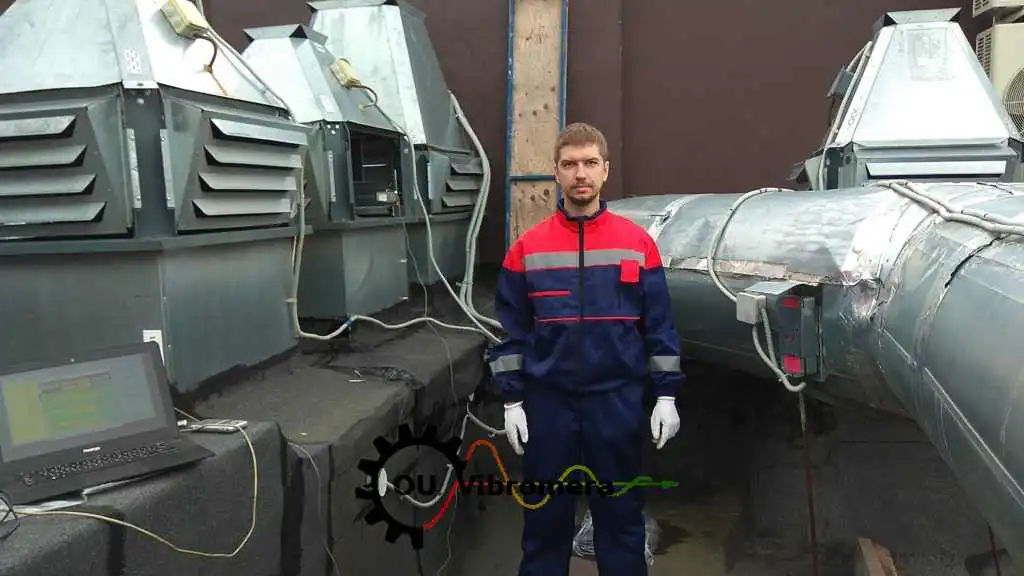
葉片軸流、管軸流及大型軸流風機一旦因葉片侵蝕、污垢堆積或維修導致質量分佈改變,便會產生振動。我們對軸流風機轉子進行動平衡校正 原位、運轉速度下進行 — 無需從風管中拆出,無需拆卸轉子 — 在單次現場作業中消除軸承故障、葉片尖端摩擦及結構疲勞的根本原因。
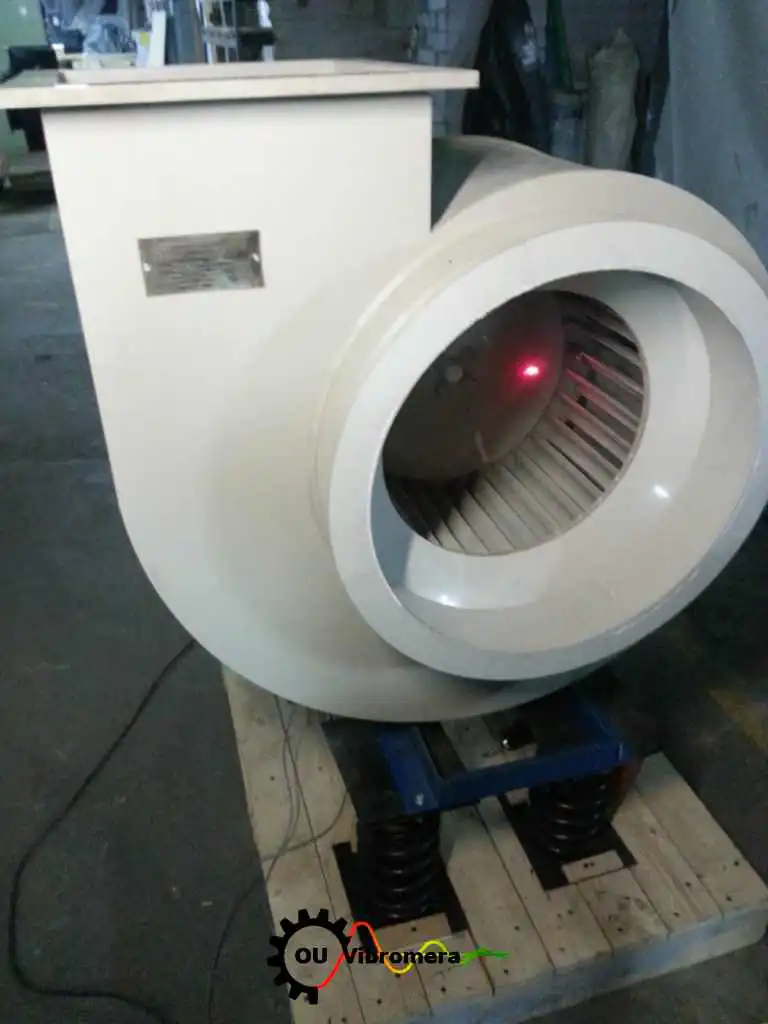
Axial fan rotor being balanced in-situ at operating speed inside the duct

簡言之: 軸流風機動平衡校正於原位進行,轉子在風管內以正常運轉速度運轉,採用影響係數法。安裝於軸承座的振動加速規與安裝於軸上的雷射測速儀測量不平衡狀態;Balanset-1A 計算精確的校正質量與角度位置。無需拆卸轉子,無需運輸 — 典型作業在一小時內完成,振動降低 70 % 以上,符合 ISO 14694 / ISO 21940-11 平衡等級,並將軸承壽命延長八倍或以上。

軸流風機不平衡的徵兆

軸流風機不平衡會透過一組特徵性症狀顯現,若忽視則會逐漸惡化:

強烈的 1× RPM 振動 振動頻譜中主導的每轉一次成分,是轉子質量不平衡最明確的指標 — 可透過 Balanset-1A FFT 顯示即時確認。
風管內氣流脈動 不平衡的葉片環產生不對稱推力,導致壓力波動沿連接的風管傳播,並被感知為有節奏的衝擊。
軸承快速故障 不平衡產生的旋轉離心負荷疊加於空氣動力負荷之上,將軸承 L10 壽命削減至其額定值的一小部分。
葉片尖端摩擦 不平衡引起的軸向側向撓度使葉片尖端更接近護環,導致間歇性接觸、噪音及葉片損壞。
基礎螺栓鬆動 週期性震動使螺紋與防振墊疲勞,導致緊固件在正常運轉期間鬆脫。
馬達電流升高 機械振動反饋為驅動馬達的可變負荷,增加電流消耗、能源消耗及馬達溫度。

軸流風機為何失去平衡 — 及其代價

軸流風機出廠時符合平衡公差,但現場服務會迅速破壞該平衡。氣流中的磨粒不均勻侵蝕葉片前緣;灰塵與纖維物質堆積於部分葉片的壓力面,而其他葉片則保持清潔;腐蝕不對稱地坑蝕後緣;且葉片更換或焊接維修在輪轂一側增加局部質量。由於離心力與 平方 轉速成正比,即使在葉片尖端僅有 20 g 的偏移,在典型風機速度下也會產生數百牛頓的動態力 — 遠超過軸承設計所能吸收的額外徑向負荷。

財務後果迅速累積:更換軸承與迷宮密封、非計劃停機期間的緊急勞動力、因葉片尖端間隙變化導致的風機效率降低,以及支撐鋼結構最終的結構疲勞。單次現場動平衡校正作業 — 通常少於一小時 — 從源頭消除動態力,而非反覆處理其下游症狀。

×10振動減半時的軸承壽命
−70%單次校正後的典型振動降幅
2一次到訪校正的平面數
<1h典型現場作業

為何振動減半能倍增軸承壽命

ISO 281 將滾動軸承額定壽命定義為 L10 = (C/P)p,其中 P 為軸承承受的動態負荷,指數 p = 3 適用於滾珠軸承,10/3 適用於滾子軸承。殘餘不平衡 該旋轉負荷 P,且振動振幅直接追蹤它 — 因此將振動減半可使 P 減半,並將軸承壽命倍增 2p:約 滾珠軸承約 8×,滾子軸承約 ~10× (210/3 ≈ 10)。在我們的 軸承壽命計算器.

我們如何對軸流風機進行動平衡校正 — 逐步說明

使用 Balanset-1A 進行現場動平衡遵循影響係數法 — 這是一套系統化程序,您可在現場自行執行,無需事先了解轉子幾何形狀:

  1. 安裝感測器。 將振動加速規固定於風機軸承座,並將雷射測速儀對準軸或輪轂上的反光貼。風機在整個過程中持續於正常運轉條件下運轉 — 無需拆卸。
  2. 測量基線。 以全運轉速度運行一次,記錄 1× RPM 下的振動振幅與相位角,確立當前不平衡狀態的大小與方向。
  3. 添加試重。 將已知重量的小型試重夾緊於葉片環、輪轂盤或葉片根部,並記錄角度位置。第二次運行顯示轉子對該位置特定質量的響應 — 即影響係數。
  4. 讓設備進行計算。 Balanset-1A 應用影響係數演算法計算精確的校正質量與角度位置 — 窄轉子採用單平面,寬葉片環、大型隧道風機或輪轂與尖端配置(不平衡沿轉子軸分佈)採用雙平面。
  5. 安裝校正配重。 將計算出的質量焊接、螺栓固定或夾緊於輪轂盤、葉片根部或平衡環的指定位置。除非試重構成解決方案的一部分,否則將其移除。
  6. 驗證並記錄。 最後一次測量運行確認殘餘不平衡在風機平衡等級的 ISO 公差帶內。Balanset-1A 產生動平衡校正報告,用於維護記錄與合規文件。

我們校正的部件

  • 葉片軸流風機(帶風管,含導葉)
  • 管軸流風機(圓柱形外殼內的螺旋槳)
  • 大型軸流風機(礦井通風、隧道)
  • 鼓風(FD)與引風(ID)鍋爐風機
  • 冷卻塔螺旋槳風機
  • 屋頂排氣風機
  • 煙霧排氣與防火等級軸流風機
  • 具變距葉片的可逆軸流風機
  • 農業穀物乾燥風機
  • 小型風管安裝直線軸流風機

公差與標準

ISO 14694 規定工業風機的平衡品質與振動限值,依風機應用類別(BV-1 至 BV-5)定義允許的殘餘不平衡。基礎平衡等級公差定義於 ISO 21940-11 (ISO 1940-1 的後續標準)。大多數工業軸流風機屬於 G6.3 為最低可接受等級;處理關鍵製程空氣、易燃蒸氣或高尖端速度運轉的風機,通常要求符合 G2.5 或更佳.

我們依您的風機類別要求的等級進行動平衡校正,並提供文件化的殘餘不平衡數值 — 以 g·mm 表示,基於測量的運轉速度 — 供您維護與合規記錄使用。使用我們的 殘餘不平衡計算器 以在開始前找出您的允許公差。

Balanset-1A — 您的完整現場動平衡套件

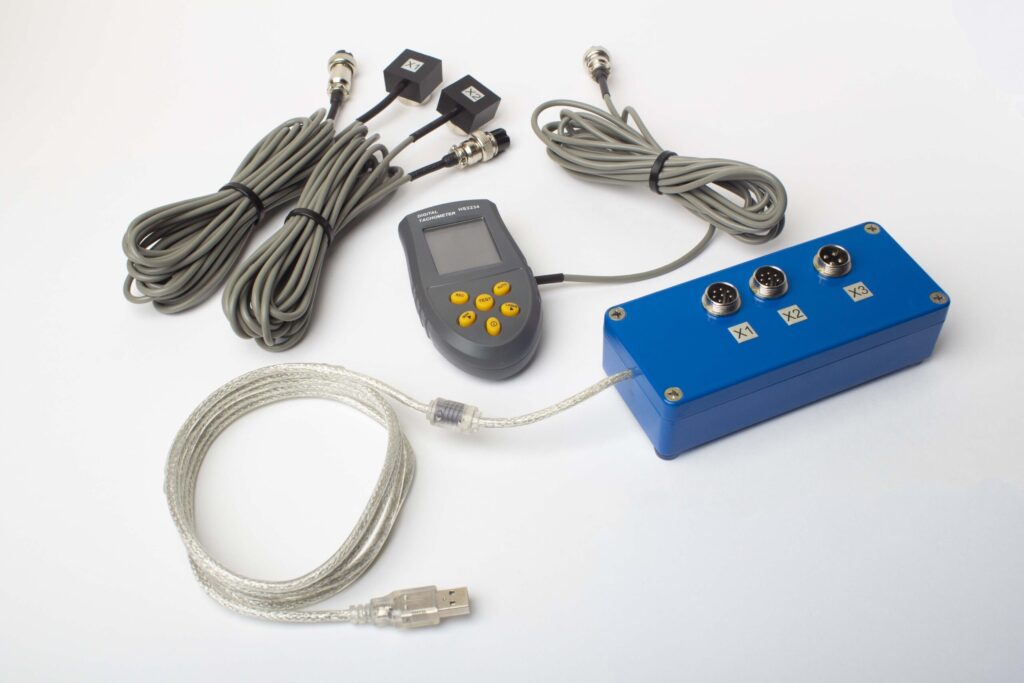
本頁所述的所有作業皆使用單一便攜式儀器完成: Balanset-1A. It is a two-channel dynamic balancer and vibration analyzer that balances axial fan rotors in their own bearings, at operating speed, inside the duct,採用三次運行影響係數法 — 軟體會計算精確的校正配重與角度,並儲存報告。

Complete Balanset-1A balancing kit with sensors, laser tachometer, scale and case

完整套件內容

€1,975 · 完整套件,現貨供應,附增值稅發票

  • 介面測量單元(USB,2 通道)
  • 兩支振動加速規(4 m 電纜,10 m 可選)
  • 雷射轉速計 / 光學相位感測器(50–500 mm)
  • 感測器用磁性支架
  • 試重與校正配重用數位秤
  • Windows 動平衡與分析軟體
  • 塑膠運輸箱
推薦

完整套件

主機 · 2 支感測器 · 雷射轉速計 · 磁性支架 · 數位秤 · 軟體 · 運輸箱。開箱即用,具備開始動平衡所需的一切。

OEM

OEM 套件

主機 · 2 支感測器 · 雷射轉速計 · 軟體。適用於已擁有支架、秤與運輸箱的整合商,或將主機嵌入動平衡機器的客戶。

主要技術規格
參數數值
測量通道2(單平面與雙平面動平衡)
振動速度範圍0.2–80 mm/s RMS
頻率範圍5–1000 Hz(>550 Hz 時振幅誤差 ≤10%)
測量精度±5% 滿量程
方法三次運行影響係數法(1 或 2 平面)
分析1× 振幅與相位、FFT 頻譜與波形、已儲存報告
筆記型電腦未包含(Windows PC,可依需求提供)
現貨供應 DHL 葡萄牙 €35 DHL 全球 €110 兩年保固 增值稅發票 工程師支援

現場動平衡與動平衡機——哪種適合您的風機?

比較:原位現場動平衡與專用動平衡機
係數現場動平衡(Balanset-1A)動平衡機(車間)
Fan removed from duct?否 — 原地運轉Yes — full dismounting required
Rotor disassembly?
生產停機時間僅安裝感測器(<15 分鐘)數小時至數天(拆卸、運輸、校正、重新安裝)
校正速度Actual operating speed & airflow獨立低速主軸
Accounts for shaft flex & couplingsYes — full assembly balanced in situRotor only, no installation effects
Variable-pitch bladesBalanced at chosen operating pitchFixed pitch only
符合標準ISO 14694, ISO 21940-11ISO 21940-11
設備成本€1,975(完整套件)€10,000 – €50,000+
典型作業時間<1 小時(現場)總計 1–3 天

Field balancing is the preferred choice whenever the fan can run and the rotor satisfies the rigid-rotor criterion (operating speed well below the first critical speed). A workshop balancing machine remains appropriate for new-build rotors with zero run time, or for very large rotors requiring full disassembly for blade inspection or replacement.

Axial fan balancing FAQ

Can an axial fan be balanced without removing it from the duct?
Yes — this is exactly what field (in-situ) balancing achieves. The rotor stays in its own bearings inside the duct and is balanced at its actual operating speed and airflow. Dismounting, transport and separate workshop balancing are not required, which keeps downtime to a minimum and eliminates the risk of re-introducing installation misalignment after reassembly.
How do I know if the vibration is from unbalance rather than from another fault?
Unbalance produces a dominant vibration component at exactly 1× the running frequency (1× RPM). If the strongest peak in the spectrum is at 1× and its phase angle rotates synchronously with the shaft, unbalance is the likely cause. Other faults — bearing defects, misalignment, blade resonance — produce different frequency patterns. The Balanset-1A displays both amplitude and phase at 1× and the full FFT spectrum, helping you confirm the diagnosis before adding any correction weight.
Do variable-pitch axial fans need special treatment?
The influence-coefficient balancing procedure is the same, but it should be performed at the most common operating pitch angle, since moving the blades shifts their centre of mass relative to the hub. If the fan routinely operates across a wide pitch range, balancing at mid-range pitch and verifying vibration at the extremes is the practical approach. Repeat the procedure if the pitch setting changes significantly during a refurbishment.
What ISO balance grade applies to axial fans?
ISO 14694 groups fans by application category (BV-1 through BV-5). Most industrial axial fans must meet a minimum of G6.3; fans in clean-air, process or fire-rated applications typically require G2.5 or better. The Balanset-1A calculates the achieved residual unbalance in g·mm and compares it against the ISO 21940-11 grade limit for your rotor mass and speed, then saves the figure in a printable report.
One plane or two for an axial fan?
Narrow-hub propeller fans and small duct fans with a short axial depth relative to their diameter are normally corrected in a single plane. Wide blade rings, large-diameter tunnel fans, and rotors where the blades are spread over a significant axial length need two-plane (dynamic) balancing because the unbalance is distributed along the rotor axis. The Balanset-1A handles both modes with identical hardware — you select the correction plane count in the software before the baseline run.
Can we do the balancing ourselves with the Balanset-1A?
Yes. The Balanset-1A is designed for maintenance teams to operate without specialist training. The software walks you through each measurement run on screen, calculates the correction mass and angle automatically, and outputs a result report. Our community forum is available if you encounter an unusual rotor configuration or want to verify your approach before fitting the correction weight.

Balance your axial fan in place — today

The Balanset-1A guides you through single- and two-plane axial fan balancing at running speed, inside the duct, calculates the exact correction weight and angle, and documents the achieved residual unbalance to ISO 14694 and ISO 21940-11. No rotor removal, no lost production — just a quieter, longer-lasting fan.

WhatsApp
Balanset-1A · €1975Ask engineer