準静的不平衡を理解する


準静的アンバランス は、比較的珍しい特殊なタイプである。 動的アンバランスこれは、ローターの主慣性軸がシャフトの回転軸と交差している場合に発生する。 ない ローターの重心で。日常用語では、次の両方を含む条件である。 静的アンバランス そして カップルアンバランス — 静的不釣合いと偶不釣合いのベクトルが同一の軸方向の修正面内に存在するという特殊な特徴を持つ。この共面的な配置こそが、その名称と独特な挙動の所以である。
1. 定義: 準静的不平衡とは何ですか?
ローターの主慣性軸は回転軸と一致している。異なる種類の アンバランス これらの2つの軸がどのように別れるかを説明する。準静的アンバランスでは、2つの軸は クロス — 交差する — が、交点は重心ではなく、軸に沿って重心からずれた位置にある。幾何学的には、静的成分と偶成分が同一の軸方向の修正面内に存在する傾斜かつ平行移動した軸であり、まさにこの共面的な組み合わせこそが、2つの軸が交差する理由である。
すべての形態の動的不釣合いと同様に、ロータが回転している間のみ完全に測定可能である。この状態全体は、特定の1つの軸方向の修正面内で作用する単一の合成不釣合いと同等であるため、その修正面内で適切な大きさの単一の修正おもりを プレーン 追加することで除去可能である — ただし、その修正面が機械上でアクセス可能である場合に限る。アクセス不可能な場合は、通常の2面バランス修正として処理される。ナイフエッジ上での純粋な静的チェックでは検出できない。これは、偶成分は回転下でのみ力を生じるためである。
2. 他の不平衡タイプとの関係
準静的アンバランスを3つの標準的なカテゴリーと並べることは、その一助となる:
- 静的アンバランス: 純粋にシャフトの軸から重心がずれる。これは遠心力を発生させ 同位相 2つのベアリングで。
- カップルアンバランス: 純粋に “ぐらつき ”であり、反対側の端と反対側の端に等しく重いスポットがある。それは、以下のような力を発生させる。 位相が180度ずれている ベアリングで。
- 動的アンバランス: 一般的なケース — 静的アンバランスとカップル・アンバランスの組み合わせで、互いに任意の位相角における。
- 準静的不平衡: 静的不釣合いと偶不釣合いのベクトルが同一の軸方向の修正面内に存在する動的不釣合いの特殊なケースであり、傾斜した主軸は依然として軸の中心軸と交差する(重心以外の点で)。
言い換えれば、すべての準静的ローターは動的にアンバランスだが、特定の幾何学的な一致だけが「準静的」というラベルを得る。
3. 実例:オーバーハングローター
典型的な教科書的な例としては、次のようなものがある。 オーバーハングローター そのアンバランスは、機械の重心から遠く離れた一つの平面上にある。両ベアリングを越えて、長いシャフトの端に取り付けられた重い羽根を持つ大型の工業用ファンを考えてみよう。
仮に、ファンディスク上に重い箇所が一つあるとします。ディスク自体に純粋な静的アンバランスがあるとします。つの力が2つのベアリングに到達する方法は対称的ではありません:
- ファンに近い方のベアリングは大きな振動力を感じる。
- ファンから遠いほうのベアリングも力を感じるが、質量が支持部を越えて「オーバーハング」しているため、その力は近いほうのベアリングを支点とする回転運動を通じて作用する。
ベアリングでの正味の結果は、揺れ(静的)成分と揺れ(カップル)成分の両方が混ざり合った複雑な動きとなる。両者は物理的に一つの重いスポットに由来するため、固定された関係を共有することになり、まさにその固定された関係こそが準静的な状態を作り出すのです。オーバーハングしたローターが敏感なことで知られ、ほとんどの場合、2平面での処理が要求される理由もここにある。
4. 訂正
原理的には、準静的不釣合いは、その修正面内で作用する単一の合成不釣合いと同等であるため、適切な軸方向の修正面内で単一の修正おもりを追加することで除去可能である。実際には、組み立てられた機械上でその正確な修正面がアクセス不可能なことが多いため、現場では一般的な動的不釣合いと同様に修正される。バランス修正のワークフローは以下の通り:
- 振動を測定する 振幅 そして 位相 1× 運転速度 2つのベアリング位置で。
- 必要なものを計算する 修正重み を使用し、2つの補正面の角度配置を決定する。 影響係数 メソッドに 試用重量.
- 静的成分とカップル成分を同時にキャンセルするようにウェイトを合わせる。
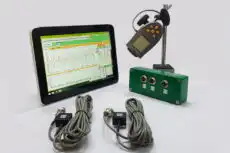
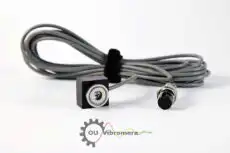
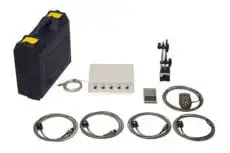
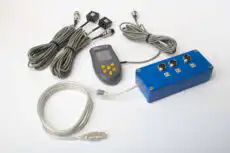
現場では、これは標準的なことだ。 2平面バランス 仕事。のようなポータブル2チャンネル測定器もある。 バランセット-1A 両方のベアリングで振幅と位相を測定し、ローターの影響係数を導き出し、各プレーンの質量と角度を計算する。 残留アンバランス は ISO 21940-11 の要求グレードに適合している。分析者は、位相の読み取り値から準静的な状態を特定することができるが、実用的な補正は、あらゆる動的アンバランスに使用される実績のある2平面ルーチンと同じである。
5.なぜ区別が重要なのか
現場でのルーチンが通常同じ2面バランス修正である場合、なぜその状態に名前をつける必要があるのか? 準静的パターンを認識することで、 理解 — 手助けになり、さらに手順を簡素化できる。なぜなら、その修正面がアクセス可能な場合、適切な軸方向の修正面内で単一の修正おもりを追加するだけで十分だからである。位相関係は、技術者に、2つの独立した重い箇所ではなく、単一の片持ち重い箇所が物理的な原因である可能性が高いことを示唆し、原因をどこで探すかを導く:破損したブレード、蓄積した製品、または片持ちディスク上の組立不良。この洞察は、 ローターダイナミクス.

