დაბალანსების კლასების კლასიფიკაციის გაგება
A დაბალანსების ხარისხი — ასევე უწოდებენ ბალანსის ხარისხის კლასს ან G-კლასი — არის სტანდარტიზებული კლასიფიკაცია, რომელიც განსაზღვრავს, რამდენად კარგად უნდა იყოს დაბალანსირებული გარკვეული ტიპის რობოტული მანქანა. განსაზღვრულია მთავარი აკ ISO 21940-11 (ISO 1940-1-ის თანამედროვე მემკვიდრე), კლასის სისტემა აღჭურვილობას აფილტრავს მისი ოპერაციული მახასიათებლების მიხედვით და თითოეული კატეგორიას ენიჭება შესაბამისი ბალანსირების ტოლერანტობა. მისი დიდი ღირებულება заключается в том, რომ მხარდამჭერი კერძო ფიზიკებისა და ბოლო მომხმარებლებს მოცემული ერთი, საერთაშორისო აღიარებული ენა სპეციფიკაციისა და გადამოწმების როტორის ბალანსის ხარისხი, ამიტომ "G6.3 პომპა" ნიშნავს იგივე რამეს მსოფლიოს ყოველ სახელოსნოში.
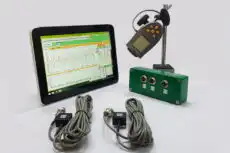
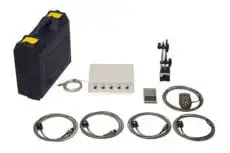
Vibromera-ს ბალანსირების პრაქტიკაში სამრეწველო ვენტილატორებისა და ტუმბოების უმეტესობა კორექტირდება G 6.3-მდე, ხოლო ჩარხების შპინდელებს სჭირდებათ G 1 ან უკეთესი; Balanset-1A ავტომატურად აცნობებს მიღწეულ კლასს ყოველი კორექციის შემდეგ.




1. G-კლასის სისტემა
დაბალანსების კლასები დაწერილია როგორც ასო "G" რომელსაც მოსდევს რიცხვი — G2.5, G6.3, G16 და ა.შ. რიცხვი არის დასაშვები ნარჩენი აბსოლუტური ფსიქიკური მნიშვნელობის ნამრავლი დისბალანსი ექსცენტრიసიტეტი (მილიმეტრებში) და მაქსიმალური სერვისული კუთხური სიჩქარე (რადიანებში წამში). უფრო მარტივად რომ ვთქვათ, ეს არის დასაშვები ზე განსაზღვრული ვიბრაციული სიჩქარე მმ/წმ — როტორის მასის ცენტრის ორბიტალური სიჩქარე. ეს ერთი რიცხვი დაკარგულ პიქშე უჭირს ფიზიკა, რომელიც მნიშვნელოვანია: კლასი ინარჩუნებს როტორის ცენტრიდანული ძალა კვანტიფიკაციის ფარგლებში, რომელსაც მანქანა შეუძლია გაუძლოს.
მთავარი პრინციპი
დაბალანსების რიცხვებისას ქვედა G-რიცხვები ნიშნავენ უფრო მკაცრ მოთხოვნებს — ნაკლებ დასაშვებ ნარჩენ დისბალანსს და გლუვ მუშაობას. უფრო მაღალი G-რიცხვები უშვებენ მეტ ნარჩენ დისბალანსს. სისტემა ინტენციონალურად აღიარებს, რომ სხვადსხვა მანქანებს აქვთ ზოგადი უკმარი სპეციალობა მათი სიჩქარე, მასა, აპლიკაცია და ოპერაციული გარემოს მიხედვით; არ არის არცერთი "კარგი" რიცხვი, მხოლოდ რიცხვი, რომელიც შესაბამისია მოვალეობის შესაბამისად.
2. საერთო კლასები და მათი გამოყენება
ISO 21940-11 განსაზღვრავს კლასებს G0.4-დან (უმაღლესი სიზუსტე) G4000-მდე (დაბალი სიზუსტე). კლასები, რომლებსაც ინჟინრები რეალურად ხვდებიან:
G0.4 — ულტრა-მაღალი სიზუსტე
აპლიკაციები: გიროსკოპები, შპინდელები და მაღალი სიზუსტის სისტემების ამძრავები, ზუსტი საზომი მოწყობილობა.
ხასიათი: საჭიროებს სპეციალიზებული დაბალანსების აღჭურვილობა და კონტროლირებული გარემო, და ჩვეულებრივ ხორციელდება გამოკეთილ სიზუსტის დაბალანსება სამსხვრევი დანადგარი.
G1.0 — მაღალი სიზუსტე
აპლიკაციები: საფქვავი დანადგარების ამძრავები, აუდიო და ვიდეო ამძრავები, მაღალი სიზუსტის ჩარხების შპინდელები. (ტურბოდამტენები ISO 21940-11-ის ცხრილში მიეკუთვნება G6.3-ს; მათთვის უფრო მკაცრი კლასები OEM- ან პროექტ-სპეციფიკურია.)
ხასიათი: მოითხოვს ყველა დაბალანსების პარამეტრის ფრთხილ კონტროლს და მაღალი ხარისხის აპარატურას.
G2.5 — სიზუსტის საიდუმლო
აპლიკაციები: აირის და ორთქლის ტურბინები, ხისტი ტურბოგენერატორის როტორები, კომპრესორები, ჩარხების ამძრავები, კომპიუტერული ამძრავები და საშუალო და დიდი ელექტროძრავები 950 rpm-ზე მეტი ნომინალური სიჩქარით.
ხასიათი: სიზუსტის საორიენტაციო სიმაღლე მაღალი ხარისხის, მაღალი სიჩქარის საიდუმლო აღჭურვილობისთვის, და ადვილად მიღწევადი ხარიან ველის ბალანსირება პრაქტიკა.
G6.3 — ზოგადი საიდუმლო (ყველაზე გავრცელებული კლასი)
აპლიკაციები: ზოგადი დანიშვულების ელექტრული მოტორები, პროცესის-ინდუსტრიის მექანიზმი, centrifugal ტუმბოები ვენტილატორები და ჰაერმბერები, კბილანური რედუქტორები, ტურბოდამტენები, ცენტრიფუგები (სეპარატორები, დეკანტერები) და ზოგადი დანიშნულების მანქანების როტორები.
ხასიათი: კლასის ამოცანა უმეტესი საიდუმლო აღჭურვილობისთვის, მიღწევადობის და ეფექტურობის კარგი ბალანსი, და კომფორტული ადვილად მიღწევადი მოტორული დაბალანსების აღჭურვილობით.
G16 — მძიმე საიდუმლო
აპლიკაციები: ამძრავი ლილვები (პროპელერის და კარდანის ლილვები), მუხლუხა ლილვის ამძრავები (თანდაყოლილად დაბალანსებული, ხისტად დამაგრებული), ქუცმაცები, სასოფლო-სამეურნეო ტექნიკა და ძრავის ცალკეული კომპონენტები.
ხასიათი: შესაფერი ხისტი, ნელი-სიჩქარის აღჭურვილობა, რომელიც მეტ ვიბრაციას იტანს.
G40 და უფრო მაღლა — ძალიან მძიმე საიდუმლო
აპლიკაციები: ავტომობილის ბორბლები, დისკები, ბორბლების წყვილები და ამძრავი ლილვები (G40); ელასტიკურად დამაგრებული, თანდაყოლილად დაბალანსებული მუხლუხა ლილვის ამძრავები (G40); სრულად აწყობილი რეციპროკული ძრავები მსუბუქი და სატვირთო ავტომობილებისთვის (G100); და დიდი, დაბალსიჩქარიანი საზღვაო დიზელძრავების მუხლუხა ლილვის ამძრავები (G1600–G4000).
ხასიათი: გამოიყენება მასიური, ნელი მანქანებისთვის, სადაც სიზუსტის ბალანსირება არც ეკონომიურად აუცილებელია და არც ტექნიკურად საჭირო.
3. სწორი კლასის შერჩევა
კლასის არჩევა დამოკიდებულია რამდენიმე ფაქტორის ერთად გათვალისწინებაზე:
- აღჭურვილობის ტიპი და დიზაინი: ISO 21940-11 ცხრილებში მითითებულია მანქანის ტიპებისა და რეკომენდირებული კლასების შესაბამისობა, რაც ბუნებრივი საწყისი წერტილია.
- ოპერაციული სიჩქარე: უფრო სწრაფი მანქანები საჭიროებენ უფრო მკაცრი კლასის გამოყენებას, რადგან ცენტრიდანული ძალა იზრდება სიჩქარის კვადრატთან შესაბამისად.
- მონტაჟის ტიპი: მოწყობილობა, რომელიც დაფუძნებულია მოქნილ საძირკველზე ან იზოლაციის მყარებზე, ხშირად შეიძლება დაშვებული იყოს უფრო მაღალი G-რიცხვი, ვიდრე ხისტად დამაგრებული აღჭურვილობა.
- ადამიანების სიახლოვე: საცხოვრებელ სივრცეში განთავსებული მანქანებისთვის შეიძლება საჭირო იყოს უფრო მკაცრი კლასი ხმაურისა და უსაფრთხოების მიზნით.
- განსაკუთრებული მოთხოვნები: მედიცინური, სიზუსტის მუშაობა და აეროსპეისის აპლიკაციები ხშირად საჭიროებენ უფრო მკაცრი ბალანსირებას, ვიდრე სტანდარტული ინდუსტრიული პრაქტიკა.
- ეკონომიკა: ყოველი ნაბიჯი უფრო მკაცრი კლასისკენ უფრო ძვირი ღირს, ამიტომ არჩეული კლასი უნდა შეესაბამებოდეს ოპერაციული საჭიროებებს, ზემეტი სპეციფიკაციის გარეშე.
4. კლასიდან დასაშვები უბალანსობამდე
კლასი არის შეტანა დასაშვები მაქსიმუმის გამოთვლაში ნარჩენი დისბალანსი კონკრეტული როტორისთვის:
Uper (გ·მმ) = (9549 × გ × მ) / ბრ/წთ
- Uper = დასაშვები ნარჩენი უბალანსობა, გრამ-მილიმეტრებში
- გ = კლასის რიცხვი (მაგ. 6.3 G6.3-ის)
- M = როტორის მასა, კილოგრამებში
- ბრუნები/წთ = სამსახურო ბრუნვები, ბრუნ/წთ
განხილული მაგალითი
აიღეთ 100 კგ წაბის როტორი 1500 RPM-ზე მუშაობის, G6.3-ზე განსაზღვრული:
Uper = (9549 × 6.3 × 100) / 1500 ≈ 4011 გ·მმ
თუ კორექციის სიბრტყე რადიუსი 200 mm-ია, ეს 4011 g·mm შეესაბამება დაახლოებით 20 გრამ დასაშვებ ნარჩენ დისბალანსს ამ რადიუსზე. ეს ნარჩენი არაბალანსის კალკულატორი (ISO 21940-11) ასრულებს ამ კონვერტაციას მაშინვე და შემდეგ იყოფს სულ ორ სიბრტყეს შორის თქვენთვის.
5. ცვალებადი სიჩქარისა და მრავალსიჩქარიანი მანქანები
როდესაც მანქანა მუშაობს სიჩქარეების დიაპაზონში, კლასი გამოიყენება ფრთხიმლად:
- მუდმივი სიჩქარის მუშაობა: კლასი გამოიყენება ნორმალური მუშაობის სიჩქარეზე.
- ცვალებადი სიჩქარე: კლასი გამოიყენება მაქსიმალური უწყვეტი მუშაობის სიჩქარეზე, სადაც ცენტრიფუგული ძალები ყველაზე დიდია.
- კრიტიკული სიჩქარეების გატარება: თვის მოქნილი როტორები, დაბალანსირება კრიტიკული სიჩქარეები შეიძლება მოითხოვოს ცალკე ყურადღება, შესაძლოა დაკისრებული მოდალური დაბალანსება ქვემოთ ISO 21940-12.
6. გადამოწმება და მიღება
ერთხელ დაბალანსება დასრულებულია, მიღწეული ხარისხი უნდა შეიცვალოს მითითებული კლასის წინააღმდეგ. არსებობს ორი გზა:
- ისწორი დაბალანსირების გაზომვა: დაბალანსირების მანქანაზე, დარჩენილი დაბალანსირება წაკითხულია პირდაპირ და შედარებულია Uper.
- ვიბრაციის გაზომვა: შედეგიანი დაბალანსირებაში, 1× ვიბრაციის ამპლიტუდა ემსახურება ხარისხის მიუთითებელი მაჩვენებელი.
როტორი მიიღება, როდესაც გაზომილი დაბალანსირება დაბალანსირება ტოლია ან ქვემოთ გამოთვლილი Uper, ან როდესაც სამსახურო ვიბრაციის შესაბამისობა გამოიყენება სოვეტური სტანდარტი — დღეს ISO 20816 სერია (რომელმაც შეცვალა ISO 10816). დაყენებული მანქანაზე ეს გადამოწმება ხდება ადგილზე: პორტატული ორი-არხის ინსტრუმენტი, როგორც ბალანსეტი-1ა ზომავს 1×-ს ამპლიტუდა და ფაზა მანქანის საკუთარ ტარებაში მუშაობის სიჩქარეზე, გამოთვლილი გავლენის კოეფიციენტები, ასწორებს კორექციას და ადასტურებს, რომ ნარჩენი იმყოფება არჩეულ კლასში — რეტორი არ მოიხსენება.
7. ISO 1940-დან ISO 21940-მდე
G-კლასების სისტემა პირველად დამყარდა ISO 1940-1-ში, რომელიც თავდაპირველად 1986 წელს გამოვიდა. 2016 წელს ISO 1940 სერია გადამუშავდა და ხელახლა დანომრეს ISO 21940 სერიის სახელით, ISO 21940-11 შეცვალა ISO 1940-1-ს. ფუნდამენტური პრინციპები და კლასის მნიშვნელობები დაკრძალოს ნაწილობრივ უცვლელი, ამიტომ ძველი სპეციფიკაციები რჩება ვალიდური, მაგრამ თანამედროვე სტანდარტი დამატებით შეიცავს:
- განახლებული აღჭურვილობის კლასიფიკაციები.
- უფრო ნათელი მითითებები კლასის შერჩევის შესახებ.
- უკეთესი ინტეგრაცია როტორული დინამიკის სტანდარტების უფრო ფართო ოჯახთან.
- გაუმჯობესებული პროცედურები მოქნილი როტორებისთვის.
8. საერთო გაუგებარი ადგილები
“უფრო მკაცრი ყოველთვის უკეთესია”
რეალობა: დისბალანსის ხარისხის ზედმეტი დაკონკრეტება ზე აწევს ღირებულებას პროპორციული სარგებლის გარეშე. მანქანა, რომელიც დაბალანსებულია G2.5-ზე, აუცილებლად არ ჯობია ერთსა და იმავე მანქანას G6.3-ზე, სადაც G6.3 სწორი კლასი მოცემული გამოყენებისთვის.
“კლასი უდრის ვიბრაციის დონეს”
რეალობა: G-რიცხვი წარმოადგენს დასაშვებ დისბალანსის ეკცენტრიულობას, არა ვიბრაციის ამპლიტუდას. ფაქტობრივი ვიბრაცია მანქანა აჩვენებს მრავალი ფაქტორის გამო დისბალანსის მიღმა — სიმყარე, შესუსტება, რეზონანსი, არასწორი განლაგება და გაწყვეტა მათ შორის.
“ერთი კლასი მთელ სამსახურეს ითავსებს”
რეალობა: სხვადსხვა მანქანის ტიპებს სჭირდებათ სხვადსხვა კლასები ერთ დაწესებულების ფარგლებშიც კი. სიზუსტის საფქეკი და დამქაჩი სულ სხვადსხვა დისბალანსის მოთხოვნილებებს აქვთ და არ უნდა ერთიან საერთო სპეციფიკაციას გაზიარებდნენ.
9. დოკუმენტაცია და სპეციფიკაციები
დისბალანსის სამუშაოს დაკვეთისას, სპეციფიკაციამ ნათლად უნდა აღნიშნოს:
- საჭირო კლასი და სტანდარტი — მაგალითად, “დისბალანსი G6.3-მდე ISO 21940-11-ის მიხედვით”.
- სამსახურის სიჩქარე, რომელიც გამოიყენება ტოლერანციის გაანგარიშებისთვის.
- საჭირო კორექციის სიბრტყეების რაოდენობა.
- გადამოწმების მეთოდი — სამაღაზო დისბალანსის მანქანა ან ველის ვიბრაციის გაზომვა.
ამ ტიპის მკაფიო, სრული სპეციფიკაცია გაურკვევლობას ხსნის და როგორც დაბალანსების შემსრულებელს, ისე დამკვეთს აძლევს დაცულ ჩანაწერს იმისა, რა იყო მოთხოვნილი და რა იქნა მიღწეული.

