ಹ್ಯಾನಿಂಗ್ ವಿಂಡೋ ಅರ್ಥಮಾಡುವುದು

ದಿ ಹ್ಯಾನಿಂಗ್ ವಿಂಡೋ (ಹೆಚ್ಚು ಔಪಚಾರಿಕವಾಗಿ ಹ್ಯಾನ್ ವಿಂಡೋ, ಜೂಲಿಯಸ್ ವಾನ್ ಹ್ಯಾನ್ ಅವರ ನೆಪದ ನಂತರ) ಒಂದು ನಯವಾದ, ಘಂಟೆ-ಆಕಾರದ ತೂಕದ ಕಾರ್ಯ ಇದನ್ನು ಡೇಟಾದ ಬ್ಲಾಕ್ಗೆ ಅನ್ವಯ ಮಾಡಲಾಗುತ್ತದೆ ಟೈಮ್-ವೇವ್ಫಾರ್ಮ್ ಇದು ಒಂದಕ್ಕೆ ರವಾನೆ ಮಾಡುವ ಮೊದಲು ಡೇಟಾ. ಫಾಸ್ಟ ಫೋರಿಯರ್ ರೂಪಾಂತರ (FFT)ಇದು ಎಲ್ಲ ಪ್ರಾಯೋಗಿಕವಾಗಿ ಅತ್ಯಂತ ವ್ಯಾಪಕವಾಗಿ ಬಳಸಿದ ವಿಂಡೋಯಿಂಗ್ functions in vibration analysis, ಮತ್ತು ಅದರ ಏಕ ಉದ್ದೇಶ ಸ್ಪೆಕ್ಟ್ರಲ್ ಸೋರುವಿಕೆಎಂದು ಪ್ರತಿಬಂಧಿಸುವುದು ಆಗಿದೆ. ವಿಂಡೋ ಕ್ಯಾಪ್ಚರ್ ಸಿಗ್ನಲ್ ಗುಣಿಸಿದಾಗ, ಇದು ಸಮಯದ ಬ್ಲಾಕ್ನ ಪ್ರಾರಂಭ ಮತ್ತು ಅಂತ್ಯದಲ್ಲಿ ನಯವಾಗಿ ಶೂನ್ಯಕ್ಕೆ ವೈಶಾಲ್ಯವನ್ನು ಬಲ ಮಾಡುತ್ತದೆ, ಸಿಗ್ನಲ್ನ ಮಧ್ಯಭಾಗವನ್ನು ಮೂಲತಃ ಬದಲಾಗದೆ ಬಿಡುತ್ತದೆ.
1. ವ್ಯಾಖ್ಯಾನ: ಹ್ಯಾನಿಂಗ್ ವಿಂಡೋ ಎಂದರೇನು?
Mathematically, the Hanning window is a raised half-cosine: each time sample is multiplied by a coefficient that rises from zero at the first sample, reaches unity at the middle of the block, and falls back to zero at the last sample. The curve follows the symmetric form w(n) = 0.5 − 0.5·cos(2πn/(N−1)), where n is the sample index running from 0 to N−1 and N is the block length. (Many FFT analysers implement the closely related periodic variant, which divides by N instead and leaves the final sample just above zero; for practical machinery spectra the difference is negligible.) The shape matters because it tapers the data gently rather than chopping it off abruptly. By driving the endpoints to zero, the windowed block can be repeated end-to-end without any sudden step — exactly the condition the FFT silently assumes.
2. ವಿಂಡೋ ಏಕೆ ಅಗತ್ಯವಾಗಿದೆ: ಸ್ಪೆಕ್ಟ್ರಲ್ ಸೋರುವಿಕೆ
FFT ಅದು ಪಡೆಯುವ ಮಾದರಿಗಳ ಸೀಮಿತ ಬ್ಲಾಕ್ ಅನ್ನು ಒಂದು ಪರಿಪೂರ್ಣ, ಅಂತ್ಯಹೀನವಾಗಿ ಪುನರಾವರ್ತಿತ ಚಕ್ರ ಸಂಕೇತದ. ಆ ಊಹೆ ಕೇವಲ ನಿಯಮಿತ ಸಂಖ್ಯೆಯ ಎತ್ತರ ಆವರ್ತನ ಅಂಶದ ಚಕ್ರವು ನಿಖುಂಟವಾಗಿ ಬ್ಲಾಕಿನ ಒಳಗೆ ಹೊಂದಿಕೊಳ್ಳುವಾಗ ಅಂಚೆಹಕ್ಕಾಗುವುದು. ನೈಜ ಯಂತ್ರದ ಸಂದರ್ಭದಲ್ಲಿ — ಅಲ್ಲಿ ಶಾಫ್ಟ್ ವೇಗ ಸ್ವಲ್ಪ ಸರಿಯುತ್ತದೆ ಮತ್ತು ಅನೇಕ ಸಂಬಂಧವಿಲ್ಲದ ಆವರ್ತನಗಳು ಇಮ್ಮದಿಂದ ಪ್ರಸ್ತುತ — ಇದು ಬಹುತೇಕ ಕೆಟ್ಟಸ್ಥಿತಿಯಲ್ಲಿಯೇ ಇರುವುದಿಲ್ಲ.
ನಿರ್ದಿಷ್ಟ-ಪೂರ್ಣಾಂಕವಲ್ಲದ ಸಂಖ್ಯೆಯ ಚಕ್ರವನ್ನು ಕ್ಯಾಪ್ಚರ್ ಮಾಡಿದಾಗ, ಬ್ಲಾಕ್ನ ಅಂತ್ಯ ಪ್ರಾರಂಭದೊಂದಿಗೆ ಪಂಗಡ ಆಗುವುದಿಲ್ಲ. ಎಫ್ಎಫ್ಟಿ ಫಲಿತ ಅಸಂವಾದವನ್ನು ತೀಕ್ಷ್ಣವಾದ ಜಿಗಿತ, ಅಥವಾ ಬ್ಲಾಕ್ ಗಡಿಯಲ್ಲಿ ಅವಿರತತೆ ಎಂದು ವ್ಯಾಖ್ಯಾನಿಸುತ್ತದೆ. ಆ ಕೃತ್ರಿಮ ಪಗುಳುವು ಸಂಕೇತ ಶಕ್ತಿಯನ್ನು ಹೊಂದಿದೆ ಮತ್ತು ಶಕ್ತಿ “ಸೋರುವ” ನ ಸುತ್ತಮುತ್ತ ಆವರ್ತನ ಪಾತ್ರಲೇಖನಗಳು ತುಂಬಬೇಕು spectrum. ಪರಿಣಾಮಗಳು ಹೀಗಿವೆ:
- Smearing: ಒಂದೇ ತೀಕ್ಷ್ಣವಾದ ಆವರ್ತನ ಶಿಖರವು ವಿಸ್ತೃತ, ಸ್ಕರ್ಟಿಂಗ್ ಹಂಪ್ನಿಂದ ಹೊದಿಸುತ್ತದೆ, ನಿಖುಂಟವಾದ ಆವರ್ತನವನ್ನು ನಿಖಿಲ ಮಾಡುವುದು ಕಷ್ಟಕರವಾಗಿ ಮಾಡುತ್ತದೆ.
- Masking: ಶಕ್ತಿಶಾಲಿ ಶಿಖರದ ಸುತ್ತಲಿರುವ ಸುಸ್ಪಷ್ಟ ಶಬ್ದ ನೆಲ ಸಂಪೂರ್ಣವಾಗಿ ಸಾಮೀಪ್ಯವಾದ ಸಣ್ಣ, ಹತ್ತಿರದ ಶಿಖರವನ್ನು ಹೊರಿಕೆ ಮಾಡಬಹುದು — ಉದಾಹರಣೆಗೆ ಒಂದು ಕಡಿಮೆ-ಮಾನ್ಯ ಬೇರಿಂಗ್ ಟೋನ್ ಅವರೋಹಣಮಾಡಿ ಪ್ರಾಬಲ್ಯದ ಸಮೀಪದಲ್ಲಿ ಆಸೀನ ಚಾಲನೆ-ವೇಗ (1×) ಘಟಕ.
3. ಹ್ಯಾನಿಂಗ್ ವಿಂಡೋ ಸಮಸ್ಯೆಯನ್ನು ಹೇಗೆ ಪರಿಹರಿಸುತ್ತದೆ
ವಿಂಡೋವು ಸಂಕೇತವನ್ನು ಎರಡೂ ಗಡಿಯಲ್ಲಿ ಶೂನ್ಯಕ್ಕೆ ನಿರ್ಧರಿಸುವುದರ ಕಾರಣ, ಕೃತ್ರಿಮ ಅವಿರತತೆ ಕಣ್ಮರೆಯಾಗುತ್ತದೆ. ಎಫ್ಎಫ್ಟಿ ಈಗ ನಿಖುಂಟವಾಗಿ ಸಂಚಾರಗೊಳ್ಳುತ್ತಿರುವ, ಖಂಡಿತವಾಗಿಯೇ ಆವರ್ತಕ ಬ್ಲಾಕ್ ಅನ್ನು ನೋಡುತ್ತದೆ ಮತ್ತು ಇದನ್ನು ಹೆಚ್ಚು ವಿಶ್ವಸ್ತತೆಯಿಂದ ಸಂಸ್ಕರಿಸುತ್ತದೆ. ಸೋರಣೆ ನಾಟಕೀಯವಾಗಿ ಕುಸುಮಾಗುತ್ತದೆ, ಇದು ಎರಡು ಪ್ರಾಯೋಗಿಕ ಪ್ರತಿಫಲ ನೀಡುತ್ತದೆ:
- ಉತ್ತಮ ಆವರ್ತನ ವ್ಯಾಖ್ಯಾನ: ಅಸ್ಪಷ್ಟತೆ ಧರಿಸಿದೆ, ಆದ್ದರಿಂದ ಶಿಖರವು ಕಿರಿದಾದ ಮತ್ತು ಸ್ಪಷ್ಟವಾಗಿ ಪೃಥಕ್ ಆಗುತ್ತವೆ. ಸಾಮೀಪ್ಯವಾದ ಅಂತರ ಲಕ್ಷಣಗಳು — ಯಾವುದೇ ಚಾಲನೆ-ವೇಗ ಸುಸಂಗತಿಗಳು sitting near ಸ್ಥಾಪನೆ ನೈಮಾಷಿಕತೆ ಆವರ್ತನಗಳು — ವಿಭಿನ್ನ ಉಳಿದಿವೆ.
- ಉತ್ತಮ ವೈಪುಲ್ಯ ನಿಖುಂಟತೆ: tapering the data does reduce the apparent level, so the analyser applies a window-correction factor — and the right factor depends on what is being read. For the amplitude of a discrete tone, the Hanning window’s coherent gain is 0.5, so the amplitude correction is 2.0 (+6.02 dB). For broadband or noise levels, the energy (RMS) correction of 1.633 (√(8/3)) applies instead, because the window’s equivalent noise bandwidth is 1.5 bins. Which correction your instrument uses is part of its display convention — most analysers apply it automatically. Because less energy has bled into neighbouring bins, the amplitude reported at the correct bin is more trustworthy.
ಒಂದು ಆಡಳಿತ ವೆಚ್ಚ ಪ್ರಮುಖ ಲೋಬ್ ನ ನಮ್ರ ವಿಸ್ತಾರ — ಹ್ಯಾನಿಂಗ್-ವಿಂಡೋಯುಕ್ತ ಟೋನ್ ಸುಮಾರು ನಾಲ್ಕು ಪಾತ್ರಲೇಖನಗಳ ಅಗಲ. ಎರಡು ಆವರ್ತನಗಳು ಅದಕ್ಕಿಂತ ಹತ್ತಿರವಾಗಿ ಸಮ್ಮಿತವಾಗಿದ್ದರೆ, ನೀವು ಒಂದು ವಿಭಿನ್ನ ವಿಂಡೋದ ಬದಲಿಗೆ ಸೂಕ್ಷ್ಮ ನಿರ್ಣಯದ ಅಗತ್ಯವಿದೆ; ನಿಮ್ಮ ಸೆಟ್ಟಿಂಗುಗಳ ಗಾತ್ರ ಮಾಪಕ ಮಾಡುವ ತ್ವರಿತ ಮಾರ್ಗವು ಅಂದಾಜೆ FFT Resolution Calculator, ಇದು ಬ್ಲಾಕ್ ಉದ್ದ, ಸಾಕ್ಷ್ಯಕಾರ ದರ ಮತ್ತು ರೇಖೆ ಮಧ್ಯಂತರ ಸಂಬಂಧಿಸುತ್ತದೆ.
4. ಹ್ಯಾನಿಂಗ್ ವಿಂಡೋವನ್ನು ಯಾವಾಗ ಬಳಸುವುದು
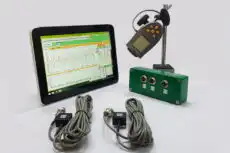
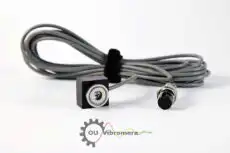
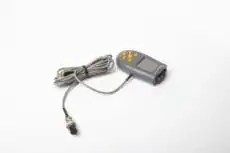
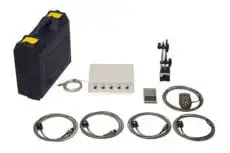
ಹ್ಯಾನಿಂಗ್ ವಿಂಡೋ ಅದು ಪೂರ್ವನಿರ್ಧರಿತ, ಸಾಮಾನ್ಯ-ಉದ್ದೇಶ ಆಯ್ಕೆ ಬಹುತೇಕ ಎಲ್ಲಾ ನಿರಂತರ-ಸ್ಥಿತಿ ಯಂತ್ರೋಪಕರಣಗಳ ಕಂಪನ ಮಾಪನಕ್ಕೆ। ಇದು ಆವರ್ತನ ರೆಸಲ್ಯೂಶನ್ (ನಿಕಟ ಶಿಖರಗಳನ್ನು ಪೃಥಕ್ಕರಿಸುವುದು) ಮತ್ತು ವೈಶಾಲ್ಯ ನಿಖುರತೆಯ (ಸರಿಯಾದ ಮಟ್ಟವನ್ನು ಓದುವುದು) ನಡುವೆ ಅತ್ಯುತ್ತಮ ಸಮನ್ವಯವನ್ನು ಸಾಧಿಸುತ್ತದೆ. ಮೋಟಾರುಗಳು, ಪಂಪುಗಳು, ಫ್ಯಾನ್ಗಳು ಮತ್ತು ಸಂಕುಚಕಗಳ ಮೇಲೆ ದಿನನಿತ್ಯದ FFT ಸ್ಪೆಕ್ಟ್ರಾಕ್ಕೆ ಇದು ಬೀಸುತ್ತಿರುವ ಸಂಖ್ಯಾಕ್ಕೆ ಸರಿಯಾದ ಸೆಟ್ಟಿಂಗ್ ಆಗಿದೆ ಮತ್ತು ಇದು ಪೋರ್ಟೇಬಲ್ ಎರಡು-ಸಾಲು ಬ್ಯಾಲೆನ್ಸೆಟ್-1ಎ ಇದು ಕ್ಷೇತ್ರದಲ್ಲಿ ರೋಗನಿರ್ಣಯ ಸ್ಪೆಕ್ಟ್ರಾ ಲೆಕ್ಕಾಚಾರ ಮಾಡುವಾಗ ಅನ್ವಯವಾಗುತ್ತದೆ, ಅಲ್ಲಿ ಶಾಫ್ಟ್ ವೇಗ ಎಂದಿಗೂ ಸಂಪೂರ್ಣವಾಗಿ ಸ್ಥಿರವಾಗಿಲ್ಲದಿರುವುದರಿಂದ ಮತ್ತು ಸೋರಿಕೆ ಫಲಿತಾಂಶವನ್ನು ಹೇರಳವಾಗಿ ಹೊಂದಿಸುವುದಿಲ್ಲ.
5. ಹ್ಯಾನಿಂಗ್ ಇತರ ವಿಂಡೋಗಳೊಂದಿಗೆ ಹೋಲಿಕೆ
ಹ್ಯಾನಿಂಗ್ ವಿಂಡೋ ಏಕೈಕ ಆಯ್ಕೆ ಅಲ್ಲ, ಮತ್ತು ಸರಿಯಾದ ಒಂದನ್ನು ಆರಿಸುವುದು ನೀವು ಏನನ್ನು ಹೊರತೆಗೆಯಲು ಪ್ರಯತ್ನಿಸುತ್ತಿರುವುದರ ಮೇಲೆ ಅವಲಂಬಿತವಾಗಿದೆ:
- Flattop: ಉದ್ದೇಶಪೂರ್ವಕವಾಗಿ ಆವರ್ತನ ರೆಸಲ್ಯೂಶನ್ ನ್ನು ತುಂಬಾ ಹೆಚ್ಚಿನ ವೈಶಾಲ್ಯ ನಿಖುರತೆಗಾಗಿ ತ್ಯಾಗ ಮಾಡುತ್ತದೆ. ಸೆನ್ಸರ್ ಅಂಶೋದನ ಮಾಡುವಾಗ ಅಥವಾ ಒಂದೇ ಪ್ರಾಬಲ್ಯದ ಟೋನ್ನ ನಿಖುರ ಮಟ್ಟವನ್ನು ಓದುವಾಗ ಇದು ಆಯ್ಕೆಯ ವಿಂಡೋ.
- ಏಕರೂಪ (ಆಯತಾಕಾರ / “ಯಾವುದೇ ವಿಂಡೋ ನಿಲ್ಲಿಸಿ”): ಯಾವುದೇ ಟೇಪರಿಂಗ್ ಅನ್ನೂ ಅನ್ವಯ ಮಾಡುವುದಿಲ್ಲ. ಇದು ಅಸ್ಥಿರ ಮತ್ತು ಪ್ರಭಾವ ಘಟನೆಗಳಿಗೆ ಕಾಯ್ಲಿದೆ — ಉದಾಹರಣೆಯಾಗಿ ಒಂದು ಬಂಪ್ ಟೆಸ್ಟ್ — ಅದು ಈಗಾಗಲೇ ಬ್ಲಾಕ್ ಒಳಗೆ ಶೂನ್ಯದಲ್ಲಿ ಪ್ರಾರಂಭ ಮತ್ತು ಅಂತ್ಯಮಾಗುವುದರಿಂದ, ಯಾವುದೇ ವಿಂಡೋ ಅಗತ್ಯವಿಲ್ಲ.
- Hanning: ಸುಸಂತುಲಿತ ಮಧ್ಯಮ ಬಿಂದು, ಮತ್ತು ಆದ್ದರಿಂದ ದೈನಂದಿನ ರೋಗನಿರ್ಣಯದ ಮಾನದಂಡ.
ಸಂಕ್ಷಿಪ್ತವಾಗಿ, ವೈಶಾಲ್ಯ ನಿಖುರವಾಗಿರಬೇಕಾದಾಗ ಫ್ಲಾಟ್ಟಾಪ್ ಹೋಗಿ, ಸ್ವತಂತ್ರ-ಸಮಯಬದ್ಧ ಸ್ವಲ್ಪ ಪರಿಣಾಮವನ್ನು ಹೆಚ್ಚು ಮಾಡುವಾಗ ಏಕರೂಪ ಬಳಸಿ, ಮತ್ತು ಹ್ಯಾನಿಂಗ್ ಎಲ್ಲವುಗಳಿಗೆ ಬಳಸಿ — ಅದು ಹೆಚ್ಚಿನ ಸಮಯವಾಗಿದೆ.

