Understanding Seal Defects in Rotating Machinery

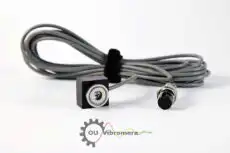

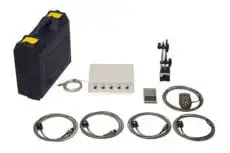


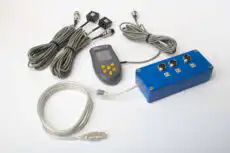
Seal defects are the damage, wear or outright failures that afflict the sealing components whose job is to keep lubricant in and contaminants out of rotating machinery. The common families are lip seals (radial shaft seals), mechanical face seals, labyrinth seals and O-rings, and their defects show up as oil or grease leakage, ingress of dirt and moisture, increased friction and heating, and — in some cases — a contribution to vibration through rubbing or fluid-borne instabilities. Seals can look like minor parts, but their failure carries serious consequences: loss of lubrication leads to rapid bearing failure, contamination accelerates wear, and on process pumps a failed seal can mean product loss, environmental release or a genuine safety hazard.
1. Why Seals Matter More Than They Appear
A seal is the boundary of the lubrication system and, on process machinery, the boundary of containment. Because it is small and cheap relative to the rotor or the bearings it protects, it is easy to overlook — yet a great many bearing failures begin not with the bearing at all but with the seal that was supposed to protect it. Treating seal condition as an integral part of ಸ್ಥಿತಿ ಮೇಲ್ವಿಚಾರಣೆ, rather than as a consumable to replace after it leaks, is one of the cheapest reliability wins available.
2. Common Seal Types and Their Defects
Lip Seals (Radial Shaft Seals)
Elastomeric seals with a flexible lip that contacts the rotating shaft.
Common defects:
- Lip wear: friction gradually wears the lip material until sealing contact is lost.
- Hardening: heat or age hardens the elastomer, robbing the lip of flexibility and conformability.
- Cracking: cracks form in the lip through age, chemical attack or excessive shaft runout.
- Lip tearing: damage from clumsy installation, shaft defects or excessive vibration.
- Garter-spring loss: the small spring that maintains lip contact breaks or falls off.
ಲಕ್ಷಣಗಳು: oil or grease leakage at the shaft exit, visible contamination in the bearing area, a rise in bearing temperature as lubricant is lost, and an increase in bearing vibration as contamination takes hold.
Mechanical Face Seals
Used in pumps and high-pressure applications, with two precision-lapped faces running against each other.
Common defects:
- Face wear: the mating faces wear and leakage grows.
- Face damage: scratches, chips or thermal cracks on the sealing faces.
- O-ring failure: the secondary seals deteriorate.
- Spring failure: the springs that provide face pressure break or weaken.
- Coking and deposits: material build-up prevents proper face contact.
ಲಕ್ಷಣಗಳು: visible leakage at the seal, steam or vapour emission when sealing hot fluids, a squealing noise from face contact, high seal temperature, and vibration from face-contact instability.
Labyrinth Seals
Non-contact seals widely used in turbines and compressors.
Common defects:
- Tooth wear: labyrinth teeth worn or broken by rubs.
- ಸೂಕ್ಷ್ಮತೆ ಹೆಚ್ಚಳ: wear or thermal growth opens the clearance and erodes sealing effectiveness.
- Rubs: contact from excessive vibration or shaft motion damages the teeth.
- Deposits: carbon or scale build-up alters the clearances.
ಲಕ್ಷಣಗಳು: increased leakage measurable as flow or pressure loss, a fall in efficiency from internal leakage, vibration from rubs that can in some cases trigger steam whirl, and physical evidence of contact such as wear marks or heat discolouration.
O-Rings and Static Seals
- Compression set: permanent deformation from sustained compression.
- Chemical attack: incompatible fluids degrade the elastomer.
- Extrusion: the O-ring is squeezed out of its groove under pressure.
- ಥರ್ಮಲ್ ಹಾನಿ: heat aging, hardening and cracking.
3. Causes of Seal Failure
Normal Wear
- Contact seals have a finite life governed by friction wear.
- Typical lip-seal life is roughly 5,000–20,000 operating hours.
- Mechanical-seal life is roughly 10,000–50,000 hours, depending on the application.
- The wear rate depends on shaft surface finish, speed and lubrication.
Installation Damage
- The seal lip is cut or damaged during fitting.
- The seal is not properly seated in its housing.
- Shaft-surface defects tear the seal lip.
- Contamination is introduced during assembly.
ಕಾರ್ಯಾಚರಣೆ ಪರಿಸ್ಥಿತಿಗಳು
- Excessive shaft runout: ವಿಕೇಂದ್ರಿತತೆ or vibration beyond the seal’s capability.
- ಉತ್ತಮ ತಾಪಮಾನ: degrades elastomeric materials.
- Chemical incompatibility: process fluids attack the seal material.
- Abrasive environment: particles damage the seal faces.
- Dry running: loss of lubrication to the seal causes rapid wear.
Mechanical Issues
- Excessive vibration from unbalance ಅಥವಾ misalignment.
- Shaft defects such as scratches or scoring that chew the seal lip.
- Bearing failure allowing excessive shaft motion.
- Thermal growth that disturbs the seal fit.
4. Detecting Seal Defects
Visual Indicators
- Leakage: oil, grease or process fluid visible at the seal.
- Staining: discolouration around the seal from seepage.
- Dripping: active leakage pooling below the equipment.
- Misting: a fine spray from high-pressure seal leakage.
Operational Indicators
- Lubricant loss: a recurring need to top up oil or grease.
- Contamination: dirt or moisture in oil-analysis samples.
- ಬೆರಿಂಗ್ ಸಮಸ್ಯೆಗಳು: premature bearing wear from contamination or lubricant loss.
- ತಾಪಮಾನ ಏರಿಕೆ: bearing heating from inadequate lubrication.
Vibration Effects
- Seal rubs can create friction-induced vibration.
- High-frequency components arise from seal contact.
- In severe cases, sub-synchronous vibration develops from seal instability.
- Secondary effects include bearing vibration from contamination or loss of lubrication.
The vibration symptoms are subtle and broadband rather than tied to a single sharp line, so they are most useful read against a healthy baseline on a spectrum: a creeping rise in the high-frequency or sub-synchronous region, rather than a jump at 1×, is the typical seal-related signature.
5. Consequences of Seal Failure
Immediate Effects
- Lubricant loss requiring frequent replenishment.
- Contamination ingress degrading the remaining lubricant.
- Product loss or environmental release on process seals.
- Safety hazards from slippery floors or toxic-material release.
Secondary Damage
- ಬೆಲೆತೆ ವಿಫಲತೆ: inadequate lubrication or contamination destroys the bearings.
- Accelerated wear: abrasive contamination speeds up wear everywhere.
- Corrosion: moisture ingress causes rust and corrosion.
- Coupling damage: lubricant spray contaminates elastomeric coupling elements.
6. Prevention and Maintenance
Proper Selection
- Choose a seal type suited to the application — its pressure, temperature, speed and chemical environment.
- Use the correct seal size and specification.
- Respect the shaft-surface-finish requirement, typically below 0.8 µm Ra for lip seals.
- Match the elastomer to the fluid and temperature (nitrile, Viton, PTFE and so on).
Installation Practices
- Clean every surface before fitting.
- Use proper installation tools — seal drivers, never hammers.
- Lubricate the seal lips before fitting.
- Protect the lip while sliding it over the shaft, using an installation sleeve.
- Verify squareness and correct seating.
ಚಾಲನಾ ಅಭ್ಯಾಸಗಳು
- ಉತ್ತಮವಾಗಿ ನಿರ್ವಹಿಸಿ ಸಮತೋಲನ and ಅಲೈನ್ಮೆಂಟ್ to reduce shaft motion and vibration.
- Keep operating temperatures within the seal’s rating.
- Ensure lubrication actually reaches the seal.
- Avoid contaminating the seal area with incompatible materials.
Preventive Replacement
- Replace seals during scheduled maintenance rather than waiting for failure.
- Typical replacement intervals are two to five years, or per the manufacturer’s recommendation.
- Always fit new seals when a bearing housing is opened.
- Keep seal kits in the spare-parts inventory.
7. Special Considerations
High-Vibration Equipment
- Excessive shaft motion destroys seals rapidly.
- Root-cause vibration must be addressed to achieve acceptable seal life.
- Heavy-duty or spring-loaded seals help in high-vibration applications.
Extreme Environments
- ಉತ್ತಮ ತಾಪಮಾನ: use high-temperature elastomers or mechanical seals.
- Abrasive: fit protective shaft sleeves and expeller seals to exclude particles.
- Corrosive: use chemical-resistant materials and coated surfaces.
- Vacuum: use special low-outgassing seals.
8. Troubleshooting Seal Problems
Premature Seal Failure
Investigation areas:
- Verify shaft-surface condition — roughness, scratches, corrosion.
- Check shaft runout, since excessive runout kills seals quickly.
- Measure vibration levels, as high vibration shortens seal life.
- Confirm the operating temperature is within the seal’s rating.
- Check for chemical incompatibility.
- Examine the installation practices used.
- Verify the seal type and size are correct for the duty.
Persistent Leakage
Possible causes and solutions:
- Shaft damage: a groove worn at the seal location → repair the shaft or fit a repair sleeve.
- Excessive runout: shaft eccentricity → correct the runout or use a higher-capacity seal.
- Wrong orientation: the seal fitted backwards → reinstall it correctly.
- Damaged lip: installation damage → replace and use proper technique.
- ತಪ್ಪು ಒತ್ತಡ: pressure exceeding the seal rating → use a pressure-rated seal or reduce the pressure.
9. Seal-Related Vibration Issues
Seal Friction and Instability
- Contact seals can generate stick-slip friction.
- This may contribute to low-frequency vibration or chatter.
- Dry-running seals are especially prone to friction vibration.
- Non-contact labyrinth seals can create aerodynamic instabilities.
Seal Rub
- Excessive shaft motion drives the seal into hard contact with the shaft.
- The contact generates heat and damages the seal rapidly.
- Asymmetric heating can produce a thermal bow in the shaft.
- The result is often high-frequency vibration and noise — a close relative of full rotor rub.
10. Impact on Machine Reliability
Lubrication-System Integrity
- Seals are the critical boundary of the lubrication system.
- Seal failure leads to lubricant loss and contamination entry.
- The result is rapid bearing deterioration.
- This can cascade into complete machine failure.
Environmental Protection
- Seals prevent process-fluid leakage from pumps and compressors.
- Failure can cause environmental contamination.
- Toxic or flammable materials raise serious safety concerns.
- Leakage can create regulatory-compliance issues.
11. Modern Seal Technologies
Advanced Designs
- Multi-lip seals: several sealing lips for redundancy.
- Expeller seals: centrifugal action throws contaminants away from the seal.
- Magnetic seals: a magnetic fluid held in place by a magnetic field.
- Dry-gas seals: non-contact seals for high-speed compressors.
- Cartridge seals: pre-assembled units that simplify installation.
ಸ್ಥಿತಿ ಮೋನಿಟರಿಂಗ್
- Seal leak-detection systems.
- Flush-fluid flow monitoring on mechanical seals.
- Temperature monitoring at the seal location.
- Vibration monitoring to flag seal-related issues early.
12. The Vibration Connection in Practice — and the Balanset-1A
The single most effective thing a maintenance team can do to extend seal life is to keep the shaft quiet. Because most premature seal failures trace back to excessive shaft motion from unbalance, misalignment or worn bearings, controlling those root causes protects the seal far more reliably than upgrading the seal itself. A portable two-channel analyser such as the ಬ್ಯಾಲೆನ್ಸೆಟ್-1ಎ lets a technician confirm in the field whether vibration sits within an acceptable severity band, and when an unbalance is found, correct it on site by field balancing the rotor in its own bearings — removing the very excitation that was destroying the seal. Read alongside oil analysis and seal-temperature monitoring, vibration measurement closes the loop between a leaking seal and the mechanical fault that caused it.
Seal defects, though often overlooked beside bearing or rotor problems, have a decisive effect on machinery reliability. Proper selection, careful installation and preventive replacement — combined with attacking the root causes of premature failure such as vibration, runout and contamination — let seals carry out their essential duties of lubricant retention and contamination exclusion throughout their intended life.

