Meet Vibromera.com — our new international website. Visit Vibromera.com →

ISO 17359:機器狀態監測與診斷 — 一般指南

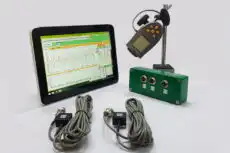
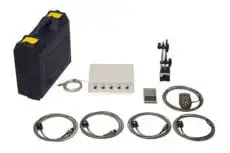
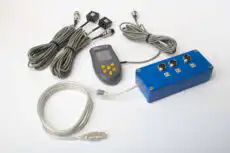
便攜式平衡機 & 振動分析儀 Balanset-1A

振動感測器

光學感測器(雷射轉速計)

Balanset-4

磁吸支架 Insize-60-kgf

反光膠帶

動平衡機「Balanset-1A」OEM

ISO 17359 是機械整個領域的高階「傘式」標準 狀態監測。它並非規定單一測量技術,而是為從初始規劃到常規運行和審查建立和運行監測計畫提供了一個戰略框架——一條路徑圖。它刻意保持技術中立:它告訴你 如何為何 如何建立計畫,然後指向規範每種個別技術的更具體標準,例如 ISO 13373-1 對於 振動分析, 油液分析 用於摩擦學,以及紅外 熱成像 用於熱調查。簡言之,ISO 17359 是將整個學科聯繫在一起的起點。

1. 傘式標準的角色

大多數狀態監測標準回答狹窄的問題:哪個感測器、哪個頻率範圍、哪個警報圖表。ISO 17359 回答先前更戰略性的問題—— 整個計畫應該是什麼樣子,以及其各部分如何組合? 它提供了證明投資合理性並將努力集中在重要機器上的商業和工程邏輯。

整個方法論建立在兩個理念之上。第一個理念是及早偵測正在發展的故障以便採取行動:ISO 17359 將此框架化為 故障前導時間 —— 即缺陷首次可被偵測到與機器無法再執行其功能之間的間隔 —— 這在以可靠性為中心的維護中更普遍地被稱為 P-F 間隔。整個 狀態基礎維護 的意義在於於該時間窗內偵測故障,並在功能故障發生前採取行動,將非計畫性停機轉化為計畫性、主動式的維修。第二個理念是 積分: data from several technologies — vibration, oil, thermography, motor-current analysis — can be combined to reach a more confident diagnosis than any single method gives alone.

2. 循環過程——六個核心步驟(簡化視角)

ISO 17359 將計畫描述為一個持續循環,其中最後階段的輸出回饋至第一階段,創造出持續改進的過程。該標準自身的流程圖(圖 1,於條款 5–11 中開發)比任何簡短清單都更詳細:它以明確的商業 成本效益分析開始,接著進行設備稽核、可靠性與關鍵性稽核(FMEA/FMECA)、監測方法與警示/警報標準的選擇、測量與趨勢分析、診斷與預測、維護行動的決定,最後進行 計畫有效性審查。以下六個步驟是該完整工作流程的實用精簡版——為易讀性而分組,並非 ISO 步驟數字的字面對應。

Step 1 — Machine Knowledge and Information (the Audit)

此基礎步驟是整個計畫的策略核心。在標準本身中,基礎工作甚至更早開始,透過商業成本效益分析確認監測值得投資,然後才選擇任何技術。該步驟接著要求進行徹底稽核,以識別哪些機器對營運最重要且因此值得監測——一種 關鍵性 and risk analysis that ranks assets by the consequence of their failure. Once the critical machines are identified, the standard requires gathering all pertinent information: design specifications, operating parameters, maintenance history, and — most importantly — a detailed 失效模式與影響分析 (FMEA).

The FMEA is a systematic method for identifying every way a machine or its components can fail. For each failure mode — say “bearing spalling” or “shaft 不平衡” — the team works out the likely causes, the symptoms or effects it produces (for example “generates high-frequency impacts” or “causes high 1X vibration”), and the consequences of the failure. The output is a definitive list of credible failure modes for each critical machine, and that list drives every later step.

Step 2 — Select the Monitoring Strategy

This step builds directly on the FMEA. For each identified failure mode, the team chooses the most effective and economical technology to detect its onset; there is deliberately no one-size-fits-all answer. If the FMEA shows that a gearbox’s dominant failure mode is tooth 磨損, the strategy might be wear-particle 油液分析, which can flag debris long before the vibration signature changes. For shaft 不對心, the obvious choice is vibration analysis, because it reads the characteristic 2X signature directly. The activity here is to review every available CBM technology and map each one onto the specific symptoms the FMEA predicted, producing a targeted, efficient plan.

Step 3 — Establish the Monitoring Programme

This is the tactical planning phase, where the strategy from Step 2 becomes a documented action plan. It defines the precise measurement locations on each machine, the exact parameters to be recorded (RMS velocity, peak acceleration, temperature, wear-particle concentration), the data-collection frequency (monthly for less critical assets, continuously for the most critical), and the initial alarm or alert limits. The standard offers three sound ways to set those first 警報等級: generic severity charts such as ISO 10816 / ISO 7919 (現已整合為 ISO 20816)、設備製造商的建議,或相對於健康 基線 reading. The result is a complete, written monitoring plan for every machine.

Step 4 — Data Acquisition

This step is the routine, physical execution of the plan: dispatching a technician or an automated system to collect the specified data at the prescribed interval. The standard places heavy emphasis on standardised procedures so that data stays consistent and repeatable from visit to visit. That means following the detailed method for the chosen technology — for vibration, adhering to ISO 13373-1 — and ensuring the machine runs under comparable conditions (same load and speed) each time, with every record correctly stored and labelled with date, time, machine ID and measurement-point ID for reliable 趨勢分析.

Step 5 — Data Analysis and Diagnostics

Here the raw data becomes information. 分析 comes first: the new reading is compared against the alarm limits set in Step 3. If nothing is breached, the machine is confirmed healthy. If an alarm trips, the work moves on to 診斷 — a deeper investigation by a trained analyst to find the root cause. That might mean studying the specific frequencies and patterns in a vibration 頻譜, or examining the size and shape of particles in an oil sample. The standard recommends a systematic approach: correlate the observed pattern with the failure modes catalogued in the Step 1 FMEA to arrive at a specific, confident 診斷 —— 並在資料允許的情況下,預測機器在故障必須修正前能安全運轉多久。

Step 6 — Maintenance Decision and Action

The final, decisive step turns the diagnosis into action — though “repair immediately” is only one of several options. The decision is a risk-based judgement weighing the severity of the fault, the criticality of the machine and the resources available. The response might be as light as simply increasing the monitoring frequency, or as planned as scheduling a specific correction (an alignment job, a bearing change) for the next outage, or as drastic as recommending an immediate 停機 以預防災難性故障。一旦工作完成且故障經確認已清除,結果將回饋至機器的歷史記錄(步驟 1),閉合循環並改善下一個循環。ISO 17359 也在計畫層面閉合循環:它要求定期進行 審查 以衡量監測工作本身的有效性,並重新檢視原始的成本效益案例,使計畫——而不僅是機器——持續改進。

3. Where Vibration Analysis Fits — and the Balanset-1A

Although ISO 17359 is technology-neutral, vibration is by far the most common monitoring channel because it sees so many failure modes at once — unbalance, misalignment, 鬆動, 軸承缺陷齒輪缺陷 all leave distinct frequency fingerprints. Step 4 of the cycle requires a portable, repeatable way to capture that data in the field. A two-channel instrument such as the Balanset-1A covers two roles in one tool: it acquires the FFT 頻譜 and overall vibration levels needed for the Step 5 comparison against ISO 20816 limits, and — when the diagnosis points to 不平衡 — it performs the corrective 現場動平衡 in the machine’s own bearings without sending the rotor away. That ability to move straight from detection to correction is exactly the kind of efficient, closed-loop workflow the standard is designed to encourage.

4. Key Concepts to Remember

  • Strategic framework, not a measurement recipe: the standard is about the “how” and “why” of building a programme, supplying the engineering and business logic behind condition monitoring rather than telling you to “measure RMS velocity.”
  • Technology-agnostic: the same framework applies whether the programme rests on vibration, oil analysis, infrared thermography, 聲發射 or motor-circuit analysis.
  • 故障前導時間: 正在發展的故障可在功能故障發生前被充分捕捉,從而實現計畫性、主動式維護,而非被動式維修。
  • 積分: combining data from several technologies yields a more confident and accurate picture of machine health than any single channel.
  • Continuous improvement: 循環將經驗證的結果回饋至機器歷史記錄,而標準專屬的審查階段則衡量計畫自身的有效性,使該工作隨著時間學習並精進。

5. How ISO 17359 Relates to Its Companion Standards

ISO 17359 位於一系列文件的最頂層,作為進入這些文件的起點閱讀時最為實用。它將詳細內容移交給 ISO 13373-1 以處理振動資料收集的詳細機制,移交給 ISO 13374 以處理資料處理與通訊架構,並移交給如 ISO 20816-3 等嚴重度標準,當第五步驟評估需要絕對振動限值時。人員能力則由 ISO 18436-2另行規範,該標準為執行第五與第六步驟的分析師設定資格類別。先閱讀 ISO 17359 能讓整個標準體系更容易導航,因為它說明了每個詳細標準如何嵌入整體循環中。完整官方文本由 ISO 以標準參考編號 71194 發布,需要完整規範性措辭的組織可從 ISO 商店購買。


← 返回主索引

WhatsApp
Balanset-1A · €1975Ask engineer