ಕ್ವಾಸಿ-ಸ್ಥಿರ ಅಸಮತೋಲನವನ್ನು ಅರ್ಥಮಾಡಿಕೊಳ್ಳುವುದು




ಅರ್ಧ-ಸ್ಥಿರ ಅನ್ಬ್ಯಾಲೆನ್ಸ್ ಇದು ಒಂದು ನಿರ್ದಿಷ್ಟ ಮತ್ತು ತೀರ ಅಪರೂಪದ ವಿಧದ ಚಿತ್ರಾಕರ್ಷಕ ಅಸಮತೋಲನ. ರೋಟರಿನ ಪ್ರಧಾನ ಜಡತ್ವ ಅಕ್ಷವು ಶಾಫ್ಟ್ನ ಭ್ರಮಣ ಅಕ್ಷವನ್ನು ಛೇದಿಸುವಾಗ ಇದು ಉಂಟಾಗುತ್ತದೆ, ಆದರೆ not ರೋಟರಿನ ಭಾರಕೇಂದ್ರದಲ್ಲಿ ಅಲ್ಲ. ಸಾಮಾನ್ಯವಾಗಿ ಹೇಳುವುದಾದರೆ, ಇದು ಎರಡನ್ನೂ ಒಳಗೊಂಡಿರುವ ಸ್ಥಿತಿ ಸ್ಥಿರ ಅಸಮತೋಲನ and ದಂಪತಿ ಅಸಮತೋಲನ — with the special feature that the static and couple unbalance vectors lie in one and the same axial plane. That coplanar alignment is what gives it its name and its distinctive behaviour.
1. ವ್ಯಾಖ್ಯಾನ: ಕ್ವಾಸಿ-ಸ್ಥಿರ ಅಸಮತೋಲನ ಎಂದರೇನು?
ಇದನ್ನು ಊಹಿಸಲು, ಪರಿಪೂರ್ಣವಾಗಿ ಸಮತೋಲನಗೊಂಡ ರೋಟರ್ ಅನ್ನು ಏನು ವ್ಯಾಖ್ಯಾನಿಸುತ್ತದೆ ಎಂಬುದನ್ನು ನೆನಪಿಸಿಕೊಳ್ಳಿ: ಅದರ ಪ್ರಮುಖ ಜಡತ್ವ ಅಕ್ಷವು ಅದರ ಭ್ರಮಣ ಅಕ್ಷದೊಂದಿಗೆ ಒಂದೇ ಆಗಿರುತ್ತದೆ. ವಿವಿಧ ವಿಧಗಳ unbalance ಆ ಎರಡು ಅಕ್ಷಗಳು ಹೇಗೆ ಬೇರ್ಪಡಬಹುದು ಎಂಬುದನ್ನು ವಿವರಿಸುತ್ತವೆ. quasi-static unbalanceನಲ್ಲಿ ಆ ಎರಡು ಅಕ್ಷಗಳು ಛೇದಿಸುತ್ತವೆ — they intersect — but the crossing point is offset along the shaft from the centre of gravity rather than sitting on it. Geometrically this is a tilted-and-shifted axis whose static and couple ingredients lie in the same axial plane — it is precisely that coplanar combination which makes the two axes intersect at all.
Like every form of dynamic unbalance, it can only be fully measured while the rotor is spinning. Because the whole condition is equivalent to a single resultant unbalance acting in one specific axial plane, a single correction of the right magnitude in that plane can remove it — provided that plane is accessible on the machine; otherwise it is treated as an ordinary two-plane balancing job. A purely static check on knife-edges cannot reveal it, because the couple component only produces forces under rotation.
2. ಇತರ ಅಸಮತೋಲನ ಪ್ರಕಾರಗಳೊಂದಿಗೆ ಸಂಬಂಧ
quasi-static unbalance ಅನ್ನು ಮೂರು ಮಾನಕ ವರ್ಗಗಳ ಜೊತೆಗೆ ಇರಿಸಿ ನೋಡಿದರೆ ಉಪಯುಕ್ತ:
- Static unbalance: ಭಾರಕೇಂದ್ರವು ಶಾಫ್ಟ್ ಅಕ್ಷದಿಂದ ದೂರ ಸರಿಯುವ ಶುದ್ಧ ಸ್ಥಿತಿ. ಇದು ಎರಡು ಬೇರಿಂಗ್ಗಳಲ್ಲಿ ಒಂದೇ ಹಂತದಲ್ಲಿ ಒಂದೇ ಹಂತದಲ್ಲಿ
- ಸಂಯೋಜಕ ಅಸಮತೋಲನ: ಶುದ್ಧವಾಗಿ ಒಂದು “ಡಗಮಗಿಕೆ”, ವಿರುದ್ಧ ತುದಿಗಳಲ್ಲಿ ಮತ್ತು ವಿರುದ್ಧ ಬದಿಗಳಲ್ಲಿ ಸಮಾನ ಭಾರವಾದ ಸ್ಥಳಗಳೊಂದಿಗೆ. ಇದು ಬೇರಿಂಗ್ಗಳಲ್ಲಿ 180 degrees ಹಂತಭೇದದಲ್ಲಿ ಬಲಗಳನ್ನು ಉಂಟುಮಾಡುತ್ತದೆ.
- ಡೈನಾಮಿಕ್ ಅಸಮತೋಲನ: ಸಾಮಾನ್ಯ ಸ್ಥಿತಿ — ಪರಸ್ಪರ ಯಾವುದೇ ಕೋಣೀಯ ಹಂತದಲ್ಲಿ static ಮತ್ತು couple unbalanceಗಳ ಸಂಯೋಜನೆ.
- ಅರೆ-ಸ್ಥಿರ ಅಸಮತೋಲನ: a special case of dynamic unbalance in which the static and couple unbalance vectors lie in the same axial plane, so the tilted principal axis still crosses the shaft axis (at a point other than the centre of gravity).
ಬೇರೆ ಪದಗಳಲ್ಲಿ ಹೇಳುವುದಾದರೆ, ಪ್ರತಿಯೊಂದು quasi-static ರೋಟರ್ dynamic unbalance ಹೊಂದಿರುತ್ತದೆ, ಆದರೆ ಒಂದು ನಿರ್ದಿಷ್ಟ ಜ್ಯಾಮಿತೀಯ ಸಂಯೋಗವೇ ಅದಕ್ಕೆ “quasi-static” ಎಂಬ ಹೆಸರನ್ನು ನೀಡುತ್ತದೆ.
3. ಪ್ರಾಯೋಗಿಕ ಉದಾಹರಣೆ: ಓವರ್ಹಂಗ್ ರೋಟರ್
ಪಾಠಪುಸ್ತಕದ ಶ್ರೇಷ್ಠ ಉದಾಹರಣೆ ಎಂದರೆ ಒಂದು ಓವರ್ಹಂಗ್ ರೋಟರ್ ಅದರ unbalance ಯಂತ್ರದ ಭಾರಕೇಂದ್ರದಿಂದ ಬಹಳ ದೂರದ ಒಂದೇ ಸಮತಲದಲ್ಲಿ ಇರುತ್ತದೆ. ಎರಡೂ ಬೇರಿಂಗ್ಗಳಾಚೆ, ಉದ್ದವಾದ ಶಾಫ್ಟ್ನ ತುದಿಯಲ್ಲಿ ಭಾರವಾದ ಬ್ಲೇಡ್ಗಳ ಸಮೂಹವನ್ನು ಹೊಂದಿರುವ ದೊಡ್ಡ ಕೈಗಾರಿಕಾ ಫ್ಯಾನ್ನ್ನು ಪರಿಗಣಿಸಿ.
ಫ್ಯಾನ್ ಡಿಸ್ಕ್ ಮೇಲೆ ಒಂದೇ ಭಾರವಾದ ಸ್ಥಳವಿದೆ ಎಂದು ಊಹಿಸಿ — ಡಿಸ್ಕ್ನ ಮೇಲಿನ ಶುದ್ಧ static unbalance. ಆ ಒಂದೇ ಬಲವು ಎರಡು ಬೇರಿಂಗ್ಗಳಿಗೆ ತಲುಪುವ ರೀತಿ ಸಮಮಿತವಾಗಿರುವುದಿಲ್ಲ:
- ಫ್ಯಾನ್ಗೆ ಸಮೀಪದ ಬೇರಿಂಗ್ ದೊಡ್ಡ ಕಂಪನ ಬಲವನ್ನು ಅನುಭವಿಸುತ್ತದೆ.
- ಫ್ಯಾನ್ನಿಂದ ದೂರದ ಬೇರಿಂಗ್ ಕೂಡ ಬಲವನ್ನು ಅನುಭವಿಸುತ್ತದೆ, ಆದರೆ ಭಾರವು ಬೆಂಬಲಗಳಾಚೆಗೆ “overhung” ಆಗಿರುವುದರಿಂದ, ಆ ಬಲವು ಸಮೀಪದ ಬೇರಿಂಗ್ ಸುತ್ತಲಿನ pivoting ಕ್ರಿಯೆಯ ಮೂಲಕ ಕಾರ್ಯನಿರ್ವಹಿಸುತ್ತದೆ.
ಬೇರಿಂಗ್ಗಳಲ್ಲಿನ ಒಟ್ಟು ಫಲಿತಾಂಶವೆಂದರೆ ಕಂಪಿಸುವ (static) ಘಟಕ ಮತ್ತು ಆಲೋಲಕ (couple) ಘಟಕ ಎರಡನ್ನೂ ಮಿಶ್ರಣಗೊಳಿಸುವ ಸಂಕೀರ್ಣ ಚಲನೆ. ಎರಡೂ ಒಂದೇ ಭೌತಿಕ heavy spotನಿಂದ ಹುಟ್ಟಿರುವುದರಿಂದ, ಅವು ಸ್ಥಿರ ಸಂಬಂಧವನ್ನು ಹಂಚಿಕೊಳ್ಳುತ್ತವೆ — ಮತ್ತು quasi-static ಸ್ಥಿತಿಯನ್ನು ಸೃಷ್ಟಿಸುವುದು ಇದೇ ಸ್ಥಿರ ಸಂಬಂಧ. ಇದೇ ಕಾರಣದಿಂದ overhung ರೋಟರ್ಗಳು ಅತ್ಯಂತ ಸಂವೇದನಾಶೀಲವೆಂದು ಪರಿಗಣಿಸಲ್ಪಡುತ್ತವೆ ಮತ್ತು ಬಹುತೇಕ ಯಾವಾಗಲೂ two-plane ಚಿಕಿತ್ಸೆ ಅಗತ್ಯಪಡುತ್ತವೆ.
4. ತಿದ್ದುಪಡಿ
In principle, quasi-static unbalance can be removed by a single correction in the appropriate axial plane, because it is equivalent to one resultant unbalance acting in that plane. In practice that exact plane is often not accessible on the assembled machine, so in the field it is corrected just like any general dynamic unbalance. The balancing workflow is:
- ಕಂಪನವನ್ನು ಅಳಿ amplitude and phase 1× ನಲ್ಲಿ running speed ಎರಡು ಬೆಯರಿಂಗ್ ಸ್ಥಳಗಳಲ್ಲಿ.
- ಅಗತ್ಯವಿರುವುದನ್ನು ಲೆಕ್ಕಿಸಿ ತಿದ್ದುವ ತೂಕಗಳನ್ನು ಮತ್ತು ಆಯ್ಕೆಮಾಡಿದ ಎರಡು correction planeಗಳಿಗೆ ಅವುಗಳ ಕೋಣೀಯ ಸ್ಥಾನಗಳನ್ನು, ಸಾಮಾನ್ಯವಾಗಿ influence-coefficient ವಿಧಾನವನ್ನು, ಒಂದು trial weight.
- ತೂಕಗಳನ್ನು ಅಳವಡಿಸಿ, ಅವು static ಮತ್ತು couple ಎರಡೂ ಘಟಕಗಳನ್ನು ಒಂದೇ ವೇಳೆ ರದ್ದುಗೊಳಿಸುವಂತೆ.
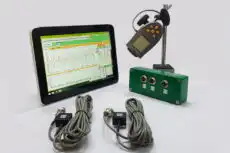
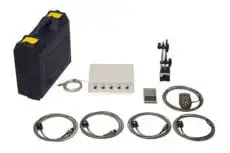
ಕ್ಷೇತ್ರದಲ್ಲಿ ಇದು ಒಂದು ಮಾನಕ ಎರಡು-ಸಮತಲ ಸಮತೋಲನ ಕೆಲಸ. ಉದಾಹರಣೆಗೆ ಪೋರ್ಟಬಲ್ ಎರಡು-ಚಾನೆಲ್ ಸಾಧನವಾದ ಬ್ಯಾಲೆನ್ಸೆಟ್-1ಎ ಎರಡೂ ಬೇರಿಂಗ್ಗಳಲ್ಲಿ ಆಂಪ್ಲಿಟ್ಯೂಡ್ ಮತ್ತು ಹಂತವನ್ನು ಅಳೆಯುತ್ತದೆ, ರೋಟರ್ನ influence coefficientಗಳನ್ನು ಪಡೆಯುತ್ತದೆ, ಮತ್ತು ಪ್ರತಿ planeಗೆ ಬೇಕಾದ ಭಾರ ಮತ್ತು ಕೋಣವನ್ನು ಲೆಕ್ಕಿಸುತ್ತದೆ — ನಂತರ ಉಳಿದ ಅಸಮತೋಲನ ಅದು ಅಗತ್ಯ ISO 21940-11 grade ಅನ್ನು ಪೂರೈಸುವುದನ್ನು ಪರಿಶೀಲಿಸುತ್ತದೆ. phase readingಗಳಿಂದ ವಿಶ್ಲೇಷಕನು ಸ್ಥಿತಿಯನ್ನು quasi-static ಎಂದು ಗುರುತಿಸಬಹುದು, ಆದರೆ ಪ್ರಾಯೋಗಿಕ ತಿದ್ದುಪಡಿ ಯಾವುದೇ dynamic unbalanceಗೆ ಬಳಸುವ ಅದೇ ಪರಿಶೀಲಿತ two-plane ಕ್ರಮವೇ ಆಗಿದೆ.
5. ಈ ಭೇದ ಏಕೆ ಮುಖ್ಯ
If the field routine is usually the same two-plane job, why name the condition at all? Because recognising a quasi-static pattern aids ಅರ್ಥಮಾಡಿಕೊಳ್ಳುವಿಕೆಗೆ — and it can even simplify the procedure, since a single correction in the right axial plane is sufficient when that plane is accessible. The phase relationship tells the engineer that a single overhung heavy spot — rather than two independent ones — is the likely physical cause, which guides where to look for the source: a damaged blade, accumulated product, or an assembly fault on the overhung disk. That insight is part of the broader value of careful phase interpretation in rotor dynamics.

