క్వాసీ-స్టాటిక్ అసమతుల్యతను అర్థం చేసుకోవడం


క్వాసీ-స్టాటిక్ అన్బ్యాలెన్స్ ఒక నిర్దిష్టమైన మరియు సాపేక్షంగా అసాధారణమైన రకం డైనమిక్ అన్బ్యాలెన్స్. ఇది అప్పుడు సంభవిస్తుంది, రోటర్ యొక్క జడత్వ ప్రధాన అక్షం షాఫ్ట్ యొక్క భ్రమణ అక్షంతో ఖండించినప్పుడు, కానీ కాదు రోటర్ యొక్క గురుత్వ కేంద్రంలో. రోజువారీ పరిభాషలో ఇది రెండూ కలిగి ఉన్న స్థితి స్టాటిక్ అన్బ్యాలెన్స్ మరియు కపుల్ అన్బ్యాలెన్స్ — స్థిర మరియు జంట అసమతుల్యత వెక్టర్లు ఒకే అక్షసంబంధ సమతలంలో ఉండే ప్రత్యేక లక్షణంతో. ఈ సమతల అమరికే దీనికి దాని పేరును మరియు దాని విలక్షణ ప్రవర్తనను ఇస్తుంది.
1. నిర్వచనం: క్వాసీ-స్టాటిక్ అన్బ్యాలెన్స్ అంటే ఏమిటి?
దాన్ని ఊహించడానికి, పరిపూర్ణంగా బ్యాలెన్స్ చేయబడిన రోటర్ను నిర్వచించేది ఏమిటో గుర్తుచేసుకోండి: దాని జడత్వ ప్రధాన అక్షం దాని భ్రమణ అక్షంతో సమపాతమవుతుంది. వేర్వేరు రకాల అసమతుల్యత ఆ రెండు అక్షాలు ఎలా విడిపోతాయో వేర్వేరు విధానాలను వివరిస్తాయి. క్వాసీ-స్టాటిక్ అన్బ్యాలెన్స్లో రెండు అక్షాలు క్రాస్ — అవి ఖండించుకుంటాయి — కానీ ఖండన బిందువు గురుత్వ కేంద్రంపై కాకుండా షాఫ్ట్ వెంట దాని నుండి జరిగి ఉంటుంది. జ్యామితీయంగా ఇది ఒక వంపు మరియు జరిగిన అక్షం, దీని స్థిర మరియు జంట భాగాలు ఒకే అక్షసంబంధ సమతలంలో ఉంటాయి — ఈ సమతల కలయికే ఆ రెండు అక్షాలు అసలు ఖండించుకునేలా చేస్తుంది.
ప్రతి రకమైన గతిక అసమతుల్యత మాదిరిగానే, దీన్ని రోటర్ తిరుగుతున్నప్పుడు మాత్రమే పూర్తిగా కొలవగలరు. మొత్తం పరిస్థితి ఒక నిర్దిష్ట అక్షసంబంధ సమతలంలో పనిచేసే ఒకే ఫలిత అసమతుల్యతకు సమానం కాబట్టి, ఆ ప్లేన్ దాన్ని తొలగించగలదు — ఆ సమతలం యంత్రంపై అందుబాటులో ఉంటేనే; లేకపోతే దీన్ని ఒక సాధారణ ద్వి-సమతల సమతూకం పనిగా పరిగణిస్తారు. నైఫ్-ఎడ్జెస్పై చేసే కేవలం స్థిర తనిఖీ దీన్ని బయటపెట్టలేదు, ఎందుకంటే జంట భాగం తిరుగుడు సమయంలో మాత్రమే బలాలను ఉత్పత్తి చేస్తుంది.
2. ఇతర అన్బ్యాలెన్స్ రకాలతో సంబంధం
క్వాసీ-స్టాటిక్ అన్బ్యాలెన్స్ను మూడు ప్రమాణ వర్గాలతో పోల్చడం సహాయకారిగా ఉంటుంది:
- స్టాటిక్ అన్బ్యాలెన్స్: షాఫ్ట్ అక్షం నుండి గురుత్వ కేంద్రం యొక్క పూర్తిగా స్థానభ్రంశం. ఇది కేంద్రాపసార శక్తులను ఉత్పత్తి చేస్తుంది, అవి ఒకే దశలో రెండు బేరింగ్ల వద్ద.
- కపుల్ అన్బ్యాలెన్స్: పూర్తిగా “కదలాట”, వ్యతిరేక చివరలు మరియు వ్యతిరేక వైపులా సమాన భారమైన మచ్చలతో. ఇది శక్తులను ఉత్పత్తి చేస్తుంది, అవి 180 డిగ్రీలు ఫేజ్ వెలుపల బేరింగ్ల వద్ద.
- డైనమిక్ అన్బ్యాలెన్స్: సాధారణ సందర్భం — ఒకదానికొకటి ఏదైనా ఏకపక్ష ఫేజ్ కోణంలో స్టాటిక్ మరియు కపుల్ అన్బ్యాలెన్స్ కలయిక.
- క్వాసీ-స్టాటిక్ అన్బ్యాలెన్స్: స్థిర మరియు జంట అసమతుల్యత వెక్టర్లు ఒకే అక్షసంబంధ సమతలంలో ఉండే గతిక అసమతుల్యత యొక్క ఒక ప్రత్యేక సందర్భం, కాబట్టి వంపు తిరిగిన ప్రధాన అక్షం ఇప్పటికీ షాఫ్ట్ అక్షాన్ని (గురుత్వ కేంద్రం కాకుండా వేరే బిందువు వద్ద) ఖండిస్తుంది.
మరో మాటలో చెప్పాలంటే, ప్రతి క్వాసీ-స్టాటిక్ రోటర్ డైనమికల్లీ అన్బ్యాలెన్స్ అయి ఉంటుంది, కానీ ఒక నిర్దిష్ట జ్యామితీయ యాదృచ్ఛికం మాత్రమే “క్వాసీ-స్టాటిక్” లేబుల్ను సంపాదిస్తుంది.
3. ఆచరణాత్మక ఉదాహరణ: ఓవర్హంగ్ రోటర్
క్లాసిక్ పాఠ్యపుస్తక ఉదాహరణ అనేది ఒక ఓవర్హంగ్ రోటర్ యంత్రం యొక్క గురుత్వ కేంద్రానికి దూరంగా ఒకే తలంలో అసమతుల్యత ఉన్న రోటర్. పొడవైన షాఫ్ట్ చివరలో, రెండు బేరింగులకు అవతల అమర్చిన భారమైన బ్లేడ్ల సమితి ఉన్న పెద్ద పారిశ్రామిక ఫ్యాన్ను పరిగణించండి.
ఫ్యాన్ డిస్క్పై ఒకే ఒక భారమైన స్థానం ఉందని అనుకోండి — డిస్క్పైనే స్వచ్ఛమైన స్థిర అసమతుల్యత. ఆ ఒక బలం రెండు బేరింగులను చేరే విధానం సమానంగా లేదు:
- ఫ్యాన్కు దగ్గరగా ఉన్న బేరింగ్ పెద్ద కంపన బలాన్ని అనుభవిస్తుంది.
- ఫ్యాన్కు దూరంగా ఉన్న బేరింగ్ కూడా ఒక బలాన్ని అనుభవిస్తుంది, కానీ ద్రవ్యరాశి మద్దతులకు అవతల “ఓవర్హంగ్” అయినందువల్ల, ఆ బలం సమీప బేరింగ్ చుట్టూ పైవటింగ్ చర్య ద్వారా పనిచేస్తుంది.
బేరింగులలో చివరి ఫలితం అనేది కదలించడం (స్థిర) మరియు ఊగడం (కపుల్) భాగాలు రెండింటినీ కలిపిన సంక్లిష్ట చలనం. రెండూ ఒకే భౌతిక భారమైన స్థానం నుండి ఉత్పన్నమవుతున్నందువల్ల, అవి స్థిర సంబంధాన్ని పంచుకుంటాయి — మరియు అదే స్థిర సంబంధం క్వాసీ-స్టాటిక్ పరిస్థితిని సృష్టిస్తుంది. అందుకే ఓవర్హంగ్ రోటర్లు అత్యంత సున్నితంగా ఉంటాయని మరియు దాదాపు ఎల్లప్పుడూ రెండు-తలం చికిత్స అవసరమవుతాయని కూడా ఇది వివరిస్తుంది.
4. దిద్దుబాటు
సూత్రప్రాయంగా, క్వాసి-స్టాటిక్ అసమతుల్యతను తగిన అక్షసంబంధ సమతలంలో ఒకే సవరణ ద్వారా తొలగించవచ్చు, ఎందుకంటే ఇది ఆ సమతలంలో పనిచేసే ఒక ఫలిత అసమతుల్యతకు సమానం. ఆచరణలో ఆ ఖచ్చితమైన సమతలం అసెంబుల్ చేసిన యంత్రంపై తరచుగా అందుబాటులో ఉండదు, కాబట్టి క్షేత్రంలో దీన్ని ఏదైనా సాధారణ గతిక అసమతుల్యత మాదిరిగానే సరిదిద్దుతారు. సమతూకం వర్క్ఫ్లో ఇలా ఉంటుంది:
- కంపనాన్ని కొలవండి ఆంప్లిట్యూడ్ మరియు దశ 1× వద్ద ఆపరేటింగ్ వేగం రెండు బేరింగ్ స్థానాల వద్ద.
- అవసరమైన దాన్ని గణించండి కరెక్షన్ వెయిట్లు మరియు ఎంచుకున్న రెండు దిద్దుబాటు తలాల కోసం వాటి కోణ స్థానం, సాధారణంగా ఇన్ఫ్లుయెన్స్-కోఎఫిషియంట్ పద్ధతిని ఉపయోగించి ట్రయల్ వెయిట్.
- స్థిర మరియు కపుల్ భాగాలు రెండింటినీ ఏకకాలంలో రద్దు చేసేలా వెయిట్లను అమర్చండి.
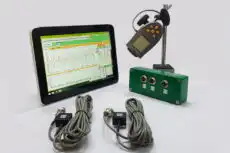
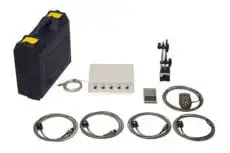
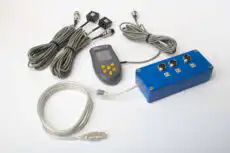
క్షేత్రంలో ఇది ఒక ప్రామాణిక ద్వి-తలం బ్యాలెన్సింగ్ పని. Balanset-1A వంటి పోర్టబుల్ రెండు-ఛానల్ పరికరం Balanset-1A రెండు బేరింగులలో amplitude మరియు phase కొలుస్తుంది, రోటర్ యొక్క ప్రభావ గుణాంకాలను నిర్ధారిస్తుంది, మరియు ప్రతి తలం కోసం ద్రవ్యరాశి మరియు కోణాన్ని గణిస్తుంది — తర్వాత అవసరమైన ISO 21940-11 గ్రేడ్ను అవశేష అసమతుల్యత తీర్చిందని ధృవీకరిస్తుంది. ఒక విశ్లేషకుడు phase రీడింగుల ద్వారా పరిస్థితిని క్వాసీ-స్టాటిక్గా గుర్తించవచ్చు, కానీ ఆచరణాత్మక దిద్దుబాటు అనేది ఏ డైనమిక్ అసమతుల్యతకైనా ఉపయోగించే అదే నిరూపితమైన రెండు-తలం రొటీన్.
5. తేడా ఎందుకు ముఖ్యమైనది
క్షేత్రంలో సాధారణంగా అదే ద్వి-సమతల పని చేయాల్సి వస్తే, ఈ పరిస్థితికి పేరు పెట్టడం ఎందుకు? ఎందుకంటే క్వాసి-స్టాటిక్ నమూనాను గుర్తించడం సహాయపడుతుంది అవగాహన — మరియు అది సరైన అక్షసంబంధ సమతలం అందుబాటులో ఉన్నప్పుడు ఆ సమతలంలో ఒకే సవరణ సరిపోతుంది కాబట్టి, ఈ ప్రక్రియను మరింత సరళతరం చేయగలదు కూడా. దశ సంబంధం ఇంజనీర్కు ఒకే వేలాడే భారీ మచ్చ — రెండు స్వతంత్రమైనవి కాకుండా — అవకాశమున్న భౌతిక కారణమని తెలియజేస్తుంది, ఇది మూలాన్ని ఎక్కడ వెతకాలో మార్గనిర్దేశం చేస్తుంది: దెబ్బతిన్న బ్లేడ్, పేరుకుపోయిన ఉత్పత్తి, లేదా వేలాడే డిస్క్పై అసెంబ్లీ లోపం. ఆ అంతర్దృష్టి జాగ్రత్తగా దశ వివరణ యొక్క విస్తృత విలువలో భాగం రోటర్ డైనమిక్స్.

