ਘੁੰਮਣ ਵਾਲੀ ਮਸ਼ੀਨਰੀ ਵਿੱਚ ਸੈਂਟਰੀਫਿਊਗਲ ਫੋਰਸ (ਕੇਂਦਰ-ਅਪਗਾਮੀ ਬਲ) ਨੂੰ ਸਮਝਣਾ
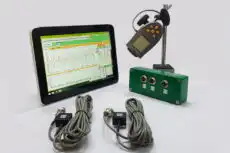
ਪੋਰਟੇਬਲ ਬੈਲੇਂਸਰ & ਵਾਈਬ੍ਰੇਸ਼ਨ ਐਨਾਲਾਈਜ਼ਰ Balanset-1A
Balanset-1A ਇੱਕ ਪੋਰਟੇਬਲ, USB-ਸੰਚਾਲਿਤ ਵਾਈਬ੍ਰੇਸ਼ਨ ਵਿਸ਼ਲੇਸ਼ਕ ਅਤੇ ਬੈਲੇਂਸਰ ਹੈ ਜੋ ਰੋਟਰਾਂ ਨੂੰ ਉਹਨਾਂ ਦੇ ਆਪਣੇ ਬੇਅਰਿੰਗਾਂ ਵਿੱਚ ਹੀ ਸਿੰਗਲ-ਪਲੇਨ ਅਤੇ ਟੂ-ਪਲੇਨ ਬੈਲੇਂਸਿੰਗ ਲਈ ਵਰਤਿਆ ਜਾਂਦਾ ਹੈ। ਫੁੱਲ ਕਿੱਟ ਵਿੱਚ ਇੰਟਰਫੇਸ ਯੂਨਿਟ, ਦੋ ਵਾਈਬ੍ਰੇਸ਼ਨ ਸੈਂਸਰ, ਆਪਟੀਕਲ ਲੇਜ਼ਰ ਟੈਕੋਮੀਟਰ, ਰਿਫਲੈਕਟਿਵ ਟੇਪ, USB ਡਰਾਈਵ ਉੱਤੇ Windows ਬੈਲੇਂਸਿੰਗ ਸਾਫਟਵੇਅਰ, ਮੈਗਨੈਟਿਕ ਸਟੈਂਡ, ਡਿਜੀਟਲ ਸਕੇਲ ਅਤੇ ਟਰਾਂਸਪੋਰਟ ਕੇਸ ਸ਼ਾਮਲ ਹਨ। ਖਾਲੀ USB ਪੋਰਟ ਵਾਲੇ ਅਨੁਕੂਲ Windows ਕੰਪਿਊਟਰ ਦੀ ਲੋੜ ਹੈ; ਕੰਪਿਊਟਰ…
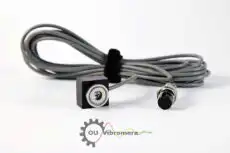
ਵਾਈਬ੍ਰੇਸ਼ਨ ਸੈਂਸਰ
Balanset ਬੈਲੈਂਸਿੰਗ ਉਪਕਰਨਾਂ ਲਈ ਵਾਈਬ੍ਰੇਸ਼ਨ ਸੈਂਸਰ, ਜੋ ADXL335 ਐਕਸੀਲਰੋਮੀਟਰ 'ਤੇ ਆਧਾਰਿਤ ਹੈ। ਰੋਟਰ ਬੈਲੈਂਸਿੰਗ ਅਤੇ ਵਿਸ਼ਲੇਸ਼ਣ ਦੌਰਾਨ ਵਾਈਬ੍ਰੇਸ਼ਨ ਮਾਪਣ ਲਈ ਇਹ ਮਿਆਰੀ ਤੌਰ 'ਤੇ 5 ਮੀਟਰ ਕੇਬਲ ਨਾਲ ਸਪਲਾਈ ਕੀਤਾ ਜਾਂਦਾ ਹੈ। 10 ਮੀਟਰ ਕੇਬਲ ਦਾ ਵਿਕਲਪ ਉਪਲਬਧ ਹੈ।
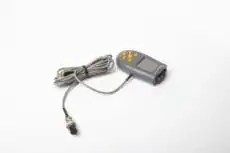
ਆਪਟੀਕਲ ਸੈਂਸਰ (ਲੇਜ਼ਰ ਟੈਕੋਮੀਟਰ)
ਸੋਧੇ ਹੋਏ HS2234 ਟੈਕੋਮੀਟਰ 'ਤੇ ਆਧਾਰਿਤ ਬالانਸੈੱਟ (Balanset) ਸੰਤੁਲਨ ਯੰਤਰਾਂ ਲਈ ਆਪਟੀਕਲ ਲੇਜ਼ਰ ਸੈਂਸਰ। ਰੋਟਰ 'ਤੇ ਰਿਫਲੈਕਟਿਵ ਨਿਸ਼ਾਨ ਦੀ ਵਰਤੋਂ ਕਰਕੇ ਬਿਨਾਂ ਸੰਪਰਕ ਦੇ ਰੋਟੇਸ਼ਨਲ ਸਪੀਡ ਨੂੰ ਮਾਪਦਾ ਹੈ। ਮਿਆਰੀ ਤੌਰ 'ਤੇ 5 ਮੀਟਰ ਕੇਬਲ ਨਾਲ ਸਪਲਾਈ ਕੀਤਾ ਜਾਂਦਾ ਹੈ; 10 ਮੀਟਰ ਕੇਬਲ ਦਾ ਵਿਕਲਪ ਉਪਲਬਧ ਹੈ।.
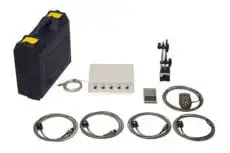
Balanset-4
Balanset-4 ਇੱਕ ਚਾਰ-ਚੈਨਲ ਵਾਈਬ੍ਰੇਸ਼ਨ ਵਿਸ਼ਲੇਸ਼ਕ ਅਤੇ ਸੰਤੁਲਨ ਪ੍ਰਣਾਲੀ ਹੈ ਜੋ ਇੱਕ ਤੋਂ ਚਾਰ ਪਲੇਨਾਂ ਵਿੱਚ ਸੁਧਾਰ ਲਈ ਵਰਤੀ ਜਾਂਦੀ ਹੈ। ਇਹ ਕਾਰਡਨ ਸ਼ਾਫਟਾਂ ਅਤੇ ਚਾਰ ਬੇਅਰਿੰਗਾਂ 'ਤੇ ਸਹਾਰੇ ਰੋਟਰਾਂ ਲਈ ਡਿਜ਼ਾਈਨ ਕੀਤੀ ਗਈ ਹੈ, ਅਤੇ ਇਹ ਬੈਲੈਂਸਿੰਗ ਮਸ਼ੀਨ ਲਈ ਮਾਪਣ ਪ੍ਰਣਾਲੀ ਵਜੋਂ ਵੀ ਕੰਮ ਕਰ ਸਕਦੀ ਹੈ। ਕਿਟ ਵਿੱਚ ਚਾਰ ਵਾਈਬ੍ਰੇਸ਼ਨ ਸੈਂਸਰ, ਇੱਕ ਆਪਟੀਕਲ ਲੇਜ਼ਰ ਟੈਕੋਮੀਟਰ, USB ਇੰਟਰਫੇਸ, ਸੌਫਟਵੇਅਰ, ਚੁੰਬਕੀ ਸਟੈਂਡ, ਸਕੇਲ ਅਤੇ ਟਰਾਂਸਪੋਰਟ ਕੇਸ ਸ਼ਾਮਲ ਹਨ।
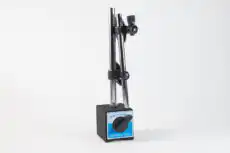
ਮੈਗਨੈਟਿਕ ਸਟੈਂਡ Insize-60-kgf
Balanset ਬੈਲੈਂਸਿੰਗ ਕਿੱਟਾਂ ਵਿੱਚ ਲੇਜ਼ਰ RPM ਸੈਂਸਰ ਦੀ ਸਥਿਤੀ ਲਈ ਵਿਵਸਥਿਤ ਕਰਨ ਯੋਗ ਚੁੰਬਕੀ ਸਟੈਂਡ। ਸਵਿੱਚ ਕਰਨ ਯੋਗ ਚੁੰਬਕੀ ਬੇਸ ਉਚਿਤ ਫੈਰੋਮੈਗਨੈਟਿਕ ਸਤਹਾਂ 'ਤੇ 60 kgf ਤੱਕ ਦੀ ਰੋਕਣ ਵਾਲੀ ਤਾਕਤ ਪ੍ਰਦਾਨ ਕਰਦਾ ਹੈ। ਵਿਵਸਥਿਤ ਕਰਨ ਯੋਗ ਬਾਂਹਾਂ ਅਤੇ ਜੋੜ ਸੈਂਸਰ ਨੂੰ ਰੋਟਰ 'ਤੇ ਮੌਜੂਦ ਪ੍ਰਤਿਬਿੰਬਿਤ ਨਿਸ਼ਾਨ ਨਾਲ ਸਹੀ ਤਰੀਕੇ ਨਾਲ ਮਿਲਾਉਣ ਵਿੱਚ ਮਦਦ ਕਰਦੇ ਹਨ।

ਰਿਫਲੈਕਟਿਵ ਟੇਪ
Balanset ਬੈਲੈਂਸਿੰਗ ਕਿੱਟਾਂ ਵਿੱਚ ਆਪਟੀਕਲ ਲੇਜ਼ਰ ਟੈਕੋਮੀਟਰ ਲਈ ਚਾਂਦੀ ਰੰਗ ਦੀ ਸਵੈ-ਚਿਪਕਣ ਵਾਲੀ ਪ੍ਰਤਿਬਿੰਬੀ ਟੇਪ। ਘੁੰਮਣ ਵਾਲੀ ਗਤੀ ਮਾਪਣ ਲਈ ਰੋਟਰ 'ਤੇ ਇੱਕ ਛੋਟਾ ਟੁਕੜਾ ਲਗਾਓ ਤਾਂ ਜੋ ਪ੍ਰਤਿਬਿੰਬੀ ਸੰਦਰਭ ਨਿਸ਼ਾਨ ਮਿਲ ਸਕੇ। ਕਈ ਸੈਟਅਪਾਂ ਲਈ 1 ਮੀਟਰ ਲੰਬਾਈ ਵਿੱਚ ਮੁਹੱਈਆ ਕੀਤਾ ਗਿਆ।
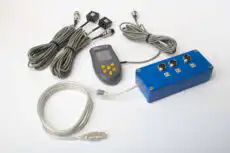
ਡਾਇਨਾਮਿਕ ਬੈਲੇਂਸਰ “Balanset-1A” OEM
Balanset-1A OEM ਰੋਟਰ ਦੀ ਸਿੰਗਲ-ਪਲੇਨ ਅਤੇ ਟੂ-ਪਲੇਨ ਬੈਲੇਂਸਿੰਗ ਅਤੇ ਵਾਈਬ੍ਰੇਸ਼ਨ ਵਿਸ਼ਲੇਸ਼ਣ ਲਈ ਮੁੱਖ ਮਾਪ ਕਿੱਟ ਹੈ। ਇਸ ਵਿੱਚ USB ਇੰਟਰਫੇਸ ਯੂਨਿਟ, ਦੋ ਵਾਈਬ੍ਰੇਸ਼ਨ ਸੈਂਸਰ, ਆਪਟੀਕਲ ਲੇਜ਼ਰ ਟੈਕੋਮੀਟਰ, ਰਿਫਲੈਕਟਿਵ ਟੇਪ ਅਤੇ USB ਡਰਾਈਵ ਉੱਤੇ Windows ਬੈਲੇਂਸਿੰਗ ਸਾਫਟਵੇਅਰ ਸ਼ਾਮਲ ਹਨ। ਫੁੱਲ ਕਿੱਟ ਦੇ ਮੁਕਾਬਲੇ, ਮੈਗਨੈਟਿਕ ਸਟੈਂਡ, ਡਿਜੀਟਲ ਸਕੇਲ ਅਤੇ ਟਰਾਂਸਪੋਰਟ ਕੇਸ ਸ਼ਾਮਲ ਨਹੀਂ ਹਨ। ਅਨੁਕੂਲ Windows ਕੰਪਿਊਟਰ ਦੀ ਲੋੜ ਹੈ…
ਸੈਂਟਰੀਫਿਊਗਲ ਫੋਰਸ (ਕੇਂਦਰ-ਅਪਗਾਮੀ ਬਲ) ਗੋਲਾਕਾਰ ਮਾਰਗ ਵਿੱਚ ਗਤੀਸ਼ੀਲ ਕਿਸੇ ਪੁੰਜ ਦੁਆਰਾ ਅਨੁਭਵ ਕੀਤਾ ਗਿਆ ਪ੍ਰਤੱਖ ਬਾਹਰੀ ਬਲ ਹੈ। ਘੁੰਮਣ ਵਾਲੀ ਮਸ਼ੀਨਰੀ ਵਿੱਚ ਇਹ ਜ਼ਿਆਦਾਤਰ ਵਾਈਬ੍ਰੇਸ਼ਨ: ਜਦੋਂ ਇੱਕ ਰੋਟਰ ਵਿੱਚ ਹੁੰਦਾ ਹੈ ਅਸੰਤੁਲਨ — ਇਸ ਦਾ ਪੁੰਜ ਕੇਂਦਰ ਘੁੰਮਣ ਧੁਰੇ ਤੋਂ ਹਟਿਆ ਹੋਇਆ — ਇਹ ਸਨਕੀ (eccentric) ਪੁੰਜ ਇੱਕ ਅਜਿਹਾ ਬਲ ਪੈਦਾ ਕਰਦਾ ਹੈ ਜੋ ਭਾਰੇ ਸਥਾਨ ਵੱਲ ਰੇਡੀਏਲੀ ਬਾਹਰ ਵੱਲ ਇਸ਼ਾਰਾ ਕਰਦਾ ਹੈ ਅਤੇ ਸ਼ਾਫਟ ਸਪੀਡ 'ਤੇ ਘੁੰਮਦਾ ਹੈ। ਇਹ ਘੁੰਮਦਾ ਬਲ ਬਿਲਕੁਲ ਉਹੀ ਹੈ ਜਿਸ ਨੂੰ ਬੈਲੇਂਸਿੰਗ ਘੱਟ ਕਰਨ ਲਈ ਮੌਜੂਦ ਹੈ, ਅਤੇ ਇਸ ਦੀ ਮਾਤਰਾ ਅਤੇ ਵਿਵਹਾਰ ਨੂੰ ਸਮਝਣਾ ਰੋਟਰ ਡਾਇਨਾਮਿਕਸ ਅਤੇ ਵਾਈਬ੍ਰੇਸ਼ਨ ਵਿਸ਼ਲੇਸ਼ਣ ਲਈ ਬੁਨਿਆਦੀ ਹੈ।
1. ਗਣਿਤਕ ਸਮੀਕਰਨ
ਮੂਲ ਫਾਰਮੂਲਾ
ਸਨਕੀ ਪੁੰਜ ਤੋਂ ਸੈਂਟਰੀਫਿਊਗਲ ਬਲ ਦੀ ਮਾਤਰਾ ਹੈ:
- F = m × r × ω²
- F = ਸੈਂਟਰੀਫਿਊਗਲ ਬਲ (ਨਿਊਟਨ)
- m = ਅਸੰਤੁਲਨ ਪੁੰਜ (ਕਿਲੋਗ੍ਰਾਮ)
- r = ਪੁੰਜ ਸਨਕੀਪੁਣੇ ਦਾ ਘੇਰਾ (ਮੀਟਰ)
- ω = ਕੋਣੀ ਵੇਗ (ਰੇਡੀਅਨ ਪ੍ਰਤੀ ਸਕਿੰਟ) = 2π × RPM / 60
RPM ਅਤੇ g·mm ਵਰਤਦਿਆਂ ਵਿਕਲਪਿਕ ਰੂਪ
ਰੋਜ਼ਾਨਾ ਬੈਲੇਂਸਿੰਗ ਕੰਮ ਲਈ, ਜਿੱਥੇ ਅਸੰਤੁਲਨ ਗ੍ਰਾਮ-ਮਿਲੀਮੀਟਰਾਂ ਵਿੱਚ ਦਿੱਤਾ ਜਾਂਦਾ ਹੈ, ਉਹੀ ਭੌਤਿਕ ਵਿਗਿਆਨ ਵਧੇਰੇ ਸੁਵਿਧਾਜਨਕ ਢੰਗ ਨਾਲ ਇਸ ਤਰ੍ਹਾਂ ਲਿਖਿਆ ਜਾਂਦਾ ਹੈ:
- F (N) = U × (RPM / 9549)²
- ਜਿੱਥੇ U = ਅਸੰਤੁਲਨ (g·mm) = m × r
- ਇਹ ਰੂਪ ਬਿਨਾਂ ਯੂਨਿਟ ਦੀ ਗੜਬੜ ਕੀਤੇ ਸਿੱਧੇ ਹੀ ਬੈਲੇਂਸਿੰਗ ਵਿਸ਼ੇਸ਼ਤਾਵਾਂ ਵਿੱਚ ਫਿੱਟ ਬੈਠਦਾ ਹੈ।
ਜੇ ਤੁਸੀਂ ਹੱਥ ਨਾਲ ਗਣਨਾ ਨਹੀਂ ਕਰਨਾ ਚਾਹੁੰਦੇ, ਤਾਂ ਅਸੰਤੁਲਨ ਤੋਂ ਕੇਂਦਰੀ ਬਲ ਕੈਲਕੁਲੇਟਰ ਅਸੰਤੁਲਨ ਮੁੱਲ ਅਤੇ ਸਪੀਡ ਤੋਂ ਸਿੱਧਾ ਬਲ ਵਾਪਸ ਦਿੰਦਾ ਹੈ।
ਸਪੀਡ-ਵਰਗ ਸੰਬੰਧ
ਸੈਂਟਰੀਫਿਊਗਲ ਬਲ ਦੀ ਸਭ ਤੋਂ ਮਹੱਤਵਪੂਰਨ ਵਿਸ਼ੇਸ਼ਤਾ ਇਹ ਹੈ ਕਿ ਇਹ ਵਰਗ ਘੁੰਮਣ ਸਪੀਡ ਦੇ ਅਨੁਸਾਰ ਬਦਲਦਾ ਹੈ:
- ਸਪੀਡ ਦੁੱਗਣੀ ਕਰਨ ਨਾਲ ਬਲ ਚਾਰ ਗੁਣਾ ਹੋ ਜਾਂਦਾ ਹੈ (2² = 4)।
- ਸਪੀਡ ਤਿੰਨ ਗੁਣਾ ਕਰਨ ਨਾਲ ਇਹ ਨੌਂ ਗੁਣਾ ਹੋ ਜਾਂਦਾ ਹੈ (3² = 9)।
- ਇਹ ਕੁਆਡ੍ਰੈਟਿਕ ਨਿਯਮ ਹੀ ਕਾਰਨ ਹੈ ਕਿ ਘੱਟ ਸਪੀਡ 'ਤੇ ਨੁਕਸਾਨਦਾਇਕ ਨਾ ਲੱਗਣ ਵਾਲਾ ਅਸੰਤੁਲਨ ਉੱਚ ਸਪੀਡ 'ਤੇ ਖ਼ਤਰਨਾਕ ਬਣ ਜਾਂਦਾ ਹੈ — ਅਤੇ ਇਹੀ ਕਾਰਨ ਹੈ ਕਿ ਉੱਚ-ਸਪੀਡ ਮਸ਼ੀਨਾਂ ਨੂੰ ਬਹੁਤ ਸਖ਼ਤ ਬੈਲੇਂਸ ਦੀ ਲੋੜ ਹੁੰਦੀ ਹੈ।
2. ਸੈਂਟਰੀਫਿਊਗਲ ਬਲ ਵਾਈਬ੍ਰੇਸ਼ਨ ਕਿਵੇਂ ਪੈਦਾ ਕਰਦਾ ਹੈ
ਘੁੰਮਦਾ ਬਲ ਆਪਣੇ ਆਪ ਮਸ਼ੀਨ ਨੂੰ ਵਾਈਬ੍ਰੇਟ ਨਹੀਂ ਕਰਦਾ; ਇਹ ਇੱਕ ਲਚਕੀਲੇ ਢਾਂਚੇ ਨੂੰ ਉਤੇਜਿਤ ਕਰਕੇ ਅਜਿਹਾ ਕਰਦਾ ਹੈ। ਕਾਰਨ ਅਤੇ ਪ੍ਰਭਾਵ ਦੀ ਲੜੀ ਇਸ ਤਰ੍ਹਾਂ ਚੱਲਦੀ ਹੈ:
- ਘੁੰਮਦਾ ਸੈਂਟਰੀਫਿਊਗਲ ਬਲ ਰੋਟਰ 'ਤੇ ਕੰਮ ਕਰਦਾ ਹੈ।
- ਇਹ ਸ਼ਾਫਟ ਰਾਹੀਂ ਬੇਅਰਿੰਗਾਂ ਅਤੇ ਸਹਾਰਿਆਂ ਤੱਕ ਪਹੁੰਚਾਇਆ ਜਾਂਦਾ ਹੈ।
- ਲਚਕੀਲਾ ਰੋਟਰ-ਬੇਅਰਿੰਗ-ਫਾਊਂਡੇਸ਼ਨ ਸਿਸਟਮ ਵਿਚਲਨ (deflecting) ਕਰਕੇ ਪ੍ਰਤੀਕਿਰਿਆ ਦਿੰਦਾ ਹੈ।
- ਉਹ ਵਿਚਲਨ ਹੀ ਹੈ ਜਿਸ ਨੂੰ ਸੈਂਸਰ ਬੇਅਰਿੰਗਾਂ 'ਤੇ ਵਾਈਬ੍ਰੇਸ਼ਨ ਵਜੋਂ ਪੜ੍ਹਦਾ ਹੈ।
- ਬਲ ਅਤੇ ਮਾਪੀ ਗਈ ਵਾਈਬ੍ਰੇਸ਼ਨ ਵਿਚਕਾਰ ਅਨੁਪਾਤ ਸਿਸਟਮ ਦੇ ’ਤੇ ਨਿਰਭਰ ਕਰਦਾ ਹੈ ਕਠੋਰਤਾ (stiffness) ਅਤੇ ਡੈਂਪਿੰਗ.
ਰੈਜ਼ੋਨੈਂਸ ਤੋਂ ਹੇਠਾਂ — ਰਿਜਿਡ-ਰੋਟਰ ਸੰਚਾਲਨ
- ਵਾਈਬ੍ਰੇਸ਼ਨ ਲਾਗੂ ਕੀਤੇ ਬਲ ਦੇ ਲਗਭਗ ਅਨੁਪਾਤੀ ਹੁੰਦੀ ਹੈ।
- ਕਿਉਂਕਿ ਬਲ ∝ ਸਪੀਡ², ਇਸ ਲਈ ਵਾਈਬ੍ਰੇਸ਼ਨ ਵੀ ∝ ਸਪੀਡ² ਹੁੰਦੀ ਹੈ।
- ਇਸ ਲਈ ਸਪੀਡ ਦੁੱਗਣੀ ਕਰਨ ਨਾਲ ਵਾਈਬ੍ਰੇਸ਼ਨ ਐਂਪਲੀਟਿਊਡ ਲਗਭਗ ਚਾਰ ਗੁਣਾ ਹੋ ਜਾਂਦੀ ਹੈ।
ਗੂੰਜ (ਰੈਜ਼ੋਨੈਂਸ) 'ਤੇ
ਜਦੋਂ ਮਸ਼ੀਨ ਇੱਕ ਕ੍ਰਿਟੀਕਲ ਸਪੀਡ, ਤਾਂ ਤਸਵੀਰ ਨਾਟਕੀ ਢੰਗ ਨਾਲ ਬਦਲ ਜਾਂਦੀ ਹੈ:
- ਇੱਥੋਂ ਤੱਕ ਕਿ ਇਸ ਤੋਂ ਬਹੁਤ ਛੋਟਾ ਸੈਂਟਰੀਫਿਊਗਲ ਬਲ ਬਕਾਇਆ ਅਸੰਤੁਲਨ ਵੱਡੀ ਵਾਈਬ੍ਰੇਸ਼ਨ ਪੈਦਾ ਕਰਦਾ ਹੈ।
- ਐਂਪਲੀਫਿਕੇਸ਼ਨ ਫੈਕਟਰ (Q-ਫੈਕਟਰ) ਆਮ ਤੌਰ 'ਤੇ 10–50 ਹੁੰਦਾ ਹੈ, ਜੋ ਜ਼ਿਆਦਾਤਰ ਡੈਂਪਿੰਗ ਦੁਆਰਾ ਨਿਰਧਾਰਤ ਕੀਤਾ ਜਾਂਦਾ ਹੈ।
- ਇਹ ਰੈਜ਼ੋਨੈਂਟ ਮੈਗਨੀਫਿਕੇਸ਼ਨ ਹੀ ਕਾਰਨ ਹੈ ਕਿ ਕ੍ਰਿਟੀਕਲ ਸਪੀਡ 'ਤੇ ਲਗਾਤਾਰ ਸੰਚਾਲਨ ਇੰਨਾ ਵਿਨਾਸ਼ਕਾਰੀ ਹੁੰਦਾ ਹੈ।
3. ਹੱਲ ਕੀਤੇ ਗਏ ਉਦਾਹਰਨ
ਉਦਾਹਰਨ 1 — ਛੋਟਾ ਫੈਨ ਇੰਪੈਲਰ
- ਅਸੰਤੁਲਨ: 100 mm ਘੇਰੇ 'ਤੇ 10 g = 1000 g·mm
- ਗਤੀ: 1500 RPM
- ਬਲ: F = 1000 × (1500 / 9549)² ≈ 24.7 N (ਲਗਭਗ 2.5 kgf)
ਉਦਾਹਰਨ 2 — ਉਹੀ ਇੰਪੈਲਰ, ਦੁੱਗਣੀ ਸਪੀਡ
- ਅਸੰਤੁਲਨ: ਉਹੀ 1000 g·mm
- ਗਤੀ: 3000 RPM (ਦੁੱਗਣਾ)
- ਬਲ: F = 1000 × (3000 / 9549)² ≈ 98.7 N (ਲਗਭਗ 10.1 kgf)
- ਸਬਕ: ਸਪੀਡ ਦੁੱਗਣੀ ਕਰਨ ਨਾਲ ਬਲ ਚਾਰ ਗੁਣਾ ਹੋ ਗਿਆ — ਸਪੀਡ-ਵਰਗ ਨਿਯਮ ਅਮਲ ਵਿੱਚ।
ਉਦਾਹਰਨ 3 — ਵੱਡਾ ਟਰਬਾਈਨ ਰੋਟਰ
- ਰੋਟਰ ਪੁੰਜ: 5000 ਕਿਲੋਗ੍ਰਾਮ
- ਗਤੀ: 3600 RPM
- G2.5 'ਤੇ ਮਨਜ਼ੂਰਸ਼ੁਦਾ ਅਸੰਤੁਲਨ: eper = 9549 × 2.5 / 3600 ≈ 6.63 g·mm/kg, ਇਸ ਲਈ U = 6.63 × 5000 ≈ 33,150 g·mm
- ਬਲ: F = 33,150 × (3600 / 9549)² ≈ 4,700 N (ਲਗਭਗ 480 kgf)
- ਪ੍ਰਭਾਵ: ਇੱਕ “ਚੰਗੀ ਤਰ੍ਹਾਂ ਸੰਤੁਲਿਤ” ਰੋਟਰ ਵੀ ਗਤੀ ਵਿੱਚ ਕਾਫ਼ੀ ਘੁੰਮਣ ਸ਼ਕਤੀਆਂ (rotating forces) ਪੈਦਾ ਕਰਦਾ ਹੈ — ਇੱਥੇ ਲਗਭਗ ਅੱਧਾ ਟਨ-ਫੋਰਸ — ਜਿਸ ਕਰਕੇ ਬਾਕੀ ਬਚੀ ਸਹਿਣਸ਼ੀਲਤਾ (residual tolerance) ਅੱਜ ਵੀ ਮਾਇਨੇ ਰੱਖਦੀ ਹੈ।
4. ਸੰਤੁਲਨ ਵਿੱਚ ਸੈਂਟਰਿਫਿਊਗਲ ਫੋਰਸ
ਅਸੰਤੁਲਨ ਬਲ ਇੱਕ ਵੈਕਟਰ ਹੈ
- ਮਾਤਰਾ: ਅਸੰਤੁਲਨ ਅਤੇ ਸਪੀਡ ਦੁਆਰਾ ਨਿਰਧਾਰਤ (F = m × r × ω²)।
- ਦਿਸ਼ਾ: ਭਾਰੀ ਸਥਾਨ (heavy spot) ਵੱਲ, ਰੇਡੀਅਲੀ ਬਾਹਰ ਵੱਲ।
- ਘੁੰਮਣ: ਵੈਕਟਰ ਸ਼ਾਫਟ ਸਪੀਡ 'ਤੇ ਘੁੰਮਦਾ ਹੈ — 1× ਚੱਲਣ-ਗਤੀ ਕੰਪੋਨੈਂਟ।
- ਫੇਜ਼ (ਪ੍ਰਾਵਸਥਾ): ਕਿਸੇ ਵੀ ਪਲ 'ਤੇ ਬਲ ਦੀ ਕੋਣੀ ਸਥਿਤੀ, ਜਿਸ ਨੂੰ ਇੱਕ ਟੈਕੋਮੀਟਰ ਸੰਦਰਭ ਵਿਸ਼ਲੇਸ਼ਕ (analyser) ਨੂੰ ਮਾਪਣ ਦਿੰਦਾ ਹੈ।
ਸੰਤੁਲਨ ਦਾ ਸਿਧਾਂਤ
ਸੰਤੁਲਨ ਇੱਕ ਬਰਾਬਰ ਅਤੇ ਉਲਟ ਸੈਂਟਰਿਫਿਊਗਲ ਫੋਰਸ ਬਣਾ ਕੇ ਕੰਮ ਕਰਦਾ ਹੈ:
- A ਸੁਧਾਰ ਵਜ਼ਨ ਭਾਰੀ ਸਥਾਨ ਤੋਂ 180° 'ਤੇ ਰੱਖਿਆ ਜਾਂਦਾ ਹੈ।
- ਇਹ ਮਾਪ ਵਿੱਚ ਬਰਾਬਰ ਅਤੇ ਦਿਸ਼ਾ ਵਿੱਚ ਉਲਟ ਬਲ ਬਣਾਉਂਦਾ ਹੈ।
- ਵੈਕਟਰ ਜੋੜ ਮੂਲ ਅਤੇ ਸੁਧਾਰ ਬਲਾਂ ਦਾ, ਜ਼ੀਰੋ ਦੇ ਨੇੜੇ ਪਹੁੰਚਦਾ ਹੈ।
- ਸ਼ੁੱਧ ਘੁੰਮਣ ਵਾਲੇ ਬਲ ਦੇ ਘੱਟ ਹੋਣ ਨਾਲ, ਵਾਈਬ੍ਰੇਸ਼ਨ ਘੱਟ ਜਾਂਦੀ ਹੈ।
ਦੋ-ਪਲੇਨ ਕੰਮ
ਲਈ ਦੋ-ਤਲ ਬੈਲੇਂਸਿੰਗ, ਹਰੇਕ ਪਲੇਨ ਵਿੱਚ ਸੈਂਟਰਿਫਿਊਗਲ ਫੋਰਸ ਇੱਕ ਸ਼ੁੱਧ ਬਲ ਅਤੇ ਇੱਕ ਕਪਲ ਪੈਦਾ ਕਰਦੇ ਹਨ। ਸੁਧਾਰ ਵਜ਼ਨਾਂ ਨੂੰ ਬਲ ਅਸੰਤੁਲਨ ਅਤੇ ਜੋੜੇ (couple) ਦੋਵਾਂ ਨੂੰ ਰੱਦ ਕਰਨਾ ਚਾਹੀਦਾ ਹੈ, ਅਤੇ ਸ਼ੁੱਧ ਪ੍ਰਭਾਵ ਦੋਵਾਂ ਪਲੇਨਾਂ ਦੇ ਯੋਗਦਾਨਾਂ ਨੂੰ ਵੈਕਟਰ ਵਜੋਂ ਜੋੜ ਕੇ ਲੱਭਿਆ ਜਾਂਦਾ ਹੈ। ਫੀਲਡ ਵਿੱਚ ਇਹ ਪੂਰੀ ਵੈਕਟਰ ਗਣਨਾ ਇੱਕ ਪੋਰਟੇਬਲ ਦੋ-ਚੈਨਲ ਯੰਤਰ ਦੁਆਰਾ ਸੰਭਾਲੀ ਜਾਂਦੀ ਹੈ ਜਿਵੇਂ ਕਿ Balanset-1A, ਜੋ 1× ਐਂਪਲੀਟਿਊਡ ਅਤੇ ਫੇਜ਼ ਨੂੰ ਮਾਪਦਾ ਹੈ, ਰੋਟਰ ਦੇ ਪ੍ਰਭਾਵ ਗੁਣਾਂਕ ਨੂੰ ਲੱਭਦਾ ਹੈ, ਅਤੇ ਮਸ਼ੀਨ ਦੇ ਆਪਣੇ ਬੇਅਰਿੰਗਾਂ ਵਿੱਚ ਸੰਚਾਲਨ ਸਪੀਡ 'ਤੇ ਹਰੇਕ ਸੁਧਾਰ ਵਜ਼ਨ ਦੇ ਪੁੰਜ ਅਤੇ ਕੋਣ ਦੀ ਗਣਨਾ ਕਰਦਾ ਹੈ।
5. ਬੇਅਰਿੰਗ ਲੋਡ ਦੇ ਪ੍ਰਭਾਵ
ਸਟੈਟਿਕ ਬਨਾਮ ਡਾਇਨਾਮਿਕ ਲੋਡ
- ਸਟੈਟਿਕ ਲੋਡ: ਰੋਟਰ ਦੇ ਭਾਰ (ਗ੍ਰੈਵਿਟੀ) ਤੋਂ ਸਥਿਰ ਬੇਅਰਿੰਗ ਲੋਡ।
- ਡਾਇਨਾਮਿਕ ਲੋਡ: ਅਸੰਤੁਲਨ ਸੈਂਟਰਿਫਿਊਗਲ ਫੋਰਸ ਤੋਂ ਘੁੰਮਣ ਵਾਲਾ ਲੋਡ।
- ਕੁੱਲ ਲੋਡ: ਵੈਕਟਰ ਜੋੜ, ਜੋ ਰੋਟਰ ਦੇ ਘੁੰਮਣ ਦੇ ਨਾਲ ਪਰਿਧੀ ਦੇ ਆਲੇ-ਦੁਆਲੇ ਬਦਲਦਾ ਹੈ।
- ਵੱਧ ਤੋਂ ਵੱਧ ਲੋਡ: ਉਦੋਂ ਹੁੰਦਾ ਹੈ ਜਦੋਂ ਸਟੈਟਿਕ ਅਤੇ ਡਾਇਨਾਮਿਕ ਲੋਡ ਪਲ ਭਰ ਲਈ ਇਕਸਾਰ ਹੁੰਦੇ ਹਨ।
ਬੇਅਰਿੰਗ ਲਾਈਫ 'ਤੇ ਪ੍ਰਭਾਵ
- ਰੋਲਿੰਗ-ਬੇਅਰਿੰਗ ਲਾਈਫ ਲੋਡ ਦੇ ਘਣ ਦੇ ਉਲਟ ਅਨੁਪਾਤਕ ਹੈ (L10 ∝ 1/P³)।
- ਇਸ ਲਈ ਡਾਇਨਾਮਿਕ ਲੋਡ ਵਿੱਚ ਮਾਮੂਲੀ ਵਾਧਾ ਵੀ ਲਾਈਫ ਨੂੰ ਅਸਮਾਨ ਰੂਪ ਵਿੱਚ ਘਟਾ ਦਿੰਦਾ ਹੈ।
- ਅਸੰਤੁਲਨ ਤੋਂ ਸੈਂਟਰਿਫਿਊਗਲ ਫੋਰਸ ਸਿੱਧੇ ਤੌਰ 'ਤੇ ਬੇਅਰਿੰਗ ਲੋਡ ਵਿੱਚ ਜੁੜ ਜਾਂਦੀ ਹੈ।
- ਇਸ ਲਈ ਚੰਗੀ ਸੰਤੁਲਨ ਗੁਣਵੱਤਾ ਬੇਅਰਿੰਗ ਦੀ ਲੰਬੀ ਉਮਰ ਲਈ ਜ਼ਰੂਰੀ ਹੈ, ਨਾ ਕਿ ਸਿਰਫ਼ ਆਰਾਮ ਲਈ।
6. ਮਸ਼ੀਨ ਸਪੀਡ ਸ਼੍ਰੇਣੀਆਂ ਵਿੱਚ ਸੈਂਟਰਿਫਿਊਗਲ ਫੋਰਸ
ਘੱਟ-ਸਪੀਡ ਉਪਕਰਨ (~1000 RPM ਤੋਂ ਹੇਠਾਂ)
- ਸੈਂਟਰਿਫਿਊਗਲ ਫੋਰਸਾਂ ਮੁਕਾਬਲਤਨ ਘੱਟ ਹੁੰਦੀਆਂ ਹਨ; ਸਟੈਟਿਕ ਗ੍ਰੈਵਿਟੀ ਲੋਡ ਅਕਸਰ ਹਾਵੀ ਰਹਿੰਦਾ ਹੈ।
- ਢਿੱਲੀਆਂ ਸੰਤੁਲਨ ਸਹਿਣਸ਼ੀਲਤਾਵਾਂ ਸਵੀਕਾਰਯੋਗ ਹਨ, ਅਤੇ ਵੱਡੇ ਸੰਪੂਰਨ ਅਸੰਤੁਲਨਾਂ ਨੂੰ ਬਰਦਾਸ਼ਤ ਕੀਤਾ ਜਾ ਸਕਦਾ ਹੈ।
ਮੱਧ-ਸਪੀਡ ਉਪਕਰਨ (~1000–5000 RPM)
- ਸੈਂਟਰਿਫਿਊਗਲ ਫੋਰਸਾਂ ਮਹੱਤਵਪੂਰਨ ਹਨ ਅਤੇ ਇਹਨਾਂ ਨੂੰ ਪ੍ਰਬੰਧਿਤ ਕਰਨਾ ਜ਼ਰੂਰੀ ਹੈ; ਜ਼ਿਆਦਾਤਰ ਉਦਯੋਗਿਕ ਮਸ਼ੀਨਰੀ ਇੱਥੇ ਰਹਿੰਦੀ ਹੈ।
- ਆਮ ਬੈਲੇਂਸ ਗੁਣਵੱਤਾ ਗ੍ਰੇਡ G2.5 ਤੋਂ G16 ਤੱਕ ਚੱਲਦੇ ਹਨ।
- ਸੰਤੁਲਨ ਬੇਅਰਿੰਗ ਲਾਈਫ ਅਤੇ ਵਾਈਬ੍ਰੇਸ਼ਨ ਕੰਟਰੋਲ ਦੋਵਾਂ ਲਈ ਮਾਇਨੇ ਰੱਖਦਾ ਹੈ।
ਹਾਈ-ਸਪੀਡ ਉਪਕਰਨ (~5000 RPM ਤੋਂ ਉੱਪਰ)
- ਸੈਂਟਰਿਫਿਊਗਲ ਫੋਰਸਾਂ ਸਟੈਟਿਕ ਲੋਡਾਂ 'ਤੇ ਹਾਵੀ ਰਹਿੰਦੀਆਂ ਹਨ।
- ਬਹੁਤ ਸਖ਼ਤ ਸਹਿਣਸ਼ੀਲਤਾਵਾਂ (G0.4 ਤੋਂ G2.5) ਜ਼ਰੂਰੀ ਹਨ।
- ਛੋਟੀਆਂ ਅਸੰਤੁਲਨਾਂ ਵੀ ਬਹੁਤ ਵੱਡੀਆਂ ਤਾਕਤਾਂ ਪੈਦਾ ਕਰਦੀਆਂ ਹਨ, ਇਸ ਲਈ ਸ਼ੁੱਧਤਾ ਵਾਲਾ ਬੈਲੈਂਸਿੰਗ ਬਹੁਤ ਜ਼ਰੂਰੀ ਹੈ।
7. ਕ੍ਰਿਟੀਕਲ ਸਪੀਡਾਂ ਅਤੇ ਲਚਕੀਲੇ ਰੋਟਰ
ਗੂੰਜ 'ਤੇ ਵਿਸਤਾਰ
'ਤੇ, ਕ੍ਰਿਟੀਕਲ ਸਪੀਡ, ਓਹੀ ਸੈਂਟਰੀਫਿਊਗਲ-ਫੋਰਸ ਇਨਪੁੱਟ ਸਿਸਟਮ ਦੇ Q-ਫੈਕਟਰ (ਆਮ ਤੌਰ 'ਤੇ 10–50) ਦੁਆਰਾ ਵਧਾਈ ਜਾਂਦੀ ਹੈ, ਇਸ ਲਈ ਵਾਈਬ੍ਰੇਸ਼ਨ ਐਂਪਲੀਟਿਊਡ ਕ੍ਰਿਟੀਕਲ-ਤੋਂ-ਹੇਠਲੇ ਸੰਚਾਲਨ ਨਾਲੋਂ ਕਿਤੇ ਵੱਧ ਹੋ ਜਾਂਦਾ ਹੈ — ਇਹ ਸਭ ਤੋਂ ਸਪਸ਼ਟ ਪ੍ਰਦਰਸ਼ਨ ਹੈ ਕਿ ਕ੍ਰਿਟੀਕਲ ਸਪੀਡਾਂ ਨੂੰ ਤੇਜ਼ੀ ਨਾਲ ਪਾਰ ਕੀਤਾ ਜਾਣਾ ਚਾਹੀਦਾ ਹੈ ਜਾਂ ਬਚਿਆ ਜਾਣਾ ਚਾਹੀਦਾ ਹੈ।
ਲਚਕੀਲੇ-ਰੋਟਰ ਵਿਹਾਰ
ਲਈ ਲਚਕਦਾਰ ਰੋਟਰ ਕ੍ਰਿਟੀਕਲ ਸਪੀਡ ਤੋਂ ਉੱਪਰ ਚੱਲਦੇ ਹੋਏ:
- ਸ਼ਾਫਟ ਸੈਂਟਰੀਫਿਊਗਲ ਫੋਰਸ ਹੇਠ ਮੁੜਦਾ ਹੈ, ਅਤੇ ਇਹ ਮੋੜ ਹੋਰ ਏਕਸੈਂਟ੍ਰਿਸਿਟੀ ਜੋੜਦਾ ਹੈ।
- ਕ੍ਰਿਟੀਕਲ ਸਪੀਡ ਤੋਂ ਉੱਪਰ ਇੱਕ ਸੈਲਫ-ਸੈਂਟਰਿੰਗ ਪ੍ਰਭਾਵ ਸ਼ੁਰੂ ਹੋ ਜਾਂਦਾ ਹੈ, ਜੋ ਬੇਅਰਿੰਗ ਲੋਡ ਨੂੰ ਘਟਾਉਂਦਾ ਹੈ।
- ਇਸ ਦੇ ਉਲਟ, ਵਾਈਬ੍ਰੇਸ਼ਨ ਅਸਲ ਵਿੱਚ ਕਮੀ ਇੱਕ ਵਾਰ ਜਦੋਂ ਰੋਟਰ ਸੁਰੱਖਿਅਤ ਢੰਗ ਨਾਲ ਆਪਣੀ ਕ੍ਰਿਟੀਕਲ ਸਪੀਡ ਤੋਂ ਉੱਪਰ ਹੋਵੇ।
8. ਬੈਲੈਂਸਿੰਗ ਸਟੈਂਡਰਡਾਂ ਨਾਲ ਸਬੰਧ
ਸੰਤੁਲਨ ਗੁਣਵੱਤਾ ਗ੍ਰੇਡ ਵਿੱਚ ISO 21940-11 ਬਿਲਕੁਲ ਸੈਂਟਰੀਫਿਊਗਲ ਫੋਰਸ ਨੂੰ ਸੀਮਿਤ ਕਰਨ ਲਈ ਮੌਜੂਦ ਹਨ:
- ਘੱਟ G-ਨੰਬਰ ਘੱਟ ਅਸੰਤੁਲਨ ਦੀ ਇਜਾਜ਼ਤ ਦਿੰਦੇ ਹਨ।
- ਇਹ ਕਿਸੇ ਵੀ ਦਿੱਤੀ ਸਪੀਡ 'ਤੇ ਘੁੰਮਣ ਵਾਲੀ ਫੋਰਸ ਨੂੰ ਸੀਮਿਤ ਕਰਦਾ ਹੈ।
- ਇਹ ਸੈਂਟਰੀਫਿਊਗਲ ਫੋਰਸਾਂ ਨੂੰ ਮਸ਼ੀਨ ਦੇ ਸੁਰੱਖਿਅਤ ਡਿਜ਼ਾਈਨ ਦਾਇਰੇ ਦੇ ਅੰਦਰ ਰੱਖਦਾ ਹੈ।
- ਵੱਖ-ਵੱਖ ਉਪਕਰਣ ਕਿਸਮਾਂ ਨੂੰ ਉਸ ਅਨੁਸਾਰ ਵੱਖ-ਵੱਖ ਫੋਰਸ ਸਹਿਣਸ਼ੀਲਤਾਵਾਂ ਦਿੱਤੀਆਂ ਜਾਂਦੀਆਂ ਹਨ।
9. ਫੋਰਸ ਨੂੰ ਮਾਪਣਾ ਅਤੇ ਅੰਦਾਜ਼ਾ ਲਗਾਉਣਾ
ਵਾਈਬ੍ਰੇਸ਼ਨ ਤੋਂ ਬਲ ਤੱਕ
ਫੀਲਡ ਬੈਲੈਂਸਿੰਗ ਵਿੱਚ ਫੋਰਸ ਸਿੱਧੇ ਤੌਰ 'ਤੇ ਨਹੀਂ ਮਾਪੀ ਜਾਂਦੀ, ਪਰ ਇਸਦਾ ਅੰਦਾਜ਼ਾ ਲਗਾਇਆ ਜਾ ਸਕਦਾ ਹੈ: ਸੰਚਾਲਨ ਸਪੀਡ 'ਤੇ ਵਾਈਬ੍ਰੇਸ਼ਨ ਐਂਪਲੀਟਿਊਡ ਪੜ੍ਹੋ, ਰੋਟਰ ਦੇ ਪ੍ਰਭਾਵ ਗੁਣਾਂਕ ਤੋਂ ਸਿਸਟਮ ਦੀ ਸਟਿਫਨੈੱਸ ਦਾ ਅੰਦਾਜ਼ਾ ਲਗਾਓ, ਅਤੇ F ≈ k × ਡਿਫਲੈਕਸ਼ਨ ਦੀ ਗਣਨਾ ਕਰੋ। ਇਹ ਅੰਦਾਜ਼ਾ ਲਗਾਉਣ ਦਾ ਇੱਕ ਲਾਭਦਾਇਕ ਤਰੀਕਾ ਹੈ ਕਿ ਬੇਅਰਿੰਗ ਲੋਡ ਦਾ ਕਿੰਨਾ ਹਿੱਸਾ ਅਸੰਤੁਲਨ ਤੋਂ ਆਉਂਦਾ ਹੈ।
ਅਸੰਤੁਲਨ ਤੋਂ ਬਲ ਤੱਕ
ਜੇਕਰ ਅਸੰਤੁਲਨ ਪਤਾ ਹੋਵੇ, ਤਾਂ ਫੋਰਸ ਸਿੱਧੇ ਤੌਰ 'ਤੇ F = m × r × ω² (ਜਾਂ U ਨੂੰ g·mm ਵਿੱਚ ਲੈ ਕੇ F = U × (RPM / 9549)²) ਤੋਂ ਨਿਕਲਦੀ ਹੈ, ਜੋ ਕਿਸੇ ਵੀ ਅਸੰਤੁਲਨ ਅਤੇ ਸਪੀਡ ਲਈ ਸੰਭਾਵਿਤ ਫੋਰਸ ਦਿੰਦੀ ਹੈ — ਇਹੀ ਡਿਜ਼ਾਈਨ ਜਾਂਚਾਂ ਅਤੇ ਸਹਿਣਸ਼ੀਲਤਾ ਤਸਦੀਕ ਦਾ ਆਧਾਰ ਹੈ।
ਸੈਂਟਰੀਫਿਊਗਲ ਫੋਰਸ ਉਹ ਬੁਨਿਆਦੀ ਵਿਧੀ ਹੈ ਜਿਸ ਰਾਹੀਂ ਘੁੰਮਣ ਵਾਲੀ ਮਸ਼ੀਨਰੀ ਵਿੱਚ ਅਸੰਤੁਲਨ ਵਾਈਬ੍ਰੇਸ਼ਨ ਬਣ ਜਾਂਦਾ ਹੈ। ਸਪੀਡ 'ਤੇ ਇਸਦੀ ਵਰਗਾਤਮਕ ਨਿਰਭਰਤਾ ਹੀ ਉਹ ਕਾਰਨ ਹੈ ਕਿ ਸਪੀਡ ਵਧਣ ਨਾਲ ਬੈਲੈਂਸ ਗੁਣਵੱਤਾ ਹੋਰ ਵੀ ਮਹੱਤਵਪੂਰਨ ਬਣਦੀ ਜਾਂਦੀ ਹੈ, ਅਤੇ ਕਿਉਂ ਇੱਕ ਛੋਟਾ ਜਿਹਾ ਅਸੰਤੁਲਨ ਵੀ ਹਾਈ-ਸਪੀਡ ਉਪਕਰਣਾਂ ਵਿੱਚ ਵੱਡੀਆਂ ਫੋਰਸਾਂ ਅਤੇ ਵਿਨਾਸ਼ਕਾਰੀ ਵਾਈਬ੍ਰੇਸ਼ਨ ਛੱਡ ਸਕਦਾ ਹੈ।

