ਕਪਲ ਅਨਬੈਲੰਸ ਨੂੰ ਸਮਝਣਾ


ਕਪਲ ਅਸੰਤੁਲਨ ਦਾ ਇੱਕ ਖਾਸ ਰੂਪ ਹੈ ਗਤੀਸ਼ੀਲ ਅਸੰਤੁਲਨ ਜਿਸ ਵਿੱਚ ਇੱਕ ਰੋਟਰ ਦੋ ਬਰਾਬਰ ਲੈ ਕੇ ਚੱਲਦਾ ਹੈ ਅਸੰਤੁਲਨ ਭਾਰ 180° ਦੂਰੀ 'ਤੇ ਸਥਿਤ, ਦੋ ਵੱਖ-ਵੱਖ ਸੁਧਾਰ ਪਲੇਨ. ਜਦੋਂ ਰੋਟਰ ਘੁੰਮਦਾ ਹੈ, ਤਾਂ ਇਹ ਦੋਵੇਂ ਵਿਰੋਧੀ ਸੈਂਟਰੀਫਿਊਗਲ ਬਲ ਇੱਕ ਮੋੜਨ ਵਾਲਾ ਮੋਮੈਂਟ ਬਣਾਉਂਦੇ ਹਨ — ਇੱਕ “ਕਪਲ” — ਜੋ ਰੋਟਰ ਨੂੰ ਮਰੋੜਨ ਦੀ ਕੋਸ਼ਿਸ਼ ਕਰਦਾ ਹੈ, ਜਿਸ ਨਾਲ ਇਹ ਆਪਣੇ ਗੁਰੂਤਾ ਕੇਂਦਰ ਦੇ ਦੁਆਲੇ ਸਿਰੇ ਤੋਂ ਸਿਰੇ ਤੱਕ ਹਿੱਲਦਾ ਜਾਂ ਡੋਲਦਾ ਹੈ। ਸ਼ੁੱਧ ਕਪਲ ਅਸੰਤੁਲਨ ਦੀ ਇੱਕ ਪਰਿਭਾਸ਼ਿਤ ਵਿਸ਼ੇਸ਼ਤਾ ਇਹ ਹੈ ਕਿ ਗੁਰੂਤਾ ਕੇਂਦਰ ਅਜੇ ਵੀ ਟਿਕਿਆ ਰਹਿੰਦਾ ਹੈ 'ਤੇ ਘੁੰਮਣ ਦੇ ਧੁਰੇ 'ਤੇ, ਇਸ ਲਈ ਰੋਟਰ ਸਥਿਰ ਰੂਪ ਵਿੱਚ ਸੰਤੁਲਿਤ ਹੁੰਦਾ ਹੈ: ਚਾਕੂ-ਧਾਰ 'ਤੇ ਰੱਖੇ ਜਾਣ 'ਤੇ ਇਹ ਕਿਸੇ ਭਾਰੀ ਸਥਾਨ ਵੱਲ ਨਹੀਂ ਰੁੜ੍ਹੇਗਾ। ਇਸ ਸਥਿਤੀ ਦਾ ਪਤਾ ਸਿਰਫ਼ ਉਦੋਂ ਹੀ ਲਗਾਇਆ ਜਾ ਸਕਦਾ ਹੈ ਜਦੋਂ ਰੋਟਰ ਘੁੰਮ ਰਿਹਾ ਹੋਵੇ, ਅਤੇ ਇਸਨੂੰ ਸਿਰਫ਼ ਦੋ ਵੱਖ-ਵੱਖ ਪਲੇਨਾਂ ਵਿੱਚ ਭਾਰ ਲਗਾ ਕੇ ਹੀ ਠੀਕ ਕੀਤਾ ਜਾ ਸਕਦਾ ਹੈ।
1. ਪਰਿਭਾਸ਼ਾ: ਕਪਲ ਅਨਬੈਲੰਸ ਕੀ ਹੈ?
ਸ਼ਬਦ “ਕਪਲ” ਮਕੈਨਿਕਸ ਤੋਂ ਲਿਆ ਗਿਆ ਹੈ, ਜਿੱਥੇ ਇਹ ਇੱਕ ਦੂਰੀ ਦੁਆਰਾ ਵੱਖ ਕੀਤੇ ਬਰਾਬਰ, ਵਿਰੋਧੀ, ਸਮਾਂਤਰ ਬਲਾਂ ਦੇ ਇੱਕ ਜੋੜੇ ਨੂੰ ਦਰਸਾਉਂਦਾ ਹੈ — ਇੱਕ ਪ੍ਰਣਾਲੀ ਜੋ ਸ਼ੁੱਧ ਘੁੰਮਾਅ ਪੈਦਾ ਕਰਦੀ ਹੈ, ਕੋਈ ਸ਼ੁੱਧ ਸਥਾਨ-ਬਦਲੀ ਨਹੀਂ। ਇਹੀ ਬਿਲਕੁਲ ਇੱਥੇ ਹੁੰਦਾ ਹੈ। ਹਰ ਕੇਂਦਰ ਤੋਂ ਬਾਹਰ ਸਥਿਤ ਭਾਰ ਇੱਕ ਕੇਂਦਰਾਪਸਾਰੀ ਬਲ ਪੈਦਾ ਕਰਦਾ ਹੈ ਜਿਵੇਂ ਰੋਟਰ ਘੁੰਮਦਾ ਹੈ; ਕਿਉਂਕਿ ਦੋਵੇਂ ਬਰਾਬਰ ਅਤੇ ਉਲਟ ਦਿਸ਼ਾ ਵਿੱਚ ਹਨ ਪਰ ਧੁਰੀ ਦਿਸ਼ਾ ਵਿੱਚ ਵੱਖ ਹਨ, ਉਹ ਸ਼ੁੱਧ ਬਲ ਵਜੋਂ ਰੱਦ ਹੋ ਜਾਂਦੇ ਹਨ ਪਰ ਮੋਮੈਂਟ ਵਜੋਂ ਜੁੜ ਜਾਂਦੇ ਹਨ। ਰੋਟਰ ਨੂੰ ਆਪਣੇ ਕੇਂਦਰ 'ਤੇ ਕੋਈ ਪਾਸੇ ਵਾਲਾ ਧੱਕਾ ਮਹਿਸੂਸ ਨਹੀਂ ਹੁੰਦਾ, ਪਰ ਇਹ ਇੱਕ ਲਗਾਤਾਰ ਡੋਲਣ ਵਾਲਾ ਟਾਰਕ ਮਹਿਸੂਸ ਕਰਦਾ ਹੈ ਜੋ ਹਰ ਘੁੰਮਾਅ ਵਿੱਚ ਦੋ ਵਾਰ ਦਿਸ਼ਾ ਬਦਲਦਾ ਹੈ।
2. ਕਪਲ ਅਨਬੈਲੰਸ ਦੀ ਵਿਜ਼ੂਅਲਾਈਜ਼ੇਸ਼ਨ
ਇੱਕ ਲੰਬੇ, ਪਤਲੇ ਰੋਟਰ ਦੀ ਕਲਪਨਾ ਕਰੋ। ਖੱਬੇ ਸਿਰੇ ਦੇ ਸਿਖਰ (0°) 'ਤੇ 10 ਗ੍ਰਾਮ ਦਾ ਭਾਰ ਰੱਖੋ, ਫਿਰ ਸੱਜੇ ਸਿਰੇ ਦੇ ਤਲ (180°) 'ਤੇ 10 ਗ੍ਰਾਮ ਦਾ ਦੂਜਾ ਭਾਰ ਰੱਖੋ:
- ਇਸਦੀ ਜਾਂਚ ਕਰੋ ਸਟੈਟਿਕ ਬੈਲੰਸ ਅਤੇ ਇਹ ਪੂਰੀ ਤਰ੍ਹਾਂ ਸੰਤੁਲਿਤ ਦਿਖਾਈ ਦਿੰਦਾ ਹੈ — ਦੋਵੇਂ ਭਾਰ ਰੱਦ ਹੋ ਜਾਂਦੇ ਹਨ, ਅਤੇ ਗੁਰੂਤਾ ਕੇਂਦਰ ਧੁਰੇ 'ਤੇ ਟਿਕਿਆ ਰਹਿੰਦਾ ਹੈ।
- ਇਸਨੂੰ ਘੁਮਾਓ, ਅਤੇ ਖੱਬਾ ਭਾਰ ਖੱਬੇ ਸਿਰੇ ਨੂੰ ਉੱਪਰ ਖਿੱਚਦਾ ਹੈ ਜਦਕਿ ਸੱਜਾ ਭਾਰ ਸੱਜੇ ਸਿਰੇ ਨੂੰ ਹੇਠਾਂ ਖਿੱਚਦਾ ਹੈ। ਨਤੀਜਾ ਇੱਕ ਸ਼ਕਤੀਸ਼ਾਲੀ ਡੋਲਣ, ਜਾਂ ਰੌਕਿੰਗ-ਕਪਲ, ਗਤੀ ਹੁੰਦੀ ਹੈ।
ਇਹ ਸਥਿਤੀ ਉੱਚ ਵਾਈਬ੍ਰੇਸ਼ਨ 1× 'ਤੇ ਚੱਲਣ ਦੀ ਗਤੀ, ਅਤੇ — ਨਿਦਾਨ ਲਈ ਮਹੱਤਵਪੂਰਨ — ਫੇਜ਼ ਦੋਵਾਂ ਬੇਅਰਿੰਗਾਂ 'ਤੇ ਰੀਡਿੰਗਾਂ ਇੱਕ-ਦੂਜੇ ਨਾਲ ਲਗਭਗ 180° ਫੇਜ਼ ਤੋਂ ਬਾਹਰ ਹੁੰਦੀਆਂ ਹਨ, ਕਿਉਂਕਿ ਦੋਵੇਂ ਸਿਰੇ ਕਿਸੇ ਵੀ ਪਲ 'ਤੇ ਉਲਟ ਦਿਸ਼ਾਵਾਂ ਵਿੱਚ ਚਲਦੇ ਹਨ।
3. ਕਪਲ ਬਨਾਮ ਸਟੈਟਿਕ ਬਨਾਮ ਡਾਇਨਾਮਿਕ ਅਨਬੈਲੰਸ
ਸਹੀ ਸੁਧਾਰ ਚੁਣਨ ਦੀ ਕੁੰਜੀ ਇਹ ਸਮਝਣਾ ਹੈ ਕਿ ਤਿੰਨੋਂ ਸ਼੍ਰੇਣੀਆਂ ਕਿਵੇਂ ਸਬੰਧਿਤ ਹਨ:
| ਕਿਸਮ | ਭਾਰ ਦਾ ਵੇਰਵਾ | ਗੁਰੂਤਾ ਕੇਂਦਰ | ਬੇਅਰਿੰਗ ਫੇਜ਼ ਸਬੰਧ | ਸੁਧਾਈ |
|---|---|---|---|---|
| ਸਥਿਰ ਅਸੰਤੁਲਨ | ਇੱਕ ਭਾਰੀ ਸਥਾਨ | ਧੁਰੇ ਤੋਂ ਦੂਰ | ਸਮਾਨ-ਫੇਜ਼ | ਇੱਕ ਭਾਰ, ਇੱਕ ਪਲੇਨ |
| ਕਪਲ ਅਸੰਤੁਲਨ | ਦੋ ਪਲੇਨਾਂ ਵਿੱਚ ਦੋ ਬਰਾਬਰ, ਵਿਰੋਧੀ ਭਾਰੀ ਸਥਾਨ | ਧੁਰੇ 'ਤੇ | 180° ਫੇਜ਼ ਤੋਂ ਬਾਹਰ | ਦੋ ਭਾਰ, ਦੋ ਪਲੇਨਾਂ |
| ਗਤੀਸ਼ੀਲ ਅਸੰਤੁਲਨ | ਸਥਿਰ ਅਤੇ ਕਪਲ ਦਾ ਸੁਮੇਲ | ਆਫ਼ਸੈੱਟ ਅਤੇ ਝੁਕਿਆ ਹੋਇਆ | ਕੁਝ ਵਿਚਕਾਰਲਾ ਕੋਣ | ਦੋ ਭਾਰ, ਦੋ ਪਲੇਨਾਂ |
ਡਾਇਨੈਮਿਕ ਅਸੰਤੁਲਨ ਅਸਲ ਰੋਟਰਾਂ ਵਿੱਚ ਸਭ ਤੋਂ ਆਮ ਸਥਿਤੀ ਹੈ ਅਤੇ ਇਹ ਸਿਰਫ਼ ਸਥਿਰ ਅਤੇ ਕਪਲ ਅਸੰਤੁਲਨ ਦਾ ਇਕੱਠੇ ਵਾਪਰਨਾ ਹੈ; ਇਸਨੂੰ ਠੀਕ ਕਰਨ ਲਈ ਘੱਟੋ-ਘੱਟ ਦੋ ਵੱਖ-ਵੱਖ ਪਲੇਨਾਂ ਵਿੱਚ ਮਾਪ ਅਤੇ ਭਾਰ ਲਗਾਉਣ ਦੀ ਲੋੜ ਹੁੰਦੀ ਹੈ। ਇੱਕ ਲਾਭਦਾਇਕ ਫੀਲਡ ਸੰਕੇਤ ਫੇਜ਼ ਤੁਲਨਾ ਹੈ: ਲਗਭਗ ਸਮਾਨ-ਫੇਜ਼ ਬੇਅਰਿੰਗਾਂ ਇੱਕ ਪ੍ਰਮੁੱਖ ਸਥਿਰ ਹਿੱਸੇ ਵੱਲ ਇਸ਼ਾਰਾ ਕਰਦੀਆਂ ਹਨ, ਜਦਕਿ ਲਗਭਗ 180° ਦਾ ਵੱਖਰਾਪਣ ਇੱਕ ਪ੍ਰਮੁੱਖ ਕਪਲ ਵੱਲ ਇਸ਼ਾਰਾ ਕਰਦਾ ਹੈ।
4. ਕਪਲ ਅਸੰਤੁਲਨ ਨੂੰ ਠੀਕ ਕਰਨਾ
ਇੱਕ ਕਪਲ ਨੂੰ ਹਟਾਉਣ ਲਈ, ਬੈਲੇਂਸਿੰਗ ਮਸ਼ੀਨ ਜਾਂ ਐਨਾਲਾਈਜ਼ਰ ਦੋ ਸੁਧਾਰ ਭਾਰਾਂ ਦਾ ਆਕਾਰ ਅਤੇ ਕੋਣੀ ਸਥਾਨ ਗਿਣਦਾ ਹੈ:
- ਇੱਕ ਸੁਧਾਰ ਵਜ਼ਨ ਪਹਿਲੇ ਪਲੇਨ ਵਿੱਚ ਉੱਥੇ ਦੇ ਬਲ ਦਾ ਵਿਰੋਧ ਕਰਨ ਲਈ ਜਾਂਦਾ ਹੈ।
- ਦੂਜਾ ਦੂਜੇ ਪਲੇਨ ਵਿੱਚ ਦੂਜੇ ਸਿਰੇ 'ਤੇ ਬਰਾਬਰ, ਵਿਰੋਧੀ ਬਲ ਦਾ ਵਿਰੋਧ ਕਰਨ ਲਈ ਜਾਂਦਾ ਹੈ।
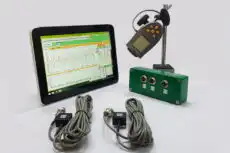
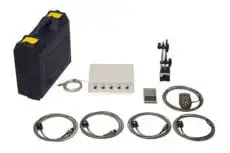
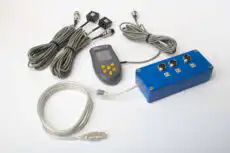
ਦੋਵੇਂ ਬਲਾਂ ਦੇ ਨਿਰਪੱਖ ਹੋਣ ਨਾਲ, ਮਰੋੜਨ ਵਾਲਾ ਮੋਮੈਂਟ ਖਤਮ ਹੋ ਜਾਂਦਾ ਹੈ ਅਤੇ ਰੋਟਰ ਸੁਚਾਰੂ ਢੰਗ ਨਾਲ ਚੱਲਦਾ ਹੈ। ਧਿਆਨ ਦਿਓ ਕਿ ਦੋਵੇਂ ਪਲੇਨ ਜਿੰਨੀਆਂ ਦੂਰ ਹੋਣਗੀਆਂ, ਉਸੇ ਸੁਧਾਰਾਤਮਕ ਮੋਮੈਂਟ ਲਈ ਹਰੇਕ ਭਾਰ ਓਨਾ ਹੀ ਛੋਟਾ ਹੋ ਸਕਦਾ ਹੈ — ਲੰਬੀ ਲੀਵਰ ਬਾਂਹ, ਘੱਟ ਭਾਰ — ਇਸੇ ਲਈ ਪਲੇਨ ਵਿਛੋੜੇ ਨੂੰ ਵੱਧ ਤੋਂ ਵੱਧ ਕਰਨਾ ਚੰਗਾ ਅਭਿਆਸ ਹੈ। ਇਕੱਠੀ ਕੀਤੀ ਮਸ਼ੀਨ 'ਤੇ, ਇਹ ਦੋ-ਪਲੇਨ ਸੁਧਾਰ ਬਿਨਾਂ ਵੱਖ ਕੀਤੇ ਇੱਕ ਪੋਰਟੇਬਲ ਦੋ-ਚੈਨਲ ਯੰਤਰ ਜਿਵੇਂ ਕਿ Balanset-1A ਦੀ ਵਰਤੋਂ ਕਰਕੇ ਕੀਤਾ ਜਾਂਦਾ ਹੈ, ਜੋ ਹਰੇਕ ਬੇਅਰਿੰਗ 'ਤੇ 1× ਐਂਪਲੀਟਿਊਡ ਅਤੇ ਫੇਜ਼ ਮਾਪਦਾ ਹੈ, ਰੋਟਰ ਦੇ ਪ੍ਰਭਾਵ ਗੁਣਾਂਕ ਤੋਂ ਇੱਕ ਟ੍ਰਾਇਲ-ਵੇਟ ਰਨ ਕੱਢਦਾ ਹੈ, ਅਤੇ ਦੋਵੇਂ ਭਾਰਾਂ ਨੂੰ ਇੱਕੋ ਵਾਰ ਹੱਲ ਕਰਦਾ ਹੈ। ਕੰਮ ਦੀ ਪੁਸ਼ਟੀ ਕਰਕੇ ਸਮਾਪਤ ਹੁੰਦਾ ਹੈ ਬਕਾਇਆ ਅਸੰਤੁਲਨ ਦੇ ਵਿਰੁੱਧ ਇੱਕ ISO 21940-11 ਬੈਲੇਂਸ ਗ੍ਰੇਡ।
5. ਕਪਲ ਅਸੰਤੁਲਨ ਦਾ ਖੁੰਝ ਜਾਣਾ ਆਸਾਨ ਕਿਉਂ ਹੈ
ਕਿਉਂਕਿ ਇੱਕ ਕਪਲ-ਅਸੰਤੁਲਿਤ ਰੋਟਰ ਇੱਕ ਸਥਿਰ (ਇੱਕ-ਪਲੇਨ) ਜਾਂਚ ਪਾਸ ਕਰ ਜਾਂਦਾ ਹੈ, ਸਿਰਫ਼ ਸਥਿਰ ਟੈਸਟ 'ਤੇ ਭਰੋਸਾ ਕਰਨ ਨਾਲ ਇੱਕ ਨੁਕਸਾਨਦਾਇਕ ਖਰਾਬੀ ਅਣਪਛਾਤੀ ਰਹਿ ਸਕਦੀ ਹੈ। ਸਿਰਫ਼ ਇੱਕ ਘੁੰਮਦਾ ਮਾਪ ਜੋ ਦੋਵਾਂ ਬੇਅਰਿੰਗਾਂ ਨੂੰ ਪੜ੍ਹਦਾ ਹੈ — ਅਤੇ ਉਹਨਾਂ ਦੇ ਫੇਜ਼ ਦੀ ਤੁਲਨਾ ਕਰਦਾ ਹੈ — ਡੋਲਣ ਵਾਲੇ ਕਪਲ ਨੂੰ ਉਜਾਗਰ ਕਰਦਾ ਹੈ। ਇਹੀ ਬੁਨਿਆਦੀ ਕਾਰਨ ਹੈ ਕਿ ਦੋ-ਤਲ ਬੈਲੇਂਸਿੰਗ ਮੌਜੂਦ ਹੈ ਅਤੇ ਕਿਉਂ ਜ਼ਿਆਦਾਤਰ ਆਮ-ਉਦੇਸ਼ ਵਾਲੇ ਉਦਯੋਗਿਕ ਰੋਟਰ, ਮੋਟਰ ਆਰਮੇਚਰ ਤੋਂ ਲੈ ਕੇ ਡਰਾਈਵ ਸ਼ਾਫਟਾਂ ਤੱਕ, ਸਥਿਰ ਦੀ ਬਜਾਏ ਡਾਇਨੈਮਿਕ ਤੌਰ 'ਤੇ ਸੰਤੁਲਿਤ ਕੀਤੇ ਜਾਂਦੇ ਹਨ।

