ਟਰੈਕਿੰਗ ਫਿਲਟਰ ਨੂੰ ਸਮਝਣਾ

A ਟ੍ਰੈਕਿੰਗ ਫਿਲਟਰ — ਜਿਸਨੂੰ ਆਰਡਰ-ਟਰੈਕਿੰਗ ਫਿਲਟਰ ਜਾਂ ਸਿੰਕਰੋਨਸ ਫਿਲਟਰ ਵੀ ਕਿਹਾ ਜਾਂਦਾ ਹੈ — ਇੱਕ ਤੰਗ ਬੈਂਡ-ਪਾਸ ਫ਼ਿਲਟਰ ਵਿੱਚ ਵਰਤੀ ਜਾਂਦੀ ਵਾਈਬ੍ਰੇਸ਼ਨ ਵਿਸ਼ਲੇਸ਼ਣ ਯੰਤਰ ਹਨ ਜੋ ਮਸ਼ੀਨ ਦੀ ਘੁੰਮਣ ਗਤੀ ਦੇ ਚੁਣੇ ਹੋਏ ਗੁਣਜ, ਜਾਂ ਆਰਡਰ, ਦਾ ਪਿੱਛਾ ਕਰਨ ਲਈ ਆਪਣੀ ਕੇਂਦਰੀ ਫ੍ਰੀਕੁਐਂਸੀ ਨੂੰ ਆਪਣੇ-ਆਪ ਖਿਸਕਾਉਂਦੇ ਹਨ। ਉਦਾਹਰਨ ਵਜੋਂ, ਇੱਕ “1× ਟਰੈਕਿੰਗ ਫਿਲਟਰ” ਲਗਾਤਾਰ ਚੱਲ ਰਹੀ ਸਪੀਡ ਦੀ ਫ੍ਰੀਕੁਐਂਸੀ ’ਤੇ ਲਾਕ ਹੋ ਜਾਂਦਾ ਹੈ, ਬਾਕੀ ਸਭ ਕੁਝ ਰੱਦ ਕਰਦਾ ਹੈ ਅਤੇ ਸਿਰਫ਼ ਬੁਨਿਆਦੀ 1× ਕੰਪੋਨੈਂਟ ਨੂੰ ਲੰਘਣ ਦਿੰਦਾ ਹੈ; ਇੱਕ 2× ਜਾਂ 3× ਫਿਲਟਰ ਉਸੇ ਤਰ੍ਹਾਂ ਦੋ ਜਾਂ ਤਿੰਨ ਗੁਣਾ ਚੱਲ ਰਹੀ ਸਪੀਡ ਦਾ ਪਿੱਛਾ ਕਰਦਾ ਹੈ। ਕਿਉਂਕਿ ਫਿਲਟਰ ਇੱਕ ਸਥਿਰ ਫ੍ਰੀਕੁਐਂਸੀ ’ਤੇ ਬੈਠਣ ਦੀ ਬਜਾਏ ਸਪੀਡ ਦੇ ਨਾਲ ਚਲਦਾ ਹੈ, ਇਹ ਮਾਪ ਸਕਦਾ ਹੈ ਐਂਪਲੀਟਿਊਡ (ਆਯਾਮ) ਅਤੇ ਫੇਜ਼ ਇੱਕ ਸਿੰਕਰੋਨਸ ਕੰਪੋਨੈਂਟ ਦਾ ਭਾਵੇਂ ਮਸ਼ੀਨ ਗਤੀ ਵਧਾ ਰਹੀ ਹੋਵੇ ਜਾਂ ਘਟਾ ਰਹੀ ਹੋਵੇ। ਇਹੀ ਗੱਲ ਟਰੈਕਿੰਗ ਫਿਲਟਰਾਂ ਨੂੰ ਵੇਰੀਏਬਲ-ਸਪੀਡ ਉਪਕਰਣਾਂ ਲਈ, ਸਟਾਰਟਅੱਪ ਅਤੇ ਕੋਸਟਡਾਊਨ ਟ੍ਰਾਂਜ਼ੀਐਂਟ ਲਈ, ਅਤੇ ਵਿਅਕਤੀਗਤ ਆਰਡਰ ਕੰਪੋਨੈਂਟਸ ਨੂੰ ਅਲੱਗ ਕਰਨ ਲਈ ਜ਼ਰੂਰੀ ਬਣਾਉਂਦੀ ਹੈ ਆਰਡਰ ਵਿਸ਼ਲੇਸ਼ਣ.
1. ਟਰੈਕਿੰਗ ਫਿਲਟਰ ਕਿਵੇਂ ਕੰਮ ਕਰਦਾ ਹੈ
ਮੂਲ ਸਿਧਾਂਤ
- ਗਤੀ ਸੰਦਰਭ: a ਟੈਕੋਮੀਟਰ ਜਾਂ ਕੀਫੇਜ਼ਰ ਹਰ ਘੁੰਮਣ ਦੌਰਾਨ ਇੱਕ ਪਲਸ ਪ੍ਰਦਾਨ ਕਰਦਾ ਹੈ।
- ਫ੍ਰੀਕੁਐਂਸੀ ਗਣਨਾ: ਯੰਤਰ ਉਨ੍ਹਾਂ ਪਲਸਾਂ ਦੇ ਸਮੇਂ ਤੋਂ ਤਤਕਾਲ ਘੁੰਮਣ ਫ੍ਰੀਕੁਐਂਸੀ ਕੱਢਦਾ ਹੈ।
- ਆਰਡਰ ਗੁਣਾ: ਇਹ ਉਸ ਫ੍ਰੀਕੁਐਂਸੀ ਨੂੰ ਚੁਣੇ ਹੋਏ ਆਰਡਰ ਨੰਬਰ — 1, 2, 3, ਅਤੇ ਇਸ ਤਰ੍ਹਾਂ ਅੱਗੇ — ਨਾਲ ਗੁਣਾ ਕਰਦਾ ਹੈ।
- ਫਿਲਟਰ ਸੈਂਟਰਿੰਗ: ਇੱਕ ਤੰਗ ਬੈਂਡ-ਪਾਸ ਫਿਲਟਰ ਨੂੰ ਨਤੀਜੇ ਵਾਲੀ ਫ੍ਰੀਕੁਐਂਸੀ ’ਤੇ ਕੇਂਦਰਿਤ ਕੀਤਾ ਜਾਂਦਾ ਹੈ।
- ਲਗਾਤਾਰ ਸਮਾਯੋਜਨ: ਜਿਵੇਂ-ਜਿਵੇਂ ਸਪੀਡ ਬਦਲਦੀ ਹੈ, ਫਿਲਟਰ ਦੀ ਕੇਂਦਰੀ ਫ੍ਰੀਕੁਐਂਸੀ ਬਿਨਾਂ ਰੁਕਾਵਟ ਦੇ ਇਸਦਾ ਪਿੱਛਾ ਕਰਦੀ ਹੈ।
- ਆਉਟਪੁੱਟ: ਸਿਰਫ਼ ਚੁਣੇ ਹੋਏ ਆਰਡਰ ਵਾਲਾ ਇੱਕ ਸਾਫ਼ ਫਿਲਟਰ ਕੀਤਾ ਸਿਗਨਲ।
ਖਾਸ ਗੱਲ ਇਹ ਹੈ ਕਿ ਫਿਲਟਰ ਟੈਕੋਮੀਟਰ ਦਾ ਗ਼ੁਲਾਮ ਹੁੰਦਾ ਹੈ, ਇਸ ਲਈ ਇਸਨੂੰ ਹਮੇਸ਼ਾ ਪਤਾ ਹੁੰਦਾ ਹੈ ਕਿ ਦਿਲਚਸਪੀ ਵਾਲਾ ਆਰਡਰ ਇਸ ਵੇਲੇ ਫ੍ਰੀਕੁਐਂਸੀ ਧੁਰੇ ’ਤੇ ਕਿੱਥੇ ਹੈ — ਇਹ ਕੰਮ ਇੱਕ ਸਥਿਰ ਫਿਲਟਰ ਉਸ ਮਸ਼ੀਨ ’ਤੇ ਕਦੇ ਨਹੀਂ ਕਰ ਸਕਦਾ ਜਿਸਦੀ ਸਪੀਡ ਬਦਲਦੀ ਰਹਿੰਦੀ ਹੈ।
ਫਿਲਟਰ ਦੀਆਂ ਵਿਸ਼ੇਸ਼ਤਾਵਾਂ
- ਬੈਂਡਵਿਡਥ: ਆਮ ਤੌਰ ’ਤੇ ਕੇਂਦਰੀ ਫ੍ਰੀਕੁਐਂਸੀ ਦਾ ±2–10%।
- ਸੰਕੁਚਿਤਤਾ: ਨਾਲ ਲੱਗਦੀਆਂ ਫ੍ਰੀਕੁਐਂਸੀਆਂ ਨੂੰ ਪ੍ਰਭਾਵਸ਼ਾਲੀ ਢੰਗ ਨਾਲ ਰੱਦ ਕਰਦਾ ਹੈ।
- ਟਰੈਕਿੰਗ ਦਰ: ਤੇਜ਼ੀ ਨਾਲ ਬਦਲ ਰਹੀਆਂ ਸਪੀਡਾਂ ਦਾ ਪਿੱਛਾ ਕਰਨ ਦੇ ਸਮਰੱਥ।
- ਕਈ ਫਿਲਟਰ: ਆਧੁਨਿਕ ਯੰਤਰ ਇੱਕੋ ਸਮੇਂ ਕਈ ਆਰਡਰਾਂ ਨੂੰ ਟਰੈਕ ਕਰ ਸਕਦੇ ਹਨ।
2. ਉਪਯੋਗ
1. ਸਟਾਰਟਅੱਪ ਅਤੇ ਕੋਸਟਡਾਊਨ ਵਿਸ਼ਲੇਸ਼ਣ
ਇਹ ਸਭ ਤੋਂ ਮਹੱਤਵਪੂਰਨ ਐਪਲੀਕੇਸ਼ਨ ਹੈ। ਜਿਵੇਂ ਮਸ਼ੀਨ ਆਪਣੀ ਸਪੀਡ ਰੇਂਜ ਵਿੱਚੋਂ ਰਨ-ਅੱਪ ਜਾਂ ਕੋਸਟ-ਡਾਊਨ ਹੁੰਦੀ ਹੈ, ਇੱਕ ਟਰੈਕਿੰਗ ਫਿਲਟਰ ਲਗਾਤਾਰ 1× ਕੰਪੋਨੈਂਟ ਦਾ ਪਿੱਛਾ ਕਰਦਾ ਹੈ:
- ਟ੍ਰਾਂਜ਼ੀਐਂਟ ਦੌਰਾਨ ਸਪੀਡ ਦੇ ਵਿਰੁੱਧ 1× ਐਂਪਲੀਟਿਊਡ ਅਤੇ ਫੇਜ਼ ਨੂੰ ਟਰੈਕ ਕਰੋ — ਇਹੀ ਡਾਟਾ ਇੱਕ ਰਨ-ਅੱਪ.
- ਬਣਾਓ ਬੋਡ ਪਲਾਟ ਸਪੀਡ ਦੇ ਵਿਰੁੱਧ ਐਂਪਲੀਟਿਊਡ ਅਤੇ ਫੇਜ਼ ਦਾ।
- ਪਛਾਣ ਕਰੋ ਕ੍ਰਿਟੀਕਲ ਸਪੀਡਾਂ ਐਂਪਲੀਟਿਊਡ ਪੀਕਾਂ ਤੋਂ।
- ਅਨੁਮਾਨ ਲਗਾਓ ਡੈਂਪਿੰਗ ਹਰੇਕ ਰੈਜ਼ੋਨੈਂਸ ਪੀਕ ਦੀ ਚੌੜਾਈ ਤੋਂ।
- ਕਈ ਮੋਡ ਦਿਖਾਉਣ ਲਈ 2× ਅਤੇ 3× ਨੂੰ ਇੱਕੋ ਸਮੇਂ ਟਰੈਕ ਕਰੋ।
2. ਵੇਰੀਏਬਲ-ਸਪੀਡ ਉਪਕਰਣ
- ਲਗਾਤਾਰ ਬਦਲਦੀ ਸਪੀਡ ਦੇ ਬਾਵਜੂਦ ਆਰਡਰ-ਆਧਾਰਿਤ ਮਾਪਾਂ ਨੂੰ ਬਣਾਈ ਰੱਖੋ।
- VFD-ਚਾਲਿਤ ਮੋਟਰਾਂ ਜਿਨ੍ਹਾਂ ਦੀ ਸਪੀਡ ਪ੍ਰਕਿਰਿਆ ਦੇ ਨਾਲ ਬਦਲਦੀ ਹੈ।
- ਹਵਾ ਦੇ ਝੱਖੜਾਂ ’ਤੇ ਪ੍ਰਤੀਕਿਰਿਆ ਦਿੰਦੀਆਂ ਵਿੰਡ ਟਰਬਾਈਨਾਂ।
- ਪ੍ਰੋਸੈੱਸ ਉਪਕਰਣ ਜਿਨ੍ਹਾਂ ਦੀ ਸਪੀਡ ਲੋਡ ਨਾਲ ਬਦਲਦੀ ਹੈ।
- ਸਪੀਡ ਦੇ ਉਤਾਰ-ਚੜ੍ਹਾਅ ਦੀ ਪਰਵਾਹ ਕੀਤੇ ਬਿਨਾਂ ਇਕਸਾਰ ਰੁਝਾਨ, ਕਿਉਂਕਿ ਹਰ ਚੀਜ਼ ਸਥਿਰ ਫ੍ਰੀਕੁਐਂਸੀਆਂ ਦੀ ਬਜਾਏ ਆਰਡਰਾਂ ਦੇ ਹਵਾਲੇ ਨਾਲ ਹੁੰਦੀ ਹੈ।
3. ਬੈਲੇਂਸਿੰਗ
- ਪੂਰੀ ਪ੍ਰਕਿਰਿਆ ਦੌਰਾਨ 1× ਕੰਪੋਨੈਂਟ ਨੂੰ ਟਰੈਕ ਕਰੋ ਬੈਲੇਂਸਿੰਗ ਪ੍ਰਕਿਰਿਆ।
- ਸਾਫ਼ ਰੀਡਿੰਗ ਲਈ ਗੈਰ-1× ਸਮੱਗਰੀ ਨੂੰ ਫਿਲਟਰ ਕਰੋ।
- ਸਿਰਫ਼ 1× ਫ੍ਰੀਕੁਐਂਸੀ ’ਤੇ ਹੀ ਫੇਜ਼ ਮਾਪ ਲਓ।
- ਗੈਰ-ਸੰਬੰਧਿਤ ਵਾਈਬ੍ਰੇਸ਼ਨ ਸਰੋਤਾਂ ਨੂੰ ਰੱਦ ਕਰਕੇ ਸ਼ੁੱਧਤਾ ਵਧਾਓ।
4. ਆਰਡਰ-ਵਿਸ਼ੇਸ਼ ਵਿਸ਼ਲੇਸ਼ਣ
- ਵਿਸਤ੍ਰਿਤ ਅਧਿਐਨ ਲਈ ਇੱਕ ਖਾਸ ਆਰਡਰ ਨੂੰ ਅਲੱਗ ਕਰੋ।
- ਦੀ ਪ੍ਰਗਤੀ ਦੀ ਨਿਗਰਾਨੀ ਕਰਨ ਲਈ 2× ਟਰੈਕ ਕਰੋ ਮਿਸਅਲਾਈਨਮੈਂਟ.
- ਇਸ ਦਾ ਪਿੱਛਾ ਕਰੋ ਬਲੇਡ ਪਾਸਿੰਗ ਪੱਖਿਆਂ ਅਤੇ ਪੰਪਾਂ ਵਿੱਚ ਆਰਡਰ।
- ਫ੍ਰੀਕੁਐਂਸੀ ਕੰਪੋਨੈਂਟਸ ਨੂੰ ਅਲੱਗ ਕਰੋ ਜੋ ਨਹੀਂ ਤਾਂ ਓਵਰਲੈਪ ਹੋ ਜਾਣਗੇ।
3. ਟਰੈਕਿੰਗ ਫਿਲਟਰਾਂ ਦੇ ਫਾਇਦੇ
ਗਤੀ ਸੁਤੰਤਰਤਾ
- ਗਤੀ ਭਾਵੇਂ ਕਿੰਨੀ ਵੀ ਬਦਲੇ, ਮਾਪ ਅਰਥਪੂਰਨ ਬਣੇ ਰਹਿੰਦੇ ਹਨ।
- ਵੱਖ-ਵੱਖ ਗਤੀਆਂ ਦੇ ਡੇਟਾ ਦੀ ਇੱਕੋ ਆਰਡਰ ਆਧਾਰ 'ਤੇ ਤੁਲਨਾ ਕੀਤੀ ਜਾ ਸਕਦੀ ਹੈ।
- ਕਿਸੇ ਵੀ ਅਜਿਹੀ ਮਸ਼ੀਨ ਲਈ ਜ਼ਰੂਰੀ ਹੈ ਜੋ ਸਥਿਰ ਗਤੀ ਬਰਕਰਾਰ ਨਹੀਂ ਰੱਖਦੀ।
ਕੰਪੋਨੈਂਟ ਆਈਸੋਲੇਸ਼ਨ
- ਮੌਜੂਦ ਹਰ ਦੂਜੀ ਫ੍ਰੀਕੁਐਂਸੀ ਤੋਂ ਇੱਕ ਆਰਡਰ ਨੂੰ ਵੱਖ ਕਰਦਾ ਹੈ।
- ਪੂਰੀ-ਸਪੈਕਟ੍ਰਮ ਨਾਲੋਂ ਸਾਫ਼ ਸਿਗਨਲ ਦਿੰਦਾ ਹੈ FFT.
- ਦਿਲਚਸਪੀ ਵਾਲੇ ਆਰਡਰ ਲਈ ਸਿਗਨਲ-ਟੂ-ਨੌਇਜ਼ ਅਨੁਪਾਤ ਨੂੰ ਸੁਧਾਰਦਾ ਹੈ।
- ਉਸ ਆਰਡਰ ਦੇ ਸਟੀਕ ਐਂਪਲੀਟਿਊਡ ਅਤੇ ਫੇਜ਼ ਮਾਪ ਨੂੰ ਸੰਭਵ ਬਣਾਉਂਦਾ ਹੈ। ਇਹ ਸਿੰਕ੍ਰੋਨਸ ਫੋਕਸ ਸੰਕਲਪਿਕ ਤੌਰ 'ਤੇ ਇਸ ਨਾਲ ਜੁੜਿਆ ਹੋਇਆ ਹੈ ਸਿੰਕ੍ਰੋਨਸ ਔਸਤੀਕਰਨ, ਜੋ ਸ਼ੋਰ ਵਿੱਚੋਂ ਗਤੀ-ਲਾਕਡ ਕੰਪੋਨੈਂਟਾਂ ਨੂੰ ਵੱਖ ਕੱਢਣ ਲਈ ਵੀ ਟੈਕੋਮੀਟਰ ਦੀ ਵਰਤੋਂ ਕਰਦਾ ਹੈ।
ਟ੍ਰਾਂਜ਼ੀਐਂਟ ਵਿਸ਼ਲੇਸ਼ਣ
- ਗਤੀ ਵਿੱਚ ਤਬਦੀਲੀਆਂ ਦੌਰਾਨ ਸਿੱਧਾ ਕੰਪੋਨੈਂਟਾਂ ਦਾ ਅਨੁਸਰਣ ਕਰਦਾ ਹੈ।
- ਪ੍ਰਵੇਗ ਅਤੇ ਮੰਦਗਤੀ ਦੌਰਾਨ ਲਗਾਤਾਰ ਮਾਪ ਪ੍ਰਦਾਨ ਕਰਦਾ ਹੈ।
- ਸਥਿਰ-ਸਥਿਤੀ ਸ਼ਰਤ ਦੀ ਲੋੜ ਨਹੀਂ।
- ਗਤੀ-ਨਿਰਭਰ ਵਿਵਹਾਰ ਨੂੰ ਦਰਸਾਉਂਦਾ ਹੈ ਜੋ ਇੱਕ ਸਥਿਰ ਮਾਪ ਖੁੰਝਾ ਦੇਵੇਗਾ।
4. ਸੀਮਾਵਾਂ ਅਤੇ ਵਿਚਾਰਨਯੋਗ ਗੱਲਾਂ
ਇਸ ਲਈ ਟੈਕੋਮੀਟਰ ਦੀ ਲੋੜ ਹੈ
- ਇੱਕ ਸਟੀਕ ਗਤੀ ਸੰਦਰਭ ਲਾਜ਼ਮੀ ਹੈ।
- ਟੈਕੋਮੀਟਰ ਸਿਗਨਲ ਦੀ ਗੁਣਵੱਤਾ ਸਿੱਧੇ ਤੌਰ 'ਤੇ ਫਿਲਟਰ ਦੀ ਕਾਰਗੁਜ਼ਾਰੀ ਨੂੰ ਸੀਮਤ ਕਰਦੀ ਹੈ।
- ਗਤੀ ਸੰਦਰਭ ਤੋਂ ਬਿਨਾਂ ਉਪਕਰਣਾਂ 'ਤੇ ਇਸਦੀ ਵਰਤੋਂ ਨਹੀਂ ਕੀਤੀ ਜਾ ਸਕਦੀ।
- ਪ੍ਰਤੀ-ਘੁੰਮਣ ਇੱਕ ਵਾਰ ਪਲਸ ਭਰੋਸੇਯੋਗ ਹੋਣੀ ਚਾਹੀਦੀ ਹੈ, ਨਹੀਂ ਤਾਂ ਟਰੈਕਿੰਗ ਭਟਕ ਜਾਂਦੀ ਹੈ।
ਇਹ ਸਿਰਫ਼ ਸਿੰਕ੍ਰੋਨਸ ਕੰਪੋਨੈਂਟਾਂ ਨੂੰ ਟਰੈਕ ਕਰਦਾ ਹੈ
- ਗੈਰ-ਸਿੰਕ੍ਰੋਨਸ ਨੁਕਸ ਕੈਪਚਰ ਨਹੀਂ ਹੁੰਦੇ — ਜਿਸ ਵਿੱਚ ਜ਼ਿਆਦਾਤਰ ਸ਼ਾਮਲ ਹਨ ਬੇਅਰਿੰਗ ਨੁਕਸ, ਜੋ ਪੈਦਾ ਕਰਦੇ ਹਨ ਅਸਿੰਕ੍ਰੋਨਸ ਵਾਈਬ੍ਰੇਸ਼ਨ.
- ਇਲੈਕਟ੍ਰੀਕਲ-ਲਾਈਨ ਫ੍ਰੀਕੁਐਂਸੀਆਂ ਟਰੈਕ ਨਹੀਂ ਕੀਤੀਆਂ ਜਾਂਦੀਆਂ।
- ਰੈਂਡਮ ਅਤੇ ਬ੍ਰੌਡਬੈਂਡ ਵਾਈਬ੍ਰੇਸ਼ਨ ਨੂੰ ਫਿਲਟਰ ਕਰਕੇ ਹਟਾ ਦਿੱਤਾ ਜਾਂਦਾ ਹੈ।
- ਪੂਰੇ ਨਿਦਾਨ ਲਈ ਪੂਰਕ ਵਿਸ਼ਲੇਸ਼ਣ ਦੀ ਲੋੜ ਹੁੰਦੀ ਹੈ।
ਫਿਲਟਰ-ਬੈਂਡਵਿਡਥ ਟ੍ਰੇਡ-ਆਫ
- ਸੰਕੀਰਣ ਫਿਲਟਰ: ਨਾਲ ਲੱਗਦੀਆਂ ਫ੍ਰੀਕੁਐਂਸੀਆਂ ਨੂੰ ਬਿਹਤਰ ਢੰਗ ਨਾਲ ਰੱਦ ਕਰਦਾ ਹੈ, ਪਰ ਗਤੀ ਤਬਦੀਲੀਆਂ ਦਾ ਜਵਾਬ ਦੇਣ ਵਿੱਚ ਹੌਲੀ ਹੈ।
- ਚੌੜਾ ਫਿਲਟਰ: ਤੇਜ਼ ਟਰੈਕਿੰਗ, ਪਰ ਨੇੜਲੇ ਕੰਪੋਨੈਂਟਾਂ ਨੂੰ ਵੀ ਦਾਖਲ ਹੋਣ ਦੇ ਸਕਦਾ ਹੈ।
- ਓਪਟੀਮਲ: 5–10% ਬੈਂਡਵਿਡਥ ਜ਼ਿਆਦਾਤਰ ਐਪਲੀਕੇਸ਼ਨਾਂ ਲਈ ਢੁਕਵੀਂ ਹੈ, ਜੋ ਚੋਣਾਤਮਕਤਾ ਅਤੇ ਟਰੈਕਿੰਗ ਗਤੀ ਵਿਚਕਾਰ ਸੰਤੁਲਨ ਬਣਾਉਂਦੀ ਹੈ।
5. ਟਰੈਕਿੰਗ ਫਿਲਟਰ ਬਨਾਮ FFT
ਟਰੈਕਿੰਗ ਫਿਲਟਰ ਅਤੇ FFT ਮੁਕਾਬਲੇਬਾਜ਼ ਸੰਦ ਨਹੀਂ ਸਗੋਂ ਇੱਕ-ਦੂਜੇ ਦੇ ਪੂਰਕ ਹਨ। FFT ਸਥਿਰ ਗਤੀ 'ਤੇ ਪੂਰੇ ਸਪੈਕਟ੍ਰਮ ਨੂੰ ਦਰਸਾਉਂਦਾ ਹੈ; ਟਰੈਕਿੰਗ ਫਿਲਟਰ ਬਦਲਦੀ ਗਤੀ ਦੌਰਾਨ ਇੱਕ ਆਰਡਰ ਦਾ ਅਨੁਸਰਣ ਕਰਦਾ ਹੈ। ਟੇਬਲ ਵਿੱਚ ਸੰਖੇਪ ਦਿੱਤਾ ਗਿਆ ਹੈ ਕਿ ਹਰ ਇੱਕ ਕਿੱਥੇ ਵਧੀਆ ਹੈ।
| ਵਿਸ਼ੇਸ਼ਤਾ | FFT ਵਿਸ਼ਲੇਸ਼ਣ | ਟਰੈਕਿੰਗ ਫਿਲਟਰ |
|---|---|---|
| ਗਤੀ ਦੀ ਲੋੜ | ਕਿਸੇ ਵੀ ਸਪੀਡ 'ਤੇ ਕੰਮ ਕਰਦਾ ਹੈ | ਟੈਕੋਮੀਟਰ ਦੀ ਲੋੜ ਹੁੰਦੀ ਹੈ |
| ਗਤੀ ਵਿੱਚ ਬਦਲਾਅ | ਸਥਿਰ ਗਤੀ ਦੀ ਲੋੜ ਹੈ | ਬਦਲਦੀ ਗਤੀ ਨੂੰ ਸੰਭਾਲਦਾ ਹੈ |
| ਜਾਣਕਾਰੀ | ਪੂਰਾ ਸਪੈਕਟ੍ਰਮ, ਸਾਰੀਆਂ ਫ੍ਰੀਕੁਐਂਸੀਆਂ | ਸਿਰਫ਼ ਸਿੰਗਲ ਆਰਡਰ |
| ਗੈਰ-ਸਿੰਕ੍ਰੋਨਸ ਨੁਕਸ | ਸਾਰੇ ਨੁਕਸ ਦਾ ਪਤਾ ਲਗਾਉਂਦਾ ਹੈ | ਗੈਰ-ਸਿੰਕ੍ਰੋਨਸ ਖੁੰਝ ਜਾਂਦਾ ਹੈ |
| ਟ੍ਰਾਂਜ਼ੀਐਂਟ ਵਿਸ਼ਲੇਸ਼ਣ | ਮੁਸ਼ਕਲ | ਸ਼ਾਨਦਾਰ |
| ਕਿਸ ਲਈ ਵਧੇਰੇ ਢੁਕਵਾਂ ਹੈ | ਆਮ ਡਾਇਗਨੌਸਟਿਕਸ, ਸਥਿਰ-ਸਟੇਟ | ਕ੍ਰਿਟੀਕਲ-ਸਪੀਡ ਵਿਸ਼ਲੇਸ਼ਣ, ਬਦਲਦੀ ਗਤੀ |
6. ਆਧੁਨਿਕ ਲਾਗੂਕਰਨ
ਡਿਜੀਟਲ ਟਰੈਕਿੰਗ ਫਿਲਟਰ
- ਆਧੁਨਿਕ ਵਿਸ਼ਲੇਸ਼ਕਾਂ ਦੇ ਅੰਦਰ ਸਾਫਟਵੇਅਰ ਵਿੱਚ ਲਾਗੂ ਕੀਤੇ ਗਏ।
- ਇੱਕੋ ਸਮੇਂ ਕਈ ਆਰਡਰਾਂ ਨੂੰ ਟਰੈਕ ਕਰਦੇ ਹਨ — 1×, 2×, 3× ਇਕੱਠੇ।
- ਐਡਜਸਟੇਬਲ ਬੈਂਡਵਿਡਥ ਪ੍ਰਦਾਨ ਕਰਦੇ ਹਨ।
- ਟ੍ਰਾਂਜ਼ੀਐਂਟਸ ਦੌਰਾਨ ਰੀਅਲ-ਟਾਈਮ ਵਿੱਚ ਦਿਖਾਉਂਦੇ ਹਨ।
ਆਰਡਰ ਵਿਸ਼ਲੇਸ਼ਣ ਨਾਲ ਏਕੀਕਰਨ
- ਟਰੈਕਿੰਗ ਫਿਲਟਰ ਵਿਆਪਕ ਆਰਡਰ ਵਿਸ਼ਲੇਸ਼ਣ ਦੀ ਬੁਨਿਆਦ ਬਣਦੇ ਹਨ।
- ਪੂਰਾ ਆਰਡਰ ਸਪੈਕਟ੍ਰਮ ਕੱਢਿਆ ਜਾਂਦਾ ਹੈ, ਸਾਰੇ ਆਰਡਰ ਇਕੱਠੇ।
- ਨਤੀਜੇ ਸਪੀਡ ਦੇ ਮੁਕਾਬਲੇ ਆਰਡਰ ਦੇ ਰੰਗ ਨਕਸ਼ਿਆਂ ਵਜੋਂ ਦਿਖਾਈ ਦਿੰਦੇ ਹਨ, ਜੋ ਕਿ ਵਾਟਰਫਾਲ ਅਤੇ ਕੈਸਕੇਡ ਡਿਸਪਲੇਅ ਨਾਲ ਨੇੜਿਓਂ ਸੰਬੰਧਿਤ ਹਨ।
- ਕ੍ਰਿਟੀਕਲ ਸਪੀਡਾਂ ਦਾ ਪਤਾ ਆਰਡਰ-ਟ੍ਰੈਕਿੰਗ ਡਾਟਾ ਤੋਂ ਆਪਣੇ-ਆਪ ਲਗਾਇਆ ਜਾ ਸਕਦਾ ਹੈ।
7. ਫੀਲਡ ਬੈਲੈਂਸਿੰਗ ਵਿੱਚ ਟ੍ਰੈਕਿੰਗ ਫਿਲਟਰ
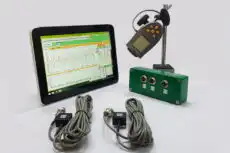
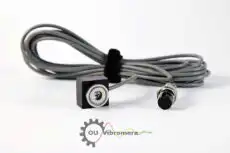
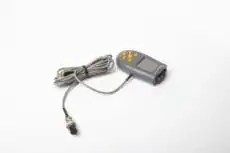
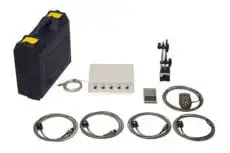
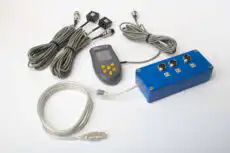
ਇੱਕ ਪੋਰਟੇਬਲ ਇੰਸਟਰੂਮੈਂਟ ਉੱਤੇ ਟ੍ਰੈਕਿੰਗ ਫਿਲਟਰ ਉਹ ਹੈ ਜੋ ਬੈਲੈਂਸਿੰਗ ਮਾਪ ਨੂੰ ਸਹੀ ਰੱਖਦਾ ਹੈ ਜਦੋਂ ਸਪੀਡ ਪੂਰੀ ਤਰ੍ਹਾਂ ਸਥਿਰ ਨਹੀਂ ਰਹਿੰਦੀ। ਸਿਰਫ਼ 1× ਆਰਡਰ ਨੂੰ ਲੰਘਣ ਦੇ ਕੇ ਅਤੇ ਬਾਕੀ ਸਭ ਕੁਝ ਰੱਦ ਕਰਕੇ, ਇਹ ਸਾਫਟਵੇਅਰ ਨੂੰ ਕੰਮ ਕਰਨ ਲਈ ਇੱਕ ਸਾਫ਼ ਐਂਪਲੀਟਿਊਡ-ਅਤੇ-ਫੇਜ਼ ਵੈਕਟਰ ਦਿੰਦਾ ਹੈ। Balanset-1A ਬਿਲਕੁਲ ਇਹੀ ਤਰੀਕਾ ਵਰਤਦਾ ਹੈ: ਇਸ ਦਾ ਟੈਕੋਮੀਟਰ ਪਲਸ ਚੱਲ ਰਹੀ ਸਪੀਡ ਨਿਰਧਾਰਿਤ ਕਰਦਾ ਹੈ, ਸਿੰਕ੍ਰੋਨਸ 1× ਕੰਪੋਨੈਂਟ ਮਸ਼ੀਨ ਦੇ ਆਪਣੇ ਬੇਅਰਿੰਗਾਂ ਵਿੱਚ ਚਾਲੂ ਸਪੀਡ ਉੱਤੇ ਕੱਢਿਆ ਜਾਂਦਾ ਹੈ, ਅਤੇ ਨਤੀਜੇ ਵਾਲਾ ਵੈਕਟਰ ਟ੍ਰਾਇਲ-ਵੇਟ ਅਤੇ ਕਰੈਕਸ਼ਨ ਗਣਨਾਵਾਂ ਨੂੰ ਚਲਾਉਂਦਾ ਹੈ — ਅਤੇ ਫਿਰ ਕਰੈਕਸ਼ਨ ਤੋਂ ਬਾਅਦ ਬਾਕੀ ਬਚੇ ਵਾਈਬ੍ਰੇਸ਼ਨ ਦੀ ਪੁਸ਼ਟੀ ਕਰਦਾ ਹੈ। ਟ੍ਰੈਕਿੰਗ ਫਿਲਟਰ ਉਹ ਚੁੱਪ-ਚਾਪ ਕੰਮ ਕਰਨ ਵਾਲਾ ਵਿਧੀ ਹੈ ਜੋ ਇਹਨਾਂ ਅੰਕੜਿਆਂ ਨੂੰ ਅਸਲ, ਥੋੜ੍ਹੀਆਂ-ਅਸਥਿਰ ਮਸ਼ੀਨਾਂ ਉੱਤੇ ਦੁਹਰਾਉਣਯੋਗ ਬਣਾਉਂਦਾ ਹੈ।
ਟ੍ਰੈਕਿੰਗ ਫਿਲਟਰ ਵਿਸ਼ੇਸ਼ ਪਰ ਸ਼ਕਤੀਸ਼ਾਲੀ ਟੂਲ ਹਨ, ਖ਼ਾਸ ਕਰਕੇ ਰੋਟਰ ਡਾਇਨਾਮਿਕਸ ਅਤੇ ਵੇਰੀਏਬਲ-ਸਪੀਡ ਉਪਕਰਨਾਂ ਲਈ। ਸਪੀਡ ਬਦਲਣ ਦੇ ਦੌਰਾਨ ਇੱਕ ਚੁਣੇ ਹੋਏ ਆਰਡਰ ਉੱਤੇ ਆਪਣਾ ਧਿਆਨ ਬਣਾਈ ਰੱਖ ਕੇ, ਇਹ ਟ੍ਰਾਂਜ਼ੀਐਂਟ ਵਿਸ਼ਲੇਸ਼ਣ ਅਤੇ ਸਪੀਡ-ਸੁਤੰਤਰ ਨਿਗਰਾਨੀ ਸਮਰੱਥ ਬਣਾਉਂਦੇ ਹਨ ਜਿਸਦਾ ਮੁਕਾਬਲਾ ਆਮ FFT ਤਕਨੀਕਾਂ ਨਹੀਂ ਕਰ ਸਕਦੀਆਂ — ਇਹੀ ਕਾਰਨ ਹੈ ਕਿ ਇਹ ਕ੍ਰਿਟੀਕਲ-ਸਪੀਡ ਪਛਾਣ ਅਤੇ ਉੱਨਤ ਮਸ਼ੀਨਰੀ ਡਾਇਗਨੌਸਟਿਕਸ ਲਈ ਕੇਂਦਰੀ ਬਣੇ ਰਹਿੰਦੇ ਹਨ।

