了解齒輪與聯軸器中的背隙

背隙 (也稱為間隙或游隙)是指機械傳動中配合部件之間的間隙或空隙——最常見的是當一個齒輪保持靜止,而另一個配合齒輪來回搖動時,相嚙合齒輪齒之間的切向間隙。它是系統中「空程」或自由游隙的量:驅動齒輪在與被驅動齒輪在相反方向嚙合之前可以轉動的距離。少量且刻意設計的背隙對於健康的 齒輪運轉至關重要,但當它因磨損而增大時,就會成為衝擊負荷、噪聲、定位誤差和 振動.
1. 定義:什麼是背隙?
在一對齒輪中,背隙最精確的定義是沿作用線測量的間隙——或等效於節線處的切向游隙——它允許一個齒在接觸發生之前在其配合齒的空間內稍微移動。固定一個齒輪並晃動另一個齒輪,它在齒面接觸之前自由移動的角度就是背隙存在的直接表現。
同樣的概念也適用於齒輪以外的部件。聯軸器、花鍵、導螺桿、齒條與小齒輪傳動以及任何齒形或鍵連接都帶有一定的間隙。關鍵在於 一定的背隙是必要且刻意設計的:它為潤滑油膜的形成的提供空間,容納齒的熱膨脹,吸收製造公差,並防止齒在負荷下卡死。只有當背隙超過其設計值時,它才會成為缺陷——此時它就像齒輪組內部的一種局部 機械鬆動 形式。
2. 目的與典型數值
為什麼要設計背隙
- 潤滑空間: 允許在受載與非受載的齒面之間形成油膜。
- 熱膨脹: 容納齒輪箱升溫至工作溫度時齒的伸長。
- 製造公差: 儘管齒厚和間距存在微小差異,仍允許一對齒輪組裝。
- 防止卡死: 確保齒在負荷或熱膨脹下永遠不會卡住,否則會導致摩擦和熱量急劇上升。
典型背隙值
- 精密齒輪: 0.05–0.15 mm (0.002–0.006 in)。
- 工業齒輪: 0.2–0.8 mm (0.008–0.030 in)。
- 重型機械: 1.0–3.0 mm (0.040–0.120 in)。
- 經驗法則: 一般工業齒輪約為中心距的 0.04–0.08%。
這些只是起點,並非絕對值——正確的數值取決於模數、精度等級、材料和工況。在設計或檢查新齒輪對時,根據精度標準確認齒形幾何參數是值得的;使用 直齒計算器 以及相應的 齒輪精度等級 工具可以輕鬆將中心距和公差與合理的背隙範圍聯繫起來。
3. 測量方法
直接測量
- 塞尺法: 在節線處的齒之間插入塞尺,直接讀取間隙。
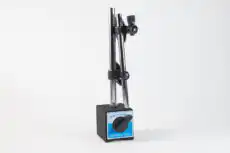
- 百分表法: 鎖住一個齒輪,來回搖動另一個齒輪,並測量節半徑處的自由行程。
- 座標測量: 精確測量兩個齒輪,並根據齒厚和中心距計算理論背隙。
- 背隙量規: 專為生產檢查或現場檢驗設計的專用工具。
運轉評估
- 聆聽是否有鬆動或撞擊聲,這表明背隙過大。
- 觀察負荷反向時的軸運動——可見的頓挫表明存在游隙。
- 測量伺服或分度系統中的定位誤差。
- 用途 振動分析 以揭示過大間隙產生的與衝擊相關的頻譜特徵。
4. 背隙過大引起的問題
衝擊負荷與振動
- 當負荷反向時,齒輪齒分離然後猛烈撞擊在一起。
- 每次重新建立接觸時,這會產生衝擊負荷和脈衝振動。
- 衝擊以負荷反向的頻率重複出現,而不一定與軸速相同。
- 重複的衝擊會加速齒輪齒的 疲勞 與 磨損.
- 其結果是產生一種特徵性的敲擊或撞擊聲。
定位誤差
- 在伺服系統與定位設備中,反向間隙會在每次反轉時形成一個「死區」。
- 輸出軸在間隙被消除之前,不會回應小幅輸入變化。
- 定位誤差等於背隙量。
- 這對於數控工具機、機器人與精密儀器而言至關重要。
噪音與剛性降低
- 噪音: 負載波動時齒面相互撞擊所產生的喀啦聲,在可變負載傳動裝置中尤其麻煩,且會隨磨損使間隙增大而愈加嚴重。
- 系統剛性降低: 齒隙會為傳動系統帶來柔順性,降低有效 扭轉 剛度,使控制迴路性能下降,在回饋系統中甚至可能引發極限環不穩定現象。
5. 齒隙過大的原因
正常磨損
- 齒輪嚙合過程中固有的滑動接觸,會使齒面產生磨損。
- 反向間隙會隨著多年使用而逐漸增大。
- 這是所有齒輪傳動中預期的磨損模式。
- 磨損速率取決於負載、潤滑品質及油品清潔度。
加速磨損
- 磨料污染: 硬顆粒如研磨劑般作用,磨蝕齒面。
- 潤滑不足: 金屬表面之間的邊界接觸,會加速磨損。
- 過載: 過大的齒面負載會加速表面損耗。
- 不對心: 邊緣載荷來自 軸不對心 使磨損集中於齒面的一端。
設計或安裝錯誤
- 中心距規格不正確。
- 齒輪配對錯誤,齒形不匹配。
- 未充分考量熱膨脹的影響。
- 製造公差設定過於寬鬆。
6. 利用振動分析診斷背隙
振動特徵
- 衝擊: 出現尖銳的脈衝,位於 時域波形 在每次負載反轉時。
- 多重諧波: 衝擊負載會激發範圍廣泛的一族 諧波 而非單一純淨的音調。
- 隨負載變化: 振動會隨扭矩負載的變化而升降。
- 與轉速無關的成分: 衝擊速率跟隨負載變化週期,而非軸轉速。
區分背隙與其他故障
- 與一般齒輪磨損的比較: 齒隙會產生衝擊,而均勻磨損則會提升一個平滑但升高的 齒輪嚙合頻率(GMF) 伴隨邊帶。
- 對比輪齒斷裂: 斷齒每轉產生一次衝擊,而齒隙則每個負載週期產生多次衝擊。
- 對比鬆動: 齒隙屬於齒輪內部問題; 鬆動 存在於軸承、外殼或底座中。
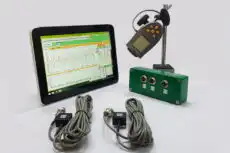
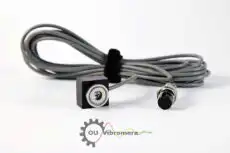
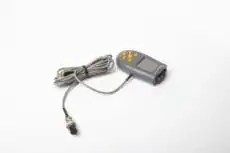
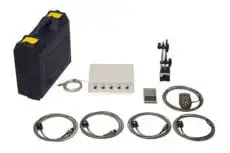
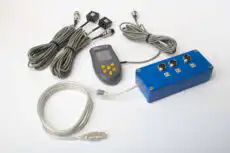
由於背隙、嚙合磨損與鬆動的特徵訊號彼此重疊,一台能同時擷取頻譜、時域波形與相位的分析儀便極具價值。在現場,一台可攜式雙通道儀器,例如 Balanset-1A 讓技術人員能夠在齒輪箱軸承座上記錄時域波形,識別出洩露過大齒隙訊息的衝擊性反轉,並在拆開齒輪箱之前,先排除或確認是否為不平衡所致。若要更快速地定位嚙合點及其邊帶,可使用專用的 齒輪嚙合頻率計算器.
7. 修正與管理
調整方法
- 中心距縮減: 若安裝條件允許,將齒輪稍微移近。
- 墊片調整: 使用墊片重新調整齒輪位置,以達到正確的嚙合狀態。
- 消隙齒輪: 具有彈簧載荷的分裂齒輪,可持續消除間隙。
- 預壓: 施加微小負荷以保持齒面持續接觸(見 軸承預壓 (軸承中的類似原理)。
更換
- 當齒側隙超過規格時,更換磨損的齒輪。
- 成對更換兩個嚙合齒輪,因為它們作為匹配對一起磨損。
- 考慮升級材料或表面塗層以提高耐磨性。
運轉適應措施
- 在工藝允許的情況下,避免頻繁的負荷反向。
- 控制負荷施加速率以減緩衝擊。
- 接受一定的齒側隙為正常現象——不要過度緊密嚙合,以免導致卡死和過熱。
- 在伺服系統中,透過控制軟體補償死區。
齒側隙是齒輪傳動的必要特徵,只有在過大時才會成為問題。了解正確的規格、可靠的測量技術以及間隙過大的振動症狀,可使您有效地維護齒輪箱、合理地安排更換時間,並帶來嚴謹的 故障排除 與 狀態監測 至齒輪機械反覆出現的噪音與振動問題。

