ಸಮತೋಲನ ಸೇವೆಗಳು › ಕಂಬೈನ್ಗಳು & ಹಾರ್ವೆಸ್ಟರ್ಗಳು
ಕಂಬೈನ್ ಹಾರ್ವೆಸ್ಟರ್ ರೋಟರ್ ಬ್ಯಾಲೆನ್ಸಿಂಗ್ — ಇನ್-ಸಿಟು, ಕಾರ್ಯಾಚರಣಾ ವೇಗದಲ್ಲಿ
ಥ್ರೆಶಿಂಗ್ ಡ್ರಮ್ಗಳು, ಸ್ಟ್ರಾ ಚಾಪರ್ಗಳು, ರೋಟರಿ ಸೆಪರೇಟರ್ಗಳು ಮತ್ತು ಕ್ಲೀನಿಂಗ್ ಫ್ಯಾನ್ಗಳು ಬ್ಲೇಡ್ಗಳು ಜೀರ್ಣಿಸಿದಂತೆ, ಬ್ಲೇಡ್ಗಳನ್ನು ಬದಲಿಸಿದಂತೆ ಅಥವಾ ಬೆಳೆ ಅವಶೇಷಗಳು ಅಸಮವಾಗಿ ಸೇರುವಂತೆ ಸಮತೋಲನ ಕಳೆದುಕೊಳ್ಳುತ್ತವೆ. ನಾವು ಈ ರೋಟರ್ಗಳನ್ನು ಬ್ಯಾಲೆನ್ಸ್ ಮಾಡುತ್ತೇವೆ ಯಂತ್ರದ ಮೇಲೆಯೇ, ಹೊಲದಲ್ಲೇ, ಕಾರ್ಯಾಚರಣಾ RPM ನಲ್ಲಿ — ಬೇರ್ಪಡಿಸುವ ಕೆಲಸ ಇಲ್ಲ, ವರ್ಕ್ಶಾಪ್ಗೆ ಸಾಗಣೆ ಇಲ್ಲ — ಆದ್ದರಿಂದ ನಿಮ್ಮ ಕಂಬೈನ್ ಹಂಗಾಮಿಗೂ ಮುನ್ನವೇ ಕೊಯ್ಲಿಗೆ ಸಿದ್ಧವಾಗಿರುತ್ತದೆ ಮತ್ತು ಹಾಗೆಯೇ ಉಳಿಯುತ್ತದೆ.
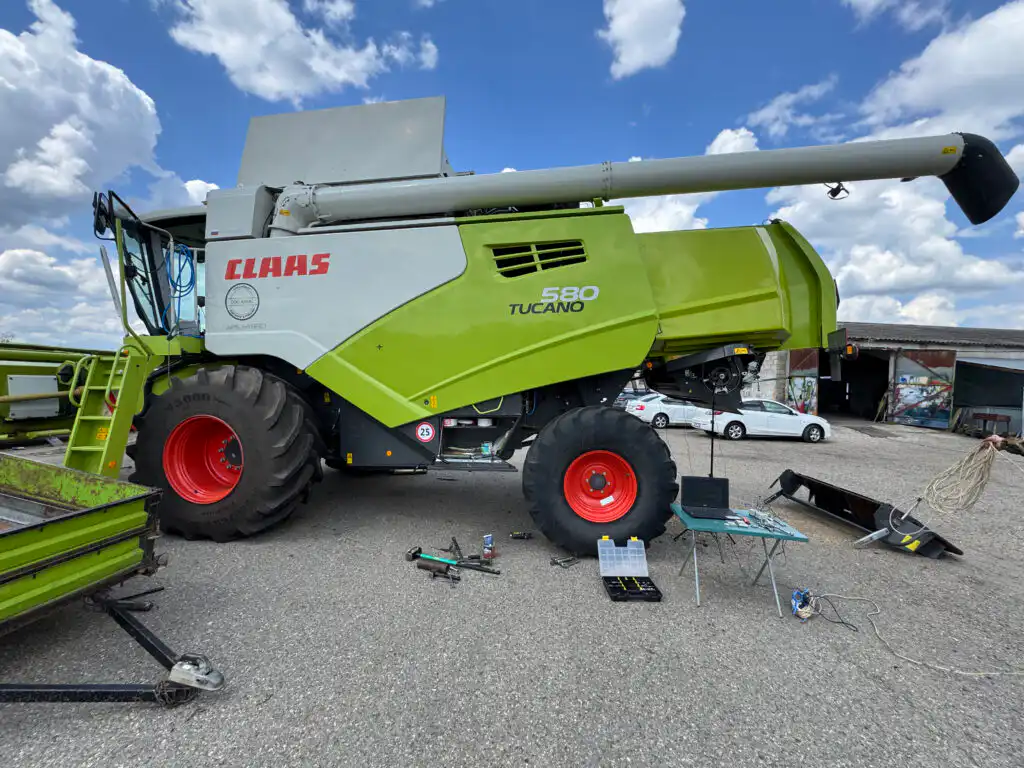
ಸಂಕ್ಷಿಪ್ತವಾಗಿ: ಕಂಬೈನ್ ಹಾರ್ವೆಸ್ಟರ್ ರೋಟರ್ ಬ್ಯಾಲೆನ್ಸಿಂಗ್ ಅನ್ನು ಇನ್-ಸಿಟು, ಸಾಮಾನ್ಯ ಥ್ರೆಶಿಂಗ್ ಅಥವಾ ಚಾಪಿಂಗ್ ವೇಗದಲ್ಲಿ, ಇನ್ಫ್ಲುವೆನ್ಸ್-ಕೋಎಫಿಷಿಯಂಟ್ ವಿಧಾನವನ್ನು ಬಳಸಿ ನಡೆಸಲಾಗುತ್ತದೆ. ಬೆರಿಂಗ್ ಹೌಸಿಂಗ್ನ ಮೇಲಿನ ಕಂಪನ ವೇಗೋರ್ಧಕ ಮತ್ತು ಶಾಫ್ಟ್ನ ಮೇಲಿನ ಲೇಸರ್ ಟ್ಯಾಕೋಮೀಟರ್ ಅಸಮತೋಲನದ ಸ್ಥಿತಿಯನ್ನು ಅಳೆಯುತ್ತವೆ; Balanset-1A ಅಗತ್ಯವಿರುವಂತೆ ಒಂದು ಅಥವಾ ಎರಡು ಸಮತಲಗಳಲ್ಲಿ ನಿಖರ ತಿದ್ದುಪಡಿ ಭಾರ ಮತ್ತು ಕೋನೀಯ ಸ್ಥಾನವನ್ನು ಲೆಕ್ಕ ಹಾಕುತ್ತದೆ — ರೋಟರ್ ತೆಗೆದುಹಾಕುವ ಅಗತ್ಯವಿಲ್ಲ, ವರ್ಕ್ಶಾಪ್ ಭೇಟಿ ಅಗತ್ಯವಿಲ್ಲ — ಸಾಮಾನ್ಯ ಕೆಲಸ ಒಂದು ಗಂಟೆಯೊಳಗೆ ಪೂರ್ಣಗೊಳ್ಳುತ್ತದೆ, ಕಂಪನವನ್ನು 70 % ಅಥವಾ ಹೆಚ್ಚು ಕಡಿಮೆ ಮಾಡುತ್ತದೆ ಮತ್ತು ಅದರಂತೆ ಬೆರಿಂಗ್ ಹಾಗೂ ಬೆಲ್ಟ್ನ ಆಯುಷ್ಯವನ್ನು ಹೆಚ್ಚಿಸುತ್ತದೆ.
ಕಂಬೈನ್ ರೋಟರ್ ಅಸಮತೋಲನದಲ್ಲಿದೆ ಎಂಬ ಲಕ್ಷಣಗಳು
ಥ್ರೆಶಿಂಗ್ ಡ್ರಮ್ಗಳು ಮತ್ತು ಸ್ಟ್ರಾ ಚಾಪರ್ಗಳು ಪ್ರತಿ ಹಂಗಾಮಿಯಲ್ಲೂ ತೀವ್ರ ಯಾಂತ್ರಿಕ ಒತ್ತಡ ಅನುಭವಿಸುತ್ತವೆ — ರೋಟರ್ ಅಸಮತೋಲನದ ಲಕ್ಷಣಗಳನ್ನು ಕ್ಯಾಬ್ನಿಂದಲೂ ಅಥವಾ ವರ್ಕ್ಶಾಪ್ನಿಂದಲೂ ತಪ್ಪಿಸಿಕೊಳ್ಳಲು ಕಷ್ಟ:
ಕಂಬೈನ್ ರೋಟರ್ಗಳು ಏಕೆ ಸಮತೋಲನ ಕಳೆದುಕೊಳ್ಳುತ್ತವೆ — ಮತ್ತು ಅದರ ವೆಚ್ಚ
ಥ್ರೆಶಿಂಗ್ ಡ್ರಮ್ ಅಥವಾ ಸ್ಟ್ರಾ ಚಾಪರ್ ಕಾರ್ಖಾನೆಯಿಂದಲೇ ಬ್ಯಾಲೆನ್ಸ್ ಆಗಿ ಬರುತ್ತದೆ, ಆದರೆ ಹೊಲದ ಕೆಲಸದ ಪ್ರತೀ ಹಂಗಾಮಿಯೂ ಆ ಸಮತೋಲನವನ್ನು ನಿಧಾನವಾಗಿ ಬದಲಿಸುತ್ತದೆ. ಜೀರ್ಣಿಸಿದ ಅಥವಾ ಬದಲಿಸಿದ ಬ್ಲೇಡ್ಗಳು ಮತ್ತು ಹ್ಯಾಮರ್ ಫ್ಲೈಲ್ಗಳು ದ್ರವ್ಯರಾಶಿ ವಿತರಣೆಯನ್ನು ಬದಲಿಸುತ್ತವೆ; ವಂಶಿತ ಬೀಟರ್ಗಳು ಜ್ಯಾಮಿತಿಯನ್ನು ಬದಲಿಸುತ್ತವೆ; ಅಸಮಾನ ಬೆಳೆ ಮತ್ತು ಮಣ್ಣಿನ ಜಮಾವಣೆ ಅಸಮ ದ್ರವ್ಯರಾಶಿಯನ್ನು ಸೇರಿಸುತ್ತದೆ; ಘರ್ಷಣಾತ್ಮಕ ಕ್ಷಯ ಬಹಿರಂಗ ಮುಖಗಳಿಂದ ವಸ್ತುವನ್ನು ವೇಗವಾಗಿ ತೆಗೆದುಹಾಕುತ್ತದೆ; ಮತ್ತು ವೆಲ್ಡ್ ದುರಸ್ತಿಗಳು ಅನಿವಾರ್ಯವಾಗಿ ಒಂದು ಬದಿಯಲ್ಲಿ ಮತ್ತೊಂದು ಬದಿಗಿಂತ ಹೆಚ್ಚು ಲೋಹವನ್ನು ಸೇರಿಸುತ್ತವೆ. ಕೇಂದ್ರಭ್ರಮಣ ಬಲವು ಇದರೊಂದಿಗೆ ಹೆಚ್ಚಾಗುವುದರಿಂದ ವರ್ಗ ಭ್ರಮಣ ವೇಗದ ವರ್ಗದೊಂದಿಗೆ, 800 rpm ನಲ್ಲಿ 50 g ಆಫ್ಸೆಟ್ — ಥ್ರೆಶಿಂಗ್ ಡ್ರಮ್ಗೆ ಸಾಮಾನ್ಯ ವೇಗ — ಸುಮಾರು 300 N ನ ಕಂಪನ ಬಲವನ್ನು ಉಂಟುಮಾಡುತ್ತದೆ. 1,200 rpm ನಲ್ಲಿ (ಸ್ಟ್ರಾ-ಚಾಪರ್ ವೇಗ), ಅದೇ ಆಫ್ಸೆಟ್ 700 N ಗಿಂತ ಹೆಚ್ಚಾಗುತ್ತದೆ.
ತಿದ್ದುಪಡಿ ಮಾಡದೆ ಬಿಟ್ಟರೆ, ಆ ಚಕ್ರಾಕಾರದ ಬಲವು ಬೆರಿಂಗ್ಗಳು ಮತ್ತು ಬೆಲ್ಟ್ಗಳನ್ನು ನಾಶಮಾಡುತ್ತದೆ, ಡ್ರಮ್ ದೇಹ ಮತ್ತು ಅದರ ಸುತ್ತಲಿನ ಫ್ರೇಮ್ನಲ್ಲಿ ಬಿರುಕುಗಳನ್ನು ಉಂಟುಮಾಡುತ್ತದೆ, ಧಾನ್ಯ ಪ್ರತ್ಯೇಕಣದ ಗುಣಮಟ್ಟವನ್ನು ಕುಗ್ಗಿಸುತ್ತದೆ (ಡ್ರಮ್ ಕಂಪಿಸಿದಂತೆ ಪ್ರತ್ಯೇಕಣ ನಷ್ಟಗಳು ಹೆಚ್ಚಾಗುತ್ತವೆ), ಮತ್ತು ಕೊಯ್ಲಿನ ಮಧ್ಯದಲ್ಲೇ ಅನಿಯೋಜಿತ ನಿಲುಗಡೆಗೆ ಕಾರಣವಾಗುತ್ತದೆ. ಒಂದೇ ಫೀಲ್ಡ್-ಬ್ಯಾಲೆನ್ಸಿಂಗ್ ಸೆಷನ್ — ಸಾಮಾನ್ಯವಾಗಿ ಒಂದು ಗಂಟೆಯೊಳಗೆ, ಯಂತ್ರದ ಮೇಲೆಯೇ — ಇದು ನಾಶಮಾಡುವ ಭಾಗಗಳನ್ನು ಮರುಮರು ಬದಲಿಸುವುದರ ಬದಲು ಮೂಲ ಕಾರಣವನ್ನೇ ತೆಗೆದುಹಾಕುತ್ತದೆ.
ಕಂಪನವನ್ನು ಅರ್ಧೇಕ ಮಾಡುವುದು ಬೀರಿಂಗ್ ಆಯುಶ್ಯನನ್ನು ಗುಣಿಸುವುದು ಏಕೆ
ನಾವು ಕಂಬೈನ್ ರೋಟರ್ ಅನ್ನು ಹೇಗೆ ಬ್ಯಾಲೆನ್ಸ್ ಮಾಡುತ್ತೇವೆ — ಹಂತ ಹಂತವಾಗಿ
Balanset-1A ಯೊಂದಿಗೆ ಫೀಲ್ಡ್ ಬ್ಯಾಲೆನ್ಸಿಂಗ್ ಇನ್ಫ್ಲುವೆನ್ಸ್-ಕೋಎಫಿಷಿಯಂಟ್ ವಿಧಾನವನ್ನು ಅನುಸರಿಸುತ್ತದೆ — ಯಂತ್ರದ ಮೇಲೆಯೇ, ಹೊಲದಲ್ಲೇ ನೀವು ಸ್ವತಃ ನಡೆಸಬಹುದಾದ ಅದೇ ಕ್ರಮಬದ್ಧ ವಿಧಾನ:
- ಸಂವೇದಕಗಳನ್ನು ಮೌಂಟ್ ಮಾಡಿ. ಕಂಪನ ವೇಗೋರ್ಧಕವನ್ನು ಡ್ರಮ್ ಅಥವಾ ಚಾಪರ್ ಬೆರಿಂಗ್ ಹೌಸಿಂಗ್ಗೆ ಅಳವಡಿಸಲಾಗುತ್ತದೆ ಮತ್ತು ಲೇಸರ್ ಟ್ಯಾಕೋಮೀಟರ್ ಅನ್ನು ಶಾಫ್ಟ್ನ ಮೇಲಿನ ಪ್ರತಿಫಲಕ ಪಟ್ಟಿಗೆ ಗುರಿಮಾಡಲಾಗುತ್ತದೆ. ಬೇರ್ಪಡಿಸುವ ಅಗತ್ಯವಿಲ್ಲ — ರೋಟರ್ ಪೂರ್ಣ ಪ್ರಕ್ರಿಯೆಯಲ್ಲೂ ಸಾಮಾನ್ಯ ಕಾರ್ಯಾಚರಣಾ ವೇಗದಲ್ಲೇ ಸುತ್ತುತ್ತದೆ.
- ಮೂಲ ಅಳತೆಯನ್ನು ಪಡೆಯಿರಿ. ಪೂರ್ಣ ಕಾರ್ಯಾಚರಣಾ ವೇಗದಲ್ಲಿ ಒಂದು ಓಟ ಕಂಪನ ಆಮ್ಪ್ಲಿಟ್ಯೂಡ್ ಮತ್ತು ಹಂತ ಕೋಣವನ್ನು ದಾಖಲಿಸಿ, ಪ್ರಸ್ತುತ ಅಸಮತೋಲನದ ಸ್ಥಿತಿಯನ್ನು ಪ್ರಮಾಣ ಮತ್ತು ದಿಕ್ಕಿನಲ್ಲಿ ಸ್ಥಾಪಿಸುತ್ತದೆ.
- ಪರೀಕ್ಷೆಯ ತೂಕವನ್ನು ಸೇರಿಸಿ. ತಿಳಿದಿರುವ ಪರೀಕ್ಷಾ ಭಾರವನ್ನು ಡ್ರಮ್ ಎಂಡ್-ಪ್ಲೇಟ್, ಚಾಪರ್ ಫ್ಲ್ಯಾಂಜ್ ಅಥವಾ ರೋಟರ್ ಡಿಸ್ಕ್ಗೆ ಕ್ಲ್ಯಾಂಪ್ ಮಾಡಲಾಗುತ್ತದೆ ಅಥವಾ ತಾತ್ಕಾಲಿಕವಾಗಿ ಬೋಲ್ಟ್ ಮಾಡಲಾಗುತ್ತದೆ. ಎರಡನೇ ಓಟದಲ್ಲಿ ಆ ಭಾರಕ್ಕೆ ರೋಟರ್ ಪರಿಚಿತ ಕೋಣೀಯ ಸ್ಥಾನದಲ್ಲಿ ಹೇಗೆ ಪ್ರತಿಕ್ರಿಯಿಸುತ್ತದೆ ಎಂಬುದು ಗೋಚರಿಸುತ್ತದೆ — ಅದೇ ಇನ್ಫ್ಲುವೆನ್ಸ್ ಕೋಎಫಿಷಿಯಂಟ್.
- ಸಾಧನವನ್ನು ಗಣನೆ ಮಾಡುವ ಅವಕಾಶ ನೀಡಿ. Balanset-1A ನಿಖರ ತಿದ್ದುಪಡಿ ಭಾರ ಮತ್ತು ಕೋಣೀಯ ಸ್ಥಾನವನ್ನು ಲೆಕ್ಕಿಸಲು ಇನ್ಫ್ಲುವೆನ್ಸ್-ಕೋಎಫಿಷಿಯಂಟ್ ಆಲ್ಗೊರಿಥಮ್ ಅನ್ನು ಬಳಸುತ್ತದೆ — ಚಿಕ್ಕ ಕ್ಲೀನಿಂಗ್ ಫ್ಯಾನ್ಗಳು ಮತ್ತು ಫೀಡರ್ ರೋಟರ್ಗಳಿಗೆ ಒಂದು ಸಮತಲ, ಉದ್ದದ ಥ್ರೆಶಿಂಗ್ ಡ್ರಮ್ಗಳು ಮತ್ತು ಸ್ಟ್ರಾ ಚಾಪರ್ಗಳಿಗೆ ಎರಡು ಸಮತಲಗಳು.
- ಸುಧಾರಣೆಯ ತೂಕವನ್ನು ಸ್ಥಿರ ಮಾಡಿ. ಗಣನೆ ಮಾಡಿದ ಭಾರವನ್ನು ಸೂಚಿಸಿದ ಕೋಣೀಯ ಸ್ಥಾನದಲ್ಲಿ ಡ್ರಮ್ ಎಂಡ್-ಡಿಸ್ಕ್, ಬ್ಲೇಡ್ ಕ್ಯಾರಿಯರ್ ಅಥವಾ ಚಾಪರ್ ಫ್ಲ್ಯಾಂಜ್ ಮೇಲೆ ವೆಲ್ಡ್, ಬೋಲ್ಟ್ ಅಥವಾ ಕ್ಲ್ಯಾಂಪ್ ಮಾಡಿ. ಅದು ಪರಿಹಾರದ ಭಾಗವಾಗಿರದಿದ್ದರೆ ಪರೀಕ್ಷಾ ಭಾರವನ್ನು ತೆಗೆದುಹಾಕಿ.
- ಪರಿಶೀಲಿಸಿ ಮತ್ತು ದಾಖಲೆ ಮಾಡಿ. ಅಂತಿಮ ಅಳೆಯುವ ಓಟವು ಅವಶಿಷ್ಟ ಅಸಮತೋಲನವು ರೋಟರ್ನ ಬ್ಯಾಲೆನ್ಸ್ ಗ್ರೇಡ್ಗೆ ಹೊಂದುವ ISO ಸಹಿಷ್ಣುತೆ ವ್ಯಾಪ್ತಿಯೊಳಗಿದೆ ಎಂದು ದೃಢೀಕರಿಸುತ್ತದೆ. Balanset-1A ನಿಮ್ಮ ನಿರ್ವಹಣಾ ದಾಖಲೆಗಳಿಗಾಗಿ ಬ್ಯಾಲೆನ್ಸಿಂಗ್ ವರದಿಯನ್ನು ಉಳಿಸುತ್ತದೆ.
ನಾವು ಕಂಬೈನ್ಗಳು & ಹಾರ್ವೆಸ್ಟರ್ಗಳಲ್ಲಿ ಬ್ಯಾಲೆನ್ಸ್ ಮಾಡುವವು
- ಥ್ರೆಶಿಂಗ್ ಡ್ರಮ್ಗಳು & ಬೀಟರ್ಗಳು
- ಸ್ಟ್ರಾ ಚಾಪರ್ಗಳು & ಸ್ಪ್ರೆಡರ್ಗಳು
- ರೋಟರಿ ಸೆಪರೇಟರ್ಗಳು & ಸ್ಟ್ರಾ ವಾಕರ್ಗಳು
- ಕ್ಲೀನಿಂಗ್ & ಕೂಲಿಂಗ್ ಫ್ಯಾನ್ಗಳು
- ಫೀಡರ್-ಹೌಸ್ ರೋಟರ್ಗಳು
- ಮಲ್ಚರ್ಗಳು & ಫ್ಲೈಲ್ ರೋಟರ್ಗಳು
- ಆಗರ್ಗಳು & ಕನ್ವೇಯರ್ ಸ್ಕ್ರೂಗಳು
- ಡ್ರೈವ್ ಶಾಫ್ಟ್ಗಳು & ಬೆಲ್ಟ್ ಪುಲ್ಲಿಗಳು
- ಫೋರೇಜ್-ಹಾರ್ವೆಸ್ಟರ್ ಕಟರ್ ಡ್ರಮ್ಗಳು
- ಕಾರ್ನ್-ಹೆಡರ್ ಗ್ಯಾದರಿಂಗ್ ಚೇನ್ಗಳು & ಸ್ನಾಪಿಂಗ್ ರೋಲ್ಗಳು
ಸಹನಶೀಲತೆ ಮತ್ತು ಮಾನದಂಡಗಳು
ISO 21940-11 (ಹಿಂದೆ ISO 1940-1) G0.4 ರಿಂದ G4000 ವರೆಗೆ ಕಠಿಣ-ರೋಟರ್ ಬ್ಯಾಲೆನ್ಸ್ ಗುಣಮಟ್ಟದ ಗ್ರೇಡ್ಗಳನ್ನು ವ್ಯಾಖ್ಯಾನಿಸುತ್ತದೆ. ಕೃಷಿ ರೋಟರ್ ಪ್ರಕಾರಗಳು ಮತ್ತು ಅವುಗಳ ಶಿಫಾರಸು ಮಾಡಿದ ಗ್ರೇಡ್ಗಳು:
| ರೋಟರ್ ಪ್ರಕಾರ | ಶಿಫಾರಸು ಮಾಡಿದ ಗ್ರೇಡ್ | ಅನುಮತಿಸಲಾದ ಅವಶಿಷ್ಟ ಅಸಮತೋಲನ (ಉದಾಹರಣೆ: 800 rpm ನಲ್ಲಿ 80 kg ರೋಟರ್) |
|---|---|---|
| ಥ್ರೆಶಿಂಗ್ ಡ್ರಮ್ (ಕ್ಷೇತ್ರ ಬೆಳೆ) | G6.3 | ≈6020 g·mm total |
| ಸ್ಟ್ರಾ ಚಾಪರ್ / ಫ್ಲೈಲ್ ರೋಟರ್ | G6.3 | ≈6020 g·mm total |
| ಕ್ಲೀನಿಂಗ್ ಫ್ಯಾನ್ & ಕೂಲಿಂಗ್ ಫ್ಯಾನ್ | G2.5 | ≈2390 g·mm total |
| ಫೀಡರ್-ಹೌಸ್ / ರೋಟರಿ ಸೆಪರೇಟರ್ | G6.3 – G16 | ಅನ್ವಯಿಕತೆಯ ಮೇಲೆ ಅವಲಂಬಿತ |
ನಿಮ್ಮ ಅನ್ವಯಿಕತೆಗೆ ಅಗತ್ಯವಾದ ಗ್ರೇಡ್ಗೆ ನಾವು ಬ್ಯಾಲೆನ್ಸ್ ಮಾಡುತ್ತೇವೆ ಮತ್ತು ಸಾಧಿಸಿದ ಅವಶಿಷ್ಟ ಅಸಮತೋಲನವನ್ನು ವರದಿಯಲ್ಲಿ ದಾಖಲಿಸುತ್ತೇವೆ, ಆದ್ದರಿಂದ ನಿಮ್ಮ ಬಳಿ ಪರಿಶೀಲಿಸಬಹುದಾದ ದಾಖಲೆ ಇರುತ್ತದೆ. ನಮ್ಮ ಶೇಷ-ಅಸಮತೋಲನ ಕ್ಯಾಲ್ಕುಲೇಟರ್ ಪ್ರಾರಂಭ ಮಾಡುವ ಮೊದಲು ನಿಮ್ಮ ಅನುಮತಿಸುವ ಸಹನೆಯನ್ನು ಕಂಡುಹಿಡಿಯಲು.
Balanset-1A — ನಿಮ್ಮ ಸಂಪೂರ್ಣ ಪ್ರಾಂಗಣ-ಸಮತೋಲನ ಸಾಧನ ಪೆಟ್ಟಿಗೆ
ಈ ಪುಟದಲ್ಲಿ ಎಲ್ಲವೂ ಒಂದು ಪೋರ್ಟೇಬಲ್ ಯಂತ್ರದೊಂದಿಗೆ ಮಾಡಲಾಗುತ್ತದೆ: ಬ್ಯಾಲೆನ್ಸೆಟ್-1ಎ. ಇದು ಕಂಬೈನ್-ಹಾರ್ವೆಸ್ಟರ್ ರೋಟರ್ಗಳನ್ನು — ಥ್ರೆಶಿಂಗ್ ಡ್ರಮ್ಗಳು, ಸ್ಟ್ರಾ ಚಾಪರ್ಗಳು, ರೋಟರಿ ಸೆಪರೇಟರ್ಗಳು — ಬ್ಯಾಲೆನ್ಸ್ ಮಾಡುವ ಎರಡು-ಚಾನೆಲ್ ಡೈನಾಮಿಕ್ ಬ್ಯಾಲೆನ್ಸರ್ ಮತ್ತು ಕಂಪನ ವಿಶ್ಲೇಷಕವಾಗಿದೆ ಅವುಗಳ ಸ್ವಂತ ಬೆಲ್ಲಾಣಿಗಳಲ್ಲಿ, ಕಾರ್ಯಾಚರಣ ವೇಗದಲ್ಲಿ, 3-ರನ್ ಪ್ರಭಾವ-ಗುಣಾಂಕ ವಿಧಾನವನ್ನು ಬಳಸಿ — ತಂತ್ರಾಂಶವು ನಿಖರ ತಿದ್ದುಪಡಿ ದ್ರವ್ಯರಾಶಿ ಮತ್ತು ಕೋನವನ್ನು ಲೆಕ್ಕಿಸುತ್ತದೆ ಮತ್ತು ವರದಿಯನ್ನು ಉಳಿಸುತ್ತದೆ.
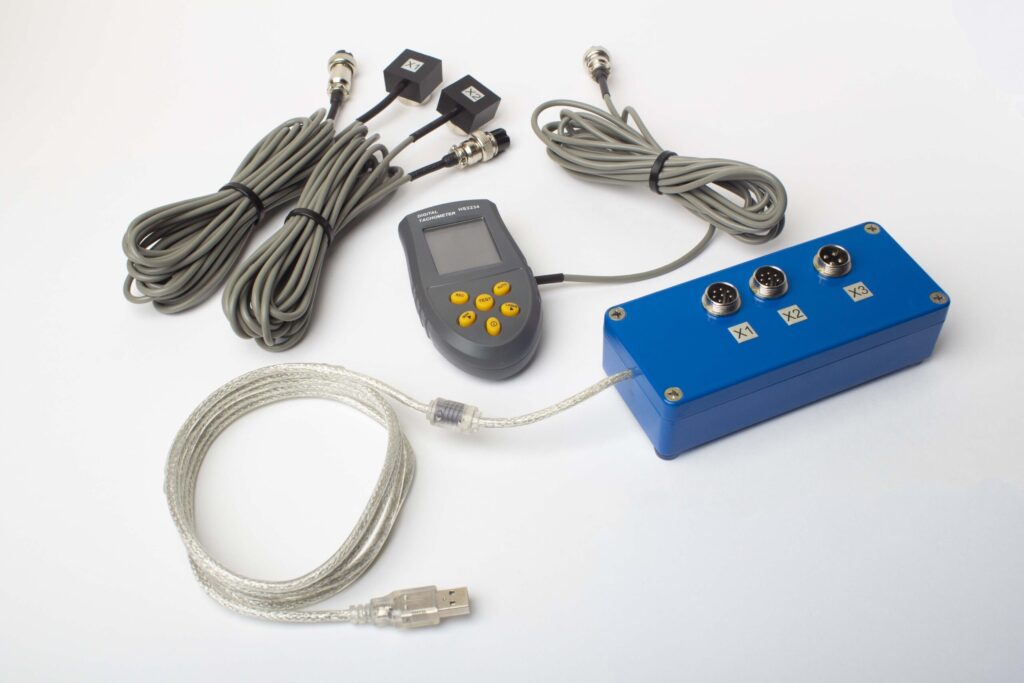
ಪೂರ್ಣ ಸಾಧನ ಪೆಟ್ಟಿಗೆಯಲ್ಲಿ ಏನಿದೆ
€1,975 · ಪೂರ್ಣ ಸಾಧನ ಪೆಟ್ಟಿಗೆ, ಸ್ಟಾಕ್ನಲ್ಲಿ, VAT ಇನ್ವಾಯ್ಸ್
- ಇಂಟರ್ಫೇಸ್ ಮಾಪನ ಘಟಕ (USB, 2 ಚಾನೆಲ್ಗಳು)
- ಎರಡು ವೈಬ್ರೇಶನ್ ಆಕ್ಸೆಲೆರೋಮೀಟರ್ಗಳು (4 ಮೀ ಕೇಬಲ್, 10 ಮೀ ಐಚ್ಛಿಕ)
- ಲೇಜರ್ ಟ್ಯಾಕೋಮೀಟರ್ / ಆಪ್ಟಿಕಲ್ ಹಂತ ಸಂವೇದಕ (50–500 ಮಿಮೀ)
- ಸಂವೇದಕದ ಮ್ಯಾಗ್ನೆಟಿಕ್ ಸ್ಟ್ಯಾಂಡ್
- ಪರೀಕ್ಷಾ ಮತ್ತು ತಿದ್ದುಪಡಿ ತೂಕಗಳಿಗೆ ಡಿಜಿಟಲ್ ಸ್ಕೇಲ್
- ವಿಂಡೋಸ್ ಬ್ಯಾಲೆನ್ಸಿಂಗ್ ಮತ್ತು ವಿಶ್ಲೇಷಣ ಸಾಫ್ಟ್ವೇರ್
- ಪ್ಲಾಸ್ಟಿಕ್ ಟ್ರಾನ್ಸ್ಪೋರ್ಟ್ ಕೇಸ್
ಸಂಪೂರ್ಣ ಕಿಟ್
ಯೂನಿಟ್ · 2 ಸೆನ್ಸರ್ಗಳು · ಲೇಜರ್ ಟ್ಯಾಕೋಮೀಟರ್ · ಮ್ಯಾಗ್ನೆಟಿಕ್ ಸ್ಟ್ಯಾಂಡ್ · ಡಿಜಿಟಲ್ ಸ್ಕೇಲ್ · ಸಾಫ್ಟ್ವೇರ್ · ಟ್ರಾನ್ಸ್ಪೋರ್ಟ್ ಕೇಸ್. ಬಾಕ್ಸ್ನಿಂದ ಬ್ಯಾಲೆನ್ಸಿಂಗ್ ಪ್ರಾರಂಭಿಸಲು ಅಗತ್ಯವಾದ ಎಲ್ಲವೂ ಸೇರಿದೆ.
OEM ಸೆಟ್
ಯೂನಿಟ್ · 2 ಸೆನ್ಸರ್ಗಳು · ಲೇಜರ್ ಟ್ಯಾಕೋಮೀಟರ್ · ಸಾಫ್ಟ್ವೇರ್. ಈಗಾಗಲೇ ಸ್ಟ್ಯಾಂಡ್, ಸ್ಕೇಲ್ ಮತ್ತು ಕೇಸ್ ಹೊಂದಿದ ಅಥವಾ ಯೂನಿಟ್ ಅನ್ನು ಬ್ಯಾಲೆನ್ಸಿಂಗ್ ಮೆಶಿನ್ಗೆ ಅಂತರ್ಗತಗೊಳಿಸುವ ಇಂಟಿಗ್ರೇಟರ್ಗಳಿಗೆ.
| ಪ್ಯಾರಾಮೀಟರ್ | ಮೌಲ್ಯ |
|---|---|
| ಮಾಪನ ಚ್ಯಾನೆಲ್ಗಳು | 2 (ಏಕ- & ದ್ವಿ-ತಲಾ ಬ್ಯಾಲೆನ್ಸಿಂಗ್) |
| ವೈಬ್ರೇಶನ್ ವೇಗ ಶ್ರೇಣಿ | 0.2–80 mm/s RMS |
| ಆವೃತ್ತಿ ವ್ಯಾಪ್ತಿ | 5–1000 Hz (≤10% amplitude error above 550 Hz) |
| ಮಾಪನ ನಿಖುರತೆ | ±5% ಪೂರ್ಣ ಸ್ಕೇಲ್ನ |
| ವಿಧಾನ | 3-ರನ್ ಪ್ರಭಾವ-ಗುಣಾಂಕ (1 ಅಥವಾ 2 ತಲಾಗಳು) |
| ವಿಶ್ಲೇಷಣೆ | 1× ನಲ್ಲಿ ವೈಶಾಲ್ಯ & ಹಂತ, FFT ಸ್ಪೆಕ್ಟ್ರಮ್ & ತರಂಗರೂಪ, ಉಳಿಸಿದ ವರದಿಗಳು |
| ಲ್ಯಾಪ್ಟಾಪ್ | ಸೇರಿಲ್ಲ (ವಿಂಡೋಸ್ PC, ವಿನಂತಿಯ ಮೇರೆಗೆ ಲಭ್ಯವಿದೆ) |
ಫೀಲ್ಡ್ ಬ್ಯಾಲೆನ್ಸಿಂಗ್ ವಿರುದ್ಧ ಬ್ಯಾಲೆನ್ಸಿಂಗ್ ಯಂತ್ರ — ನಿಮ್ಮ ಕಂಬೈನ್ಗೆ ಯಾವುದು ಸರಿಹೊಂದುತ್ತದೆ?
| ಘಟಕ | ಕ್ಷೇತ್ರ ಸಮತೋಲನ (Balanset-1A) | ಸಮತೋಲನ ಯಂತ್ರ (ಕಾರ್ಯಾಲಯ) |
|---|---|---|
| ಕಂಬೈನ್ನಿಂದ ರೋಟರ್ ತೆಗೆದುಹಾಕಲಾಗುತ್ತದೆಯೆ? | ಇಲ್ಲ — ಸ್ಥಳದಲ್ಲಿ ಚಲಿಸುತ್ತದೆ | ಹೌದು — ಸಂಪೂರ್ಣ ವಿಘಟನ ಅಗತ್ಯ |
| ವರ್ಕ್ಶಾಪ್ಗೆ ಸಾಗಣೆಬೇಕೆ? | ಇಲ್ಲ | ಹೌದು — ಡ್ರಮ್ ಅಥವಾ ಚಾಪರ್ ಅನ್ನು ಹೊರತೆಗೆಬೇಕು |
| ಯಂತ್ರ ಸ್ಥಗಿತಾವಧಿ | ಸಂವೇದಕ ಅಳವಡಿಕೆ ಮಾತ್ರ (<15 ನಿಮಿಷ) | ಗಂಟೆಗಳಿಂದ ದಿನಗಳವರೆಗೆ (ತೆಗೆದುಹಾಕುವುದು, ಸಾಗಣೆ, ಬ್ಯಾಲೆನ್ಸ್ ಮಾಡುವುದು, ಮರುಸ್ಥಾಪನೆ) |
| ಸಮತೋಲನ ವೇಗ | ನಿಜವಾದ ಕಾರ್ಯಾಚರಣಾ ವೇಗ & ಬೆಳೆಭಾರ | ಪ್ರತ್ಯೇಕ ಕಡಿಮೆ-ವೇಗದ ಸ್ಪಿಂಡಲ್, ಬೆಳೆಭಾರ ಇಲ್ಲ |
| ಶಾಫ್ಟ್ ವಂಗಿಕೆ & ಮೌಂಟಿಂಗ್ ಅನ್ನು ಲೆಕ್ಕಿಸುತ್ತದೆ | ಹೌದು — ಸಂಪೂರ್ಣ ಅಸೆಂಬ್ಲಿಯನ್ನು ಬ್ಯಾಲೆನ್ಸ್ ಮಾಡಲಾಗುತ್ತದೆ | ಡ್ರಮ್ ದೇಹ ಮಾತ್ರ, ಮೌಂಟಿಂಗ್ ಪರಿಗಣಿಸಲಾಗುವುದಿಲ್ಲ |
| ಮಾನದಂಡಗಳು ಪೂರೈಸಲಾಗಿದೆ | ISO 21940-11, G-ಗ್ರೇಡ್ ದಾಖಲಿಸಲಾಗಿದೆ | ISO 21940-11 |
| ಉಪಕರಣ ವೆಚ್ಚ | €1,975 (ಪೂರ್ಣ ಕಿಟ್) | €10,000 – €50,000+ |
| ವಿಶಿಷ್ಟ ಕೆಲಸ ಸಮಯ | <ಸ್ಥಳದಲ್ಲಿ 1 ಘಂಟೆ | ಒಟ್ಟು 1–3 ದಿನಗಳು |
ಕಂಬೈನ್ ರೋಟರ್ ಓಡಿಸಬಹುದಾದಾಗ ಮತ್ತು ಕಠಿಣತೆಯ ಮಾನದಂಡ ಪೂರ್ತಿಯಾದಾಗ ಫೀಲ್ಡ್ ಬ್ಯಾಲೆನ್ಸಿಂಗ್ವೇ ಆದ್ಯತೆಯ ಆಯ್ಕೆಯಾಗಿದೆ. ಆರಂಭಿಕ ಅಸೆಂಬ್ಲಿಗೆ ಮುನ್ನ ಹೊಸದಾಗಿ ನಿರ್ಮಿಸಿದ ಡ್ರಮ್ಗಳಿಗೆ, ಅಥವಾ ಬೇರೆ ದುರಸ್ತಿ ಕೆಲಸಕ್ಕಾಗಿ ರೋಟರ್ ಅನ್ನು ಹೇಗಾದರೂ ತೆಗೆದುಹಾಕಬೇಕಾದ ಸಂದರ್ಭಗಳಲ್ಲಿ ವರ್ಕ್ಶಾಪ್ ಯಂತ್ರ ಇನ್ನೂ ಸೂಕ್ತವಾಗಿದೆ.
ನಿಜವಾದ ಕಂಬೈನ್-ಬ್ಯಾಲೆನ್ಸಿಂಗ್ ಉದಾಹರಣೆಗಳು
Balanset-1A ಯೊಂದಿಗೆ ಕಂಬೈನ್ ಹಾರ್ವೆಸ್ಟರ್
ಕಾರ್ಯನಿರ್ವಹಿಸುತ್ತಿರುವ ಕಂಬೈನ್ನ ಥ್ರೆಶಿಂಗ್ ಡ್ರಮ್ನ ಹಂತ-ಹಂತದ ಫೀಲ್ಡ್ ಬ್ಯಾಲೆನ್ಸಿಂಗ್, ದಾಖಲಾಗಿದ ಮುಂಚೆ/ನಂತರದ ಫಲಿತಾಂಶಗಳೊಂದಿಗೆ.
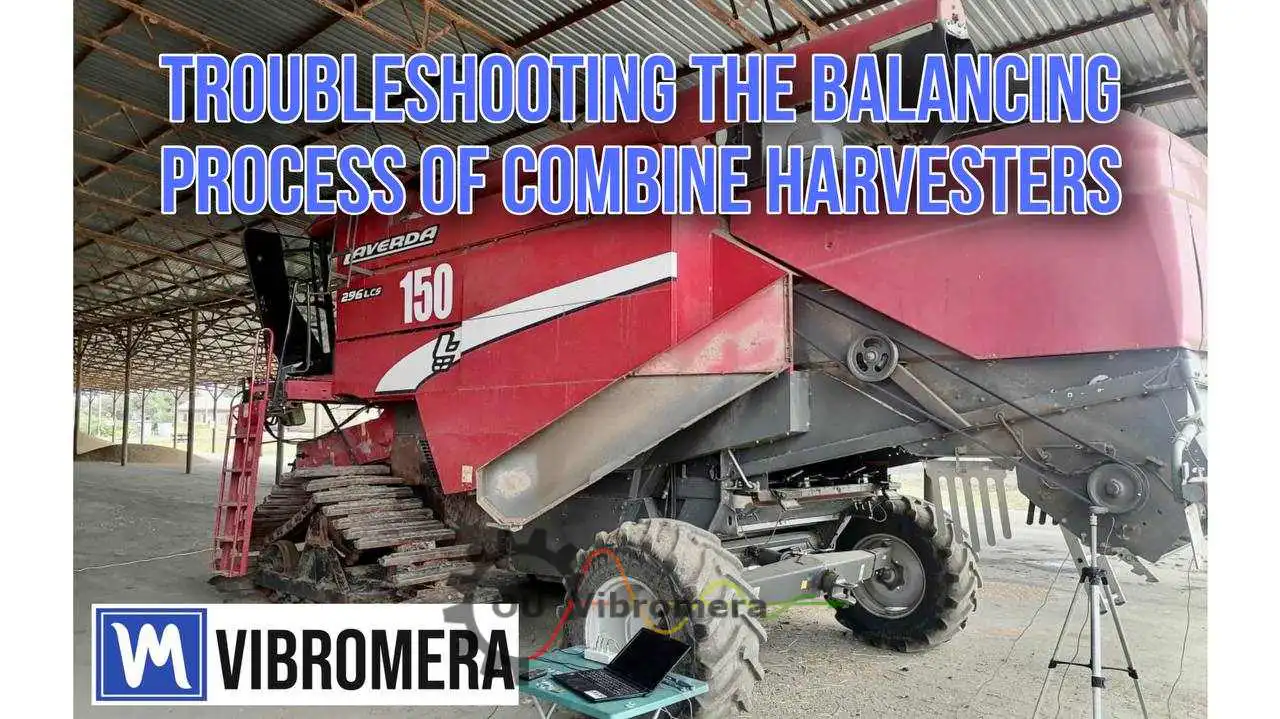
ದುರಸ್ತಿ & ನಿರ್ವಹಣೆಯಲ್ಲಿನ ಉಳಿತಾಯ
ಕಂಬೈನ್ ಬ್ಯಾಲೆನ್ಸಿಂಗ್ ಪ್ರಕ್ರಿಯೆಯ ಟ್ರಬಲ್ಶೂಟಿಂಗ್ — ಬೆರಿಂಗ್ ಮತ್ತು ಬೆಲ್ಟ್ ಬದಲಾವಣಾ ವೆಚ್ಚಗಳಲ್ಲಿ ನೈಜ ಕಡಿತ.
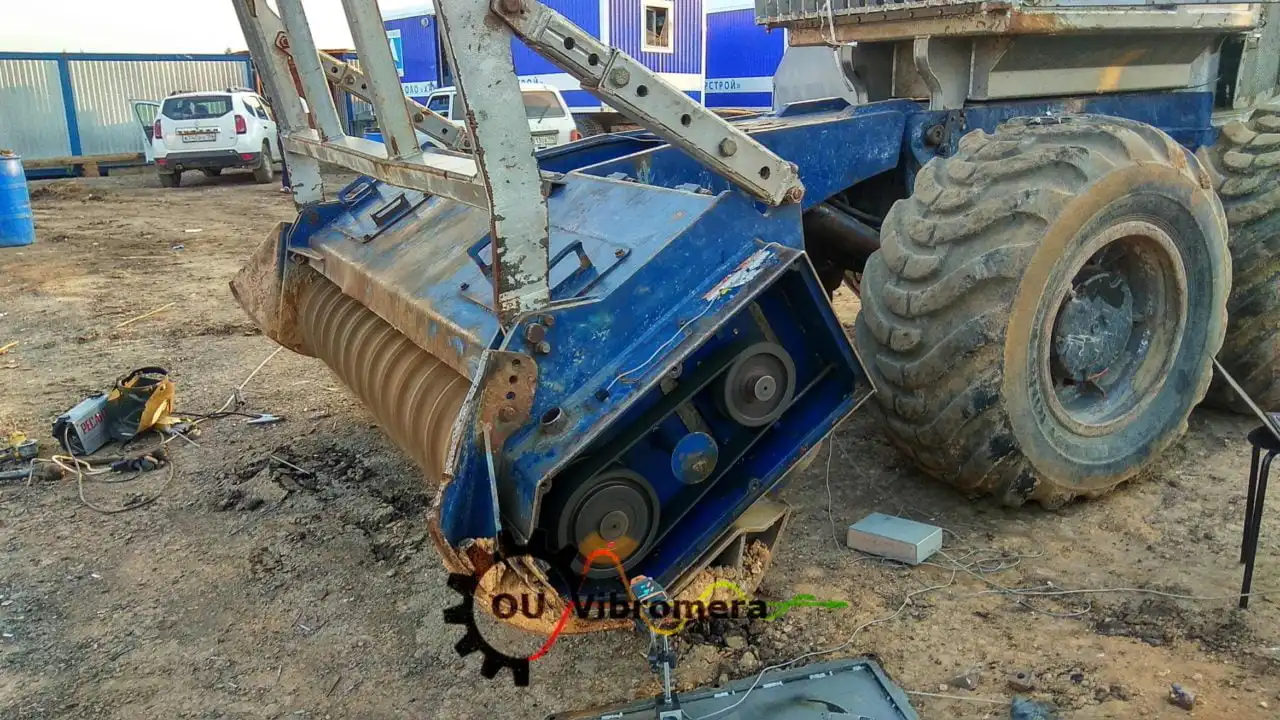
ಮಲ್ಚರ್ಗಳು & ತಿರುಗುವ ಘಟಕಗಳು
ಆಧುನಿಕ ಕಂಬೈನ್ಗಳಲ್ಲಿ ಕಂಡುಬರುವ ವಿವಿಧ ರೋಟರ್ಗಳ ಬ್ಯಾಲೆನ್ಸಿಂಗ್ — ಮಲ್ಚರ್ಗಳು, ಚಾಪರ್ಗಳು ಮತ್ತು ಫೀಡರ್-ಹೌಸ್ ಅಸೆಂಬ್ಲಿಗಳು.
ಉಚಿತ ಕ್ಯಾಲ್ಕುಲೇಟರ್ಗಳು
ಕಂಬೈನ್ ಬ್ಯಾಲೆನ್ಸಿಂಗ್ FAQ
ಬ್ಯಾಲೆನ್ಸ್ ಮಾಡಲು ಡ್ರಮ್ ಅಥವಾ ಚಾಪರ್ ಅನ್ನು ತೆಗೆದುಹಾಕಬೇಕೆ?
ಒಂದು ಸಮತಲವೇ ಅಥವಾ ಎರಡು ಸಮತಲಗಳೇ — ಥ್ರೆಶಿಂಗ್ ಡ್ರಮ್ಗೆ ಯಾವುದು ಬೇಕು?
ಸಾಮಾನ್ಯ ಕಂಬೈನ್ ಬ್ಯಾಲೆನ್ಸಿಂಗ್ ಕೆಲಸಕ್ಕೆ ಎಷ್ಟು ಸಮಯ ಬೇಕಾಗುತ್ತದೆ?
ನಾನು ಯಾವಾಗ ಬ್ಯಾಲೆನ್ಸ್ ಮಾಡಬೇಕು — ಕೊಯ್ಲಿಗೆ ಮುನ್ನವೇ ಅಥವಾ ಕೊಯ್ಲಿನಲ್ಲಿಯೇ?
ನಮ್ಮ ನಿರ್ವಹಣಾ ತಂಡವೇ ಇದನ್ನು ಸ್ವತಃ ಮಾಡಬಹುದೆ?
ಥ್ರೆಶಿಂಗ್ ಡ್ರಮ್ ಯಾವ ಬ್ಯಾಲೆನ್ಸ್ ಗ್ರೇಡ್ ಅನ್ನು ಪೂರೈಸಬೇಕು?
ಸಿದ್ಧಾಂತ ಕಲಿಯಿರಿ
ನಿಮ್ಮ ಕಂಬೈನ್ ರೋಟರ್ಗಳನ್ನು ಹೊಲದಲ್ಲೇ ಬ್ಯಾಲೆನ್ಸ್ ಮಾಡಿ — ಕೊಯ್ಲಿಗೆ ಮುನ್ನ
Balanset-1A ನಿಜವಾದ ಕಾರ್ಯಾಚರಣಾ ವೇಗದಲ್ಲಿ ಥ್ರೆಶಿಂಗ್ ಡ್ರಮ್ಗಳು, ಸ್ಟ್ರಾ ಚಾಪರ್ಗಳು ಮತ್ತು ರೋಟರಿ ಸೆಪರೇಟರ್ಗಳ ಒಂದು- ಮತ್ತು ಎರಡು-ಸಮತಲ ಬ್ಯಾಲೆನ್ಸಿಂಗ್ನಲ್ಲಿ ನಿಮಗೆ ಮಾರ್ಗದರ್ಶನ ನೀಡುತ್ತದೆ, ನಿಖರ ತಿದ್ದುಪಡಿ ಭಾರ ಮತ್ತು ಕೋಣವನ್ನು ಲೆಕ್ಕ ಹಾಕುತ್ತದೆ ಮತ್ತು ಫಲಿತಾಂಶವನ್ನು ISO 21940-11 ಪ್ರಕಾರ ದಾಖಲಿಸುತ್ತದೆ. ಬೇರ್ಪಡಿಸುವ ಕೆಲಸವಿಲ್ಲ, ಕೊಯ್ಲಿನ ದಿನಗಳ ನಷ್ಟವಿಲ್ಲ — ಹೆಚ್ಚು ಮೃದುವಾಗಿ, ಹೆಚ್ಚು ದೀರ್ಘಕಾಲ ಉಳಿಯುವ ರೋಟರ್ಗಳು ಮಾತ್ರ.

