Usluge balansiranja › Žanja i žetveni uređaji
Balansiranje rotora kombajna — na mjestu, pri radnoj brzini
Bubnjevi za tucanje, sječice za slamu, rotacijski separatori i ventilatori za čišćenje gube balans kako se nožice trošim, zamijene ili kako se ostaci kulture nakupljaju asimetrično. Mi balansiramo ove rotore na stroju, u polju, pri radnoj brzini od broj okretaja u minuti — bez demontaže, bez transporta u radionicu — tako da je vaš kombajn spreman za žetvu prije sezone i ostaje spreman.
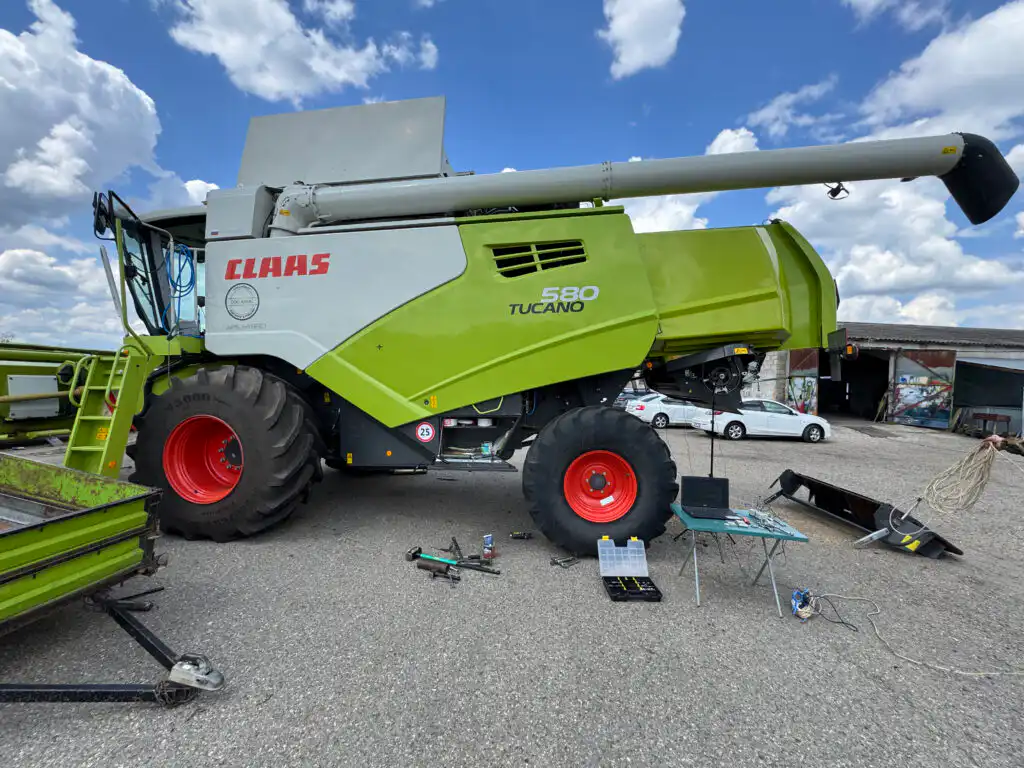
Ukratko: Balansiranje rotora kombajna vrši se na mjestu, pri normalnoj brzini tucanja ili sječenja, koristeći metodu koeficijenta utjecaja. Vibracijski akcelerometar na kućištu ležaja i laserski tahometar na vratilu mjere stanje nebalansirane mase; Balanset-1A izračunava točnu masu korekcije i kutni položaj — u jednoj ili dvije ravnine kako je potrebno. Bez uklanjanja rotora, bez pohoda u radionicu — uobičajeni posao se završi za manje od jedan sat, smanjujući vibracije za 70 % ili više i umnoženjem trajanja ležaja i remena prema tome.
Znakovi da je rotor kombajna nebalansiran
Bubnjevi za tucanje i sječice za slamu podvrgavaju se ozbiljnom mehaničkom naprezanju svake sezone — simptomi nebalansirane mase rotora teško se mogu propustiti iz kabine ili radionice:
Zašto rotori kombajna gube balans — i što to košta
Bubanj za tucanje ili sječica za slamu napuštaju tvoricu ubalansirani, ali svaka sezona poljskog rada postepeno pomjera taj balans. Istrošene ili zamijenjene sječiva i čekići mijenjaju raspodjelu mase; savijena udaračka sredstva mijenjaju geometriju; neravnomjerna sjeckoba i nakupljanje blata dodaje neravnomjernu masu; abrazivno erozija brže otklanja materijal sa izloženih površina; a zavarivanja neizbježno postavljaju više metala na jednu stranu nego na drugu. Budući da centrifugalna sila raste sa kvadrat brzinom rotacije, pomak od 50 g pri 800 o/min — tipična brzina bubnja za mljeću cilindarsku površinu — stvara silu vibriranja od oko 300 N. Pri 1.200 o/min (brzina sječke za slamu), isti pomak prelazi 700 N.
Ako se ostavi neispravljen, taj ciklički dio-s silo uništava ležajeve i remene, prskava telo bubnja i okvir oko njega, pogoršava kvalitetu separacije zrna (gubici separacije rastu kako bubanj vibrira), te forsiira neplanirani prekid sredi žetvu. Jednu terensku sesiju balansiranjaâ — obično manju od sat vremena, na samoj mašini — uklanja uzrok umjesto da se ponavljajuće zamjenjuju dijelovi koje on uništava.
Zašto polavljenje vibracija mnogostruko produžava vijek trajanja ležaja
Kako balansiramo rotor kombinea — korak po korak
Terensko balansiranje sa Balanset-1A slijedi metodu koeficijenta utjecaja — istu sustavnu proceduru koju možete provesti sami, na mašini, na terenu:
- Montaža senzora. Akcelerometar za vibracije je fiksiran na kućištu ležaja bubnja ili čekića, a laserski tahometar je usmjeren na reflektivnu traku na vratilu. Nije potreban razdemontaž — rotor radi pri normalnoj brzini rada kroz cijelu proceduru.
- Izmjerite baznu vrijednost. Jedna vožnja pri punoj radnoj brzini bilježi amplitudu vibracija i kut faze, utvrđujući trenutno stanje neuravnoteženosti po veličini i smjeru.
- Dodajte probnu masu. Poznata ispitna masa je zakovana ili privremeno pričvršćena na ploču kraja bubnja, prirubicu čekića ili rotoški disk. Druga vožnja pokazuje kako se rotor odaziva na tu masu na poznatoj kutnoj poziciji — koeficijent utjecaja.
- Dozvoli uređaju da izračuna. Balanset-1A primjenjuje algoritam koeficijenta utjecaja da bi izračunao točnu masu ispravljanja i kutnu poziciju — jednu ravninu za kratke ventilatore za čišćenje i hranilice rotore, dvije ravnine za dugačke bubnjeve za mljeću cilindarsku površinu i sječke za slamu.
- Montaž korekcijske mase. Zavarujte, pričvrstite zakovicama ili učvrstite izračunanu masu na navedenu kutnu poziciju na krajnjem disku bubnja, nosaču sječiva ili prirubici čekića. Uklonite ispitnu masu osim ako ne čini dio rješenja.
- Provjerite i dokumentirajte. Konačna mjerna vožnja potvrđuje da je rezidualna neuravnoteženost u okviru ISO tolerancijskog raspona za razred balansiranja rotora. Balanset-1A čuva izvještaj o balansiranju za vaše zapise održavanja.
Što balansiramo na kombineima i žitnim kombajnima
- Bubnjevi za mljeću cilindarsku površinu i udaračka sredstva
- Sječke za slamu i rasipaču
- Rotacijski separatori & valovnici slame
- Ventilatori za čišćenje & hlađenje
- Rotori podavača
- Rotori drobilice & cjepača
- Puževi & transportni vijci
- Vratila pogona & remenice remenske transmisije
- Bubnjevi rezača berača hrane
- Lanci skupljanja & valjci lomljenja kukuruza
Tolerancije i standardi
ISO 21940-11 (prije ISO 1940-1) definira razrede kvalitete balansiranja krutih rotora od G0.4 do G4000. Vrste poljoprivrednih rotora i preporučeni razredi:
| Tip rotora | Preporučeni razred | Dozvoljena preostala neuravnoteženost (primjer: rotor od 80 kg pri 800 rpm) |
|---|---|---|
| Bubanj za vršenje (poljske kulture) | G6.3 | ≈6020 g·mm ukupno |
| Sitnjač slame / rotor s cjepačem | G6.3 | ≈6020 g·mm ukupno |
| Ventilator za čišćenje & ventilator za hlađenje | G2.5 | ≈2390 g·mm ukupno |
| Podavač / rotacijski separator | G6.3 – G16 | Zavisi od primjene |
Vršimo balansiranje do razreda koji zahtijeva vaša primjena i bilježimo postignuću preostalog neuravnoteženost u izvještaju kako biste imali provjerjiv zapis. Koristite naš kalkulator rezidualne neuravnoteženosti da pronađete dozvoljenu toleranciju prije nego što započnete.
Balanset-1A — vaš kompletan komplet za balansiranje na terenu
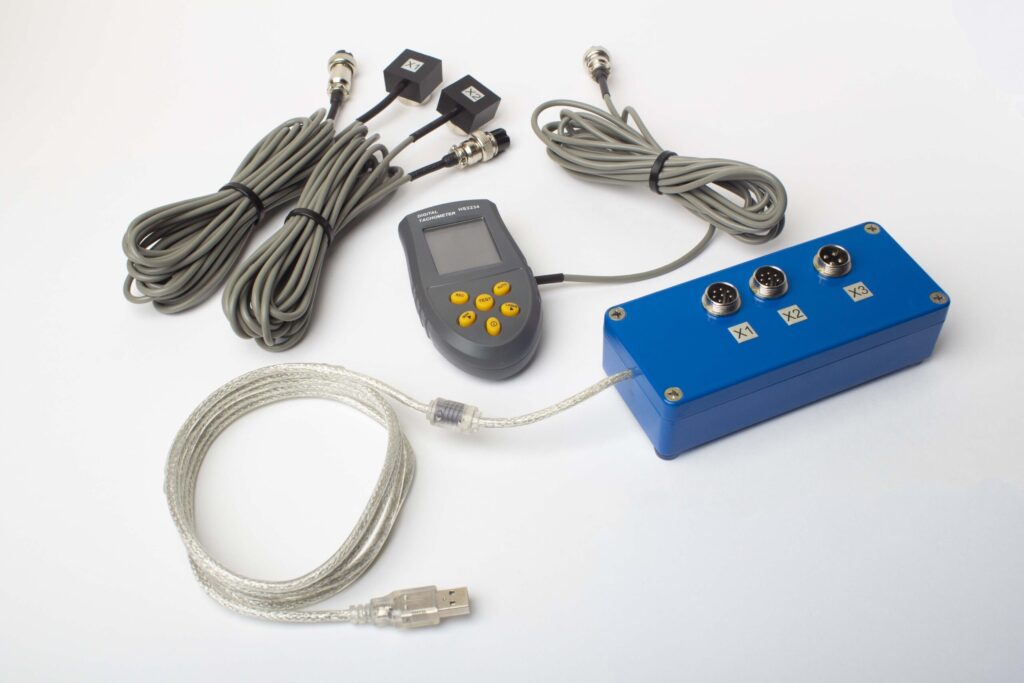
Sve što je na ovoj stranici obavljeno je jednim prenosivim instrumentom: sa Balanset-1A. To je dvokanalski dinamički balansir i analizator vibracija koji balansira rotore kombajnskih žitarica — bubnjeve za vršenje, sitnjače slame, rotacijske separatore — u njihovim sopstvenim ležajevima, pri radnoj brzini, koristeći metodu sa tri pokreta koeficijenta uticaja — softver izračunava tačnu masu i ugao korekcije i čuva izveštaj.
Šta se nalazi u kompletu
€1.975 · Kompletan komplet, dostupan, račun sa PDV-om
- Interfejsna mjerna jedinica (USB, 2 kanala)
- Dva akcelerometra za vibracije (4 m kabel, 10 m opciono)
- Laserski tahometar / optički senzor faze (50–500 mm)
- Magnetni stalak za senzor
- Digitalna vaga za probne i korektivne težine
- Windows softver za balansiranje i analizu
- Plastični transportni kofer
Kompletan set
Jedinica · 2 senzora · laserski tahometar · magnetni stalak · digitalna vaga · softver · transportni kofer. Sve što je potrebno da počnete sa balansiranjem iz kutije.
OEM set
Jedinica · 2 senzora · laserski tahometar · softver. Za integratere koji već imaju stalak, vagu i kofer, ili koji ugradnjuju jedinicu u mašinu za balansiranje.
| Parametar | Vrijednost |
|---|---|
| Kanali mjerenja | 2 (jednoplanski i dvoplanski balans) |
| Raspon brzine vibracije | 0.02–80 mm/s RMS |
| Raspon frekvencije | 5–1000 Hz (≤10% greška amplitude iznad 550 Hz) |
| Tačnost mjerenja | ±5% pune skale |
| Metoda | 3-prolazni koeficijent uticaja (1 ili 2 ravni) |
| Analiza | Amplituda i faza na 1×, FFT spektar i talasni oblik, sačuvana izvještaja |
| Laptop | Nije uključeno (Windows PC, dostupno na zahtjev) |
Uravnotežavanje na mjestu vs uravnotežavač — koji je pravi izbor za vašu kombajn?
| Faktor | Balansiranje u pogonu (Balanset-1A) | Stroj za balansiranje (radionica) |
|---|---|---|
| Rotor uklonjen iz kombajne? | Ne — radi na licu mjesta | Da — potrebno potpuno rastavljanje |
| Transport u radionicu? | Ne | Da — doboš ili sjekaonica mora biti izvučena |
| Zastoj mašine | Samo ugradnja senzora (<15 min) | Sate do dana (vađenje, transport, balanseranje, ponovno postavljanje) |
| Brzina balansiranja | Stvarna brzina rada & opterećenje žetve | Odvojena niskobrzinska vretena, bez opterećenja žetve |
| Uzima u obzir fleksiju vratila & montaž | Da — kompletan sklop uravnotežan | Samo telo doboša, montaž se ne uzima u obzir |
| Ispunjeni standardi | ISO 21940-11, dokumentovana G-klasa | ISO 21940-11 |
| Cijena opreme | €1,975 (Kompletna oprema) | €10.000 – €50.000+ |
| Tipično vrijeme posla | <1 sat na terenu | 1–3 dana ukupno |
Uravnotežavanje na mjestu je preferirani izbor kad god se rotor kombajne može pokrenuti i kad je ispunjen kriterijum krutosti. Mašina u radionici ostaje odgovarajuća za nove doboše prije početne montaže, ili kad rotor već treba ukloniti zbog nekog drugog popravka.
Primjeri stvarnog uravnotežavanja kombajne
Kombajn za žetvu sa Balanset-1A
Korak-po-korak uravnotežavanje doboša za vršidbu na radnoj kombajni, sa dokumentovanim prije/poslije rezultatima.
Uštede na popravcima & održavanju
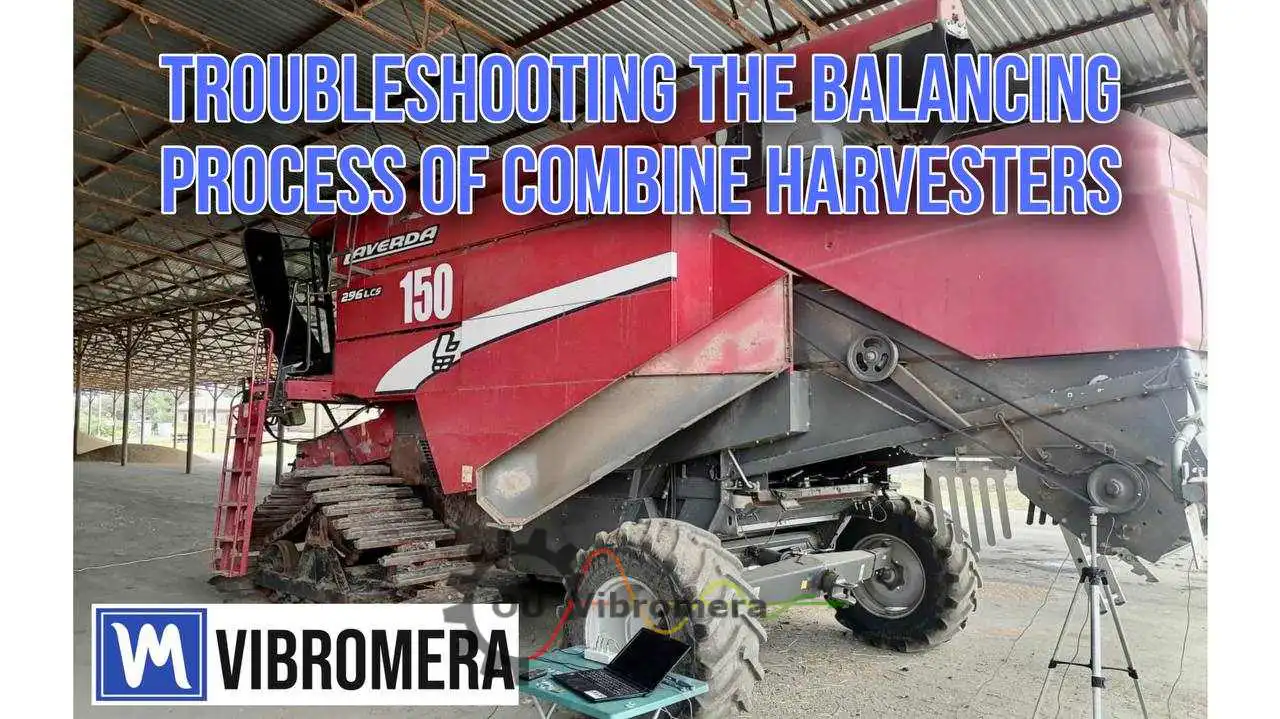
Rješavanje problema kod procesa uravnotežavanja kombajne — stvarno smanjenje troškova zamjene ležajeva i remena.
Sitnjači & rotirajući elementi
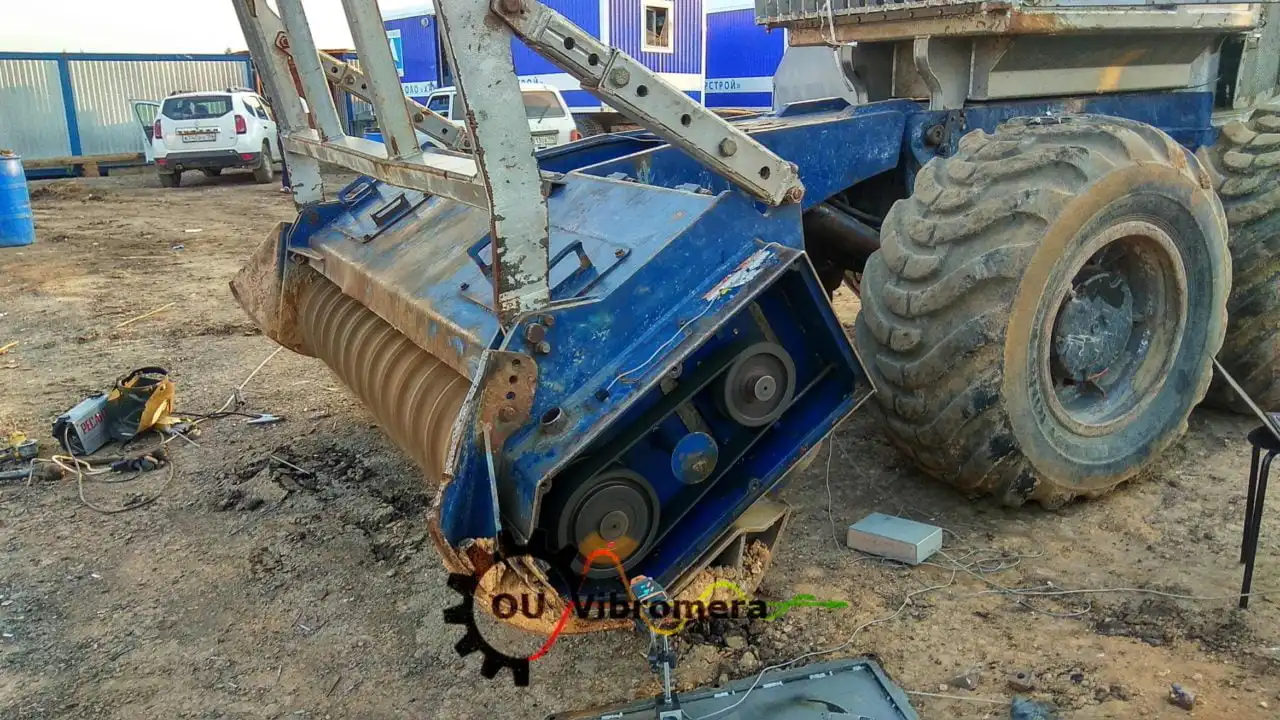
Uravnotežavanje raznovrsnih rotora pronađenih u modernim kombajnama — sitnjači, sjekaonike i sklopove kućišta hranilice.
Besplatni kalkulatori
Često postavljana pitanja o uravnoteživanju kombinuija
Moram li ukloniti bubanj ili sjeckač da ga uravnotežim?
Jedna ravnina ili dvije ravnine — koju od toga treba bubanj za tucanje?
Koliko dugo traje tipičan posao uravnoteživanja kombinuija?
Kada trebam uravnotežiti — prije ili tijekom žetvi?
Može li to naš tim za održavanje obaviti sami?
Koju klasu uravnoteženosti treba bubanj za tucanje zadovoljiti?
Naučite teoriju
Uravnotežite rotore vašeg kombinuija na njivi — prije žetvi
Balanset-1A vas vodi kroz jednoravninsko i dvoravninsko uravnoteživanje bubnjeva za vršidbu, sjeckača slame i rotacijskih separatora pri stvarnoj radnoj brzini, izračunava točnu masu i kut korekcije, i dokumentira rezultat prema ISO 21940-11. Bez rastavljanja, bez izgubljenih dana žetvi — samo glaći, trajniji rotori.

