ਪੋਲ ਪਾਸ ਫ੍ਰੀਕੁਐਂਸੀ (Pole Pass Frequency) ਨੂੰ ਸਮਝਣਾ

ਪੋਲ ਪਾਸ ਬਾਰੰਬਾਰਤਾ (PPF) ਘੱਟ-ਬਾਰੰਬਾਰਤਾ ਵਾਲਾ ਵਾਈਬ੍ਰੇਸ਼ਨ ਕੰਪੋਨੈਂਟ ਹੈ ਜੋ AC ਇੰਡਕਸ਼ਨ ਮੋਟਰ ਵਿੱਚ ਉਦੋਂ ਪੈਦਾ ਹੁੰਦਾ ਹੈ ਜਦੋਂ ਘੁੰਮਦਾ ਚੁੰਬਕੀ ਖੇਤਰ ਰੋਟਰ ਦੇ ਸਾਪੇਖ ਸਲਿੱਪ ਕਰਦਾ ਹੈ। ਇਸਦੀ ਗਣਨਾ ਪੋਲਾਂ ਦੀ ਗਿਣਤੀ ਨੂੰ ਸਲਿੱਪ ਬਾਰੰਬਾਰਤਾ: PPF = ਪੋਲਾਂ ਦੀ ਗਿਣਤੀ × (ਸਿੰਕ੍ਰੋਨਸ ਸਪੀਡ − ਅਸਲ ਸਪੀਡ) / 60 ਨਾਲ ਗੁਣਾ ਕਰਕੇ ਕੀਤੀ ਜਾਂਦੀ ਹੈ। ਕਿਉਂਕਿ ਸਲਿੱਪ ਬਹੁਤ ਘੱਟ ਹੁੰਦੀ ਹੈ, PPF ਬਹੁਤ ਘੱਟ ਬਾਰੰਬਾਰਤਾ ਵਾਲੀ ਹੁੰਦੀ ਹੈ — ਆਮ ਤੌਰ 'ਤੇ ਸਿਰਫ਼ ਕੁਝ ਹਰਟਜ਼ — ਅਤੇ ਇਹ ਆਮ ਤੌਰ 'ਤੇ ਇੱਕ ਇਕੱਲੀ ਪੀਕ ਦੇ ਰੂਪ ਵਿੱਚ ਨਹੀਂ, ਸਗੋਂ ਸਾਈਡਬੈਂਡਸ ਦੇ ਰੂਪ ਵਿੱਚ ਦਿਖਾਈ ਦਿੰਦੀ ਹੈ, ਜੋ ਚੱਲਣ-ਸਪੀਡ ਅਤੇ ਲਾਈਨ-ਬਾਰੰਬਾਰਤਾ ਕੰਪੋਨੈਂਟਾਂ ਦੇ ਆਲੇ-ਦੁਆਲੇ PPF 'ਤੇ ਸਪੇਸਡ ਹੁੰਦੀ ਹੈ। ਇਹ ਸਲਿੱਪ-ਸਬੰਧਤ ਮੌਡੂਲੇਸ਼ਨ ਬਹੁਤ ਵੱਧ ਜਾਂਦੀ ਹੈ ਜਦੋਂ ਮੋਟਰ ਵਿੱਚ ਏਅਰ-ਗੈਪ ਸਨਕੀਪਣ (eccentricity), ਟੁੱਟੇ ਹੋਏ ਰੋਟਰ ਬਾਰ, ਜਾਂ ਰੋਟਰ-ਟੂ-ਸਟੇਟਰ ਅਲਾਈਨਮੈਂਟ ਸਮੱਸਿਆ ਹੋਵੇ। ਇਸੇ ਕਾਰਨ, PPF ਵੱਖ ਕਰਨ ਲਈ ਸਭ ਤੋਂ ਲਾਭਦਾਇਕ ਸੰਦਾਂ ਵਿੱਚੋਂ ਇੱਕ ਹੈ ਇਲੈਕਟ੍ਰੀਕਲ ਨੁਕਸਾਂ ਨੂੰ ਸ਼ੁੱਧ ਮਕੈਨੀਕਲ ਸਮੱਸਿਆਵਾਂ ਤੋਂ।
PPF ਡਾਇਗਨੌਸਟਿਕ ਤੌਰ 'ਤੇ ਮਹੱਤਵਪੂਰਨ ਹੈ ਕਿਉਂਕਿ ਵਧੀਆਂ ਹੋਈਆਂ ਸਾਈਡਬੈਂਡਸ ਜੋ ਇਸ ਬਾਰੰਬਾਰਤਾ 'ਤੇ ਸਪੇਸਡ ਹੁੰਦੀਆਂ ਹਨ, ਸਿੱਧੇ ਤੌਰ 'ਤੇ ਇੱਕ ਇਲੈਕਟ੍ਰੋਮੈਗਨੈਟਿਕ ਸਮੱਸਿਆ ਵੱਲ ਇਸ਼ਾਰਾ ਕਰਦੀਆਂ ਹਨ — ਇੱਕ ਸਨਕੀ ਰੋਟਰ, ਟੁੱਟੇ ਹੋਏ ਰੋਟਰ ਬਾਰ, ਇੱਕ ਗੈਰ-ਇਕਸਾਰ ਏਅਰ ਗੈਪ, ਜਾਂ ਡਾਇਨਾਮਿਕ ਰੋਟਰ–ਸਟੇਟਰ ਪਰਸਪਰ ਪ੍ਰਭਾਵ — ਨਾ ਕਿ ਅਸੰਤੁਲਨ ਜਾਂ ਮਿਸਅਲਾਈਨਮੈਂਟ। ਸਹੀ ਢੰਗ ਨਾਲ ਪੜ੍ਹਿਆ ਜਾਵੇ ਤਾਂ, ਇਹ ਵਿਸ਼ਲੇਸ਼ਕ ਨੂੰ ਦੱਸਦਾ ਹੈ ਕਿ ਮੋਟਰ ਖੋਲ੍ਹਣੀ ਹੈ ਜਾਂ ਟ੍ਰੇਨ ਦੇ ਕਿਸੇ ਹੋਰ ਹਿੱਸੇ ਵੱਲ ਦੇਖਣਾ ਹੈ।
1. ਪੋਲ ਪਾਸ ਫ੍ਰੀਕੁਐਂਸੀ ਦੀ ਗਣਨਾ
ਮੂਲ ਫਾਰਮੂਲਾ
- PPF = P × (Nਸਿੰਕ੍ਰੋਨਸ − N) / 60
- ਜਿੱਥੇ P = ਧਰੁਵਾਂ ਦੀ ਗਿਣਤੀ,
- Nਸਿੰਕ੍ਰੋਨਸ = RPM ਵਿੱਚ ਸਿੰਕ੍ਰੋਨਸ ਸਪੀਡ (Nਸਿੰਕ੍ਰੋਨਸ = 120 × ਲਾਈਨ ਬਾਰੰਬਾਰਤਾ / P),
- N = RPM ਵਿੱਚ ਅਸਲ ਰੋਟਰ ਸਪੀਡ,
- ਅਤੇ ਨਤੀਜਾ Hz ਵਿੱਚ ਹੈ। (Nਸਿੰਕ੍ਰੋਨਸ − N) / 60 ਟਰਮ Hz ਵਿੱਚ ਦਰਸਾਈ ਗਈ ਸਲਿੱਪ ਬਾਰੰਬਾਰਤਾ ਹੈ।
ਧਿਆਨ ਦਿਓ ਕਿ PPF ਇਸ 'ਤੇ ਆਧਾਰਿਤ ਹੈ ਫ਼ਰਕ ਸਿੰਕ੍ਰੋਨਸ ਅਤੇ ਅਸਲ ਸਪੀਡ ਵਿਚਕਾਰ — ਸਲਿੱਪ। ਬਿਨਾਂ ਲੋਡ ਦੇ ਇੱਕ ਇੰਡਕਸ਼ਨ ਮੋਟਰ ਲਗਭਗ ਸਿੰਕ੍ਰੋਨਸ ਸਪੀਡ 'ਤੇ ਚੱਲਦੀ ਹੈ, ਇਸ ਲਈ PPF ਲਗਭਗ ਜ਼ੀਰੋ ਤੱਕ ਪਹੁੰਚ ਜਾਂਦੀ ਹੈ; ਜਿਵੇਂ-ਜਿਵੇਂ ਲੋਡ ਵਧਦਾ ਹੈ, ਸਲਿੱਪ ਅਤੇ ਇਸ ਲਈ PPF ਵੀ ਇਸਦੇ ਨਾਲ ਵਧਦੀ ਹੈ, ਆਮ ਤੌਰ 'ਤੇ ਰੇਟਿਡ ਲੋਡ 'ਤੇ ਲਗਭਗ 0.5–3.5 Hz ਦੀ ਰੇਂਜ ਵਿੱਚ ਖਤਮ ਹੁੰਦੀ ਹੈ। PPF ਨੂੰ ਸ਼ੁੱਧ ਮਕੈਨੀਕਲ ਆਰਡਰ P × ਚੱਲਣ ਸਪੀਡ ਨਾਲ ਭੰਬਲਭੂਸੇ ਵਿੱਚ ਨਾ ਪਾਓ (1750 RPM 'ਤੇ ਇੱਕ 4-ਪੋਲ ਮੋਟਰ ਲਈ ਇਹ ਲਗਭਗ 116.7 Hz ਹੈ) — ਇਹ ਸ਼ਾਫਟ ਰੋਟੇਸ਼ਨ ਦਾ ਇੱਕ ਹਾਰਮੋਨਿਕ ਹੈ, ਪੋਲ ਪਾਸ ਬਾਰੰਬਾਰਤਾ ਨਹੀਂ। ਜਦੋਂ ਤੁਹਾਨੂੰ ਚੱਲਣ ਸਪੀਡ ਨੂੰ ਜਲਦੀ ਆਰਡਰਾਂ ਦੇ ਇੱਕ ਪਰਿਵਾਰ ਵਿੱਚ ਬਦਲਣ ਦੀ ਲੋੜ ਹੋਵੇ, ਸਾਡਾ ਹਾਰਮੋਨਿਕ ਫ੍ਰੀਕੁਐਂਸੀ ਕੈਲਕੁਲੇਟਰ RPM ਨੂੰ Hz ਵਿੱਚ 1×–10× ਆਰਡਰਾਂ ਵਿੱਚ ਬਦਲਦਾ ਹੈ, ਅਤੇ ਮੋਟਰ ਇਲੈਕਟ੍ਰੀਕਲ ਖਰਾਬੀ ਫ੍ਰੀਕੁਐਂਸੀ ਕੈਲਕੁਲੇਟਰ ਇਲੈਕਟ੍ਰੋਮੈਗਨੈਟਿਕ ਫ੍ਰੀਕੁਐਂਸੀਆਂ ਨੂੰ ਨਾਲ-ਨਾਲ ਦਰਸਾਉਂਦਾ ਹੈ।
ਹੱਲ ਕੀਤੀਆਂ ਉਦਾਹਰਨਾਂ
1750 RPM (60 Hz ਸਪਲਾਈ) 'ਤੇ 4-ਧਰੁਵ ਮੋਟਰ:
- ਸਿੰਕ੍ਰੋਨਸ ਸਪੀਡ Nਸਿੰਕ੍ਰੋਨਸ = 120 × 60 / 4 = 1800 RPM.
- ਸਲਿੱਪ ਬਾਰੰਬਾਰਤਾ = (1800 − 1750) / 60 = 0.83 Hz.
- PPF = 4 × (1800 − 1750) / 60 = 3.33 Hz
- ਵਾਈਬ੍ਰੇਸ਼ਨ ਵਿੱਚ ਸਪੈਕਟ੍ਰਮ ਇਹ 1× ਚੱਲਣ-ਸਪੀਡ ਪੀਕ (29.2 Hz) ਅਤੇ 2× ਲਾਈਨ ਬਾਰੰਬਾਰਤਾ (120 Hz) ਦੇ ਆਲੇ-ਦੁਆਲੇ ±3.33 Hz ਸਪੇਸਡ ਸਾਈਡਬੈਂਡਾਂ ਦੇ ਰੂਪ ਵਿੱਚ ਦਿਖਾਈ ਦਿੰਦੀ ਹੈ — ਸਨਕੀਪਣ ਅਤੇ ਟੁੱਟੇ ਹੋਏ ਰੋਟਰ ਬਾਰਾਂ ਲਈ ਇੱਕ ਡਾਇਗਨੌਸਟਿਕ ਪੈਟਰਨ।
970 RPM (50 Hz ਸਪਲਾਈ) 'ਤੇ 6-ਧਰੁਵ ਮੋਟਰ:
- ਸਿੰਕ੍ਰੋਨਸ ਸਪੀਡ Nਸਿੰਕ੍ਰੋਨਸ = 120 × 50 / 6 = 1000 RPM.
- ਸਲਿੱਪ ਬਾਰੰਬਾਰਤਾ = (1000 − 970) / 60 = 0.5 Hz.
- PPF = 6 × (1000 − 970) / 60 = 3.0 Hz
- 1× ਪੀਕ (16.2 Hz) ਜਾਂ 2× ਲਾਈਨ ਬਾਰੰਬਾਰਤਾ (100 Hz) ਦੇ ਆਲੇ-ਦੁਆਲੇ ਸਿਰਫ਼ ±3.0 Hz ਸਪੇਸਡ ਸਾਈਡਬੈਂਡਾਂ ਨੂੰ ਖੁੰਝਾਉਣਾ ਆਸਾਨ ਹੈ।
- ਇਨ੍ਹਾਂ ਨੂੰ ਹੱਲ ਕਰਨ ਲਈ ਧਿਆਨ ਨਾਲ, ਉੱਚ-ਰੈਜ਼ੋਲਿਊਸ਼ਨ ਸਪੈਕਟ੍ਰਲ ਵਿਸ਼ਲੇਸ਼ਣ.
2. ਭੌਤਿਕ ਵਿਧੀ
ਇਲੈਕਟ੍ਰੋਮੈਗਨੈਟਿਕ ਬਲ ਕਿਵੇਂ ਪੈਦਾ ਹੁੰਦਾ ਹੈ
PPF ਪੈਦਾ ਕਰਨ ਵਾਲੀਆਂ ਘਟਨਾਵਾਂ ਦੀ ਲੜੀ ਸਿੱਧੀ ਹੈ:
- ਸਟੇਟਰ ਵਿੰਡਿੰਗਜ਼ ਇੱਕ ਚੁੰਬਕੀ ਖੇਤਰ ਬਣਾਉਂਦੀਆਂ ਹਨ ਜੋ ਸਿੰਕ੍ਰੋਨਸ ਸਪੀਡ 'ਤੇ ਘੁੰਮਦਾ ਹੈ।
- ਉਹ ਖੇਤਰ N–S–N–S ਪੈਟਰਨ ਵਿੱਚ ਚੁੰਬਕੀ ਧਰੁਵਾਂ ਵਿੱਚ ਸੰਗਠਿਤ ਹੁੰਦਾ ਹੈ।
- ਰੋਟਰ ਸਲਿੱਪ ਦੇ ਕਾਰਨ ਥੋੜ੍ਹਾ ਹੌਲੀ ਚੱਲਦਾ ਹੈ, ਇਸ ਲਈ ਫੀਲਡ ਪੋਲ ਲਗਾਤਾਰ ਰੋਟਰ ਦੇ ਸਾਪੇਖ ਖਿਸਕਦੇ ਰਹਿੰਦੇ ਹਨ, ਇਸ ਦੀ ਬਜਾਏ ਕਿ ਇਸ ਨਾਲ ਲਾਕ ਰਹਿਣ।
- ਹਰ ਵਾਰ ਜਦੋਂ ਇੱਕ ਫੀਲਡ ਪੋਲ ਰੋਟਰ 'ਤੇ ਕਿਸੇ ਖਾਸ ਸਥਾਨ (ਇੱਕ ਉੱਚ-ਰੋਧ ਵਾਲਾ ਬਾਰ, ਏਅਰ ਗੈਪ ਦਾ ਇੱਕ ਸਨਕੀ ਪਾਸਾ) ਤੋਂ ਲੰਘਦਾ ਹੈ, ਉਸ ਸਥਾਨ 'ਤੇ ਕੰਮ ਕਰਨ ਵਾਲਾ ਚੁੰਬਕੀ ਬਲ ਮੌਡੂਲੇਟ ਹੁੰਦਾ ਹੈ।
- ਨਾਲ P ਪੋਲਾਂ, ਉਹ ਸਥਾਨ ਲੰਘਦਾ ਹੈ P ਹਰ ਸਲਿੱਪ ਚੱਕਰ ਵਿੱਚ ਵਾਰ।
- ਨਤੀਜੇ ਵਜੋਂ ਮੌਡੂਲੇਸ਼ਨ ਦੀ ਬਾਰੰਬਾਰਤਾ ਇਸ ਲਈ P × ਸਲਿੱਪ ਬਾਰੰਬਾਰਤਾ = PPF ਹੈ — ਚੱਲਣ-ਸਪੀਡ ਅਤੇ ਲਾਈਨ-ਬਾਰੰਬਾਰਤਾ ਵਾਈਬ੍ਰੇਸ਼ਨ 'ਤੇ ਸੁਪਰਇੰਪੋਜ਼ਡ ਇੱਕ ਹੌਲੀ “ਬੀਟਿੰਗ”।
ਸਮਾਨ ਏਅਰ ਗੈਪ — ਇੱਕ ਸਿਹਤਮੰਦ ਮੋਟਰ
- ਰੋਟਰ ਸਟੇਟਰ ਬੋਰ ਦੇ ਕੇਂਦਰ ਵਿੱਚ ਹੈ।
- ਏਅਰ ਗੈਪ ਪੂਰੇ ਘੇਰੇ ਦੁਆਲੇ ਸਮਾਨ ਹੈ।
- ਚੁੰਬਕੀ ਬਲ ਸੰਤੁਲਿਤ ਹਨ ਅਤੇ ਇੱਕ-ਦੂਜੇ ਨੂੰ ਰੱਦ ਕਰਦੇ ਹਨ।
- ਇਸ ਲਈ PPF-ਸਬੰਧਤ ਮੌਡੂਲੇਸ਼ਨ ਐਂਪਲੀਟਿਊਡ ਵਿੱਚ ਬਹੁਤ ਘੱਟ ਹੁੰਦੀ ਹੈ।
ਐਕਸੈਂਟ੍ਰਿਕ ਏਅਰ ਗੈਪ — ਇੱਕ ਖਰਾਬ ਮੋਟਰ
- ਰੋਟਰ ਕੇਂਦਰ ਤੋਂ ਬਾਹਰ ਬੈਠਦਾ ਹੈ ਬੀਅਰਿੰਗ ਘਿਸਾਵਟ, ਇੱਕ ਝੁਕਿਆ ਹੋਇਆ ਸ਼ਾਫਟ, ਜਾਂ ਇੱਕ ਨਿਰਮਾਣ ਗਲਤੀ ਕਾਰਨ।
- ਏਅਰ ਗੈਪ ਇੱਕ ਪਾਸੇ ਛੋਟਾ ਅਤੇ ਦੂਜੇ ਪਾਸੇ ਵੱਡਾ ਹੁੰਦਾ ਹੈ।
- ਚੁੰਬਕੀ ਬਲ ਅਸੰਤੁਲਿਤ ਹੋ ਜਾਂਦੇ ਹਨ — ਜਿੱਥੇ ਗੈਪ ਛੋਟਾ ਹੁੰਦਾ ਹੈ, ਉੱਥੇ ਵੱਧ ਮਜ਼ਬੂਤ।
- ਇੱਕ ਸ਼ੁੱਧ ਰੇਡੀਅਲ ਬਲ ਪ੍ਰਗਟ ਹੁੰਦਾ ਹੈ — ਅਸੰਤੁਲਿਤ ਚੁੰਬਕੀ ਖਿੱਚ — ਅਤੇ ਇਹ PPF 'ਤੇ ਮੌਡੂਲੇਟ ਹੁੰਦਾ ਹੈ ਜਦੋਂ ਫੀਲਡ ਪੋਲ ਗੈਪ ਦੇ ਸੰਕੁਚਿਤ ਪਾਸੇ ਤੋਂ ਖਿਸਕਦੇ ਹਨ।
- PPF 'ਤੇ ਸਪੇਸਡ ਸਾਈਡਬੈਂਡ ਮੁੱਖ ਸਪੈਕਟ੍ਰਲ ਪੀਕਾਂ ਦੇ ਆਲੇ-ਦੁਆਲੇ ਵਿਕਸਿਤ ਹੁੰਦੇ ਹਨ ਅਤੇ ਗੰਭੀਰਤਾ ਨਾਲ ਵਧਦੇ ਹਨ।
3. ਸਾਈਡਬੈਂਡ ਅਤੇ ਡਾਇਗਨੌਸਟਿਕ ਪੈਟਰਨ
ਸਟੈਟਿਕ ਐਕਸੈਂਟ੍ਰਿਸਿਟੀ
ਇੱਥੇ ਰੋਟਰ ਦਾ ਕੇਂਦਰ ਸਟੇਟਰ ਦੇ ਸਾਪੇਖ ਆਫ਼ਸੈੱਟ ਹੈ ਪਰ ਸਥਿਰ ਹੈ:
- ਪੈਟਰਨ: ਇੱਕ ਵਧਿਆ ਹੋਇਆ 2× ਲਾਈਨ ਬਾਰੰਬਾਰਤਾ ਕੰਪੋਨੈਂਟ (100/120 Hz); ਪੋਲ-ਪਾਸ ਸਾਈਡਬੈਂਡ ਕਮਜ਼ੋਰ ਜਾਂ ਗ਼ੈਰਹਾਜ਼ਰ ਹੁੰਦੇ ਹਨ ਕਿਉਂਕਿ ਆਫਸੈੱਟ ਸ਼ਾਫਟ ਨਾਲ ਨਹੀਂ ਘੁੰਮਦਾ।
- ਕਾਰਨ: ਬੇਅਰਿੰਗ ਘਿਸਾਵਟ, ਫਰੇਮ ਜਾਂ ਐਂਡ-ਬੈੱਲ ਵਿਗਾੜ, ਜਾਂ ਸਟੇਟਰ ਬੋਰ ਵਿੱਚ ਮਸ਼ੀਨਿੰਗ ਗ਼ਲਤੀ।
- ਐਂਪਲੀਟਿਊਡ: 2× ਲਾਈਨ ਬਾਰੰਬਾਰਤਾ ਐਂਪਲੀਟਿਊਡ ਸਨਕੀਪਣ ਦੀ ਗੰਭੀਰਤਾ ਦਰਸਾਉਂਦਾ ਹੈ।
ਡਾਇਨਾਮਿਕ ਐਕਸੈਂਟ੍ਰਿਸਿਟੀ
ਇੱਥੇ ਰੋਟਰ ਦਾ ਕੇਂਦਰ ਸਟੇਟਰ ਦੇ ਕੇਂਦਰ ਦੁਆਲੇ ਘੁੰਮਦਾ ਹੈ, ਜਾਂ ਵ੍ਹਰਲ ਕਰਦਾ ਹੈ:
- ਪੈਟਰਨ: 1× ਚੱਲਣ ਸਪੀਡ ਅਤੇ 2× ਲਾਈਨ ਬਾਰੰਬਾਰਤਾ ਪੀਕਾਂ, PPF 'ਤੇ ਸਪੇਸਡ ਸਾਈਡਬੈਂਡਾਂ ਨਾਲ (ਉਦਾਹਰਨ ਲਈ ਉਪਰੋਕਤ 4-ਪੋਲ ਮਿਸਾਲ ਵਿੱਚ ±3.33 Hz)।
- ਕਾਰਨ: ਇੱਕ ਝੁਕੀ ਹੋਈ ਸ਼ਾਫਟ, ਰੋਟਰ ਐਕਸੈਂਟ੍ਰਿਸਿਟੀ (ਕੇਂਦਰ-ਭ੍ਰਿਸ਼ਟਤਾ), ਰੋਟਰ-ਟੂ-ਸਟੇਟਰ ਰਗੜ (rub) ਜਾਂ ਬੇਅਰਿੰਗ ਢਿੱਲਾਪਣ.
- ਹੋਰ ਗੰਭੀਰ: ਇਹ ਇੱਕ ਸਥਿਰ ਆਫਸੈੱਟ ਦੀ ਬਜਾਏ ਇੱਕ ਸਰਗਰਮ ਡਾਇਨਾਮਿਕ ਪਰਸਪਰ ਪ੍ਰਭਾਵ ਦਾ ਸੰਕੇਤ ਦਿੰਦਾ ਹੈ। 1× ਅਤੇ ਇਸਦੇ ਹਾਰਮੋਨਿਕਸ ਦੇ ਆਲੇ-ਦੁਆਲੇ ਉਹੀ ਪੋਲ-ਪਾਸ ਸਾਈਡਬੈਂਡ ਪਰਿਵਾਰ ਟੁੱਟੇ ਹੋਏ ਰੋਟਰ ਬਾਰਾਂ ਦਾ ਕਲਾਸਿਕ ਹਸਤਾਖਰ ਹੈ।
ਮਿਸ਼ਰਤ ਐਕਸੈਂਟ੍ਰਿਸਿਟੀ
- ਸਥਿਰ ਅਤੇ ਡਾਇਨਾਮਿਕ ਪ੍ਰਭਾਵਾਂ ਦਾ ਸੁਮੇਲ।
- ਇਹ ਅਸਲ ਮੋਟਰਾਂ ਵਿੱਚ ਪਾਈ ਜਾਣ ਵਾਲੀ ਸਭ ਤੋਂ ਆਮ ਸਥਿਤੀ ਹੈ।
- ਇਹ ਗੁੰਝਲਦਾਰ ਸਾਈਡਬੈਂਡ ਪੈਟਰਨ ਪੈਦਾ ਕਰਦਾ ਹੈ।
- ਇਸਦੀ ਸਹੀ ਵਿਆਖਿਆ ਕਰਨ ਲਈ ਧਿਆਨਪੂਰਵਕ ਵਿਸ਼ਲੇਸ਼ਣ ਦੀ ਲੋੜ ਹੈ।
4. ਡਾਇਗਨੌਸਟਿਕ ਵਿਆਖਿਆ
ਕਿਉਂਕਿ PPF ਸਿਰਫ਼ ਕੁਝ ਹਰਟਜ਼ ਹੈ, ਇਸਦਾ ਨਿਰਣਾ 1× ਚੱਲਣ-ਸਪੀਡ ਅਤੇ 2× ਲਾਈਨ-ਬਾਰੰਬਾਰਤਾ ਪੀਕਾਂ ਦੇ ਆਲੇ-ਦੁਆਲੇ ਇਸਦੇ ਸਾਈਡਬੈਂਡਾਂ ਦੀ ਤਾਕਤ ਰਾਹੀਂ ਕੀਤਾ ਜਾਂਦਾ ਹੈ, ਇੱਕ ਨਿਰੰਤਰਤਾ ਵਜੋਂ ਪੜ੍ਹਿਆ ਜਾਂਦਾ ਹੈ:
ਘੱਟ — ਪੋਲ-ਪਾਸ ਸਾਈਡਬੈਂਡ ਸ਼ੋਰ ਫਲੋਰ ਤੋਂ ਮੁਸ਼ਕਿਲ ਨਾਲ ਦਿਖਾਈ ਦਿੰਦੇ ਹਨ
- ਇੱਕ ਆਮ ਸਥਿਤੀ।
- ਇੱਕ ਸਮਰੂਪ ਏਅਰ ਗੈਪ ਅਤੇ ਵਧੀਆ ਰੋਟਰ-ਸਟੇਟਰ ਸੰਕੇਂਦਰਤਾ।
- ਕੋਈ ਸੁਧਾਰਾਤਮਕ ਕਾਰਵਾਈ ਲੋੜੀਂਦੀ ਨਹੀਂ।
ਦਰਮਿਆਨਾ — ਸਾਈਡਬੈਂਡ ਸਪਸ਼ਟ ਤੌਰ 'ਤੇ ਦਿਖਾਈ ਦਿੰਦੇ ਹਨ ਪਰ ਕੈਰੀਅਰ ਪੀਕ ਤੋਂ ਬਹੁਤ ਹੇਠਾਂ
- ਹਲਕੀ ਏਅਰ-ਗੈਪ ਗ਼ੈਰ-ਇਕਸਾਰਤਾ ਜਾਂ ਸ਼ੁਰੂਆਤੀ ਰੋਟਰ-ਸਰਕਟ ਵਿਗਾੜ।
- ਰੁਝਾਨ ਦੀ ਨਿਗਰਾਨੀ ਕਰੋ ਅਤੇ ਬੇਅਰਿੰਗ ਦੀ ਸਥਿਤੀ ਦੀ ਜਾਂਚ ਕਰੋ।
- ਜੇ ਪਹੁੰਚਯੋਗ ਹੋਵੇ ਤਾਂ ਰੋਟਰ ਦੀ ਸਥਿਤੀ ਦੀ ਪੁਸ਼ਟੀ ਕਰੋ।
- ਤੁਰੰਤ ਗੰਭੀਰ ਨਹੀਂ, ਪਰ ਧਿਆਨ ਦੇਣ ਦੀ ਲੋੜ ਹੈ।
ਉੱਚ — ਸਾਈਡਬੈਂਡ ਐਂਪਲੀਟਿਊਡ ਵਿੱਚ ਕੈਰੀਅਰ ਪੀਕ ਦੇ ਨੇੜੇ ਪਹੁੰਚਦੇ ਹਨ
- ਮਹੱਤਵਪੂਰਨ ਸਨਕੀਪਣ, ਟੁੱਟੇ ਹੋਏ ਰੋਟਰ ਬਾਰ, ਜਾਂ ਇੱਕ ਏਅਰ-ਗੈਪ ਸਮੱਸਿਆ।
- PPF 'ਤੇ ਇੱਕ ਸਪਸ਼ਟ ਘੱਟ-ਬਾਰੰਬਾਰਤਾ ਵਾਲੀ “ਧੜਕਣ” ਮਹਿਸੂਸ ਕੀਤੀ ਜਾਂ ਸੁਣੀ ਜਾ ਸਕਦੀ ਹੈ।
- ਰੋਟਰ-ਤੋਂ-ਸਟੇਟਰ ਸੰਪਰਕ ਦਾ ਖ਼ਤਰਾ।
- ਵਧਦੀਆਂ ਇਲੈਕਟ੍ਰੋਮੈਗਨੈਟਿਕ ਸ਼ਕਤੀਆਂ ਜੋ ਨੁਕਸਾਨ ਨੂੰ ਤੇਜ਼ ਕਰਦੀਆਂ ਹਨ।
- ਮੁਰੰਮਤ ਜਾਂ ਬਦਲਣ ਦੀ ਯੋਜਨਾ ਬਣਾਓ।
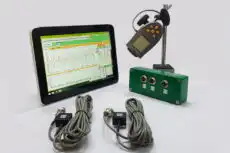
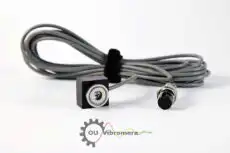
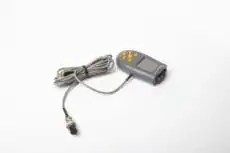
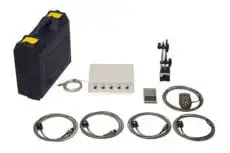
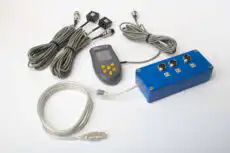
ਅਭਿਆਸ ਵਿੱਚ ਵਿਸ਼ਲੇਸ਼ਕ ਸ਼ਾਇਦ ਹੀ PPF ਨੂੰ ਇਕੱਲੇ ਵਿੱਚ ਨਿਰਣਾ ਕਰਦਾ ਹੈ। ਇੱਕ ਪੋਰਟੇਬਲ ਦੋ-ਚੈਨਲ ਵਿਸ਼ਲੇਸ਼ਕ ਜਿਵੇਂ ਕਿ Balanset-1A, ਬੇਅਰਿੰਗ ਹਾਊਸਿੰਗਾਂ 'ਤੇ ਵਰਤਿਆ ਜਾਂਦਾ ਹੈ, ਸਪੈਕਟ੍ਰਮ ਨੂੰ ਕੈਪਚਰ ਕਰਦਾ ਹੈ ਅਤੇ 1× ਅਤੇ ਲਾਈਨ-ਬਾਰੰਬਾਰਤਾ ਪੀਕਾਂ ਦੇ ਆਸ-ਪਾਸ ਪੋਲ-ਪਾਸ ਸਾਈਡਬੈਂਡਾਂ ਨੂੰ ਹੱਲ ਕਰਦਾ ਹੈ — ਅਤੇ, ਬਰਾਬਰ ਮਹੱਤਵਪੂਰਨ ਤੌਰ 'ਤੇ, ਇਹ ਪੁਸ਼ਟੀ ਕਰਦਾ ਹੈ ਕਿ ਕੀ ਪ੍ਰਮੁੱਖ ਹਿੱਸਾ ਇਲੈਕਟ੍ਰੋਮੈਗਨੈਟਿਕ ਹੈ ਜਾਂ ਕਿਸੇ ਮਕੈਨੀਕਲ ਨੁਕਸ ਦਾ ਸਧਾਰਨ 1× ਪੀਕ। ਇਹ ਫਰਕ ਅੱਗੇ ਆਉਣ ਵਾਲੀ ਹਰ ਗੱਲ ਦਾ ਫੈਸਲਾ ਕਰਦਾ ਹੈ: ਇੱਕ ਇਲੈਕਟ੍ਰੋਮੈਗਨੈਟਿਕ ਸਿਗਨੇਚਰ ਤੁਹਾਨੂੰ ਮੋਟਰ ਦੇ ਅੰਦਰ ਲੈ ਜਾਂਦਾ ਹੈ, ਜਦਕਿ ਇੱਕ ਸਾਫ਼ 1× ਪੀਕ ਜੋ ਪਾਵਰ ਕੱਟਦੇ ਹੀ ਤੁਰੰਤ ਗਾਇਬ ਹੋ ਜਾਂਦਾ ਹੈ, ਇਸ਼ਾਰਾ ਕਰਦਾ ਹੈ ਅਸੰਤੁਲਨ ਜਿਸਨੂੰ ਤੁਸੀਂ ਠੀਕ ਕਰ ਸਕਦੇ ਹੋ ਸਾਈਟ ਬੈਲੇਂਸਿੰਗ (ਫੀਲਡ ਬੈਲੇਂਸਿੰਗ) ਰੋਟਰ ਨੂੰ ਉਸੇ ਥਾਂ 'ਤੇ।
5. ਹੋਰ ਮੋਟਰ ਫ੍ਰੀਕੁਐਂਸੀਆਂ ਨਾਲ ਸੰਬੰਧ
PPF ਇੱਕ ਭੀੜ-ਭੜੱਕੇ ਵਾਲੇ ਮੋਟਰ ਸਪੈਕਟ੍ਰਮ ਵਿੱਚ ਇੱਕ ਟੋਨ ਹੈ, ਅਤੇ ਇਹ ਪਛਾਣਨਾ ਕਿ ਇਹ ਆਪਣੇ ਗੁਆਂਢੀਆਂ ਦੇ ਸਾਪੇਖ ਕਿੱਥੇ ਬੈਠਦਾ ਹੈ, ਅੱਧੀ ਲੜਾਈ ਹੈ। 60 Hz ਸਪਲਾਈ 'ਤੇ ਇੱਕ 4-ਪੋਲ, 1750 RPM ਮੋਟਰ ਲਈ ਇੱਕ ਖਾਸ ਲੜੀ ਇਹ ਹੈ:
- ਸਲਿੱਪ ਫ੍ਰੀਕੁਐਂਸੀ: (1800 − 1750) / 60 ≈ 0.83 Hz।
- PPF: P × ਸਲਿੱਪ ਬਾਰੰਬਾਰਤਾ — ਇੱਥੇ ਲਗਭਗ 3.3 Hz, ਪਰਿਵਾਰ ਵਿੱਚ ਸਭ ਤੋਂ ਘੱਟ ਟੋਨ।
- ਚਲਾਉਣ ਦੀ ਗਤੀ (1×): ਲਗਭਗ 29.2 Hz।
- ਲਾਈਨ ਫ੍ਰੀਕੁਐਂਸੀ: 60 Hz (ਜਾਂ ਯੂਰਪ ਵਿੱਚ 50 Hz)।
- ਰੋਟਰ ਮਕੈਨੀਕਲ ਆਰਡਰ P × ਚੱਲਣ ਦੀ ਗਤੀ: ਲਗਭਗ 117 Hz — ਅਕਸਰ PPF ਨਾਲ ਗਲਤ ਸਮਝਿਆ ਜਾਂਦਾ ਹੈ, ਪਰ ਇਹ ਇੱਕ ਸ਼ਾਫਟ-ਸਪੀਡ ਹਾਰਮੋਨਿਕ ਹੈ।
- 2× ਲਾਈਨ ਬਾਰੰਬਾਰਤਾ: 120 Hz (ਜਾਂ 100 Hz) — ਸਨਕੀਪਣ (eccentricity) ਲਈ ਮੁੱਖ ਇਲੈਕਟ੍ਰੋਮੈਗਨੈਟਿਕ ਹਿੱਸਾ।
- ਰੋਟਰ ਬਾਰ ਪਾਸ ਫ੍ਰੀਕੁਐਂਸੀ: ਰੋਟਰ ਬਾਰਾਂ ਦੀ ਗਿਣਤੀ × ਚੱਲਣ ਦੀ ਗਤੀ, ਕਿਲੋਹਰਟਜ਼ ਰੇਂਜ ਵਿੱਚ।
2× ਲਾਈਨ ਬਾਰੰਬਾਰਤਾ (120 Hz) ਅਤੇ ਨੇੜਲੇ ਹਾਰਮੋਨਿਕਸ ਚੱਲਣ ਦੀ ਗਤੀ ਦੇ (ਇੱਥੇ 4ਵਾਂ ਆਰਡਰ ਲਗਭਗ 117 Hz 'ਤੇ ਹੈ) ਹੋਣ ਕਾਰਨ ਹੀ ਇਲੈਕਟ੍ਰੋਮੈਗਨੈਟਿਕ ਨੁਕਸ ਮਕੈਨੀਕਲ ਨੁਕਸਾਂ ਨਾਲ ਇੰਨੀ ਆਸਾਨੀ ਨਾਲ ਉਲਝ ਜਾਂਦੇ ਹਨ — ਅਤੇ ਇਸੇ ਕਰਕੇ ਬਾਰੀਕ ਪੋਲ-ਪਾਸ ਸਾਈਡਬੈਂਡ ਬਣਤਰ, ਨਾ ਕਿ ਸਿਰਫ਼ ਐਂਪਲੀਟਿਊਡ, ਫੈਸਲਾਕੁੰਨ ਸੁਰਾਗ ਹੈ। ਜਿੱਥੇ ਤਸਵੀਰ ਅਜੇ ਵੀ ਅਸਪਸ਼ਟ ਰਹਿੰਦੀ ਹੈ, ਸਪਲਾਈ ਬੰਦ ਕਰਨਾ ਨਿਰਣਾਇਕ ਟੈਸਟ ਹੈ: ਇੱਕ ਇਲੈਕਟ੍ਰੋਮੈਗਨੈਟਿਕ ਹਿੱਸਾ ਫੀਲਡ ਦੇ ਨਾਲ ਹੀ ਤੁਰੰਤ ਗਾਇਬ ਹੋ ਜਾਂਦਾ ਹੈ, ਜਦਕਿ ਇੱਕ ਮਕੈਨੀਕਲ ਹਿੱਸਾ ਸਿਰਫ਼ ਰੋਟਰ ਦੇ ਹੌਲੀ ਹੁੰਦੇ ਹੋਏ ਹੀ ਘਟਦਾ ਹੈ।
6. ਸੁਧਾਰ ਦੇ ਤਰੀਕੇ
ਮਕੈਨੀਕਲ ਏਕਸੈਂਟ੍ਰੀਸਿਟੀ ਲਈ
- ਰੋਟਰ ਦੀ ਸਹੀ ਸੈਂਟਰਿੰਗ ਬਹਾਲ ਕਰਨ ਲਈ ਘਸੀਆਂ ਬੇਅਰਿੰਗਾਂ ਬਦਲੋ।
- ਝੁਕੇ ਹੋਏ ਸ਼ਾਫ਼ਟ ਨੂੰ ਠੀਕ ਕਰੋ ਜਾਂ ਰੋਟਰ ਬਦਲੋ।
- ਜੇਕਰ ਨੁਕਸ ਇੰਸਟਾਲੇਸ਼ਨ ਦੀ ਗਲਤੀ ਹੈ ਤਾਂ ਰੋਟਰ ਨੂੰ ਦੁਬਾਰਾ ਮਾਊਂਟ ਕਰੋ।
- ਐਂਡ-ਬੈੱਲ ਅਲਾਈਨਮੈਂਟ ਅਤੇ ਬੋਲਟ ਦੀ ਕਸਾਵਟ ਦੀ ਜਾਂਚ ਕਰੋ।
ਨਿਰਮਾਣ ਐਕਸੈਂਟ੍ਰਿਸਿਟੀ ਲਈ
- ਗੰਭੀਰ ਮਾਮਲਿਆਂ ਵਿੱਚ ਰੋਟਰ ਜਾਂ ਸਟੇਟਰ ਨੂੰ ਦੁਬਾਰਾ ਬੋਰ ਕਰਨ ਦੀ ਲੋੜ ਪੈ ਸਕਦੀ ਹੈ।
- ਜਿੱਥੇ ਆਰਥਿਕ ਤੌਰ ’ਤੇ ਵਾਜਬ ਹੋਵੇ, ਮੋਟਰ ਬਦਲੋ।
- ਜੇਕਰ ਵਾਈਬ੍ਰੇਸ਼ਨ ਸਵੀਕਾਰਯੋਗ ਸੀਮਾਵਾਂ ਦੇ ਅੰਦਰ ਰਹਿੰਦੀ ਹੈ ਤਾਂ ਸਥਿਤੀ ਨੂੰ ਸਵੀਕਾਰ ਕਰੋ।
- ਭਵਿੱਖ ਦੀ ਤੁਲਨਾ ਲਈ ਇਸਨੂੰ ਬੇਸਲਾਈਨ ਵਜੋਂ ਦਸਤਾਵੇਜ਼ੀਕਰਨ ਕਰੋ।
ਏਅਰ-ਗੈਪ ਮਸਲਿਆਂ ਲਈ
- ਬੇਅਰਿੰਗ ਦੀ ਸਥਿਤੀ ਦੀ ਜਾਂਚ ਕਰੋ ਅਤੇ ਘਸੇ ਹੋਣ ’ਤੇ ਬਦਲੋ।
- ਰੋਟਰ ਦੀ ਧੁਰੀ (axial) ਸਥਿਤੀ ਦੀ ਪੁਸ਼ਟੀ ਕਰੋ।
- ਫ੍ਰੇਮ ਦੇ ਵਿਗਾੜ ਜਾਂ ਐਂਡ-ਬੈੱਲ ਸਮੱਸਿਆਵਾਂ ਦੀ ਜਾਂਚ ਕਰੋ।
- ਜਿੱਥੇ ਪਹੁੰਚਯੋਗ ਹੋਵੇ, ਉੱਥੇ ਅਸਲ ਏਅਰ ਗੈਪ ਨੂੰ ਮਾਪੋ।
ਸੰਖੇਪ ਵਿੱਚ, ਪੋਲ ਪਾਸ ਬਾਰੰਬਾਰਤਾ (Pole Pass Frequency) ਇੱਕ ਸਲਿੱਪ-ਸੰਬੰਧੀ, ਮੋਟਰ-ਵਿਸ਼ੇਸ਼ ਘੱਟ-ਬਾਰੰਬਾਰਤਾ ਵਾਲਾ ਹਿੱਸਾ ਹੈ ਜੋ ਰੋਟਰ-ਸਟੇਟਰ ਇਲੈਕਟ੍ਰੋਮੈਗਨੈਟਿਕ ਪਰਸਪਰ ਪ੍ਰਭਾਵ ਅਤੇ ਏਅਰ-ਗੈਪ ਇਕਸਾਰਤਾ 'ਤੇ ਇੱਕ ਝਰੋਖਾ ਖੋਲ੍ਹਦਾ ਹੈ। ਇਸਦੀ ਗਣਨਾ ਵਿੱਚ ਮੁਹਾਰਤ ਹਾਸਲ ਕਰਨਾ, ਇਸਦੇ ਸਾਈਡਬੈਂਡ ਸਿਗਨੇਚਰਾਂ ਨੂੰ ਪਛਾਣਨਾ, ਅਤੇ ਉਹਨਾਂ ਦੇ ਐਂਪਲੀਟਿਊਡ ਰੁਝਾਨਾਂ ਨੂੰ ਪੜ੍ਹਨਾ ਇੱਕ ਇੰਜੀਨੀਅਰ ਨੂੰ ਭਰੋਸੇ ਨਾਲ ਇਲੈਕਟ੍ਰੋਮੈਗਨੈਟਿਕ ਨੁਕਸਾਂ ਦਾ ਨਿਦਾਨ ਕਰਨ ਦਿੰਦਾ ਹੈ — ਅਤੇ ਰੱਖ-ਰਖਾਅ ਦੇ ਯਤਨਾਂ ਨੂੰ ਸਹੀ ਥਾਂ ਵੱਲ ਸੇਧਿਤ ਕਰਦਾ ਹੈ, ਨਾ ਕਿ ਇੱਕ ਮਕੈਨੀਕਲ ਕਾਰਨ ਦਾ ਪਿੱਛਾ ਕਰਨ ਦੀ ਬਜਾਏ ਜੋ ਕਦੇ ਸੀ ਹੀ ਨਹੀਂ।

