அதிர்வ தீவிரத்தை புரிந்துகொள்ளுதல்





அதிர்வ தீவிரம் ஒரு பொதுவான சொல் ஆகும் இது ஒரு ஒற்றை, ஒட்டுமொத்த மதிப்பை குறிப்பிடுகிறது இது இயந்திரத்தின் நிலையை வகைப்படுத்த பயன்படுகிறது அதன் அளவிலிருந்து vibrationஇதற்கு பதிலாக முழுவதையும் விளக்குதல் spectrumஒரு தீவிரம் அளவீடு இயந்திரத்தின் நிலையை ஒரு எண்ணாக சுருக்கம் செய்கிறது அதை நிரூபிக்கப்பட்ட அட்டவணைகளுடன் ஒப்பிடலாம் ஒரு பார்வையில் தீர்மானிக்க இயந்திரம் சரியாக இயங்குகிறதா, கவனிக்க வேண்டியிருக்கிறதா அல்லது தோல்வியை நோக்கிச் செல்கிறதா என்பதை அறிய இலக்ష்யம் ஒரு எளிய, நம்பகமான மற்றும் பொதுவான சுட்டி இயந்திரத்தின் இயக்க மன அழுத்தம் மற்றும் நிலையை குறிப்பிடுவது — ஆய்வு அட்டவணை உங்களுக்கு சொல்லுகிறது that ஒரு சிக்கல் உள்ளது, ஆழமான ஆய்வு அதை எது என்பதை சொல்லுவதற்கு முன்.
1. நிலையான அளவுரு: RMS திசைவேகம்
பல தசாப்தங்களாக ஆராய்ச்சி மற்றும் நடைமுறையிலிருந்து, தொழிலுறுப்பு ஒரு ஒற்றை சிறந்த அளவுரு குடியேறியுள்ளது பெரும்பாலான பொதுவான சுழலும் இயந்திரத்தில் தீவிரம் அளவிட: RMS (root-mean-square) velocityஇரு காரணங்கள் அந்த ஒருமதியைக் கொண்டு உள்ளன:
- அதிர்வத்தால் கொண்டுவரப்படும் சிதைவுகரமான ஆற்றல் திசைவேகத்துடன் மிகவும் நெருங்கிய தொடர்பு உள்ளது, ஏனென்றால் திசைவேகம் ஒரு பகுதி எவ்வளவு தொலைவு மற்றும் எவ்வளவு வேகமாக நகர்கிறது என்பதை பிரதிபலிக்கிறது.
- ஒரு குறிப்பிட்ட திசைவேக அளவு பல்வேறு வகையான இயந்திரங்கள் மற்றும் வேகங்களுக்கு ஒரு நிலையான தீவிரம் அளவை ஒத்திருக்கிறது, இது ஒரு அட்டவணை பரவலாக பொருந்தக் கூடியதாக செய்கிறது.
இந்த காரணத்திற்காக சர்வதேச தரங்கள் RMS திசைவேகத்தை பயன்படுத்துகின்றன — மி.மீ/வி அல்லது இன்/வி இல் — அவற்றின் மதிப்பீட்டு அளவுகோல்களின் அடிப்படையாக. தேர்வு ஏன் வேகம் விருப்பத்தாக உள்ளது என்பதை குறிப்பிடுகிறது displacement (இது குறைந்த அதிர்வெண்ணில் மாত்திரம் மேலாதிக்கம் செலுத்துகிறது) அல்லது acceleration (இது உচ்চ அதிர்வெண்ணில் மேலாதிக்கம் செலுத்துகிறது) பொதுவான இயந்திர-ஆரோக்கியம் ஆய்வுக்கு. RMS மதிப்பு சாதாரணமாக ஒரு அகலமான, அல்லது ஒட்டுமொத்த, அளவாக படிக்கப்படுகிறது; எங்கள் ஒட்டுமொத்த அதிர்வ அளவு கணக்கெடுப்பி ஒரு நிறமாலையில் தனிப்பட்ட உச்சிகளிலிருந்து அந்த ஒற்றை உருவம் எவ்வாறு கட்டமைக்கப்படுகிறது என்பதைக் காட்டுகிறது.
2. ISO 20816 அதிர்வ-தீவிரம் அட்டவணைகள்
சர்வதேச தரப்படுத்தல் সংস்থை இயந்திரத்தின் ஆரோக்கியத்தை வகைப்படுத்த தரங்களின் ஒரு குடும்பத்தை வளர்த்துள்ளது. இந்த ISO 20816 வரிசை — இது பழைய தலையிடப்பெற்றது ISO 10816 — மிகவும் பரவலாக பயன்படுத்தப்படும் கட்டமைப்பாகும், ஏற்றுக்கொள்ளல் சோதனை மற்றும் வழக்கமான இரண்டு இயந்திரங்களுக்கும் உலகளாவிய கூறப்பட்ட தீவிரம் அட்டவணைகளை வழங்குகிறது நிலை கண்காணிப்பு. இந்த முறைக்கு மூன்று முக்கிய படிகள் உள்ளன:
- இயந்திரத்தை வகைப்படுத்தவும்: இயந்திரங்கள் அளவு, வகை மற்றும் அடித்தளத்தின் அடிப்படையில் தொகுக்கப்படுகின்றன — எடுத்துக்காட்டாக பெரிய விசையாழிகள் ஒரு குழுவில், நடுத்தர அளவு பம்புகள் மற்றும் மோட்டாக்கள் மற்றொரு குழுவில். சாধாரணமான தொழிற்சாலைப் பரிধியான சுமார் 15 கிலோவாட் முதல் 50 மெகாவாட் வரையிலான விस்தாரமான வரம்புகள் உள்ளன ISO 20816-3.
- RMS வேகத்தை அளவிடவும்: அகன்ற ந频पद RMS வேகம் இயந்திரத்தின் தாங்கி வீடுகளில் கிடைமட்ட, செங்குத்து மற்றும் அச்சு திசையிலிருந்து படிக்கப்படுகிறது.
- விளக்கப்படத்துடன் ஒப்பிடவும்: உயர்ந்த அளவுக்கப்படுகையை அந்த இயந்திர வர்க்கத்தின் விளக்கப்படத்துடன் ஒப்பிடப்படுகிறது.
நீங்கள் நேரடியாக எங்களின் உதவியுடன் வரம்புகளை பார்க்கலாம் ISO 10816 / 20816 அதிர்வ தீவிரமான விளக்கப்படம், அல்லது மண்ட வரம்புக்களுக்கு எதிரான ஒரு வாசனையை மதிப்பீடு செய்ய ISO 20816-1 மண்ட கணக்கீட்டி மற்றும் இயந்திர-குறிப்பிட ISO 20816-3 வரம்புகள் கருவி.
நான்கு தீவிரமான மண்டங்கள்
ISO விளக்கப்படங்கள் இயந்திர சுகாதாரத்தை நான்கு மண்டங்களாக பிரிக்கின்றன:
- மண்ட A (பச்சை): புதிதாக இயக்கப்பட்ட இயந்திரத்தின் அதிர்வன் இங்கே வழக்கமாக விழும் — மிகவும் மசৃணமான, ஆரோக்கியமான நிலை।
- மண்ட B (மஞ்சள்): கட்டுப்பாடுகள் இல்லாத நீண்ட கால செயல்பாட்டிற்கு ஏற்றுக்கொள்ளத்தக்கது; பெரும்பாலான இயந்திரங்களுக்கான பொதுவான இயக்கும் வரம்பு।
- மண்ட C (ஆரஞ்சு): நீண்ட கால தொடர்ச்சியான செயல்பாட்டிற்கு முறையற்றது. இங்கே இயந்திரங்கள் நிবிடமாக கண்காணிக்கப்பட வேண்டும், உயர்ந்த அதிர்வনத்தின் வேர் காரணத்தைக் கண்டறிய மற்றும் சரிசெய்ய பராமரிப்பு திட்டமிடப்பட வேண்டும்.
- Zone D (சிவப்பு): சேதம் ஏற்படுவதற்கு போதுமான அளவு கடுமையானது. இங்கே செயல்படும் இயந்திரங்கள் ஒரு முக்கியமான நிலையில் உள்ளன மற்றும் உடனடி நிறுத்தம் தேவைப்படலாம்.
3. பূர্வাভাসம் வழங்கும் பராமரிப்பு நிரலில் அதிர்வ கடுமைத்தன்மையைப் பயன்படுத்துதல்
கடுமைத்தன்மை விளக்கப்படங்கள் ஒரு மூலக்கற் முன்ஜ்ஞாணம் பராமரிப்பு. ஒரு இயந்திரத்தின் மொத்த RMS திசைவேகத்தின் வழக்கமாக மாதாந்தம் வாசிப்புகளை எடுத்து trending காலப்போக்கில் அவற்றைக் கண்ணோட்டம் செய்து, பராமரிப்பு குழுக்கள் முடியும்:
- சொத்துகளை விரைவாக சரிபார்க்கவும்: ஒரு பார்வையில் எந்த இயந்திரங்கள் ஆரோக்கியமாக உள்ளன மற்றும் எவற்றுக்கு கவனம் தேவை என்பதை அடையாளம் காணவும்.
- ஆரம்ப எச்சரிக்கை பெறவும்: மண்டலம் B இலிருந்து மண்டலம் C இல் கடக்கும் ஏறும் போக்கு early warning வளர்ந்து வரும் சிக்கலின், பெரும்பாலும் தோல்வியக்கு பல மாதங்களுக்கு முன்.
- பராமரிப்பு நடவடிக்கைகளைக் ন்யায்யப்படுத்தவும்: தரப்படுத்தப்பட்ட மண்டலங்கள் பணி பரிந்துரைப்பதற்கான ஒரு குறிக்கோளான ভিত்தியை வழங்குகின்றன — ஒரு இயந்திரம் “முறையற்ற” (மண்டலம் C) அல்லது “சேதம்” (மண்டலம் D) வரம்பில் நுழைந்துவிட்டது என்பதை காட்ட முடியும் போது ஒரு பழுதுசெய்தலை அங்கீகரிக்க மிகவும் எளிதாக உள்ளது.
இந்த அணுகுமுறையின் சக்தி முழுமையான எண்ணைப் போலவே போக்கிலும் உள்ளது: மண்டலம் B க்குள் ஒரு நிலையான வாசிப்பு உற்சாகமான, ஆனால் தொழில்நுட்பப்ரீதியாக மண்டலம் B இல் இன்னும் ஒரு மதிப்பு ஆனால் ஒவ்வொரு மாதமும் செங்குத்தாக ஏறி வரும் நடிப்பு செய்ய இன்னும் தெளிவான அழைப்பு.
4. கடுமைத்தன்மையிலிருந்து வேர் காரணத்துக்கு — மற்றும் ஆரோக்கியத்திற்கு திரும்புதல்
ஒரு கடுமைத்தன்மை வாசிப்பு ஒரு சரிபார்ப்பு கருவி, உறிஞ்சு ஒரு நோய் நির்ணயம் அல்ல. இது ஒரு இயந்திரம் கடினமாக உள்ளது என்பதை உங்களுக்குச் சொல்கிறது, ஆனால் ஒரு விரிவான நிறமாலை பகுப்பாய்வு என்பது என்ன வெளிப்படுத்துகிறது why — வேறுபடுத்துதல் unbalance 1× அலைவரிசையில் misalignment, தளர்ச்சி, அல்லது தாங்கி உடைகை. நடைமுறையில் மொத்த மட்டம் மற்றும் ஸ்பெக்ட்ரம் ஒன்றாக பயன்படுத்தப்படுகின்றன: கடுமைத்தன்மை எண் சொத்தைக் கொடியிடுகிறது, மற்றும் ஸ்பெக்ட்ரம் பழுதுசெய்யலை இயக்குகிறது.
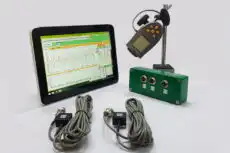
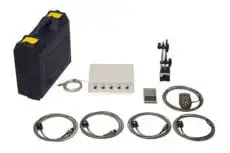
இது சரியாக ஒரு சுமார் விश்ளேষணாளி களத்தில் அதன் மதிப்பை நிரூபிக்கும் இடம். Balanset போன்ற ஒரு கருவி Balanset-1A ISO 20816 தீவிரம் சரிபார்ப்பிற்கான மொத்த RMS திசைவேக அளவை வாசிக்கிறது, பின்னர் спектრум மற்றும் 1× வீச்சு-மற்றும்-கட்டம் வழங்குகிறது, சமநிலையின்மை காரணமா என்பதை உறுதிப்படுத்த — மற்றும் அப்படிப்பட்ட பட்சத்தில், balance சுழல் பாகத்தை அதன் சொந்த தாங்கிகளில் அளவிடுங்கள் மற்றும் தீவிரம் Zone A அல்லது B க்கு உடனடியாக திரும்ப இறங்குவதை கவனியுங்கள். முன்பு மற்றும் பின்பு அதே அலகுகளில் அளவிடுவது வளையத்தை மூடுகிறது: எச்சரிக்கையை உயர்த்திய அதே எண் சரிசெய்தலை சரிபார்க்கிறது.

