ISO 2372: 10 থেকে 200 rev/s পর্যন্ত কার্যকর গতির মেশিনের যান্ত্রিক কম্পন
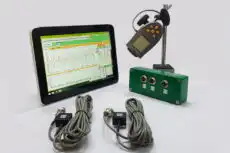
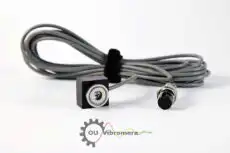
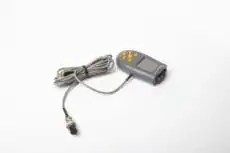
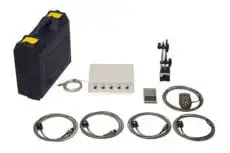

ISO 2372 একটি ঐতিহাসিক, প্রত্যাহৃত মান যা মেশিন কম্পন মূল্যায়নের জন্য প্রথম ব্যাপকভাবে গৃহীত আন্তর্জাতিক নির্দেশিকাগুলির মধ্যে একটি ছিল। 1974 সালে প্রকাশিত, এটি রক্ষণাবেক্ষণ প্রকৌশলীদের একটি সতেজকারী সহজ উপায় দিয়েছে চিরন্তন প্রশ্নের উত্তর দিতে “কত কম্পন খুব বেশি?”: একটি একক ব্যাপক ব্যাংড-এ একক পরিমাপ নিন বেগ বিয়ারিং হাউজিং এ পড়ুন, এটি একটি চার্টের বিপরীতে দেখুন এবং মেশিনের অবস্থা পড়ুন। দুই দশক ধরে এটি ডিফল্ট রেফারেন্স ছিল এবং এটি শব্দভাণ্ডারকে আকার দিয়েছিল কম্পন তীব্রতা যে শিল্প আজও ব্যবহার করে। এটি পরবর্তীকালে প্রতিস্থাপিত হয়েছে — প্রথমে ISO 10816 এবং এখন বর্তমান ISO 20816 সিরিজ — কিন্তু এটি বোঝা পুরানো রক্ষণাবেক্ষণ রেকর্ড ব্যাখ্যা করার জন্য এবং আধুনিক মান কেন যেভাবে তৈরি করা হয় তা প্রশংসা করার জন্য মূল্যবান।
1. প্রয়োজন থেকে জন্ম নেওয়া একটি মান
ISO 2372 এর আগে, কম্পন থেকে মেশিনের স্বাস্থ্য বিচার করা ছিল মূলত ব্যক্তিগত অভিজ্ঞতা এবং নিয়ম-থাম্ব যা উদ্ভিদ থেকে উদ্ভিদে পরিবর্তিত হয়। মানদণ্ডের অবদান ছিল সেই বিচারকে একটি সাধারণ, পুনরাবৃত্তিযোগ্য ভিত্তিতে রাখা। এটি 10 থেকে 200 rev/s — অর্থাৎ, মোটামুটি 600 থেকে 12,000 rpm এর কার্যকর গতির মেশিনে প্রয়োগ করা হয়েছিল — এর যুগের বেশিরভাগ শিল্প পাম্প, ফ্যান, মোটর এবং জেনারেটর কভার করে। একটি স্পষ্ট পাস/ব্যর্থতা সিদ্ধান্তকে একটি সহজে পরিমাপ করা সংখ্যার সাথে সংযুক্ত করে, এটি এটি এটি করেছে অবস্থা পর্যবেক্ষণ শুধুমাত্র বিশেষজ্ঞদের কাছে নয়, মৌলিক জ্ঞান সহ যেকোনো প্রযুক্তিবিদের জন্য অ্যাক্সেসযোগ্য। কম্পন মিটার, শুধুমাত্র বিশেষজ্ঞদের কাছে নয়।
2. ISO 2372 এর মূল ধারণা
পদ্ধতি কয়েকটি সহজ কিন্তু কার্যকর নীতির উপর নির্ভর করে:
-
পরিমাপ পরামিতি।
মানদণ্ড একটি একক, পুনরাবৃত্তিযোগ্য মেট্রিক ব্যবহার করে গুরুত্ব পরিমাণ করা হয়েছে: ব্যাপক ব্যাংড-এ RMS (মূল গড় বর্গ) বেগ, যা ১০ Hz থেকে ১,০০০ Hz এর কম্পাঙ্ক পরিসরে ধৃত (৬০০ থেকে ৬০,০০০ CPM)। RMS বেগ নির্বাচন করা হয়েছে কারণ এটি সরাসরি কম্পন্নের বিনাশকারী শক্তির সাথে সম্পর্কিত, যা এটিকে ঘূর্ণনীয় গতি থেকে প্রায় স্বাধীন অবস্থার একটি দৃঢ় সূচক করে তোলে। পাঠটি যন্ত্রের অ-ঘূর্ণনশীল অংশে — সাধারণত ভারবহন আবরণে — নেওয়ার কথা ছিল, কারণ এটি কাঠামোতে প্রবেশ করা বলের মূল্যায়ন করার জন্য সবচেয়ে ব্যবহারিক ও সুলভ স্থান। এই “ভারবহন আবরণে কম্পন” সম্মেলন আজও এগিয়ে নিয়ে যাওয়া একই সম্মেলন ISO 20816-3 আজ, এবং আপনি একটি বর্ণালীকে একটি সামগ্রিক চিত্র দিয়ে রূপান্তরিত করতে পারেন একটি সামগ্রিক কম্পন স্তর ক্যালকুলেটর.
-
যন্ত্র শ্রেণীকরণ।
স্বীকার করে যে একটি ছোট পাম্প এবং একটি বড় টারবাইনকে একই মানদণ্ডে ধরা যায় না, ISO 2372 যন্ত্রপাতিকে চারটি বিস্তৃত গোষ্ঠীতে বিভক্ত করেছিল, যাতে আকার, শক্তি এবং সমর্থন কাঠামোর নমনীয়তা অনুযায়ী বিভিন্ন সীমা প্রয়োগ করা যেতে পারে:
- শ্রেণি I: ইঞ্জিন এবং যন্ত্রের স্বতন্ত্র অংশ, সম্পূর্ণ যন্ত্রের সাথে অবিচ্ছেদ্যভাবে সংযুক্ত তার সাধারণ কর্মরত অবস্থায় (১৫ কিলোওয়াট পর্যন্ত উৎপাদন বৈদ্যুতিক মোটর সাধারণ উদাহরণ)।
- শ্রেণি II: মাঝারি আকারের যন্ত্রপাতি (সাধারণত ১৫ থেকে ৭৫ কিলোওয়াট আউটপুট সহ বৈদ্যুতিক মোটর) বিশেষ ভিত্তি ছাড়াই, অথবা কঠোরভাবে মাউন্ট করা ইঞ্জিন বা যন্ত্র যা ৩০০ কিলোওয়াট পর্যন্ত বিশেষ ভিত্তিতে।
- শ্রেণি III: বৃহৎ প্রাথমিক চালক এবং অন্যান্য বড় যন্ত্রপাতি যার ঘূর্ণনশীল ভর কঠোর, ভারী ভিত্তিতে মাউন্ট করা যা কম্পন পরিমাপের দিকে অপেক্ষাকৃত শক্ত।
- শ্রেণি IV: বৃহৎ প্রাথমিক চালক এবং অন্যান্য বড় যন্ত্রপাতি যার ঘূর্ণনশীল ভর ভিত্তিতে মাউন্ট করা যা কম্পন পরিমাপের দিকে অপেক্ষাকৃত নমনীয় (উদাহরণস্বরূপ, একটি হালকা, নমনীয় ইস্পাত ফ্রেমে একটি টার্বো-জেনারেটর সেট)।
শ্রেণী III এবং IV এর মধ্যে বিভাজন নির্ভর করে ভিত্তি কঠোরতা — একটি শক্ত ভিত্তি কম্পনকে ভিন্নভাবে প্রেরণ করে এবং সীমাবদ্ধ করে একটি নমনীয় থেকে, তাই একই যন্ত্র বিভিন্ন সীমা নিশ্চিত করতে পারে এটি কীভাবে মাউন্ট করা হয়েছে তার উপর নির্ভর করে।
-
কম্পন তীব্রতা চার্ট।
মান্যের হৃদয় ছিল এর মূল্যায়ন চার্ট। চারটি শ্রেণীর প্রতিটির জন্য এটি নির্দিষ্ট RMS বেগ ব্যান্ড নিয়োগ করেছিল গুণগত অবস্থা গ্রেডে যা বোঝা এবং প্রয়োগ করা সহজ ছিল:
- A (ভালো): নতুনভাবে চালু বা সু-রক্ষণাবেক্ষণ করা যন্ত্র।
- B (সন্তোষজনক): দীর্ঘমেয়াদী, অসীম কর্মের জন্য গ্রহণযোগ্য।
- C (অসন্তোষজনক): দীর্ঘমেয়াদী অপারেশনের জন্য গ্রহণযোগ্য নয়; যন্ত্রটি পর্যবেক্ষণ করা উচিত এবং রক্ষণাবেক্ষণের জন্য নির্ধারণ করা উচিত।
- D (অগ্রহণযোগ্য): কম্পন ক্ষতিকারক এবং ব্যর্থতা এড়াতে তাৎক্ষণিক পদক্ষেপের দাবি করে।
এই চার্ট-ভিত্তিক পদ্ধতি একজন প্রযুক্তিবিদকে এক পাঠ নিতে, যন্ত্র শ্রেণী খুঁজে পেতে এবং সেকেন্ডের মধ্যে এর স্বাস্থ্যের উপর একটি স্পষ্ট রায় পৌঁছাতে দেয়। লক্ষ্য করুন যে একটি স্থির বেগ — বলুন ৪.৫ mm/s — একটি বড় শ্রেণী IV যন্ত্রের জন্য “সন্তোষজনক” হতে পারে কিন্তু একটি ছোট শ্রেণী I এর জন্য “অসন্তোষজনক”; শ্রেণী সীমানা নির্ধারণ করেছে।
৩. কেন এটি প্রতিস্থাপিত হয়েছিল
ISO 2372 একটি বড় পদক্ষেপ ছিল, তবে এটি এমন সীমাবদ্ধতা নিয়ে এসেছিল যা আধুনিক মান সঠিক করতে চেয়েছিল:
- অতি-সরলীকরণ: সমস্ত যন্ত্রপাতিকে মাত্র চারটি শ্রেণীতে বিভক্ত করা অত্যন্ত সাধারণ ছিল। আধুনিক ISO 10816 / 20816 সিরিজ পাম্প, ফ্যান, কম্প্রেসর, জলবিদ্যুৎ এবং গ্যাস টারবাইন এবং আরও অনেক কিছুর মতো পৃথক যন্ত্রপাতির ধরনের জন্য অনেক বেশি নির্দিষ্ট নির্দেশনা প্রদান করে।
- ভিত্তি অস্পষ্টতা: “কঠোর” এবং “নমনীয়” ভিত্তির মধ্যে পার্থক্য প্রায়শই বিচার করা কঠিন ছিল এবং একজন মূল্যায়নকারী থেকে অন্য জনে অসামঞ্জস্যপূর্ণভাবে প্রয়োগ করা হয়েছিল।
- কোনো নির্ণয়মূলক তথ্য নেই: মান একটি একক সামগ্রিক সংখ্যা প্রদান করেছিল। এটি সংকেতে উপস্থিত ফ্রিকোয়েন্সি সম্পর্কে কিছুই প্রকাশ করেনি এবং তাই এটি কারণ — এটি একটি অসুস্থ যন্ত্রপাতি চিহ্নিত করতে পারে কিন্তু পার্থক্য করতে পারে না অসাম্য থেকে মিসঅ্যালাইনমেন্ট.
- বিবর্তনশীল প্রযুক্তি: এটি ডিজিটাল সরঞ্জামের ব্যাপক উপলব্ধতার আগে লেখা হয়েছিল, FFT-ভিত্তিক কম্পন বিশ্লেষক যা আজ একটি পাঠকে তার উপাদান ফ্রিকোয়েন্সিগুলিতে প্রায় তাৎক্ষণিকভাবে সমাধান করে।
৪. উত্তরাধিকার এবং আধুনিক অনুশীলন
এর প্রত্যাহার সত্ত্বেও, ISO 2372 এর উত্তরাধিকার গভীর। এটি সামগ্রিক তীব্রতার প্রধান পরিমাপ হিসাবে বহনকারী হাউজিংয়ে ব্রডব্যান্ড RMS বেগ প্রতিষ্ঠিত করেছে — এমন একটি সম্মেলন যা আজকের মান অক্ষত থাকে। অনেক সাধারণ মিটার এবং স্ক্রীনিং সরঞ্জাম এখনও রঙিন সবুজ / হলুদ / লাল অ্যালার্ম ব্যান্ড প্রদর্শন করে যা মূল চারটি-গ্রেড চার্ট থেকে সরাসরি নেমে আসে, আধুনিকের সাথে নতুনভাবে ম্যাপিং করে অ্যালার্ম এবং ট্রিপ লেভেল ক্রমাগত পর্যবেক্ষণে ব্যবহৃত। যদি আপনি একটি বর্তমান অঞ্চল-ভিত্তিক সীমা থেকে কাজ করছেন তবে কম্পন গুরুত্বপূর্ণতা চার্ট পুরানো এবং নতুন স্কিমগুলিকে সেতুবন্ধন করে।
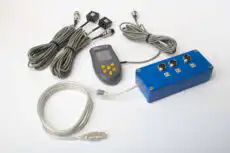
দৈনন্দিন ক্ষেত্র কাজে নীতিটি এমনকি ডকুমেন্টটি অবসর গ্রহণের সাথে সাথে অব্যাহত থাকে। একটি পোর্টেবল বিশ্লেষক যেমন Balanset-1A বহনকারী হাউজিংয়ে ব্রডব্যান্ড বেগ পরিমাপ করে যেমন ISO 2372 নির্ধারিত হয়েছিল, তারপর আরও এগিয়ে যায় — একই সংকেতকে একটি স্পেকট্রামে সমাধান করে যাতে প্রকৌশলী শুধুমাত্র ISO 20816 অঞ্চলের বিপরীতে তীব্রতা গ্রেড করতে পারে না বরং অপরাধী ফ্রিকোয়েন্সি চিহ্নিত করতে পারে এবং যেখানে ত্রুটি অসন্তুলন হয় সেখানে স্থানে সঠিক করতে পারে ফিল্ড ব্যালেন্সিং। সেই অর্থে আধুনিক ওয়ার্কফ্লো ঠিক তাই করে যা ISO 2372 করেছিল, এবং তখন সেই প্রশ্নের উত্তর দেয় যা পুরানো চার্ট কখনও করতে পারেনি: কেন.
অফিসিয়াল ISO স্ট্যান্ডার্ড
সম্পূর্ণ অফিসিয়াল মান পরিদর্শন করতে: ISO Store-এ ISO 2372

