Razumevanje unakrsnog spektra


Unakrsni spektar — poznat i kao spektar unakrsne snage ili gustina unakrsnog spektra — je predstavljanje u frekventnom domenu odnosa između dva simultano merena vibracija signala. Izračunava se množenjem FFT jednog signala sa kompleksnom konjugatom FFT drugog signala. Gde auto-spektar pokazuje sadržaj frekvencije jednog kanala, unakrsni spektar otkriva koje frekvencije su zajedničko zajedničke oba signala i faza odnos između njih na svakoj frekvenciji.
To čini unakrsni spektar matematičkom osnovom napredne analize sa više kanala: funkcija prenosa procjena, koherencija analiza i operativni oblik deformacije (ODS) merenja se oslanjaju na to. U praktičnom smislu omogućava inženjeru da vidi kako se vibracije prostiru kroz strukturu i identifikuje uzročno-posledične veze između lokacija merenja — nešto što analiza sa jednim kanalom spektar jednostavno ne može da uradi.
1. Matematička definicija
Proračun
Definirajući odnos je kompaktan:
Gxy(f) = X(f) × Y*(f)
- X(f) je FFT signala x(t).
- Y*(f) je kompleksna konjugata FFT signala y(t).
- Rezultat je kompleksne vrednosti, noseći i magnitudu i fazu.
Komponente
- Amplituda — |Gxy(f)|: prikazuje snagu frekvencijskog sadržaja koji dva signala dele.
- Faza — ∠Gxy(f): prikazuje faznu razliku između signala na svakoj frekvenciji.
- Realni dio: komponenta u fazi, odnosno ko-spektralna komponenta.
- Imaginarni dio: komponenta kvadrature, odnosno 90° izvan faze.
2. Svojstva
Tri svojstva odvajaju krossspektar od poznatog auto-spektra, i svako je važno za interpretaciju.
Jeste kompleksna vrijednost
- Za razliku od auto-spektra, koji je samo realan, krossspektar je kompleksan.
- Zato nosi kako magnitudu tako i fazu.
- Ta fazna informacija je cijela poenta — to je ono što otkriva kako se dva signala odnose tijekom vremena.
Nije simetričan
- Općenito Gxy(f) ≠ Gyx(f).
- Redoslijed je bitan — koji signal tretiraš kao referencu mijenja rezultat.
- Formalno, Gyx(f) je kompleksna konjugacija od Gxy(f), tako da se faza jednostavno preokreće.
Zahtijeva usrednjavanje
- Jedan krossspektar je šuman i nepouzdan.
- Usrednjavanje mnogo krossspectra daje stabilnu procjenu.
- Nekorelisane komponente buke usrednjuju se prema nuli jer je njihova faza slučajna od bloka do bloka.
- Stvarno korelirane komponente održavaju konzistentnu fazu i pojačavaju — što je upravo razlog zašto usrednjavanje čisti procjenu.
3. Primjene
Izračun prijenosne funkcije
Ovo je najjednostavnije najvažnija primjena:
H(f) = Gxy(f) / Gxx(f)
- Ovdje je x ulaz, a y je izlaz.
- Rezultat pokazuje kako sustav odgovara na pobudu.
- Njegovo pojačanje pokazuje pojačanje ili prigušenje na svakoj frekvenciji.
- Njegova faza pokazuje vremensku kašnjenja i rezonancija ponašanje.
- To je temeljna mjerenja od modalna analiza i strukturne dinamike, tesno povezane s funkcija frekvencijskog odgovora.
Izračun Koherentnosti
- Koherentnost se definira kao |Gxy|² / (Gxx × Gyy).
- Mjeri korelaciju između dva signala na svakoj frekvenciji.
- Kreće se od 0 do 1: vrijednost 1 znači savršenu korelaciju, 0 znači da je nema uopće.
- Potvrđuje kvalitetu mjerenja i označava gdje je rezultat oštećen bukom — neophodan tijekom test udara ili modalne analize.
Određivanje Fazne Relacije
- Faza iz unakrsnog spektra direktno pokazuje vremensko kašnjenja ili rezonancu.
- 0°: signali su u fazi, krećući se zajedno.
- 180°: signali su izvan faze, krećući se u suprotnosti.
- 90°: kvadratura, što označava rezonancu ili čisto vremensko kašnjenja.
- Ovo je dijagnostička osnova za oblici modova i za praćenje transmisije vibracija.
Potiskivanje zajedničkog signala
- Unakrsni spektar izoluje frekvencijske komponente zajedničke za oba kanala.
- Nekoreliran šum se otkazuje kroz usrednjavanje.
- Pravi, zajednički signalni komponenti izlaze iz pozadine.
- Praktična prednost je bolji odnos signala i šuma.
4. Praktični scenariji merenja
Apstraktna ideja postaje konkretna čim se dva senzora postave na stvarnu mašinu. Tri svakodnevna scenarija pokazuju vrednost.
Poređenje ležajeva
- Signal X: vibracija na ležaju 1. Signal Y: vibracija na ležaju 2.
- Unakrsni spektar pokazuje frekvencije koje istovremeno utiču na oba ležaja.
- To odvaja zajedničku, rotor-relacionu anomaliju od problema lokalnog na jedan. ležaj.
Analiza ulaza-izlaza
- Signal X: sila ili vibracija na ulazu — spojnica ili ležaj pogonskog motora.
- Signal Y: odgovor na izlazu — ležaj pogonske opreme.
- Unakrsni spektar otkriva karakteristike prenosa između njih.
- Izvedena prenosna funkcija tada tačno kvantifikuje kako vibracija putuje preko spojnica.
Strukturni prenos
- Signal X: vibracija kućišta ležaja. Signal Y: vibracija fundacije ili rama.
- Unakrsni spektar pokazuje koje frekvencije zaista dosežu strukturu.
- To usmerava odluke o izolaciji ili ojačanju, i direktno se povezuje sa krutost temelja i strukturna rezonancija problemi.
5. Tumačenje unakrsnog spektra
Velika amplituda na nekoj frekvenciji
- Ukazuje na jaku korelaciju između signala na toj frekvenciji.
- Pokazuje zajedničku izvora ili jaku vezu između dva mjesta.
- Komponenta je zaista prisutna u oba signala.
Mala amplituda na nekoj frekvenciji
- Ukazuje na slabu korelaciju — slaba veza ili bez zajedničkog izvora.
- Komponenta može postojati u jednom signalu, ali ne u drugom.
- Ili to može biti jednostavno neusklađena buka iz različitih izvora.
Informacija o fazi
- 0°: signali se kreću zajedno — kruta veza ili rad ispod rezonancije.
- 180°: signali se kreću suprotno — iznad rezonancije ili preko linije simetrije.
- 90°: kvadratura — na rezonanciji ili nastala od specifične geometrije.
- Faza ovisna o frekvenciji: način na koji se faza mijenja s frekvencijom otkriva dinamičko ponašanje strukture.
6. Napredne primjene
Analiza više ulaza / više izlaza
- Nekoliko referentnih signala upareno je s nekoliko signala odgovora.
- Rezultat je cijela matrica unakrsnih spektara.
- Identificira višestruke, istovremene putanje prijenosa.
- Ovako se karakterišu istinski kompleksni sistemi.
Oblici deformacije pri radu
- Unakrsni spektri se snimaju između mnogih točaka mjerenja oko mašine.
- Njihovi fazni odnosi određuju obrazac deformacije.
- Kretanje cijele strukture se zatim može vizuelizirati i animirati.
- Rezonantni modovi jasno se ističu u rezultatu.
7. Unakrsni spektar pri balansiranju na mjestu
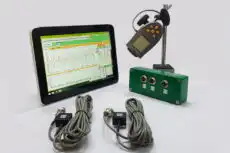
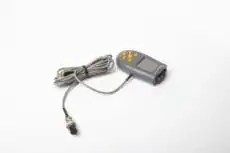
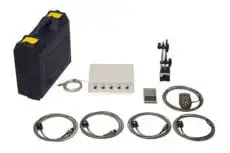
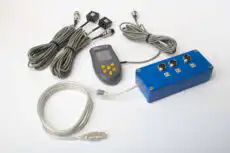
Iako je unakrsni spektar najčešće povezan sa modalnom i strukturnom analizom, ista dvokanalska matematika čini osnovu svakodnevnog terensko balansiranje. Prijenosni dvokanalski instrument kao što je Balanset-1A snima vibracije na dvije ravnine ležajeva istovremeno i referira oboje na tacho-impuls po okretaju, čime može razriješiti amplitudu i fazu 1× komponente na svakoj ravnini i izračunati unakrsno spregu koeficijenti utjecaja koja povezuje uteg u jednoj ravnini sa odzivom u drugoj. Taj dvokanalski, fazno referencirani odnos je konceptualno unakrsni spektar fokusirani na brzinu vrtnje — i upravo je to što omogućava ispravno dvoplano dinamičko balansiranje balansiranje na montiranoj mašini.
Ukratko, unakrsni spektar proširuje frekvencijsku analizu sa jednog kanala na mnoge, otvarajući odnose između signala koji omogućuju izračunavanje prenosne funkcije, validaciju koherentnosti i razumijevanje kako vibracije putuju kroz mašinu i njene oslonce. Zahtjevnije od auto-spektra, ipak je neophodno za modalnu analizu, strukturnu dinamiku i bilo koju sofisticiraniju dijagnostiku koja se oslanja na mjerenja u više točaka.

