ISO 1940-2 — Balance Errors (now ISO 21940-14)
The historical standard for assessing balance errors of rigid rotors — systematic, randomly variable and scalar error sources in the balancing process. Withdrawn and replaced by ISO 21940-14:2012. The balancing vocabulary itself is defined in ISO 21940-2 (formerly ISO 1925) and is summarised below.


ಒಂದು ನೋಟದಲ್ಲಿ ಪ್ರಮುಖ ಸಮತೋಲನಗೊಳಿಸುವಿಕೆ ಪದಗಳು
The most important definitions from the ISO balancing vocabulary — ISO 21940-2 (formerly ISO 1925) — the terms every balancing practitioner must know
ಸಂಪೂರ್ಣ ಪರಿಭಾಷಾ ಉಲ್ಲೇಖ
All major terms from the balancing vocabulary, ISO 21940-2 (formerly ISO 1925), organised by category
| ಪದ | ವ್ಯಾಖ್ಯಾನ | ಪ್ರಾಮುಖ್ಯತೆ |
|---|---|---|
| ರೋಟರ್ ರೋಟರ್ | ನಿರ್ದಿಷ್ಟ ಅಕ್ಷದ ಬಗ್ಗೆ ಭ್ರಮಣ ಮಾಡಲು ಸಾಮರ್ಥ್ಯವಿರುವ ದೇಹ. ಸಮತೋಲನಗೊಳಿಸುವಿಕೆಯ ಸಂದರ್ಭದಲ್ಲಿ, ಶಾಫ್ಟ್ಗಳು, ಇಂಪೆಲ್ಲರ್ಗಳು, ಆರ್ಮೇಚರ್ಗಳು, ಡ್ರಮ್ಗಳು, ಸ್ಪಿಂಡಲ್ಗಳು ಸೇರಿದಂತೆ ಯಾವುದೇ ಭ್ರಮಣ ಘಟಕವನ್ನು ಒಳಗೊಂಡಿರುತ್ತದೆ. | ಸಮತೋಲನಗೊಳಿಸುವಿಕೆಯ ಮೂಲ ವಸ್ತು. ಉಳಿದ ಎಲ್ಲಾ ಪದಗಳು ರೋಟರ್ನ ಗುಣಲಕ್ಷಣಗಳನ್ನು ಅಥವಾ ಅದರ ಮೇಲೆ ನಡೆಯುವ ಕ್ರಿಯೆಗಳನ್ನು ವಿವರಿಸುತ್ತವೆ. |
| ರೋಟರ್ ಕಠಿಣ ರೋಟರ್ | ಯಾವುದೇ ಎರಡು ಐಚ್ಛಿಕ ಸಮತಲಗಳಲ್ಲಿ ಇದರ ಅಸಮತೋಲನವನ್ನು ತಿದ್ದಬಹುದಾದ ಮತ್ತು ತಿದ್ದುಪಡಿಯ ನಂತರ ಗರಿಷ್ಠ ಸೇವಾ ವೇಗದವರೆಗೆ ಯಾವುದೇ ವೇಗದಲ್ಲಿ ಉಳಿದ ಅಸಮತೋಲನ ಮಹತ್ತರವಾಗಿ ಬದಲಾಗದ ರೋಟರ್. | ಇದು ನಿರ್ಧರಿಸುತ್ತದೆ कि ISO 1940-1 (G-ಗ್ರೇಡ್ ವ್ಯವಸ್ಥೆ) ಅನ್ವಯಿಸುತ್ತದೆ. ಕಾರ್ಯಾಗಾರದ ಯಂತ್ರದಲ್ಲಿ ಕಡಿಮೆ ವೇಗದಲ್ಲಿ ಸಮತೋಲನಗೊಳಿಸುವಿಕೆ ಮಾನ್ಯವಾಗಿದೆ. ಹೆಚ್ಚಿನ ಕೈಗಾರಿಕಾ ರೋಟರ್ಗಳು ಕಠಿಣವಾಗಿರುತ್ತವೆ. |
| ರೋಟರ್ ಲವಚಿಕ ರೋಟರ್ | ಸೇವಾ ವೇಗದಲ್ಲಿ ಲವಚಿಕವಾಗಿ ವಕ್ರೀಭವಿಸಿ ಅದರ ಅಸಮತೋಲನ ಸ್ಥಿತಿಯನ್ನು ಬದಲಾಯಿಸುವ ರೋಟರ್. ಎರಡು ಸಮತಲಗಳಿಗಿಂತ ಹೆಚ್ಚು ಸಮತಲಗಳಲ್ಲಿ ಸೇವಾ ವೇಗದ ಬಳಿ ಅಥವಾ ಅದಲ್ಲಿಯೇ ತಿದ್ದುಪಡಿ ಮಾಡಬೇಕು. | ISO 21940-12 ಅಗತ್ಯ. ಹೆಚ್ಚಿನ ವೇಗದ ಟರ್ಬೈನ್ಗಳು, ದೊಡ್ಡ ಜನರೇಟರ್ಗಳು, ಬಹು-ಹಂತದ ಕಂಪ್ರೆಸರ್ಗಳು. ವಿಶೇಷ ಹೆಚ್ಚಿನ-ವೇಗದ ಸಮತೋಲನಗೊಳಿಸುವಿಕೆ ಸಾಧನ ಅಗತ್ಯ. |
| ರೋಟರ್ ಶಾಫ್ಟ್ ಅಕ್ಷ | ಬೇರಿಂಗ್ ಜರ್ನಲ್ಗಳ ಕೇಂದ್ರಗಳನ್ನು ಸಂಪರ್ಕಿಸುವ ಸರಳ ರೇಖೆ. ಭ್ರಮಣದ ಜ್ಯಾಮಿತೀಯ ಅಕ್ಷ. | ಎಲ್ಲಾ ಅಸಮತೋಲನ ಮಾಪನಗಳ ಉಲ್ಲೇಖ ಅಕ್ಷ. ಜರ್ನಲ್ಗಳ ರನ್ಔಟ್ ಮಾಪನದ ನಿಖರತೆಯನ್ನು ಪ್ರಭಾವಿಸುತ್ತದೆ. |
| ರೋಟರ್ ಜಡತ್ವದ ಮುಖ್ಯ ಅಕ್ಷ | ಕೇಂದ್ರಾಪಗ ಬಲ ಅಥವಾ ಕ್ಷಣವನ್ನು ಉಂಟುಮಾಡದೆ ರೋಟರ್ ಸ್ವತಂತ್ರವಾಗಿ ಭ್ರಮಣಗೊಳ್ಳುವ ಅಕ್ಷ. ಸಂಪೂರ್ಣ ಸಮತೋಲನಗೊಂಡ ರೋಟರ್ಗೆ ಇದು ಶಾಫ್ಟ್ ಅಕ್ಷದೊಂದಿಗೆ ಹೊಂದಿಕೆಯಾಗುತ್ತದೆ. | ಮುಖ್ಯ ಅಕ್ಷ ಮತ್ತು ಶಾಫ್ಟ್ ಅಕ್ಷದ ನಡುವಿನ ಅಸಮತೋಲನ ಆಗಿದೆ ಅಸಮತೋಲನ. ಎಲ್ಲಾ ತಿದ್ದುಪಡಿಗಳ ಉದ್ದೇಶ ಈ ಎರಡು ಅಕ್ಷಗಳನ್ನು ಸರಿಹೊಂದಿಸುವುದಾಗಿದೆ. |
| ರೋಟರ್ ಭಾರಕೇಂದ್ರ (ಗುರುತ್ವ) | ಸಂಪೂರ್ಣ ರೋಟರ್ನ ಭಾರ ಸಾಂದ್ರೀಕೃತವಾಗಿದೆ ಎಂದು ಪರಿಗಣಿಸಬಹುದಾದ ಬಿಂದು. ಸಮತೋಲನಗೊಂಡ ರೋಟರ್ನಲ್ಲಿ ಇದು ನಿಖರವಾಗಿ ಶಾಫ್ಟ್ ಅಕ್ಷದ ಮೇಲಿರುತ್ತದೆ. | ಸ್ಥಿರ ಅಸಮತೋಲನ = ಭಾರಕೇಂದ್ರವು ಶಾಫ್ಟ್ ಅಕ್ಷದಿಂದ ಸರಿದಿರುವುದು. ನಿರ್ದಿಷ್ಟ ಅಸಮತೋಲನ (e) = ಸ್ಥಳಾಂತರದ ಅಂತರ. |
| ರೋಟರ್ ಸೇವಾ ವೇಗ | ರೋಟರ್ ತನ್ನ ಉದ್ದೇಶಿತ ಅನ್ವಯಿಕೆಯಲ್ಲಿ ಕಾರ್ಯನಿರ್ವಹಿಸುವ ಗರಿಷ್ಠ ಭ್ರಮಣ ವೇಗ. | ಸಹಿಷ್ಣುತೆ ಲೆಕ್ಕಾಚಾರಕ್ಕೆ ಮಹತ್ವದ್ದು: Uಪ್ರತಿ = (9 549 × G × M) / n. ಯಾವಾಗಲೂ ಸೇವಾ ವೇಗವನ್ನೇ ಬಳಸಿ, ಸಮತೋಲನ ವೇಗವನ್ನು ಅಲ್ಲ. |
| ರೋಟರ್ ಕ್ರಿಟಿಕಲ್ ವೇಗ | ರೋಟರ್-ಬೇರಿಂಗ್ ವ್ಯವಸ್ಥೆಯಲ್ಲಿ ಅನುರಣನ ಉಂಟಾಗಿ ಕಂಪನವು ಬಹಳವಾಗಿ ಹೆಚ್ಚುವ ಭ್ರಮಣ ವೇಗ. | ಕಠಿಣ/ಲವಚಿಕ ವರ್ಗೀಕರಣವನ್ನು ನಿರ್ಧರಿಸುತ್ತದೆ. ಕಠಿಣ ರೋಟರ್ ಮೊದಲ ವಂಗುವ ಕ್ರಿಟಿಕಲ್ ವೇಗಕ್ಕಿಂತ ಬಹಳ ಕೆಳಗೆ ಕಾರ್ಯನಿರ್ವಹಿಸುತ್ತದೆ. |
| ಪದ | ವ್ಯಾಖ್ಯಾನ | ಸೂತ್ರ / ಘಟಕಗಳು |
|---|---|---|
| Unbalance Unbalance | ಜಡತ್ವದ ಮುಖ್ಯ ಅಕ್ಷವು ಭ್ರಮಣ ಅಕ್ಷದೊಂದಿಗೆ ಒಂದೇ ಆಗಿರದ ಸ್ಥಿತಿ. ಭಾರ, ವಿಕೇಂದ್ರಿತತೆ ಮತ್ತು ವೇಗದ ವರ್ಗಕ್ಕೆ ಅನುಪಾತವಾಗಿ ಕೇಂದ್ರಾಪಗ ಬಲವನ್ನು ಉಂಟುಮಾಡುತ್ತದೆ. | U = m × r (g·mm or kg·m) |
| Unbalance ಸ್ಥಿತಿಸ್ಥಾಪಕ ಅಸಮತೋಲನ | ಮುಖ್ಯ ಅಕ್ಷವು ಭ್ರಮಣ ಅಕ್ಷಕ್ಕೆ ಸಮಾಂತರವಾಗಿದ್ದು ಸರಿದಿರುತ್ತದೆ. ಒಂದೇ ಆರುದಿನಲ್ಲಿ ಇರುವ ಒಂದೇ ಭಾರಕ್ಕೆ ಸಮಾನ. ಭ್ರಮಣವಿಲ್ಲದೆ (knife-edges) ಪತ್ತೆಹಚ್ಚಬಹುದು. ಇನ್-ಫೇಸ್ ಬೇರಿಂಗ್ ಕಂಪನ. | ಇದರಲ್ಲಿ ತಿದ್ದಲಾಗುತ್ತದೆ 1 ಸಮತಲ |
| Unbalance ಯುಗ್ಮ ಅಸಮತೋಲನ | ಮುಖ್ಯ ಅಕ್ಷವು ಭಾರಕೇಂದ್ರದಲ್ಲಿ ಭ್ರಮಣ ಅಕ್ಷವನ್ನು ಛೇದಿಸಿದರೂ ತಿರುಗಿದೆ. ವಿಭಿನ್ನ ಸಮತಲಗಳಲ್ಲಿ ಸಮಾನ ಮತ್ತು ವಿರುದ್ಧವಾದ ಎರಡು ಭಾರದ ಸ್ಥಳಗಳು ರಾಕಿಂಗ್ ಕ್ಷಣವನ್ನು ಉಂಟುಮಾಡುತ್ತವೆ. ತಿರುಗುವಾಗ ಮಾತ್ರ ಪತ್ತೆಹಚ್ಚಬಹುದು. | ಇದರಲ್ಲಿ ತಿದ್ದಲಾಗುತ್ತದೆ 2 ಸಮತಲಗಳು |
| Unbalance ಡೈನಾಮಿಕ್ ಅಸಮತೋಲನ | ಸಾಮಾನ್ಯ ಸ್ಥಿತಿ: ಮುಖ್ಯ ಅಕ್ಷವು ಭ್ರಮಣ ಅಕ್ಷಕ್ಕೆ ಸಮಾಂತರವೂ ಅಲ್ಲ, ಅದನ್ನು ಛೇದಿಸುವುದೂ ಅಲ್ಲ. ಸ್ಥಿರ ಮತ್ತು ಕಪಲ್ ಸಂಯೋಜನೆ. ನೈಜ ರೋಟರ್ಗಳಲ್ಲಿ ಅತ್ಯಂತ ಸಾಮಾನ್ಯ ಸ್ಥಿತಿ. | ಇದರಲ್ಲಿ ತಿದ್ದಲಾಗುತ್ತದೆ 2 ಸಮತಲಗಳು |
| Unbalance ನಿರ್ದಿಷ್ಟ ಅಸಮತೋಲನ | ಅಸಮತೋಲನದ ಮತ್ತು ರೋಟರ್ ಭಾರದ ಅನುಪಾತ. ಇದು ವಿಕೇಂದ್ರಿತತೆಯನ್ನು ಪ್ರತಿನಿಧಿಸುತ್ತದೆ — ಭಾರಕೇಂದ್ರವು ಶಾಫ್ಟ್ ಅಕ್ಷದಿಂದ ಸರಿದಿರುವುದು. ವಿಭಿನ್ನ ರೋಟರ್ ಗಾತ್ರಗಳಲ್ಲಿ ಗುಣಮಟ್ಟವನ್ನು ಹೋಲಿಸಲು ಸಹಾಯ ಮಾಡುತ್ತದೆ. | e = U / M (µm or g·mm/kg) |
| Unbalance ಶೇಷ ಅಸಮತೋಲನ | ಸಮತೋಲನಗೊಳಿಸುವಿಕೆ ಪ್ರಕ್ರಿಯೆಯ ನಂತರ ರೋಟರ್ನಲ್ಲಿ ಉಳಿಯುವ ಅಸಮತೋಲನ. ಇದು ಅನುಮತಿಸಲಾದ ಮೌಲ್ಯ (Uಪ್ರತಿ) ನಿಗದಿತ G-ಗ್ರೇಡ್. | Ures ≤ Uಪ್ರತಿ |
| Unbalance ಆರಂಭಿಕ ಅಸಂತುಲನ | ಯಾವುದೇ ಸಮತೋಲನ ತಿದ್ದುಪಡಿಯ ಮೊದಲು, ಸ್ವೀಕರಿಸಿದ ಸ್ಥಿತಿಯಲ್ಲಿರುವ ರೋಟರ್ನ ಅಸಮತೋಲನ. ಮೊದಲ ಓಟದಲ್ಲಿ ಅಳೆಯಲಾಗುತ್ತದೆ. | ಸಮತೋಲನಗೊಳಿಸುವಿಕೆ ಪ್ರಕ್ರಿಯೆಯ ಮೂಲ ರೇಖೆ |
| Unbalance ಅಸಮತೋಲನ ವೆಕ್ಟರ್ | ನಿರ್ದಿಷ್ಟ ಸಮತಲದಲ್ಲಿನ ಅಸಮತೋಲನದ ಪರಿಮಾಣ ಮತ್ತು ಕೋಣೀಯ ಸ್ಥಾನ. ಆಯಾಮ (g·mm) ಮತ್ತು ಫೇಸ್ ಕೋನ (°) ಹೊಂದಿರುವ ಧ್ರುವೀಯ ವೆಕ್ಟರ್ ಆಗಿ ಪ್ರತಿನಿಧಿಸಲಾಗುತ್ತದೆ. | U∠θ (ಉಲ್ಲೇಖದಿಂದ ° ನಲ್ಲಿ g·mm) |
| ಪದ | ವ್ಯಾಖ್ಯಾನ | ಪ್ರಾಯೋಗಿಕ ಟಿಪ್ಪಣಿಗಳು |
|---|---|---|
| ಪ್ರಕ್ರಿಯೆ Balancing | ಉಳಿದ ಅಸಮತೋಲನವು ನಿಗದಿತ ಸಹಿಷ್ಣುತೆಯೊಳಗಿರುವಂತೆ ರೋಟರ್ನ ಭಾರ ವಿತರಣೆಯನ್ನು ಪರಿಶೀಲಿಸಿ ಹೊಂದಿಸುವ ಪ್ರಕ್ರಿಯೆ. | ಪುನರಾವರ್ತಿತ: ಅಳತೆ → ಲೆಕ್ಕಾಚಾರ → ತಿದ್ದುಪಡಿ → ಪರಿಶೀಲನೆ. |
| ಪ್ರಕ್ರಿಯೆ ಸರಿಪಡಿಸುವ ತಲೆಕೆಲೆ | ರೋಟರ್ ಅಕ್ಷಕ್ಕೆ ಲಂಬವಾದ ಮತ್ತು ಭಾರವನ್ನು ಸೇರಿಸುವ ಅಥವಾ ತೆಗೆದುಹಾಕುವ ಸಮತಲ. ತೂಕವನ್ನು ಇರಿಸಲು ಭೌತಿಕವಾಗಿ ಲಭ್ಯವಿರುವ ಸ್ಥಳ. | ಸಹಿಷ್ಣುತೆ (ಬೇರಿಂಗ್) ಸಮತಲಗಳಿಂದ ಭಿನ್ನವಾಗಿರಬಹುದು — ಜ್ಯಾಮಿತೀಯ ಪರಿವರ್ತನೆ ಅಗತ್ಯ. |
| ಪ್ರಕ್ರಿಯೆ ಸಹಿಷ್ಣುತೆ ಸಮತಲ | ಅನುಮತಿಸಲಾದ ಅಸಮತೋಲನವನ್ನು ನಿರ್ದಿಷ್ಟಪಡಿಸುವ ಸಮತಲ — ಸಾಮಾನ್ಯವಾಗಿ ಬೇರಿಂಗ್ ಸಮತಲ. ಇಲ್ಲಿ ಇರುವ ಅಸಮತೋಲನವು ನೇರವಾಗಿ ಬೇರಿಂಗ್ ಲೋಡ್ಗಳನ್ನು ಪ್ರಭಾವಿಸುತ್ತದೆ. | Uಪ್ರತಿ ಸಹಿಷ್ಣುತೆ ಸಮತಲಗಳಿಗಾಗಿ ನಿರ್ದಿಷ್ಟಪಡಿಸಲಾಗುತ್ತದೆ; ತಿದ್ದುಪಡಿ ಸಮತಲಗಳಿಗೆ ಪರಿವರ್ತಿಸಬೇಕು. |
| ಪ್ರಕ್ರಿಯೆ ತಿದ್ದುಪಡಿ ಭಾರ | ತಿದ್ದುಪಡಿ ಸಮತಲದೊಳಗೆ ನಿರ್ದಿಷ್ಟ ಆರುದು ಮತ್ತು ಕೋಣದಲ್ಲಿ ರೋಟರ್ಗೆ ಸೇರಿಸಲ್ಪಡುವ ಅಥವಾ ತೆಗೆದುಹಾಕಲ್ಪಡುವ ಭೌತಿಕ ಭಾರ (ತೂಕ). | ಸೇರಿಸಲಾಗಿದೆ: clip-on, bolt-on, weld, epoxy. ತೆಗೆದುಹಾಕಲಾಗಿದೆ: drilling, milling, grinding. |
| ಪ್ರಕ್ರಿಯೆ ಪರೀಕ್ಷಾ ತೂಕ | A known mass temporarily attached to the rotor at a known radius and angle during the balancing procedure. Used to determine the rotor's response (influence coefficient). | Balanset-1A ಪರೀಕ್ಷಾ-ತೂಕ ವಿಧಾನ: ಓಟ → ಪರೀಕ್ಷಾ ತೂಕ ಅಳವಡಿಸಿ → ಓಟ → ಸಾಫ್ಟ್ವೇರ್ ತಿದ್ದುಪಡಿ ಲೆಕ್ಕಾಚಾರ ಮಾಡುತ್ತದೆ. |
| ಪ್ರಕ್ರಿಯೆ ಪ್ರಭಾವ ಗುಣಾಂಕ | ನಿರ್ದಿಷ್ಟ ಸ್ಥಳದಲ್ಲಿನ ಘಟಕ ಅಸಮತೋಲನದಿಂದ ಮಾಪನ ಬಿಂದುವಿನಲ್ಲಿ ಉಂಟಾಗುವ ಕಂಪನ ಪ್ರತಿಕ್ರಿಯೆಯ ಬದಲಾವಣೆ (ಆಯಾಮ ಮತ್ತು ಫೇಸ್). ಇದು ರೋಟರ್-ಬೇರಿಂಗ್ ಸಂವೇದನಾಶೀಲತೆಯನ್ನು ಲಕ್ಷಣಗೊಳಿಸುತ್ತದೆ. | ಪರೀಕ್ಷಾ-ತೂಕ ಓಟಗಳಿಂದ ಲೆಕ್ಕಿಸಲಾಗುತ್ತದೆ. ಎರಡು-ಸಮತಲ ಸಮತೋಲನಗೊಳಿಸುವಿಕೆಗೆ 2×2 ಪ್ರಭಾವ ಮ್ಯಾಟ್ರಿಕ್ಸ್ ಅಗತ್ಯ. |
| ಪ್ರಕ್ರಿಯೆ ಏಕ-ಸಮತಲ ಸಮತೋಲನಗೊಳಿಸುವಿಕೆ | ಒಂದು ತಿದ್ದುಪಡಿ ಸಮತಲದಲ್ಲಿ ಸ್ಥಿರ ಅಸಮತೋಲನವನ್ನು ತಿದ್ದುವ ವಿಧಾನ. L/D < 0.5 ಹೊಂದಿರುವ ಚಿಕ್ಕ (ಡಿಸ್ಕ್-ಹೋಲುವ) ರೋಟರ್ಗಳಿಗೆ ಸೂಕ್ತ. | ಬ್ಯಾಲೆನ್ಸೆಟ್-1ಎ F2 ಮೋಡ್. ಒಂದು ಸಂವೇದಕ, ಒಂದು ಸಮತಲ. |
| ಪ್ರಕ್ರಿಯೆ ಎರಡು-ಸಮತಲ ಬ್ಯಾಲಾನ್ಸಿಂಗ್ | ಎರಡು ತಿದ್ದುಪಡಿ ಸಮತಲಗಳಲ್ಲಿ ಸ್ಥಿರ ಮತ್ತು ಕಪಲ್ ಅಸಮತೋಲನ ಎರಡನ್ನೂ ತಿದ್ದುವ ವಿಧಾನ. ಉದ್ದವಾದ ರೋಟರ್ಗಳಿಗೆ ಅಥವಾ ಕಪಲ್ ಅಸಮತೋಲನ ಮಹತ್ತರವಾಗಿರುವಾಗ ಅಗತ್ಯ. | ಬ್ಯಾಲೆನ್ಸೆಟ್-1ಎ F3 ಮೋಡ್. ಎರಡು ಸಂವೇದಕಗಳು, ಎರಡು ಸಮತಲಗಳು. |
| ಪ್ರಕ್ರಿಯೆ ಟ್ರಿಮ್ ಸಮತೋಲನಗೊಳಿಸುವಿಕೆ | ಜೋಡಣೆ-ಪ್ರೇರಿತ ಅಸಮತೋಲನವನ್ನು (ಕಪ್ಲಿಂಗ್ ರನ್ಔಟ್, ಫಿಟ್ ಸಹಿಷ್ಣುತೆಗಳು) ಸರಿಪಡಿಸಲು ಜೋಡಿಸಲಾದ ರೋಟರ್ ಮೇಲೆ ಮಾಡುವ ಅಂತಿಮ, ಸೂಕ್ಷ್ಮ ಸಮತೋಲನ ಹೊಂದಾಣಿಕೆ. | ಇದನ್ನು ಅಳವಡಿಸಿದ ಯಂತ್ರದಲ್ಲೇ ಕ್ಷೇತ್ರದಲ್ಲಿ ಮಾಡುವ ಸಂಭವ ಹೆಚ್ಚು. |
| ಪ್ರಕ್ರಿಯೆ ತೂಕ ವಿಭಜನೆ | ನಿಖರ ಕೋಣೀಯ ಸ್ಥಾನ ಲಭ್ಯವಿಲ್ಲದಾಗ, ಲೆಕ್ಕಿಸಲಾದ ತಿದ್ದುಪಡಿ ಭಾರವನ್ನು ಎರಡು ಸಮೀಪದ ಲಭ್ಯ ಸ್ಥಳಗಳ ನಡುವೆ (ಉದಾ., ಎರಡು ಬೋಲ್ಟ್ ರಂಧ್ರಗಳು ಅಥವಾ ಬ್ಲೇಡ್ ಸ್ಥಾನಗಳು) ಹಂಚುವುದು. | Balanset-1A ಸ್ವಯಂಚಾಲಿತ ತೂಕ-ವಿಭಜನೆ ಲೆಕ್ಕಾಚಾರವನ್ನು ಒದಗಿಸುತ್ತದೆ. |
| ಪದ | ವ್ಯಾಖ್ಯಾನ | ಹೋಲಿಕೆ |
|---|---|---|
| ಯಂತ್ರ ಸಮತೋಲನ ಯಂತ್ರ | ರೋಟರ್ನ ಅಸಮತೋಲನವನ್ನು (ಪರಿಮಾಣ ಮತ್ತು ಕೋಣೀಯ ಸ್ಥಾನ) ಅಳೆಯುವ ಸಾಧನ, ಇದರಿಂದ ಭಾರ ವಿತರಣೆಯನ್ನು ತಿದ್ದಬಹುದು. | ಕಾರ್ಯಾಗಾರ-ಆಧಾರಿತ (ಸ್ಥಿರ) ಅಥವಾ ಕ್ಷೇತ್ರ (ಪೋರ್ಟ್ಬಲ್, ಉದಾಹರಣೆಗೆ ಬ್ಯಾಲೆನ್ಸೆಟ್-1ಎ). |
| ಯಂತ್ರ ಸಾಫ್ಟ್-ಬೇರಿಂಗ್ ಯಂತ್ರ | ಸಸ್ಪೆನ್ಷನ್ ಬಹಳ ಲವಚಿಕವಾಗಿದೆ. ರೋಟರ್ ಸಸ್ಪೆನ್ಷನ್ನ ನೈಸರ್ಗಿಕ ಆವೃತ್ತಿಗಿಂತ ಮೇಲ್ಭಾಗದಲ್ಲಿ ಓಡುತ್ತದೆ. ಭೌತಿಕ ಸ್ಥಳಾಂತರವನ್ನು ಅಳೆಯುತ್ತದೆ. ಪ್ರತಿಯೊಂದು ರೋಟರ್ ಜ್ಯಾಮಿತಿಗೂ ಕ್ಯಾಲಿಬ್ರೇಟ್ ಮಾಡಬೇಕು. | ಇಂದು ಕಡಿಮೆ ಸಾಮಾನ್ಯ. ಕಡಿಮೆ ವೆಚ್ಚ, ಆದರೆ ಪ್ರತಿಯೊಂದು ರೋಟರ್ಗೆ ಆಪರೇಟರ್ ಮರು-ಕ್ಯಾಲಿಬ್ರೇಟ್ ಮಾಡಬೇಕು. ಸ್ಥಳಾಂತರ ಸಂವೇದನೆ. |
| ಯಂತ್ರ ಹಾರ್ಡ್-ಬೇರಿಂಗ್ ಯಂತ್ರ | ಸಸ್ಪೆನ್ಷನ್ ಬಹಳ ಕಠಿಣವಾಗಿದೆ. ರೋಟರ್ ಸಸ್ಪೆನ್ಷನ್ನ ನೈಸರ್ಗಿಕ ಆವೃತ್ತಿಗಿಂತ ಕೆಳಗೆ ಓಡುತ್ತದೆ. ಸಂವೇದಕಗಳು ನೇರವಾಗಿ ಕೇಂದ್ರಾಪಗ ಬಲವನ್ನು ಅಳೆಯುತ್ತವೆ. ಶಾಶ್ವತ ಕ್ಯಾಲಿಬ್ರೇಷನ್ — ರೋಟರ್-ನಿರ್ದಿಷ್ಟ ಸಜ್ಜುಗೊಳಿಸುವಿಕೆಯಿಲ್ಲದೆ ವಿಭಿನ್ನ ರೋಟರ್ಗಳನ್ನು ಸ್ವೀಕರಿಸುತ್ತದೆ. | ಪ್ರಮುಖ ಪ್ರಕಾರ ಆಧುನಿಕ ಕೈಗಾರಿಕೆಯಲ್ಲಿ. ಹೆಚ್ಚು ಬಹುಮುಖ, ವೇಗವಾದ ಸಜ್ಜುಗೊಳಿಸುವಿಕೆ. ಬಲ ಸಂವೇದನೆ. |
| ಯಂತ್ರ ಕ್ಷೇತ್ರ ಸಮತೋಲನಗೊಳಿಸುವ ಸಾಧನ | ರೋಟರ್ಗಳನ್ನು ಜಾಗದಲ್ಲೇ (ಯಂತ್ರದಲ್ಲಿ ಅಳವಡಿಸಿದ ಸ್ಥಿತಿಯಲ್ಲಿ) ಬೇರ್ಪಡಿಸದೆ ಸಮತೋಲನಗೊಳಿಸಲು ಬಳಸುವ ಪೋರ್ಟ್ಬಲ್ ಸಾಧನ. ಕಂಪನ ಸಂವೇದಕಗಳು ಮತ್ತು ಟ್ಯಾಕೋಮೀಟರ್ ಅನ್ನು ಬಳಸುತ್ತದೆ. ಪರೀಕ್ಷಾ-ತೂಕ ವಿಧಾನ. | ಬ್ಯಾಲೆನ್ಸೆಟ್-1ಎ (2-ಚಾನಲ್) ಮತ್ತು ಬ್ಯಾಲೆನ್ಸೆಟ್-4 (4-ಚಾನಲ್). ISO 1940 ಸಹಿಷ್ಣುತೆ ಕ್ಯಾಲ್ಕ್ಯುಲೇಟರ್ ಒಳಗೊಂಡಿದೆ. |
| ಯಂತ್ರ ಮ್ಯಾಂಡ್ರಲ್ (ಆರ್ಬರ್) | ಯಂತ್ರದಲ್ಲಿ ಸಮತೋಲನಗೊಳಿಸಲು ರೋಟರ್ ಅನ್ನು ಅಳವಡಿಸುವ ಶಾಫ್ಟ್ ಅಥವಾ ಅಡಾಪ್ಟರ್. ನಿಖರವಾಗಿ ಕೇಂದ್ರಸಮ ಮತ್ತು ಅಲ್ಪ ರನ್ಔಟ್ ಹೊಂದಿರಬೇಕು. | ಮ್ಯಾಂಡ್ರಲ್ ವಿಕೇಂದ್ರಿತತೆ ವ್ಯವಸ್ಥಾತ್ಮಕ ಸಮತೋಲನ ದೋಷದ ಪ್ರಮುಖ ಮೂಲವಾಗಿದೆ. ಇಂಡೆಕ್ಸ್ ಪರೀಕ್ಷೆಯಿಂದ ಪರಿಶೀಲಿಸಲಾಗುತ್ತದೆ. |
| ಪದ | ವ್ಯಾಖ್ಯಾನ | ಸೂತ್ರ / ಮಾನದಂಡ |
|---|---|---|
| ಗುಣಮಟ್ಟ ಸಮತೋಲನ ಗುಣಮಾನ ಗ್ರೇಡ್ (G) | A classification specifying the maximum permissible velocity of the rotor's centre of mass. G = eಪ್ರತಿ × ω. ಗ್ರೇಡ್ಗಳು 2.5 ಗುಣಕದ ಲಘುಗಣಕೀಯ ಪ್ರಮಾಣವನ್ನು ರೂಪಿಸುತ್ತವೆ. | G 0.4 … G 4000 ಇದರಲ್ಲಿ ವ್ಯಾಖ್ಯಾನಿಸಲಾಗಿದೆ ISO 1940-1 |
| ಗುಣಮಟ್ಟ ಅನುಮತಿಸಬಹುದಾದ ಉಳಿದ ಅಸಮತೋಲನ (Uಪ್ರತಿ) | ನಿರ್ದಿಷ್ಟ G-ಗ್ರೇಡ್, ರೋಟರ್ ಭಾರ ಮತ್ತು ಸೇವಾ ವೇಗಕ್ಕೆ ಅನುಮತಿಸಲಾದ ಗರಿಷ್ಠ ಉಳಿದ ಅಸಮತೋಲನ. ಸ್ವೀಕಾರ ಮಾನದಂಡ. | Uಪ್ರತಿ = (9549 × G × M) / n |
| ಗುಣಮಟ್ಟ ಸಮತೋಲನ ಸಹಿಷ್ಣುತೆ | ನಿರ್ದಿಷ್ಟ ಗುಣಮಟ್ಟದ ಅವಶ್ಯಕತೆಯನ್ನು ಪೂರೈಸಲು ಉಳಿದ ಅಸಮತೋಲನವು ಬೀಳಬೇಕಾದ ಮಿತಿ. U ಗೆ ಸಮಾನಪ್ರತಿ. | ಹಂಚಿಕೆಯ ನಂತರ ಪ್ರತಿ ಸಮತಲಕ್ಕೆ ನಿರ್ದಿಷ್ಟಪಡಿಸಲಾಗಿದೆ |
| ಗುಣಮಟ್ಟ ಅಸಮತೋಲನ ಕಡಿತ ಅನುಪಾತ (URR) | ಒಂದು ತಿದ್ದುಪಡಿ ಚಕ್ರದ ನಂತರ ಆರಂಭಿಕ ಅಸಮತೋಲನ ಮತ್ತು ಉಳಿದ ಅಸಮತೋಲನದ ಅನುಪಾತ. ಇದು ಸಮತೋಲನ ಯಂತ್ರ/ವಿಧಾನದ ಕಾರ್ಯಕ್ಷಮತೆಯನ್ನು ಸೂಚಿಸುತ್ತದೆ. | URR = Uಆರಂಭಿಕ / Uಉಳಿದ ಸಾಮಾನ್ಯ: 5–50× |
| ಮಾಪನ ಫೇಸ್ ಕೋನ | ರೋಟರ್ ಮೇಲಿನ ಉಲ್ಲೇಖ ಚಿಹ್ನೆಯೊಂದಿಗೆ ಸಂಬಂಧಿಸಿದ ಅಸಮತೋಲನ ವೆಕ್ಟರ್ನ ಕೋಣೀಯ ಸ್ಥಾನ (ಟ್ಯಾಕೋಮೀಟರ್ನಿಂದ ಅಳೆಯಲ್ಪಟ್ಟದ್ದು). ಆಯಾಮದೊಂದಿಗೆ ಸೇರಿ ಇದು ಸಂಪೂರ್ಣ ಅಸಮತೋಲನ ವೆಕ್ಟರ್ ಅನ್ನು ವ್ಯಾಖ್ಯಾನಿಸುತ್ತದೆ. | ° (ಡಿಗ್ರಿಗಳು, 0–360) |
| ಮಾಪನ ಕಂಪನ ವೇಗ (RMS) | ಬೇರಿಂಗ್ ಹೌಸಿಂಗ್ನಲ್ಲಿ ಕಂಪನ ವೇಗದ ರೂಟ್-ಮೀನ್-ಸ್ಕ್ವೇರ್ ಮೌಲ್ಯ. ಯಂತ್ರ ಸ್ಥಿತಿ ಮೌಲ್ಯಮಾಪನಕ್ಕೆ ಮಾನದಂಡದ ಮಾಪನ ಪರಿಮಾಣ ISO 10816. | mm/s RMS (10–1000 Hz) |
| ಮಾಪನ ಇಂಡೆಕ್ಸ್ ಪರೀಕ್ಷೆ | ಪರಿಶೀಲನಾ ವಿಧಾನ: ಯಂತ್ರದ ಸಪೋರ್ಟ್ಗಳಿಗೆ ಸಂಬಂಧಿಸಿ ರೋಟರ್ ಅನ್ನು ನಿರ್ದಿಷ್ಟ ಕೋಣದಲ್ಲಿ (ಉದಾ. 180°) ತಿರುಗಿಸಿ ಮರು-ಅಳೆಯುವುದು. ಮ್ಯಾಂಡ್ರಲ್ ಮತ್ತು ಫಿಕ್ಸ್ಚರ್ ದೋಷಗಳನ್ನು ಪತ್ತೆಹಚ್ಚುತ್ತದೆ. | ISO 1940-1 ಅಧ್ಯಾಯ 10 ಪ್ರಕಾರ ಅಧಿಕೃತ ಪರಿಶೀಲನೆಗೆ ಅಗತ್ಯ |
| ಮಾಪನ ಕನಿಷ್ಠ ಸಾಧಿಸಬಹುದಾದ ಉಳಿದ ಅಸಮತೋಲನ (Umar) | ನಿರ್ದಿಷ್ಟ ರೋಟರ್ಗಾಗಿ ನೀಡಲಾದ ಸಮತೋಲನ ಯಂತ್ರದಲ್ಲಿ ಸಾಧಿಸಬಹುದಾದ ಅತ್ಯಲ್ಪ ಉಳಿದ ಅಸಮತೋಲನ. ಯಂತ್ರದ ಸಂವೇದನಾಶೀಲತೆ, ಶಬ್ದ ಮಟ್ಟ ಮತ್ತು ಬೇರಿಂಗ್ ಸ್ಥಿತಿಗಳಿಂದ ನಿರ್ಧರಿಸಲಾಗುತ್ತದೆ. | Umar ≤ U ಆಗಿರಬೇಕುಪ್ರತಿ ಅಗತ್ಯ G-ಗ್ರೇಡ್ಗೆ ಯಂತ್ರ ಸೂಕ್ತವಾಗಿರಲು. |
ISO 1940-2 ಎಂದರೇನು?
ISO 1940-2:1997 (Mechanical vibration — Balance quality requirements of rigid rotors — Part 2: Balance errors) was the international standard for identifying, assessing and taking into account the errors that arise when balancing rigid rotors — from mandrel and drive-shaft unbalance to component runout and instrumentation scatter. It has been withdrawn and replaced by ISO 21940-14:2012 (Mechanical vibration — Rotor balancing — Part 14: Procedures for assessing balance errors), which extends the same procedures to rotors with flexible behaviour. Note: it is often confused with the balancing vocabulary — that is a different standard, ISO 21940-2 (formerly ISO 1925), whose terminology this page summarises below.
When an engineer in Germany specifies "dynamic unbalance correction to G 6.3 in two planes," a technician in Japan must understand exactly what is required — the same rotor condition, the same balancing procedure, and the same acceptance criterion. The ISO balancing vocabulary — ISO 21940-2 (formerly ISO 1925) — makes this possible by providing a single, internationally agreed vocabulary for the entire field.
ISO 1940-2 itself, by contrast, was neither a dictionary nor a tolerance specification — it dealt with balance errors. It classified the error sources of the balancing process as systematic (magnitude and angle can be evaluated — e.g. mandrel or drive-shaft unbalance, radial and axial runout, keys and keyways, residual magnetism, reassembly and instrumentation errors), randomly variable (loose parts, entrapped liquids, thermal distortion, windage) and scalar (only the maximum magnitude can be estimated, the angle is indeterminate — e.g. fitting clearances and manufacturing tolerances), and gave procedures for assessing them and taking them into account so that the residual unbalance genuinely stays within the permissible value Uಪ್ರತಿ ಇಂದ ISO 1940-1 (now ISO 21940-11). Its successor, ISO 21940-14, keeps exactly this role within the ISO 21940 series.
ವಿವರವಾದ ಪದ ವಿಶ್ಲೇಷಣೆ
ಕಠಿಣ / ಲವಚಿಕ ಭೇದ
ಇದು ಸಮತೋಲನಗೊಳಿಸುವಿಕೆಯಲ್ಲಿ ಅತ್ಯಂತ ಪ್ರಮುಖ ಏಕೈಕ ವರ್ಗೀಕರಣವಾಗಿದೆ. ಈ ಭೇದವೇ ಎಲ್ಲವನ್ನೂ ನಿರ್ಧರಿಸುತ್ತದೆ: ಯಾವ ಮಾನದಂಡ ಅನ್ವಯಿಸುತ್ತದೆ, ಯಾವ ಸಾಧನ ಬೇಕು, ಎಷ್ಟು ಸಮತಲಗಳು ಅಗತ್ಯ, ಮತ್ತು ಯಾವ ವೇಗದಲ್ಲಿ ಸಮತೋಲನಗೊಳಿಸುವಿಕೆ ಮಾಡಬೇಕು.
A rotor whose unbalance can be corrected in any two arbitrary planes and, after correction, the residual unbalance does not change significantly at any speed up to the maximum service speed. ಪ್ರಾಯೋಗಿಕ ಪರೀಕ್ಷೆ: ಮೊದಲ ವಂಗುವ critical speed ಗರಿಷ್ಠ ಸೇವಾ ವೇಗಕ್ಕಿಂತ ಬಹಳ ಮೇಲಿದ್ದರೆ (ಸಾಮಾನ್ಯವಾಗಿ > 1.5× ಅಥವಾ ಹೆಚ್ಚು), ರೋಟರ್ ಕಠಿಣವಾಗಿದೆ.
ಸೇವಾ ವೇಗದಲ್ಲಿ ಲವಚಿಕವಾಗಿ ವಕ್ರೀಭವಿಸಿ ತನ್ನ ಅಸಮತೋಲನ ಸ್ಥಿತಿಯನ್ನು ಬದಲಾಯಿಸುವ ರೋಟರ್. ಎರಡು ಸಮತಲಗಳಿಗಿಂತ ಹೆಚ್ಚು ಸಮತಲಗಳಲ್ಲಿ ಸೇವಾ ವೇಗದ ಬಳಿ ಅಥವಾ ಅದಲ್ಲಿಯೇ ಸಮತೋಲನಗೊಳಿಸಬೇಕು. ಇವುಗಳಿಗೆ ಅನ್ವಯಿಸುತ್ತದೆ: large turbogenerators, multi-stage high-speed compressors, long paper machine rolls at high speed. Covered by ISO 21940-12.
The vast majority of industrial rotors — electric motors, fans, pumps, flywheels, shafts — are rigid rotors. The ISO 1940-1 G-ಗ್ರೇಡ್ ವ್ಯವಸ್ಥೆ ನೇರವಾಗಿ ಕಠಿಣ ರೋಟರ್ಗಳಿಗೆ ಅನ್ವಯಿಸುತ್ತದೆ.
ಅಸಮತೋಲನದ ಮೂರು ಪ್ರಕಾರಗಳು
The vocabulary (ISO 21940-2) defines three fundamental types based on the geometric relationship between the principal inertia axis and the rotation axis. Understanding these is essential for selecting the correct balancing procedure:
- Static unbalance ಉಂಟುಮಾಡುತ್ತದೆ ಒಂದು ಬಲ — both bearings vibrate in phase at 1× RPM. The rotor can be detected as unbalanced without rotation (gravity reveals it on knife-edges). One correction plane suffices. Typical for narrow disc-like rotors (L/D < 0.5): narrow pulleys, fan impellers, thin flywheels.
- ಸಂಯೋಜಕ ಅಸಮತೋಲನ ಉಂಟುಮಾಡುತ್ತದೆ ಒಂದು ಕ್ಷಣ — bearings vibrate 180° out of phase at 1× RPM. The net force is zero (centre of mass is on the axis), but two equal and opposite heavy spots in different axial positions create a rocking couple. Only detectable while spinning. Requires two correction planes.
- ಡೈನಾಮಿಕ್ ಅಸಮತೋಲನ = static + couple combined. The general case for all real rotors that are not perfectly symmetric. Both force and moment are present. Bearings vibrate at 1× with neither in-phase nor exactly 180° out-of-phase relationship. Requires two-plane balancing.
ನಿರ್ದಿಷ್ಟ ಅಸಮತೋಲನ ಮತ್ತು G-ಗ್ರೇಡ್ ಸಂಪರ್ಕ
ನಿರ್ದಿಷ್ಟ ಅಸಮತೋಲನ (e = U/M) ಸಾಮಾನ್ಯ ಸಮತೋಲನ ಗುಣಮಟ್ಟ ಹೋಲಿಕೆಯನ್ನು ಸಾಧ್ಯಮಾಡುವ ಪ್ರಮುಖ ಮಾನದಂಡವಾಗಿದೆ. 50 g·mm ಅಸಮತೋಲನ ಹೊಂದಿರುವ 5 kg ರೋಟರ್ಗೆ e = 10 µm. 5 000 g·mm ಅಸಮತೋಲನ ಹೊಂದಿರುವ 500 kg ರೋಟರ್ಗೂ e = 10 µm — 100× ಭಾರ ವ್ಯತ್ಯಾಸವಿದ್ದರೂ ಸಮಾನ ಸಮತೋಲನ ಗುಣಮಟ್ಟ.
ದಿ G-ಗ್ರೇಡ್ ಇದು ವೇಗವನ್ನು ಸೇರಿಸುವ ಮೂಲಕ ವಿಸ್ತರಿಸುತ್ತದೆ: G = e × ω, ಇದರ ফলে ಭಾರ ಮತ್ತು ವೇಗ ಎರಡರಿಂದಲೂ ಸ್ವತಂತ್ರವಾದ ಸಮತೋಲನ ಗುಣಮಟ್ಟವನ್ನು ಲಕ್ಷಣಗೊಳಿಸುವ ಒಂದೇ ಸಂಖ್ಯೆ (mm/s) ದೊರಕುತ್ತದೆ. ಇದು ISO 1940-1 ಸಹಿಷ್ಣುತೆ ವ್ಯವಸ್ಥೆಯ
ತಿದ್ದುಪಡಿ ಸಮತಲಗಳು ವಿರುದ್ಧ ಸಹಿಷ್ಣುತೆ ಸಮತಲಗಳು
The vocabulary draws a critical distinction that is often missed in practice:
- ಸಹಿಷ್ಣುತೆ ಸಮತಲಗಳು = ಕಂಪನ ಮತ್ತು ಡೈನಾಮಿಕ್ ಲೋಡ್ಗಳು ಅತ್ಯಂತ ಪ್ರಮುಖವಾಗಿರುವ ಬೇರಿಂಗ್ ಸಮತಲಗಳು. ಅನುಮತಿಸಲಾದ ಅಸಮತೋಲನ Uಪ್ರತಿ ಇಲ್ಲಿ ನಿರ್ದಿಷ್ಟಪಡಿಸಲಾಗಿದೆ.
- ಸುಧಾರಣೆ ಸಮತಲಗಳು = ತೂಕಗಳನ್ನು ಇರಿಸಬಹುದಾದ ಭೌತಿಕವಾಗಿ ಲಭ್ಯ ಸ್ಥಳಗಳು (ಫ್ಯಾನ್ ಹಬ್, ಮೋಟರ್ ಎಂಡ್-ರಿಂಗ್ಗಳು, ಶಾಫ್ಟ್ ಶೋಲ್ಡರ್ಗಳು). ಬಹುಮುಖ್ಯವಾಗಿ ಬೇರಿಂಗ್ಗಳಿಗಿಂತ ಭಿನ್ನ ಅಕ್ಷೀಯ ಸ್ಥಾನಗಳಲ್ಲಿ ಇರುತ್ತವೆ.
U ಅನ್ನು ಪರಿವರ್ತಿಸುವುದುಪ್ರತಿ ಸಹಿಷ್ಣುತೆ ಸಮತಲಗಳಿಂದ ತಿದ್ದುಪಡಿ ಸಮತಲಗಳಿಗೆ ಪರಿವರ್ತಿಸಲು ರೋಟರ್ ಜ್ಯಾಮಿತಿಯ ಜ್ಞಾನ ಅಗತ್ಯ. ಅಸಮಮಿತ ಅಥವಾ ಓವರ್ಹಂಗ್ ರೋಟರ್ಗಳಿಗೆ, ಈ ಪರಿವರ್ತನೆ ಪ್ರತಿ ಸಮತಲದ ಸಹಿಷ್ಣುತೆಯನ್ನು ಮಹತ್ತರವಾಗಿ ಬದಲಾಯಿಸಬಹುದು. ಈ ಬ್ಯಾಲೆನ್ಸೆಟ್-1ಎ ರೋಟರ್ ಆಯಾಮಗಳನ್ನು ನಮೂದಿಸಿದಾಗ ಈ ಪರಿವರ್ತನೆಯನ್ನು ಸ್ವಯಂಚಾಲಿತವಾಗಿ ನಿರ್ವಹಿಸುತ್ತದೆ.
ಸಮತೋಲನ ಯಂತ್ರಗಳ ಪ್ರಕಾರಗಳು
ಎರಡು ಮೂಲ ಯಂತ್ರ ಪ್ರಕಾರಗಳು ವಿಭಿನ್ನ ಭೌತಿಕ ಮಾಪನ ತತ್ವಗಳನ್ನು ಪ್ರತಿಬಿಂಬಿಸುತ್ತವೆ:
- ಸಾಫ್ಟ್-ಬೇರಿಂಗ್: ಸಸ್ಪೆನ್ಷನ್ನ ನೈಸರ್ಗಿಕ ಆವೃತ್ತಿ ಕಾರ್ಯ ವೇಗಕ್ಕಿಂತ ಬಹಳ ಕೆಳಗೆ → ಯಂತ್ರವು ಅಳೆಯುವುದು ಸ್ಥಳಾಂತರ. ಪ್ರತಿಯೊಂದು ಹೊಸ ರೋಟರ್ಗೆ ಕ್ಯಾಲಿಬ್ರೇಷನ್ ಅಗತ್ಯ. ಇತಿಹಾಸಾತ್ಮಕವಾಗಿ ಮಹತ್ವದ್ದಾಗಿದ್ದರೂ ಬಳಕೆ ಕಡಿಮೆಯಾಗುತ್ತಿದೆ.
- ಹಾರ್ಡ್-ಬೇರಿಂಗ್: ಸಸ್ಪೆನ್ಷನ್ನ ನೈಸರ್ಗಿಕ ಆವೃತ್ತಿ ಕಾರ್ಯ ವೇಗಕ್ಕಿಂತ ಬಹಳ ಮೇಲೆ → ಯಂತ್ರವು ಅಳೆಯುವುದು ಬಲ. ಶಾಶ್ವತ ಕ್ಯಾಲಿಬ್ರೇಷನ್ — ವೈಯಕ್ತಿಕ ಕ್ಯಾಲಿಬ್ರೇಷನ್ ಇಲ್ಲದೆ ಬೇರೆ ರೋಟರ್ಗಳನ್ನು ಸ್ವೀಕರಿಸುತ್ತದೆ. ಇಂದಿನ ಪ್ರಮುಖ ಪ್ರಕಾರ.
Field balancing instruments like the ಬ್ಯಾಲೆನ್ಸೆಟ್-1ಎ use a different principle: they are not a "machine" in the ISO sense but use the rotor's own bearings and support as the measurement system, employing the trial-weight (influence coefficient) method to determine correction without requiring a dedicated balancing machine.
ಅಡ್ಡ-ಉಲ್ಲೇಖ: ಪ್ರತಿಯೊಂದು ಪದವನ್ನು ಎಲ್ಲಿ ಬಳಸಲಾಗುತ್ತದೆ
ISO 1940-1 / ISO 21940-11: ಎಲ್ಲಾ ಸಹಿಷ್ಣುತೆ ಮತ್ತು ಗುಣಮಟ್ಟದ ಪದಗಳನ್ನು ಬಳಸುತ್ತದೆ — G-ಗ್ರೇಡ್, Uಪ್ರತಿ, ಸಮತೋಲನ ಸಹಿಷ್ಣುತೆ, ಉಳಿದ ಅಸಮತೋಲನ. ಈ ಪದಸಂಪದದ ಪ್ರಮುಖ ಬಳಕೆದಾರ.
ISO 14694: Uses rotor terms (rigid), unbalance terms, and extends with fan-specific BV application categories, balance grades and vibration-limit tables.
ISO 10816 / ISO 20816: ಮಾಪನ ಪದಗಳನ್ನು ಬಳಸುತ್ತದೆ — ಕಂಪನ ವೇಗ, RMS, ಬೇರಿಂಗ್ ಹೌಸಿಂಗ್ ಮಾಪನ ಬಿಂದುಗಳು.
ISO 21940-12: Extends flexible rotor definition with multi-speed, multi-plane procedures.
API 610 / API 617: ಪೆಟ್ರೋಲಿಯಂ ಮಾನದಂಡಗಳು ಪಂಪ್ ಮತ್ತು ಕಂಪ್ರೆಸರ್ ನಿರ್ದಿಷ್ಟೀಕರಣಗಳಿಗಾಗಿ ISO 1940 G-ಗ್ರೇಡ್ಗಳು ಮತ್ತು ಅಸಮತೋಲನ ಪರಿಭಾಷೆಯನ್ನು ಉಲ್ಲೇಖಿಸುತ್ತವೆ.
ISO 1940-2 → ISO 21940-14: Transition
ISO 21940-14:2012 has formally cancelled and replaced ISO 1940-2:1997, of which it constitutes a technical revision — the main change being the extension of its applicability to rotors with flexible behaviour. The balancing vocabulary followed a separate path: ISO 1925 was revised as ISO 21940-2. The ISO 21940 numbering reflects integration into the comprehensive ISO 21940 series covering all aspects of rotor balancing. The old designations still appear widely in industry literature.
ಅಧಿಕೃತ ಮಾನದಂಡ: ISO 21940-14:2012 (replaces ISO 1940-2) on ISO Store →
ಸಾಮಾನ್ಯವಾಗಿ ಕೇಳಲಾಗುವ ಪ್ರಶ್ನೆಗಳು — ISO 1940-2
Balance errors, the ISO 21940 transition, and balancing terminology
ಸಂಬಂಧಿತ ಪರಿಭಾಷಾ ಲೇಖನಗಳು
ಭಾಷೆಯನ್ನು ಮಾತನಾಡಿ — ಸರಿಯಾದ ಸಾಧನಗಳೊಂದಿಗೆ
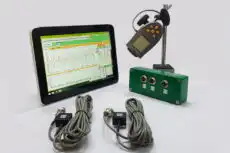
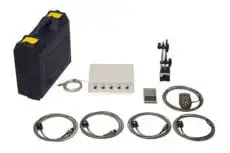
Vibromera ಸಮತೋಲನ ಸಾಧನಗಳು ISO ಪದಸಂಪದವನ್ನು ನೇರವಾಗಿ ಜಾರಿಗೆ ತರುತ್ತವೆ: G-ಗ್ರೇಡ್ ಆಯ್ಕೆ, ಅಸಮತೋಲನ ವೆಕ್ಟರ್ಗಳು, ತಿದ್ದುಪಡಿ ಸಮತಲಗಳು, ಉಳಿದ ವಿರುದ್ಧ ಅನುಮತಿಸಲಾದ ಹೋಲಿಕೆ — ಎಲ್ಲವೂ ಒಂದು ಪೋರ್ಟ್ಬಲ್ ಸಾಧನದಲ್ಲಿ.
ಸಮತೋಲನ ಸಾಧನಗಳನ್ನು ವೀಕ್ಷಿಸಿ →
