ISO 1940-2 — Balance Errors (now ISO 21940-14)
The historical standard for assessing balance errors of rigid rotors — systematic, randomly variable and scalar error sources in the balancing process. Withdrawn and replaced by ISO 21940-14:2012. The balancing vocabulary itself is defined in ISO 21940-2 (formerly ISO 1925) and is summarised below.


एका झलकीमध्ये मुख्य संतुलन अटी
The most important definitions from the ISO balancing vocabulary — ISO 21940-2 (formerly ISO 1925) — the terms every balancing practitioner must know
संपूर्ण पारिभाषिक संदर्भ
All major terms from the balancing vocabulary, ISO 21940-2 (formerly ISO 1925), organised by category
| संज्ञा | व्याख्या | महत्त्व |
|---|---|---|
| रोटर रोटर | एका निश्चित अक्षाभोवती परिभ्रमण करण्यास सक्षम असलेली वस्तू. बॅलन्सिंगच्या संदर्भात, यात कोणताही परिभ्रमणशील घटक समाविष्ट असतो: शाफ्ट, इंपेलर, आर्मेचर, ड्रम, स्पिंडल. | बॅलन्सिंगचा मूलभूत विषय. इतर सर्व संज्ञा रोटरच्या गुणधर्मांचे किंवा त्यावरील क्रियांचे वर्णन करतात. |
| रोटर कठोर रोटर | असा रोटर ज्याचा अनबॅलन्स कोणत्याही दोन अनियंत्रित प्लेनमध्ये सुधारता येतो, आणि सुधारणेनंतर, कमाल सेवा वेगापर्यंतच्या कोणत्याही वेगावर अवशिष्ट अनबॅलन्स लक्षणीयरीत्या बदलत नाही. | हे निर्धारित करते की ISO 1940-1 (G-ग्रेड प्रणाली) लागू होते. शॉप मशीनवर कमी वेगावर बॅलन्सिंग करणे वैध आहे. बहुसंख्य औद्योगिक रोटर रिजिड असतात. |
| रोटर लवचिक रोटर | असा रोटर जो त्याच्या सर्व्हिस स्पीडवर लवचिकपणे विकृत होतो आणि त्यामुळे त्याची अनबॅलन्स स्थिती बदलते. हा सर्व्हिस स्पीडवर किंवा त्याजवळ दोनहून अधिक प्लेनमध्ये दुरुस्त करणे आवश्यक आहे. | ISO 21940-12 आवश्यक आहे. उच्च-गती टर्बाइन, मोठे जनरेटर, बहु-चरण कम्प्रेसर. विशेष उच्च-गती संतुलन उपकरण आवश्यक आहे. |
| रोटर शाफ्ट अक्ष | बेअरिंग जर्नल्सच्या केंद्रांना जोडणारी सरळ रेषा. फिरण्याचा भौमितिक अक्ष. | सर्व अनबॅलन्स मापनांसाठीचा संदर्भ अक्ष. जर्नल्सचा runout मापनाच्या अचूकतेवर परिणाम करतो. |
| रोटर जडत्वाचा मुख्य अक्ष | ज्या अक्षाभोवती रोटर केंद्रापसारक बल किंवा मोमेंट निर्माण न करता मुक्तपणे फिरेल असा अक्ष. पूर्णपणे बॅलन्स केलेल्या रोटरसाठी हा शाफ्ट अक्षाशी एकरूप होतो. | प्रमुख अक्ष आणि शाफ्ट अक्ष यांच्यातील विसंगती आहे अनबॅलन्स. सर्व दुरुस्तीचा उद्देश हे दोन अक्ष एका रेषेत आणणे हा असतो. |
| रोटर वस्तुमान केंद्र (गुरुत्व केंद्र) | ज्या बिंदूवर संपूर्ण रोटरचे वस्तुमान केंद्रित झाले आहे असे मानता येते. बॅलन्स केलेल्या रोटरसाठी हे अगदी शाफ्ट अक्षावर असते. | स्टॅटिक अनबॅलन्स = वस्तुमान केंद्र शाफ्ट अक्षापासून विस्थापित. विशिष्ट अनबॅलन्स (e) = विस्थापन अंतर. |
| रोटर सेवा वेग | रोटर त्याच्या उद्दिष्ट अनुप्रयोगात ज्या कमाल फिरण्याच्या गतीवर चालतो ती गती. | टॉलरन्स गणनेसाठी महत्त्वाचे: Uनुसार = (9 549 × G × M) / n. नेहमी सर्व्हिस स्पीड वापरा, बॅलन्सिंग स्पीड नव्हे. |
| रोटर क्रिटिकल वेग | अशी फिरण्याची गती ज्यावर रोटर-बेअरिंग प्रणाली रेझोनन्स अनुभवते, ज्यामुळे कंपन मोठ्या प्रमाणात वाढते. | रिजिड/फ्लेक्सिबल वर्गीकरण ठरवते. रिजिड रोटर पहिल्या बेंडिंग क्रिटिकल स्पीडच्या बऱ्याच खाली चालतो. |
| संज्ञा | व्याख्या | सूत्र / एकके |
|---|---|---|
| Unbalance Unbalance | अशी स्थिती जिथे जडत्वाचा प्रमुख अक्ष फिरण्याच्या अक्षाशी एकरूप नसतो. यामुळे वस्तुमान, विकेंद्रता आणि गतीच्या वर्गाच्या प्रमाणात केंद्रापसारक बल निर्माण होते. | U = m × r (g·mm किंवा kg·m) |
| Unbalance स्थिर असंतुलन | प्रमुख अक्ष फिरण्याच्या अक्षाला समांतर पण विस्थापित. एका त्रिज्येवरील एकाच वस्तुमानाच्या समतुल्य. फिरवल्याशिवाय शोधता येते (knife-edges). समान फेजमधील बेअरिंग कंपन. | यामध्ये दुरुस्त केले जाते 1 तल |
| Unbalance युगल असंतुलन | प्रमुख अक्ष वस्तुमान केंद्रावर फिरण्याच्या अक्षाला छेदतो पण कललेला असतो. वेगवेगळ्या प्लेनमधील दोन समान, विरुद्ध हेवी स्पॉट्स एक रॉकिंग मोमेंट निर्माण करतात. फक्त फिरताना शोधता येते. | यामध्ये दुरुस्त केले जाते 2 तले |
| Unbalance गतिशील असंतुलन | सामान्य प्रकरण: प्रमुख अक्ष फिरण्याच्या अक्षाला समांतरही नसतो आणि छेदतही नाही. स्टॅटिक आणि कपल यांचे संयोजन. प्रत्यक्ष जगातील सर्वात सामान्य स्थिती. | यामध्ये दुरुस्त केले जाते 2 तले |
| Unbalance विशिष्ट असंतुलन | अनबॅलन्स आणि रोटर वस्तुमान यांचे गुणोत्तर. विकेंद्रता दर्शवते — शाफ्ट अक्षापासून वस्तुमान केंद्राचे विस्थापन. वेगवेगळ्या रोटर आकारांमध्ये गुणवत्तेची तुलना करण्यास अनुमती देते. | e = U / M (µm or g·mm/kg) |
| Unbalance अवशिष्ट असंतुलन | बॅलन्सिंग प्रक्रियेनंतर रोटरमध्ये उरलेला अनबॅलन्स. हा परवानगीयोग्य मूल्याहून (U) जास्त नसावानुसार) निर्दिष्ट G-ग्रेड. | Ures ≤ Uनुसार |
| Unbalance प्रारंभिक असंतुलन | कोणतीही बॅलन्सिंग दुरुस्ती करण्यापूर्वी मिळालेल्या स्थितीतील रोटरचा अनबॅलन्स. पहिल्या रनवर मोजला जातो. | बॅलन्सिंग प्रक्रियेसाठीचा आधाररेखा |
| Unbalance विषमता सदिश | दिलेल्या प्लेनमधील अनबॅलन्सचे परिमाण आणि कोनीय स्थान. ॲम्प्लिट्यूड (g·mm) आणि फेज कोन (°) सह ध्रुवीय सदिश म्हणून दर्शवले जाते. | U∠θ (संदर्भापासून ° वर g·mm) |
| संज्ञा | व्याख्या | व्यावहारिक नोट्स |
|---|---|---|
| प्रक्रिया संतुलन | रोटरच्या वस्तुमान वितरणाची तपासणी करून ते समायोजित करण्याची प्रक्रिया जेणेकरून उर्वरित अनबॅलन्स निर्दिष्ट टॉलरन्समध्ये राहील. | पुनरावृत्तीशील: मोजा → गणना करा → दुरुस्ती करा → पडताळा करा. |
| प्रक्रिया सुधार समतल | रोटर अक्षाला लंब असलेला प्लेन ज्यामध्ये वस्तुमान जोडले किंवा काढले जाते. वजन ठेवण्यासाठी भौतिकदृष्ट्या उपलब्ध स्थान. | हे टॉलरन्स (बेअरिंग) प्लेनहून वेगळे असू शकते — यासाठी भौमितिक रूपांतरण आवश्यक आहे. |
| प्रक्रिया सहिष्णुता तल | ज्या प्लेनमध्ये अनुज्ञेय अनबॅलन्स निर्दिष्ट केला जातो — सामान्यतः बेअरिंग प्लेन. येथील अनबॅलन्स थेट बेअरिंग लोडवर परिणाम करतो. | Uनुसार टॉलरन्स प्लेनसाठी निर्दिष्ट केला जातो; तो करेक्शन प्लेनमध्ये रूपांतरित करणे आवश्यक आहे. |
| प्रक्रिया सुधार वस्तुमान | करेक्शन प्लेनमध्ये विशिष्ट त्रिज्या आणि कोनात रोटरला जोडलेले किंवा त्यातून काढलेले प्रत्यक्ष वस्तुमान (वजन). | जोडणे: क्लिप-ऑन, बोल्ट-ऑन, वेल्ड, इपॉक्सी. काढणे: ड्रिलिंग, मिलिंग, ग्राइंडिंग. |
| प्रक्रिया चाचणी वजन | बॅलन्सिंग प्रक्रियेदरम्यान रोटरला ज्ञात त्रिज्या आणि कोनात तात्पुरते जोडलेले ज्ञात वस्तुमान. रोटरचा प्रतिसाद (इन्फ्लुएन्स कोएफिशियंट) निश्चित करण्यासाठी वापरले जाते. | Balanset-1A ट्रायल-वेट पद्धत: रन → ट्रायल जोडा → रन → सॉफ्टवेअर करेक्शन गणना करते. |
| प्रक्रिया प्रभाव गुणांक | विशिष्ट स्थानावरील एकक अनबॅलन्समुळे मापन बिंदूवर निर्माण होणाऱ्या व्हायब्रेशन प्रतिसादातील (अॅम्प्लिट्यूड आणि फेज) बदल. रोटर-बेअरिंग संवेदनशीलता दर्शवतो. | ट्रायल-वेट रनवरून गणना केली जाते. टू-प्लेन बॅलन्सिंगसाठी 2×2 इन्फ्लुएन्स मॅट्रिक्स आवश्यक आहे. |
| प्रक्रिया एकल-तल संतुलन | एका करेक्शन प्लेनमध्ये स्टॅटिक अनबॅलन्स दुरुस्त करणारी प्रक्रिया. L/D < 0.5 असलेल्या आखूड (डिस्क-सदृश) रोटरसाठी योग्य. | Balanset-1A F2 मोड. एक सेंसर, एक विमान. |
| प्रक्रिया द्विसमतल संतुलन | दोन करेक्शन प्लेनमध्ये स्टॅटिक आणि कपल अशा दोन्ही अनबॅलन्सला दुरुस्त करणारी प्रक्रिया. लांबट रोटरसाठी किंवा कपल अनबॅलन्स लक्षणीय असताना आवश्यक. | Balanset-1A F3 मोड. दोन सेंसर, दोन विमान. |
| प्रक्रिया ट्रिम संतुलन | असेंब्लीमुळे निर्माण झालेल्या अनबॅलन्सची (कपलिंग रनआउट, फिट टॉलरन्स) भरपाई करण्यासाठी असेंबल केलेल्या रोटरवर केले जाणारे अंतिम, सूक्ष्म बॅलन्सिंग समायोजन. | बहुतेकदा बसवलेल्या मशीनवर फील्डमध्ये केले जाते. |
| प्रक्रिया वजन विभाजन | अचूक कोनीय स्थान सुलभ नसताना गणना केलेले करेक्शन वस्तुमान दोन समीप सुलभ स्थानांमध्ये (उदा. दोन बोल्ट होल किंवा ब्लेड स्थाने) विभागणे. | Balanset-1A स्वयंचलित वजन-विभाजन गणना प्रदान करते. |
| संज्ञा | व्याख्या | तुलना |
|---|---|---|
| मशीन संतुलन यंत्र | रोटरमधील अनबॅलन्स (परिमाण आणि कोनीय स्थान) मोजणारे उपकरण, जेणेकरून वस्तुमान वितरण दुरुस्त करता येईल. | दोकानामधील (स्थिर) किंवा क्षेत्र (पोर्टेबल, जसे Balanset-1A). |
| मशीन मृदू-असर मशीन | सस्पेन्शन अत्यंत लवचिक असते. रोटर सस्पेन्शनच्या नैसर्गिक वारंवारतेच्या वर चालतो. प्रत्यक्ष विस्थापन मोजते. प्रत्येक रोटर भूमितीसाठी कॅलिब्रेट करणे आवश्यक. | आजकाल कमी सामान्य. कमी खर्च, परंतु ऑपरेटरने प्रत्येक रोटरसाठी पुनः कॅलिब्रेट केले पाहिजे. विस्थापन संवेदन. |
| मशीन कठोर-असर मशीन | सस्पेन्शन अत्यंत कडक असते. रोटर सस्पेन्शनच्या नैसर्गिक वारंवारतेच्या खाली चालतो. सेन्सर थेट केंद्रापसारी बल मोजतात. कायमस्वरूपी कॅलिब्रेटेड — रोटर-विशिष्ट सेटअपशिवाय विस्तृत श्रेणीतील रोटर स्वीकारते. | प्रमुख प्रकार आधुनिक उद्योगात. अधिक बहुउपयोगी, जलद सेटअप. फोर्स सेन्सिंग. |
| मशीन फील्ड संतुलन यंत्र | विघटन न करता मशीनमध्ये बसवलेल्या रोटरचे जागेवरच (इन-सिटू) बॅलन्सिंग करण्यासाठी वापरले जाणारे पोर्टेबल उपकरण. व्हायब्रेशन सेन्सर आणि टॅकोमीटर वापरते. ट्रायल-वेट पद्धत. | Balanset-1A (2-चॅनेल) आणि Balanset-4 (4-चॅनेल). ISO 1940 टॉलरन्स कॅल्क्युलेटर अंतर्भूत. |
| मशीन मँड्रेल (आर्बर) | मशीनवर बॅलन्सिंगसाठी रोटर बसवण्यात येणारा शाफ्ट किंवा अॅडॅप्टर. तो अचूकपणे समकेंद्री असला पाहिजे आणि त्याचा रनआउट नगण्य असला पाहिजे. | मँड्रेल विकेंद्रितता हे पद्धतशीर बॅलन्सिंग त्रुटीचे प्रमुख कारण आहे. इंडेक्स टेस्टद्वारे पडताळणी केली जाते. |
| संज्ञा | व्याख्या | सूत्र / मानक |
|---|---|---|
| गुणवत्ता बॅलन्स क्वालिटी ग्रेड (G) | रोटरच्या वस्तुमान केंद्राच्या कमाल अनुज्ञेय वेगाचे वर्गीकरण निर्दिष्ट करणारी वर्गवारी. G = eनुसार × ω. ग्रेड 2.5 या घटकासह लॉगरिदमिक स्केल तयार करतात. | G 0.4 … G 4000 मध्ये परिभाषित ISO 1940-1 |
| गुणवत्ता अनुमत अवशिष्ट असंतुलन (Uनुसार) | निर्दिष्ट G-ग्रेड, रोटर वस्तुमान आणि सेवा गतीसाठी अनुज्ञेय कमाल अवशिष्ट अनबॅलन्स. स्वीकृती निकष. | Uनुसार = (9549 × G × M) / n |
| गुणवत्ता संतुलन सहिष्णुता | निर्दिष्ट गुणवत्ता आवश्यकता पूर्ण करण्यासाठी अवशिष्ट अनबॅलन्स ज्या मर्यादेत असणे आवश्यक आहे ती मर्यादा. U च्या समाननुसार. | वाटप केल्यानंतर प्रत्येक तलावर निर्दिष्ट |
| गुणवत्ता अनबॅलन्स रिडक्शन रेशो (URR) | एका करेक्शन सायकलनंतर प्रारंभिक अनबॅलन्स आणि अवशिष्ट अनबॅलन्स यांचे गुणोत्तर. बॅलन्सिंग मशीन/प्रक्रियेची कार्यक्षमता दर्शवते. | URR = Uप्रारंभिक / Uअवशिष्ट सामान्यतः: 5–50× |
| मापन फेज कोन | रोटरवरील संदर्भ खुणेच्या सापेक्ष अनबॅलन्स व्हेक्टरची कोनीय स्थिती (टॅकोमीटरने मोजलेली). अॅम्प्लिट्यूडसह एकत्रितपणे ती संपूर्ण अनबॅलन्स व्हेक्टर परिभाषित करते. | ° (अंश, 0–360) |
| मापन व्हायब्रेशन वेलॉसिटी (RMS) | बेअरिंग हाऊसिंगवरील व्हायब्रेशन वेलॉसिटीचे रूट-मीन-स्क्वेअर मूल्य. मशीनच्या स्थितीच्या मूल्यांकनासाठी हे प्रमाणित मापन पॅरामीटर आहे ISO 10816. | मिमी/से RMS (10–1000 हर्ज) |
| मापन निर्देशांक चाचणी | पडताळणी प्रक्रिया: मशीन सपोर्टच्या सापेक्ष रोटर एका ठरावीक कोनातून (उदा. 180°) फिरवा आणि पुन्हा मोजमाप करा. यामुळे मँड्रेल आणि फिक्स्चरमधील त्रुटी ओळखता येतात. | ISO 1940-1 Ch. 10 नुसार औपचारिक पडताळणीसाठी आवश्यक |
| मापन किमान साध्य अवशिष्ट असंतुलन (Umar) | एखाद्या विशिष्ट रोटरसाठी ठरावीक बॅलन्सिंग मशीनवर साध्य करता येणारा सर्वात कमी अवशिष्ट अनबॅलन्स. हा मशीनची संवेदनशीलता, नॉइज फ्लोअर आणि बेअरिंगची स्थिती यांवर अवलंबून असतो. | Umar ≤ U असणे आवश्यक आहेनुसार आवश्यक G-ग्रेडसाठी मशीन योग्य ठरण्याकरिता. |
ISO 1940-2 म्हणजे काय?
ISO 1940-2:1997 (Mechanical vibration — Balance quality requirements of rigid rotors — Part 2: Balance errors) was the international standard for identifying, assessing and taking into account the errors that arise when balancing rigid rotors — from mandrel and drive-shaft unbalance to component runout and instrumentation scatter. It has been withdrawn and replaced by ISO 21940-14:2012 (Mechanical vibration — Rotor balancing — Part 14: Procedures for assessing balance errors), which extends the same procedures to rotors with flexible behaviour. Note: it is often confused with the balancing vocabulary — that is a different standard, ISO 21940-2 (formerly ISO 1925), whose terminology this page summarises below.
When an engineer in Germany specifies "dynamic unbalance correction to G 6.3 in two planes," a technician in Japan must understand exactly what is required — the same rotor condition, the same balancing procedure, and the same acceptance criterion. The ISO balancing vocabulary — ISO 21940-2 (formerly ISO 1925) — makes this possible by providing a single, internationally agreed vocabulary for the entire field.
ISO 1940-2 itself, by contrast, was neither a dictionary nor a tolerance specification — it dealt with balance errors. It classified the error sources of the balancing process as systematic (magnitude and angle can be evaluated — e.g. mandrel or drive-shaft unbalance, radial and axial runout, keys and keyways, residual magnetism, reassembly and instrumentation errors), randomly variable (loose parts, entrapped liquids, thermal distortion, windage) and scalar (only the maximum magnitude can be estimated, the angle is indeterminate — e.g. fitting clearances and manufacturing tolerances), and gave procedures for assessing them and taking them into account so that the residual unbalance genuinely stays within the permissible value Uनुसार पासून ISO 1940-1 (now ISO 21940-11). Its successor, ISO 21940-14, keeps exactly this role within the ISO 21940 series.
तपशीलवार शर्त विश्लेषण
रिजिड / फ्लेक्सिबल फरक
बॅलन्सिंगमधील हे सर्वात महत्त्वाचे वर्गीकरण आहे. हा फरक सर्वकाही ठरवतो: कोणते मानक लागू होते, कोणत्या उपकरणांची गरज आहे, किती प्लेन आवश्यक आहेत आणि बॅलन्सिंग कोणत्या वेगाने केले पाहिजे.
ज्या रोटरचा अनबॅलन्स कोणत्याही दोन अनियंत्रित प्लेनमध्ये दुरुस्त करता येतो आणि करेक्शननंतर, कमाल सेवा वेगापर्यंतच्या कोणत्याही वेगावर ज्याचा अवशिष्ट अनबॅलन्स लक्षणीयरीत्या बदलत नाही असा रोटर. व्यावहारिक परीक्षण: जर पहिली वाकणे critical speed कमाल सेवा वेगापेक्षा बराच जास्त असेल (सामान्यतः > 1.5× किंवा त्याहून अधिक), तेव्हा रोटर रिजिड असतो.
असा रोटर जो आपल्या सेवा वेगावर इलॅस्टिकरीत्या विकृत होतो ज्यामुळे त्याची अनबॅलन्स स्थिती बदलते. अशा रोटरला सेवा वेगावर किंवा त्याजवळ दोनहून अधिक प्लेनमध्ये बॅलन्स करणे आवश्यक असते. यासाठी लागू: मोठे टर्बो जनरेटर, बहु-टप्प्य उच्च-गती कंप्रेसर, उच्च गतीवर लांब कागद मशीन रोल. ISO 21940-12 द्वारे कव्हर केले जाते.
बहुसंख्य औद्योगिक रोटर — इलेक्ट्रिक मोटर, फॅन, पंप, फ्लायव्हील, शाफ्ट — हे रिजिड रोटर असतात. ISO 1940-1 G-ग्रेड प्रणाली थेट रिजिड रोटरला लागू होते.
अनबॅलन्सचे तीन प्रकार
The vocabulary (ISO 21940-2) defines three fundamental types based on the geometric relationship between the principal inertia axis and the rotation axis. Understanding these is essential for selecting the correct balancing procedure:
- स्थिर असंतुलन निर्माण करते एक बल — दोन्ही बेअरिंग्ज 1× RPM वर समान फेजमध्ये कंपन करतात. परिभ्रमणाशिवायही रोटर असंतुलित असल्याचे ओळखता येते (नाइफ-एज्जवर गुरुत्वाकर्षण ते उघड करते). एक करेक्शन प्लेन पुरेसा असतो. अरुंद डिस्क-सदृश रोटरसाठी (L/D < 0.5) हे विशिष्ट आहे: अरुंद पुली, फॅन इंपेलर, पातळ फ्लायव्हील्स.
- कपल असंतुलन निर्माण करते एक मोमेंट — बेअरिंग्ज 1× RPM वर 180° फेजच्या बाहेर कंपन करतात. निव्वळ बल शून्य असते (वस्तुमानाचे केंद्र अक्षावर असते), परंतु वेगवेगळ्या अक्षीय स्थितींमध्ये दोन समान आणि विरुद्ध जड स्पॉट्स एक रॉकिंग कपल निर्माण करतात. हे केवळ परिभ्रमण होत असतानाच ओळखता येते. यासाठी दोन करेक्शन प्लेन्स आवश्यक असतात.
- गतिशील असंतुलन = स्टॅटिक + कपल यांचे संयोजन. पूर्णपणे सममित नसलेल्या सर्व वास्तविक रोटरसाठीचे सामान्य प्रकरण. बल आणि घूर्णबल दोन्ही उपस्थित असतात. बेअरिंग्ज 1× वर कंपन करतात आणि त्यांचा संबंध समान फेजमध्ये किंवा अचूकपणे 180° फेजबाहेरही नसतो. यासाठी टू-प्लेन बॅलन्सिंग आवश्यक असते.
स्पेसिफिक अनबॅलन्स आणि G-ग्रेड यांचा संबंध
विशिष्ट अनबॅलन्स (e = U/M) हे प्रमुख मापदंड आहे जे सार्वत्रिक बॅलन्स गुणवत्ता तुलना शक्य करते. 50 g·mm अनबॅलन्स असलेल्या 5 kg रोटरचे e = 10 µm असते. 5 000 g·mm अनबॅलन्स असलेल्या 500 kg रोटरचेही e = 10 µm असते — वस्तुमानात 100× फरक असूनही बॅलन्स गुणवत्ता एकसारखी असते.
The G-ग्रेड वेग समाविष्ट करून हे विस्तारित करते: G = e × ω, जे वस्तुमान आणि वेग या दोन्हींपासून स्वतंत्रपणे बॅलन्स गुणवत्ता दर्शविणारा एकच आकडा (mm/s) देते. हा पाया आहे ISO 1940-1 सहनशीलता प्रणाली.
सुधार समतल विरुद्ध सहनशीलता समतल
The vocabulary draws a critical distinction that is often missed in practice:
- सहनशीलता समतल = बेअरिंग प्लेन्स जिथे कंपन आणि डायनॅमिक लोड्स सर्वाधिक नाजूक असतात. अनुज्ञेय अनबॅलन्स Uनुसार येथे निर्दिष्ट केले आहे.
- सुधार समतल = भौतिकदृष्ट्या प्रवेशयोग्य ठिकाणे जिथे वजने ठेवता येतात (फॅन हब, मोटर एंड-रिंग्ज, शाफ्ट शोल्डर्स). बहुधा बेअरिंग्जपेक्षा वेगळ्या अक्षीय स्थितींवर असतात.
U चे रूपांतरनुसार टॉलरन्स प्लेन्समधून करेक्शन प्लेन्समध्ये करण्यासाठी रोटर भूमितीचे ज्ञान आवश्यक असते. असममित किंवा ओव्हरहंग रोटरसाठी, हे रूपांतर प्रति-प्लेन टॉलरन्समध्ये लक्षणीय बदल करू शकते. हे Balanset-1A रोटर परिमाणे प्रविष्ट केल्यावर हे रूपांतर आपोआप हाताळते.
संतुलन यंत्रांचे प्रकार
दोन मूलभूत मशीन प्रकार वेगवेगळ्या भौतिक मापन तत्त्वांचे प्रतिनिधित्व करतात:
- सॉफ्ट-बेअरिंग: निलंबन नैसर्गिक वारंवारता कार्यशील वेगापेक्षा खूप खाली → यंत्र मापन करते विस्थापन. प्रत्येक नवीन रोटरसाठी कॅलिब्रेशन आवश्यक असते. ऐतिहासिकदृष्ट्या महत्त्वाचे; वापर कमी होत आहे.
- हार्ड-बेअरिंग: निलंबन नैसर्गिक वारंवारता कार्यशील वेगापेक्षा खूप वर → यंत्र मापन करते बल. कायमस्वरूपी कॅलिब्रेटेड — स्वतंत्र कॅलिब्रेशनशिवाय वेगवेगळे रोटर स्वीकारते. प्रमुख आधुनिक प्रकार.
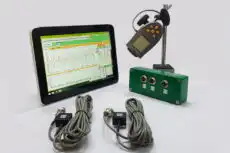
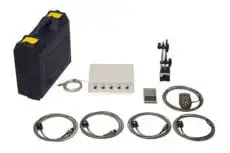
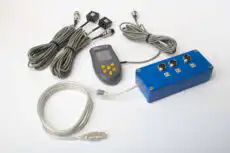
फील्ड बॅलन्सिंग उपकरणे जसे की Balanset-1A वेगळे तत्त्व वापरतात: ती ISO अर्थाने "मशीन" नसून रोटरचे स्वतःचे बेअरिंग्ज आणि सपोर्ट मापन प्रणाली म्हणून वापरतात, आणि समर्पित बॅलन्सिंग मशीनशिवाय करेक्शन निश्चित करण्यासाठी ट्रायल-वेट (इन्फ्लुएन्स कोएफिशिएंट) पद्धत वापरतात.
क्रॉस-रेफरन्स: प्रत्येक संज्ञा कोठे वापरली जाते
ISO 1940-1 / ISO 21940-11: सर्व टॉलरन्स आणि गुणवत्ता संज्ञा वापरते — G-ग्रेड, Uनुसार, बॅलन्स टॉलरन्स, रेसिड्युअल अनबॅलन्स. या शब्दावलीचा प्रमुख वापरकर्ता.
ISO 14694: Uses rotor terms (rigid), unbalance terms, and extends with fan-specific BV application categories, balance grades and vibration-limit tables.
ISO 10816 / ISO 20816: मापन संज्ञा वापरते — कंपन वेग, RMS, बेअरिंग गृह मापन बिंदू.
ISO 21940-12: मल्टी-स्पीड, मल्टी-प्लेन प्रक्रियांसह flexible rotor व्याख्या विस्तारित करते.
API 610 / API 617: पेट्रोलियम मानके पंप व कंप्रेसर तपशीलांसाठी ISO 1940 G-grades आणि unbalance परिभाषेचा संदर्भ देतात.
ISO 1940-2 → ISO 21940-14: Transition
ISO 21940-14:2012 has formally cancelled and replaced ISO 1940-2:1997, of which it constitutes a technical revision — the main change being the extension of its applicability to rotors with flexible behaviour. The balancing vocabulary followed a separate path: ISO 1925 was revised as ISO 21940-2. The ISO 21940 numbering reflects integration into the comprehensive ISO 21940 series covering all aspects of rotor balancing. The old designations still appear widely in industry literature.
अधिकृत मानक: ISO 21940-14:2012 (replaces ISO 1940-2) on ISO Store →
वारंवार विचारलेले प्रश्न — ISO 1940-2
Balance errors, the ISO 21940 transition, and balancing terminology
संबंधित शब्दकोश लेख
योग्य साधनांसह — भाषा बोला
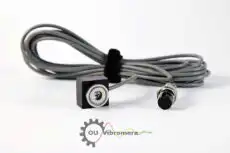
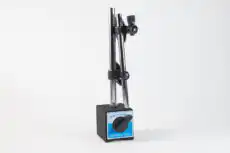
Vibromera बॅलन्सर ISO शब्दावली थेट अंमलात आणतात: G-ग्रेड निवड, अनबॅलन्स व्हेक्टर, करेक्शन प्लेन, अवशिष्ट विरुद्ध अनुज्ञेय तुलना — सर्व काही एकाच पोर्टेबल उपकरणात.
संतुलन उपकरणे पहा →
