ISO 1940-2 — Greške balansiranja (sada ISO 21940-14)
Istorijski standard za procjenu grešaka balansiranja krutih rotora — sistematski, slučajno promjenljivi i skalarni izvori grešaka u procesu balansiranja. Povučen i zamijenjen sa ISO 21940-14:2012. Sama terminologija balansiranja definisana je u ISO 21940-2 (ranije ISO 1925) i sažeta je u nastavku.
Inženjeri Vibromere i dalje se oslanjaju na taksonomiju grešaka iz ISO 1940-2 pri rješavanju problema zaostale neuravnoteženosti koja se zadržava nakon korekcije prenosivim instrumentima kao što je Balanset-1A.



Ključni Pojmovi Balansiranja na Jedan Pogled
Najvažnije definicije iz ISO terminologije balansiranja — ISO 21940-2 (ranije ISO 1925) — pojmovi koje svaki praktičar balansiranja mora poznavati
Kompletan Referentni Pojmovnik
Svi glavni pojmovi iz terminologije balansiranja, ISO 21940-2 (ranije ISO 1925), organizovani po kategorijama
| Pojam | Definicija | Značaj |
|---|---|---|
| Rotor Rotor | Tijelo sposobno rotirati oko definisane ose. U kontekstu balansiranja, uključuje bilo koju rotirajuću komponentu: vratila, radijalne lopatice, armature, bubnjeve, vretena. | Osnovni predmet balansiranja. Svi ostali pojmovi opisuju svojstva ili radnje na rotoru. |
| Rotor Kruti rotor | Rotor čija neuravnoteženost može biti ispravljena u bilo koja dva proizvoljno odabrana balansirna ravnina, a nakon ispravke, preostala neuravnoteženost se ne mijenja značajno na bilo kojoj brzini do maksimalne brzine rada. | Određuje da ISO 1940-1 (sistem G-klase) važi. Balansiranje pri maloj brzini na radioničnoj mašini je validno. Velika većina industrijskih rotora je kruta. |
| Rotor Fleksibilni rotor | Rotor koji se elastično deformira pri svojoj brzini rada tako da se njegov stanja neuravnoteženosti mijenja. Mora biti ispravljen pri ili blizu brzine rada u više od dvije balansirne ravnine. | Zahtijeva ISO 21940-12. Turbine velikih brzina, veliki generatori, turbokompresori sa više stepeni. Potrebna je specijalizovana oprema za balansiranje pri velikim brzinama. |
| Rotor Osa vratila | Prava linija koja spaja centre ležajnih čepova. Geometrijska osa rotacije. | Referentna osa za sva mjerenja neuravnoteženosti. Izvođenje čepova ležaja utječe na točnost mjerenja. |
| Rotor Glavna osa tromosti | Osa oko koje bi se rotor rotirao slobodno, bez stvaranja centrifugalne sile ili momenta. Poklapa se sa osom vratila za savršeno izbalansiran rotor. | Neusklađenost između glavne ose i ose vratila je neuravnoteženost. Svi ciljevi ispravke su poravnati ove dvije ose. |
| Rotor Centar mase (težišta) | Točka u kojoj se može smatrati da je koncentrirana cijela masa rotora. Za izbalansiran rotor, nalazi se točno na osi vratila. | Statički debalans = pomak centra mase od ose vratila. Specifični debalans (e) = udaljenost pomaka. |
| Rotor Radna brzina | Maksimalna brzina rotacije pri kojoj rotor radi u svojoj namjenskoj primjeni. | Kritično za izračunavanje tolerancije: Uprema = (9 549 × G × M) / n. Uvijek koristiti radnu brzinu, ne brzinu balansiranja. |
| Rotor Kritična brzina | Brzina rotacije pri kojoj sistem rotor-ležaj doživljava rezonancu, što rezultira značajno pojačanom vibracijom. | Određuje klasifikaciju krut/fleksibilan. Krut rotor radi dobro ispod prve brzine kritičnog savijanja. |
| Pojam | Definicija | Formula / Mjerne jedinice |
|---|---|---|
| Neuravnoteženost Neuravnoteženost | Stanje u kojem glavna os inercije nije supostavljena s osom rotacije. Uzrokuje centripetalnu silu proporcionalnu masi, ekscentrićnosti i kvadratu brzine. | U = m × r (g·mm ili kg·m) |
| Neuravnoteženost Statička nebalansiranost | Glavna os paralelna s osom rotacije ali pomaknuta. Ekvivalentna jednoj masi na jednom radijusu. Otkriva se bez rotacije (brušeni oslonci). Vibracijska amplituda u fazi u osloncima. | Korigovano u 1 ravan |
| Neuravnoteženost Neuravnoteženost momenta | Glavna os siječe osu rotacije u centru mase, ali je nagnuta. Dva jednaka, suprotna teška mjesta u različitim ravninama stvaraju moment ljuljanja. Otkriva se samo tijekom rotacije. | Korigovano u 2 ravni |
| Neuravnoteženost Dinamička nebalansiranost | Opšti slučaj: glavna os nije paralelna niti siječe osu rotacije. Kombinacija statične neravnoteže i momenta. Najčešće stanje u praksi. | Korigovano u 2 ravni |
| Neuravnoteženost Specifična nebalansiranost | Odnos neravnoteže prema masi rotora. Predstavlja ekscentrićnost — pomak centra mase od ose vratila. Omogućava usporedbu kvalitete između različitih veličina rotora. | e = U / M (µm ili g·mm/kg) |
| Neuravnoteženost Zaostala neuravnoteženost | Neravnoteža koja ostaje u rotoru nakon procesa balansiranja. Ne smije biti veća od dozvoljene vrijednosti (Uprema) za navedeni G-klasa. | Ures ≤ Uprema |
| Neuravnoteženost Inicijalna nebalansiranost | Neravnoteža rotora prije bilo kakve korekcije balansiranja. Mjerena pri prvom pokretanju. | Polazna osnova za proces balansiranja |
| Neuravnoteženost Vektor neravnoteže | Veličina i ugaoni položaj debalansa u datoj ravni. Prikazano kao polarni vektor s amplitudom (g·mm) i faznim uglom (°). | U∠θ (g·mm pri ° od referentne tačke) |
| Pojam | Definicija | Praktične napomene |
|---|---|---|
| Proces Balansiranje | Proces provjere i podešavanja raspodjele mase rotora tako da rezidualna neravnoteža bude u dozvoljenim granicama tolerancije. | Iterativno: mjerenje → izračun → korekcija → provjera. |
| Proces Korekcijska Ravnina | Ravnina okomita na osu rotora u koju se dodaje ili uklanja masa. Fizički dostupno mjesto za postavljanje teške mase. | Može se razlikovati od ravnina tolerancije (oslonci) — zahtijeva geometrijsku konverziju. |
| Proces Ravnina tolerancije | Ravnina u kojoj je dozvoljava neravnoteža — obično ravnina oslonca. Neravnoteža ovdje izravno utječe na opterećenja oslonaca. | Uprema se navodi za ravnine tolerancije; mora se konvertovati u ravnine korekcije. |
| Proces Korekcijska masa | Fizička masa (težina) dodata ili oduzeta rotoru na određenom radijusu i kutu unutar ravnine korekcije. | Dodano: fiksiranje sponama, bolcima, zavarivanjem, epoksidom. Uklonjeno: bušenjem, glodanjem, brušenjem. |
| Proces Probna masa | Poznata masa privremeno pričvršćena na rotor na poznatom radijusu i kutu tijekom postupka balansiranja. Koristi se za određivanje odziva rotora (koeficijent uticaja). | Metoda probne mase Balanset-1A: pokretanje → postavljanje probne mase → pokretanje → softver izračunava korekciju. |
| Proces Koeficijent uticaja | Promjena odziva vibracija (amplituda i faza) na mjestu mjerenja uzrokovana jediničnom nebalansiranosti na određenoj lokaciji. Karakterizira osjetljivost rotor-ležaja. | Izračunato iz pokusa sa probnom masom. Balansiranje u dvije ravnine zahtijeva matricu uticaja 2×2. |
| Proces Balansiranje u jednoj ravnini | Postupak korekcije statičke nebalansiranosti u jednoj ravnini korekcije. Prikladan za kratke (diskoidne) rotore sa L/D < 0,5. | Balanset-1A F2 način. Jedan senzor, jedna ravnina. |
| Proces Balansiranje u dvije ravnine | Postupak korekcije statičke i sprežne nebalansiranosti u dvije ravnine korekcije. Obavezan za izdužene rotore ili kada je sprežna nebalansinost značajna. | Balanset-1A F3 način. Dva senzora, dvije ravnine. |
| Proces Fino balansiranje | Finalno, precizno prilagođavanje balansiranja na montiranom rotoru kako bi se nadoknadila nebalansinost uvedena montažom (izlaznost spojnice, tolerancije preklopa). | Često se provodi na terenu na instaliranoj mašini. |
| Proces Podjela težine | Raspodjela izračunate korekcijske mase između dvije susjedne dostupne lokacije (npr. dvije rupe za bolce ili položaja lopatica) kada tačan ugaoni položaj nije dostupan. | Balanset-1A omogućava automatski proračun rastavljanja mase. |
| Pojam | Definicija | Poređenje |
|---|---|---|
| Mašina Mašina za balansiranje | Uređaj koji mjeri nebalansiranost u rotoru (veličina i ugaoni položaj) tako da se raspodjela mase može ispraviti. | Pogonska (stacionarna) ili terenska (portabilna poput Balanset-1A). |
| Mašina Mašina sa mekim ležajevima | Suspenzija je veoma fleksibilna. Rotor se vrti iznad prirodne frekvencije suspenzije. Mjeri fizički pomak. Mora se kalibrirati za svaku geometriju rotora. | Manje česta danas. Niža cijena, ali operater mora ponovno kalibrirati za svaki rotor. Senzor pomaka. |
| Mašina Mašina s tvrdim ležajevima | Suspenzija je veoma kruta. Rotor se vrti ispod prirodne frekvencije suspenzije. Senzori mjere centrifugalnu silu direktno. Trajno kalibrirana — prihvaća širok raspon rotora bez rotora-specifične kalibracije. | Dominantni tip u modernoj industriji. Svestranije, brža postavka. Senzor sile. |
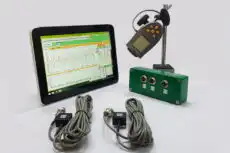
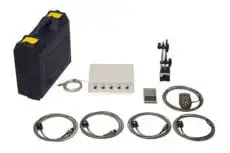
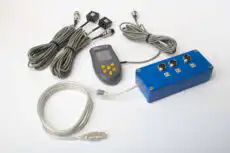
| Mašina Terenski balanser | Prenosivi instrument korišten za balansiranje rotora in-situ (instaliranog u mašini) bez demontaže. Koristi vibracijske senzore i tahometar. Metoda pokusne težine. | Balanset-1A (2-kanalni) i Balanset-4 (4-kanalni). Ugrađeni kalkulator tolerancije ISO 1940. |
| Mašina Trn (Arbor) | Vratilo ili adapter na kojem se rotor montira za balansiranje na mašini. Mora biti točno koncentrično i imati zanemariv runout. | Ekscentričnost vretena je veliki izvor sistematske greške balansiranja. Provjerena indeks testom. |
| Pojam | Definicija | Formula / Standard |
|---|---|---|
| Kvalitet Klasa Kvalitete Balansa (G) | Klasifikacija koja specificira maksimalnu dopuštenu brzinu centra mase rotora. G = eprema × ω. Klase formiraju logaritamsku skalu s faktorom 2,5. | G 0.4 … G 4000 Definirano u ISO 1940-1 |
| Kvalitet Dopušteni rezidualni nebalans (Uprema) | Maksimalni rezidualni nebalans dozvoljeno za navedenu G-klasu, masu rotora i brzinu rada. Kriterij prihvaćanja. | Uprema = (9549 × G × M) / n |
| Kvalitet Tolerancija balansa | Raspon u kojem rezidualni nebalans mora biti kako bi se ispunio navedeni zahtjev kvalitete. Jednak je Uprema. | Specificirano po ravnini nakon alokacije |
| Kvalitet Omjer smanjenja nebalansa (URR) | Omjer početnog neravnoteže prema rezidualnoj neravnoteži nakon jednog ciklusa korekcije. Pokazuje efikasnost balansne mašine/postupka. | URR = Upočetni / Urezidualni Tipično: 5–50× |
| Mjerenje Fazni ugao | Kutni položaj vektora neravnoteže u odnosu na referentnu oznaku na rotoru (izmjeren tahometrom). U kombinaciji s amplitudom, u potpunosti određuje vektor neravnoteže. | ° (stepeni, 0–360) |
| Mjerenje Brzina vibracija (RMS) | Efektivna vrijednost brzine vibracija na kućištu ležaja. Standardni parametar mjerenja za procjenu stanja mašine prema ISO 10816. | mm/s RMS (10–1000 Hz) |
| Mjerenje Indeksni test | Postupak provjere: okrenite rotor za definirani kut (npr. 180°) u odnosu na oslonce mašine i ponovno izmjerite. Otkriva greške mandre i uređaja. | Obavezno za formalnu provjeru prema ISO 1940-1 poglavlje 10 |
| Mjerenje Najmanja dostižna rezidualna neravnoteža (Umar) | Najmanja rezidualna neravnoteža koju je moguće postići na datoj balansnoj mašini za specifičan rotor. Određena osjetljivošću mašine, razinom šuma i stanjem ležajeva. | Umar mora biti ≤ Uprema kako bi mašina bila pogodna za traženu G-klasu. |
Što je ISO 1940-2?
ISO 1940-2:1997 (Mehaničke vibracije — Zahtjevi kvaliteta balansiranja krutih rotora — Dio 2: Greške balansiranja) je bio međunarodni standard za identifikaciju, procjenu i uzimanje u obzir grešaka koje nastaju prilikom balansiranja krutih rotora — od neuravnoteženosti trna i pogonskog vratila do bočnog odstupanja komponenti i rasipanja instrumenata. Povučen je i zamijenjen sa ISO 21940-14:2012 (Mehaničke vibracije — Balansiranje rotora — Dio 14: Postupci za procjenu grešaka balansiranja), koji proširuje iste postupke na rotore sa fleksibilnim ponašanjem. Napomena: često se miješa sa terminologijom terminologija — to je drugi standard, ISO 21940-2 (ranije ISO 1925), čiju terminologiju ova stranica sažima u nastavku.
Kada inženjer u Njemačkoj specificira „dinamičku korekciju neuravnoteženosti na G 6,3 u dvije ravni“, tehničar u Japanu mora tačno razumjeti šta se traži — isto stanje rotora, isti postupak balansiranja i isti kriterijum prihvatanja. ISO terminologija balansiranja — ISO 21940-2 (ranije ISO 1925) — ovo omogućava pružajući jedinstvenu, međunarodno usaglašenu terminologiju za cijelu oblast.
ISO 1940-2 sam po sebi, nasuprot tome, nije bio ni rječnik ni specifikacija tolerancije — bavio se greškama balansiranja. Klasifikovao je izvore grešaka procesa balansiranja kao sistematske (magnituda i ugao se mogu procijeniti — npr. neuravnoteženost trna ili pogonskog vratila, radijalno i aksijalno bočno odstupanje, klinovi i utori za klinove, zaostali magnetizam, greške ponovne montaže i instrumentacije), slučajno promjenljive (labavi dijelovi, zarobljene tečnosti, termička deformacija, otpor vazduha) i skalarne (može se procijeniti samo maksimalna magnituda, ugao je neodređen — npr. zazori u sklapanju i proizvodne tolerancije), te dao postupke za njihovu procjenu i uzimanje u obzir kako bi preostala neuravnoteženost zaista ostala u okviru dozvoljene vrijednosti Uprema od ISO 1940-1 (sada ISO 21940-11). Njegov naslednik, ISO 21940-14, zadržava tačno istu ulogu unutar serije ISO 21940.
Detaljna analiza termina
Razlika između krute i fleksibilne rotacije
Ovo je najjednostavnija i najvažnija klasifikacija u balanseranju. Ova razlika određuje sve: koji standard se primjenjuje, koja oprema je potrebna, koliko ravni korekcije je potrebno, i na kojoj brzini se balanseranje mora izvršiti.
Rotor čija neuravnoteženost može biti korigovana u bilo koje dvije proizvoljne ravni korekcije i, nakon korekcije, rezidualna neuravnoteženost se ne menja značajno na bilo kojoj brzini do maksimalne radne brzine. Praktični test: ako je prvi mod savijanja kritična brzina značajno iznad maksimalne radne brzine (obično > 1,5× ili više), rotor je krut.
Rotor koji se elastično deformira na svojoj radnoj brzini tako da se njegovu stanje neuravnoteženosti menja. Mora biti balansiraj na ili blizu radne brzine u više od dvije ravni korekcije. Primjenjuje se na: veliki turbogeneratori, viškostepeni brzotkrajni kompresori, duge valjake za papirnare na visokoj brzini. Pokriveni ISO 21940-12.
Velika većina industrijskih rotora — elektromotori, ventilatori, pumpe, zamašnjaci, vratila — su kruti rotori. Sistem ISO 1940-1 G-klase se primjenjuje direktno na krute rotore.
Tri tipa neuravnoteženosti
Terminologija (ISO 21940-2) definiše tri osnovna tipa na osnovu geometrijskog odnosa između glavne inercijalne ose i ose rotacije. Razumijevanje ovih tipova je ključno za odabir ispravnog postupka balansiranja:
- Statička neuravnoteženost proizvodi sila — oba ležaja vibriraju u fazi na 1× RPM. Rotor se može detektovati kao neuravnotežen bez rotacije (gravitacija ga otkriva na nožicama). Jedna ravan korekcije je dovoljna. Tipično za uske diskaste rotore (L/D < 0,5): uski kaišnici, ventilatorske lopatice, tanki zamašnjaci.
- Neuravnoteženost momenta proizvodi moment — ležajevi vibriraju sa faznim pomakom od 180° pri 1× RPM. Neto sila je nula (centar mase se nalazi na osi), ali dvije jednake i suprotne teške tačke na različitim aksijalnim pozicijama stvaraju njihajući spreg. Otkriva se samo tokom rotacije. Zahtijeva dvije korekcione ravni.
- Dinamička neuravnoteža = statička + spregnuta kombinovano. Opšti slučaj za sve stvarne rotore koji nisu savršeno simetrični. Prisutne su i sila i moment. Ležajevi vibriraju pri 1× bez potpuno istofaznog ili tačno 180° suprotnofaznog odnosa. Zahtijeva uravnoteženje u dvije ravni.
Specifična neuravnoteženost i veza sa G-klasom
Specifična neuravnoteženost (e = U/M) je ključna metrika koja omogućava univerzalno poređenje kvaliteta balansiranja. Rotor od 5 kg sa neuravnoteženošću od 50 g·mm ima e = 10 µm. Rotor od 500 kg sa neuravnoteženošću od 5 000 g·mm također ima e = 10 µm — identičan kvalitet balansiranja uprkos 100 puta većoj masi.
G-klasa proširuje ovo uključivanjem brzine: G = e × ω, dajući jedan broj (mm/s) koji karakteriše kvalitet balansiranja nezavisno od mase i brzine. Ovo je osnova ISO 1940-1 sistem tolerancije.
Ravnine korekcije u odnosu na ravnine tolerancije
Terminologija povlači ključnu razliku koja se u praksi često previđa:
- Ravnine tolerancije = ravnine ležaja gdje su vibracije i dinamička opterećenja najkritičnija. Dozvoljeni neuravnoteženost Uprema je specificirana ovdje.
- Ravnine korekcije = fizički dostupna mjesta gdje se mogu postaviti utezi (ventilatorna glavčina, krajnji prsteni motora, plećice osovine). Često na različitim aksijalnim pozicijama od ležajeva.
Konverzija Uprema od ravnina tolerancije na ravnine korekcije zahtijeva poznavanje geometrije rotora. Za asimetrične ili prepuštene rotore, ova konverzija može značajno promijeniti tolerancije po ravnini. Balanset-1A automatski vrši ovu konverziju kada se unesu dimenzije rotora.
Tipovi uređaja za balansiranje
Dva temeljna tipa uređaja odražavaju različite fizičke principe mjerenja:
- Meko ležište: Prirodna frekvencija suspenzije znatno ispod brzine rada → uređaj mjeri radna zapremina. Zahtijeva kalibraciju za svaki novi rotor. Historijski značajno; u padu korištenja.
- Tvrdo ležište: Prirodna frekvencija suspenzije znatno iznad brzine rada → uređaj mjeri sila. Trajno kalibriran — prihvaća različite rotore bez pojedinačne kalibracije. Dominantni moderni tip.
Terenski instrumenti za balansiranje poput Balanset-1A koriste drugačiji princip: nisu "uređaj" u smislu ISO standarda već koriste vlastite ležaje rotora i oslonac kao mjerni sustav, primjenjujući metodu pokušnog utega (koeficijent utjecaja) za određivanje korekcije bez potrebe za namjenskim uređajem za balansiranje.
Međusobna uputa: gdje se koristi svaki termin
ISO 1940-1 / ISO 21940-11: Koristi sve kriterije tolerancije i kvalitete — G-klasu, Uprema, toleranciju balansiranja, rezidualnu neuravnoteženost. Primarni potrošač ovog vokabulara.
ISO 14694: Koristi termine za rotore (krute), termine za neuravnoteženost i proširuje ih kategorijama primjene BV specifičnim za ventilatore, klasama balansiranja i tabelama graničnih vrijednosti vibracija.
ISO 10816 / ISO 20816: Koristi termine mjerenja — brzinu vibracija, RMS, točke mjerenja na kućištima ležaja.
ISO 21940-12: Proširuje definiciju fleksibilnog rotora sa procedurama za više brzina i više ravnina.
API 610 / API 617: Naftni standardi referiraju ISO 1940 G-klase i terminologiju neuravnoteženosti za specifikacije pumpi i kompresora.
ISO 1940-2 → ISO 21940-14: prelazak
ISO 21940-14:2012 je zvanično ukinuo i zamijenio ISO 1940-2:1997, čiju tehničku reviziju predstavlja — pri čemu je glavna izmjena proširenje primjenjivosti na rotore s fleksibilnim ponašanjem. Terminologija balansiranja slijedila je zaseban put: ISO 1925 je revidiran kao ISO 21940-2. Numeracija ISO 21940 odražava integraciju u sveobuhvatnu seriju ISO 21940 koja obuhvata sve aspekte balansiranja rotora. Stare oznake se i dalje široko koriste u stručnoj literaturi.
Zvanični standard: ISO 21940-14:2012 (zamjenjuje ISO 1940-2) na ISO Store →
Često postavljena pitanja — ISO 1940-2
Greške balansiranja, prelazak na ISO 21940 i terminologija balansiranja
▸ Što je ISO 1940-2?
▸ Koja je razlika između statičke i dinamičke neusklađenosti?
▸ Koja je razlika između krutog i fleksibilnog rotora?
▸ Što je rezidualni disbalans?
▸ Koja je razlika između korekcijske ravnine i tolerantne ravnine?
▸ Mašina za balansiranje sa mekim ležajem naspram mašine sa tvrdim ležajem?
▸ Što je specifični disbalans (ekscentričnost)?
Povezani Članci Leksikona
Govorite Jezik — Sa Odgovarajućim Alatima
Balanseri Vibromera direktno primjenjuju ISO terminologiju: izbor G-razreda, vektori neuravnoteže, ravnine korekcije, poređenje residualne i dozvoljene neuravnoteže — sve u jednom prenosivom instrumentu.
Pregledaj Opremu za Balanciranje →
