रोटर बैलेंसिंग: स्थैतिक आ गतिक असंतुलन, रेजोनेंस, आ व्यावहारिक प्रक्रिया
ई गाइड बतावेला रोटर बैलेंसिंग खातिर रिजिड रोटर: का “असंतुलन” के मतलब का ह, स्टैटिक आ डायनामिक असंतुलन कइसे अलग होला, रेजोनेंस आ नॉनलिनियरिटी काहे गुणवत्तापूर्ण नतीजा के रोक सकेला, आ बैलेंसिंग आमतौर पर एक भा दू करेक्शन प्लेन में कइसे कइल जाला।


विषय-सूची
- रोटर का होला आ बैलेंसिंग से का ठीक होला?
- रोटर आ असंतुलन के प्रकार
- मैकेनिज्म के वाइब्रेशन: बैलेंसिंग से का हटावल जा सकेला आ का ना
- रेजोनेंस: बैलेंसिंग में बाधा डाले वाला एगो कारक
- लीनियर बनाम नॉन-लीनियर मॉडल: कब कैलकुलेशन काम करे बंद कर देला
- बैलेंसिंग डिवाइस आ बैलेंसिंग मशीन
- कठोर रोटर के बैलेंसिंग (व्यावहारिक टिप्पणी)
- गतिक बैलेंसिंग कइसे कइल जाला (थ्री-रन मेथड)
- बैलेंसिंग के गुणवत्ता जांचे के मापदंड
- मानक आ संदर्भ
- अक्सर पूछल जाए वाला सवाल
रोटर का होला आ बैलेंसिंग से का ठीक होला?
रोटर एगो अइसन बॉडी होला जे कवनो अक्ष के चारों ओर घूमेला आ अपना बेयरिंग सतह के जरिये सपोर्ट में टिकल रहेला। रोटर के बेयरिंग सतह लोड के रोलिंग या स्लाइडिंग बेयरिंग के जरिये सपोर्ट में स्थानांतरित करेला। बेयरिंग सतह ट्रनियन के सतह होला या ओकर जगह इस्तेमाल होखे वाला सतह होला।
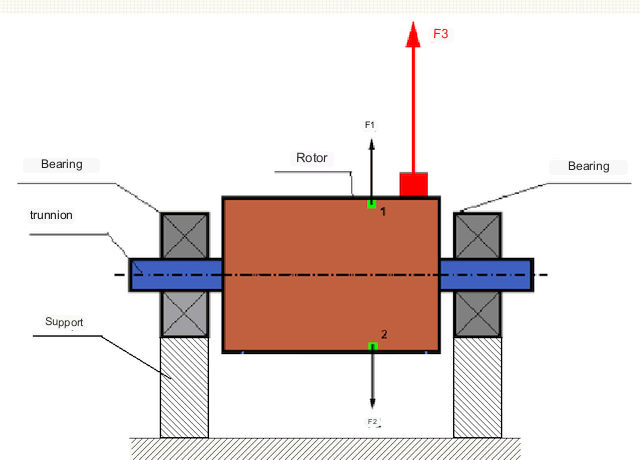
एगो पूरा तरह बैलेंस कइल रोटर में, ओकर मास घूर्णन अक्ष के चारों ओर सिमेट्रिकल तरीका से बंटल रहेला, माने रोटर के कवनो हिस्सा के अक्ष के चारों ओर सिमेट्रिकल रूप से मौजूद दोसरा हिस्सा से मिलावल जा सकेला। बैलेंस कइल रोटर में, कवनो रोटर हिस्सा पर काम करत अपकेंद्री बल ओकरा सिमेट्रिकल हिस्सा पर काम करत अपकेंद्री बल से बैलेंस हो जाला। जइसे, अपकेंद्री बल F1 आ F2, जे मात्रा में बराबर आ दिशा में विपरीत बा, हिस्सा 1 आ 2 (चित्र 1 में हरियर रंग से चिन्हित) पर काम करेला। ई बात रोटर के सभ सिमेट्रिकल हिस्सा पर लागू होला, एह से रोटर पर काम करत कुल अपकेंद्री बल 0 हो जाला आ रोटर बैलेंस रहेला।
लेकिन अगर रोटर के सिमेट्री टूट जाला (चित्र 1 में लाल रंग से चिन्हित असिमेट्रिकल हिस्सा), त रोटर पर असंतुलित अपकेंद्री बल F3 काम करे लागेला। घूमत घरी, ई बल रोटर के घूर्णन के साथे दिशा बदलत रहेला। एह बल से पैदा होखे वाला डायनामिक लोड बेयरिंग तक पहुंचेला, जेकरा से टूट-फूट आ घिसाई तेज हो जाला।
एकरा अलावे, एह चल-दिशा बल के प्रभाव में सपोर्ट आ फाउंडेशन के चक्रीय विकृति होला, जेह पर रोटर लगावल बा, यानी कंपन होला। रोटर असंतुलन आ एकरा साथे होखे वाला कंपन खतम करे खातिर, रोटर में सममिति बहाल करे के खातिर बैलेंसिंग द्रव्यमान लगावल जरूरी बा।
रोटर बैलेंसिंग बैलेंसिंग द्रव्यमान जोड़के असंतुलन ठीक करे के क्रिया ह। दोसरा शब्दन में, बैलेंसिंग के लक्ष्य रोटर के मुख्य केंद्रीय जड़त्व धुरी के ओकर घूर्णन धुरी के जेतना संभव हो सके नजदीक ले आवल ह, ताकि शेष असंतुलन तय सीमा में आ जाव।
बैलेंसिंग के काम एक या ओकरा से जादे बैलेंसिंग मास के साइज आ जगह (कोण) पता लगावल ह।
रोटर आ असंतुलन के प्रकार
रोटर के मटेरियल के मजबूती आ ओहपर काम करत अपकेंद्री बल के मात्रा के ध्यान में राखत, रोटर के दू किसिम में बांटल जा सकेला - कठोर रोटर आ लचीला रोटर।
वर्किंग मोड में अपकेंद्री बल के असर से कठोर रोटर में बहुत कम डिफॉर्मेशन होला आ कैलकुलेशन में एह डिफॉर्मेशन के असर के नजरअंदाज कइल जा सकेला।
फ्लेक्सिबल रोटर के विकृति (डिफॉर्मेशन) के अब नजरअंदाज ना कइल जा सकेला। फ्लेक्सिबल रोटर के विकृति बैलेंसिंग समस्या के हल के जटिल बना देला आ रिजिड रोटर के बैलेंसिंग समस्या के मुकाबले अलग गणितीय मॉडल के इस्तेमाल के जरूरत पड़ेला। ध्यान राखल जाये कि ओही रोटर कम स्पीड पर रिजिड जइसन आ जादे स्पीड पर फ्लेक्सिबल जइसन बर्ताव क सकेला। व्यावहारिक मापदंड ई बा कि सर्विस स्पीड रोटर के पहिला क्रिटिकल (बेंडिंग) स्पीड के सापेक्ष केतना बा: रोटर के रिजिड मानल जाला — ISO 21940-11 एकरा "rigid behaviour" वाला रोटर कहेला — जब ई ओह स्पीड से बहुत कम स्पीड पर चले, व्यवहार में पहिला क्रिटिकल स्पीड के लगभग 50–70% से कम। एकरा ऊपर, रोटर एगो मोड शेप में मुड़ेला जे स्पीड के साथे बदलेला: ई फ्लेक्सिबल होला आ एकरा मोडल भा मल्टी-प्लेन तरीका (ISO 21940-12) से बैलेंस कइल जाये के चाहीं। आगे, हमनी सिर्फ रिजिड रोटर के बैलेंसिंग के बारे में विचार करब।
रोटर के साथ असंतुलित द्रव्यमान कइसे बंटल बा, एकरा पर निर्भर करत, ISO 21940-2 असंतुलन के कई स्थिति के अलग करेला:
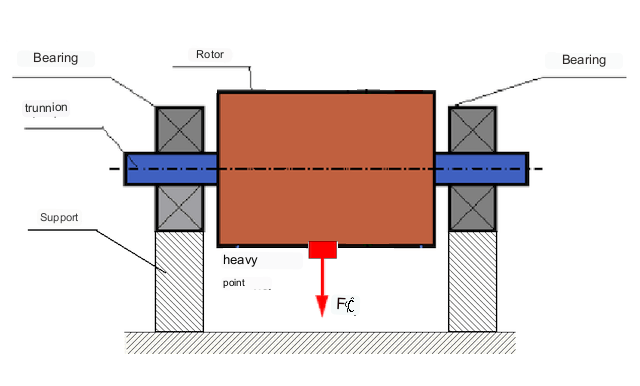
- स्टैटिक अनबैलेंस — मुख्य जड़त्व धुरी शाफ्ट धुरी के समांतर खिसकल होला; एकरा बिना घुमवले भी पहचानल जा सकेला, काहेकि रोटर गुरुत्व के तहत घूमेला जब तक ओकर भारी स्थान नीचे ना आ जाव। एगो प्लेन में एगो करेक्शन द्रव्यमान एकरा हटा देला;
- कपल (मोमेंट) असंतुलन — मुख्य जड़त्व धुरी शाफ्ट धुरी के द्रव्यमान केंद्र पर काटेला; दुनो बराबर असंतुलन अलग-अलग प्लेन में आ 180° दूर होला। ई सिर्फ घूर्णन के दौरान प्रकट होला आ दू प्लेन में दू करेक्शन द्रव्यमान के जरूरत होला;
- डायनामिक अनबैलेंस — सामान्य, असली-दुनिया के मामला: स्टैटिक आ कपल असंतुलन के मेल। मुख्य जड़त्व धुरी ना त शाफ्ट धुरी के समांतर ह, ना ही एकरा काटेला। कठोर रोटर खातिर दू करेक्शन प्लेन जरूरी आ काफी बा।
पुरनका शब्द “moment unbalance” कपल असंतुलन के समानार्थी ह; एकरा के डायनेमिक असंतुलन से ना उलझल जाव, जे स्टैटिक आ कपल घटक के जोड़ ह। स्टैटिक असंतुलन वाला रोटर के उदाहरण Fig. 2 में देखावल गइल बा।
कपल अनबैलेंस तबे देखाई देला जब रोटर घूमत रहेला।
कपल अनबैलेंस वाला रोटर के एगो उदाहरण चित्र 3 में देखावल गइल बा।
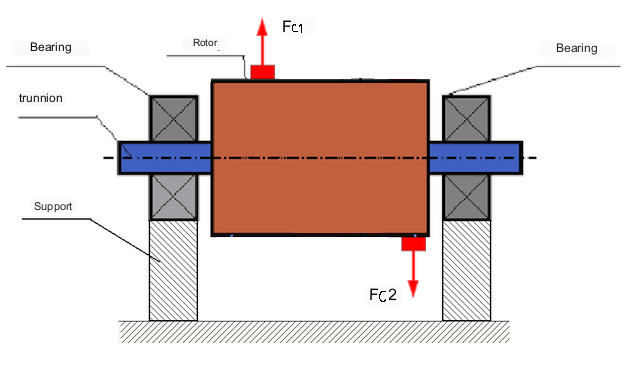
एह स्थिति में, असंतुलित बराबर द्रव्यमान M1 आ M2 अलग-अलग प्लेन में बा - रोटर के लंबाई के साथे अलग-अलग जगह पर। स्टैटिक स्थिति में, यानी जब रोटर ना घूमे, सिर्फ गुरुत्वाकर्षण रोटर पर काम करेला आ द्रव्यमान एक-दुसरा के संतुलित करेला। डायनेमिक्स में, जब रोटर घूमेला, सेंट्रिफ्यूगल फोर्स Fc1 आ Fc2 द्रव्यमान M1 आ M2 पर काम करे लागेला। ई बल मान में बराबर आ दिशा में उल्टा बा। बाकिर, काहेकि ई शाफ्ट के लंबाई के साथे अलग-अलग जगह पर लागू होला आ एके रेखा पर ना बा, ई बल एक-दुसरा के भरपाई ना करे। बल Fc1 आ Fc2 रोटर पर लागू होखे वाला मोमेंट बनावेला — एही से कपल असंतुलन के मोमेंट असंतुलन भी कहल जाला। एकरा अनुसार, बिना भरपाई वाला सेंट्रिफ्यूगल फोर्स बेयरिंग स्थिति पर काम करेला, जे गणना कइल मान से बहुत जादे हो सकेला आ बेयरिंग के सर्विस लाइफ घटा सकेला।
काहेकि असंतुलन के ई किसिम सिर्फ रोटर के घूमे के दौरान देखाई देला, एकरा स्टैटिक हालत में "नाइफ पर" बैलेंसिंग भा अइसने तरीका से ठीक ना कइल जा सकेला। कपल असंतुलन दूर करे खातिर, दुगो कम्पेंसेटिंग वेट इंस्टॉल करल जरूरी बा, जे M1 आ M2 द्रव्यमान से पैदा होखे वाला मोमेंट के बराबर मान के आ उल्टा दिशा के मोमेंट पैदा करेला। कम्पेंसेटिंग द्रव्यमान के M1 आ M2 द्रव्यमान के बिल्कुल उल्टा आ बराबर मान में सेट करे के जरूरत ना ह। मुख्य बात ई बा कि ऊ अइसन मोमेंट पैदा करे जे असंतुलन मोमेंट के पूरा तरह से भरपाई करे।
आम तौर पर, द्रव्यमान M1 आ M2 एक-दुसरा के बराबर ना भी होखे, एही से स्टैटिक आ कपल असंतुलन के मेल रही — एही आम स्थिति के ISO 21940-2 डायनेमिक असंतुलन कहेला। सैद्धांतिक रूप से साबित बा कि रिजिड रोटर खातिर, रोटर के लंबाई के साथे दूरी पर राखल दुगो वजन ओकर असंतुलन के दूर करे खातिर जरूरी आ पर्याप्त बा। ई वजन कपल असंतुलन से पैदा होखे वाला मोमेंट आ रोटर के धुरी के सापेक्ष द्रव्यमान के असमानता से पैदा होखे वाला सेंट्रिफ्यूगल फोर्स (स्टैटिक असंतुलन) दुनो के भरपाई करी। आम तौर पर, कपल असंतुलन लंबा रोटर, जइसे शाफ्ट, के खासियत ह, आ स्टैटिक असंतुलन तंग रोटर के खासियत ह। बाकिर, अगर तंग रोटर धुरी के सापेक्ष टेढ़ बा, भा बिगड़ल ("फिगर एट") बा, त कपल असंतुलन दूर करल मुश्किल होई (चित्र 4 देखीं), काहेकि एह स्थिति में जरूरी भरपाई करे वाला मोमेंट बनावे वाला करेक्टिंग वजन इंस्टॉल करल मुश्किल बा।
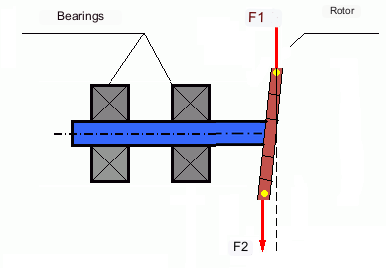
बल F1 आ F2 एके लाइन पर नइखे आ एक-दूसरा के भरपाई ना करेला।
संकीर्ण रोटर के चलते क्षतिपूरक मोमेंट बनावे खातिर उपलब्ध बांह छोट होखला के चलते, बड़हन करेक्शन वेट के जरूरत पड़ सकेला। हालांकि, एकरा नतीजा में करेक्शन वेट से केंद्रापसारक बल के चलते संकीर्ण रोटर के विकृति से एगो "प्रेरित असंतुलन" भी होला। (देखीं, जइसे, रिजिड रोटर के बैलेंसिंग खातिर पद्धतिगत निर्देश GOST 22061-76 के मुताबिक — आधुनिक अंतरराष्ट्रीय समकक्ष ISO 21940-11 ह, पहिले ISO 1940-1 — सेक्शन 10, "Rotor–supports system")।
ई संकरा फैन इम्पेलर पर नजर आवेला, जहां, मास अनबैलेंस के अलावा, एगो एरोडायनामिक असंतुलन भी मौजूद बा: असमान ब्लेड जियोमेट्री असमान ब्लेड लोडिंग पैदा करेला आ एही से एगो शुद्ध रेडियल बल। करेक्शन वेट के सेंट्रिफ्यूगल फोर्स नियर, ई बल स्पीड के वर्ग से स्केल होला, बाकिर ई ऑपरेटिंग प्वाइंट पर भी निर्भर करेला — हवा के घनत्व, डैंपर पोजीशन, डक्ट रेजिस्टेंस — एही से एगो ड्यूटी प्वाइंट पर बैलेंस कइल करेक्शन वेट दुसरका पर सर्वोत्तम ना रही। एही से एरोडायनामिक कंपोनेंट के ब्लेड जियोमेट्री बहाल क के ठीक कइल जाये के चाहीं, द्रव्यमान जोड़ के ना।
विद्युतचुंबकीय बल बिजली के मशीन में (एक्सेंट्रिक एयर गैप से असंतुलित मैग्नेटिक पुल, टूटल बार, शॉर्टेड लैमिनेशन) फेर से अलग तरीका से बर्ताव करेला: ई घूमे के स्पीड से ना, बलुक एयर-गैप फ्लक्स से संचालित होला, आ ई जादेतर मशीन के 1× पर ना बलुक लाइन आवृत्ति के दुगुना पर आ पोल-पास साइडबैंड पर उत्तेजित करेला। काहेकि ई घूमे के आवृत्ति से अलग आवृत्ति पर काम करेला, बैलेंसिंग एकर भरपाई बिल्कुल ना क सकेला। संक्षेप में, बैलेंसिंग सिर्फ 1× मास-संबंधित उत्तेजना के हटावेला — ई मशीन में कंपन के हर स्रोत के खतम ना क सकेला।
मैकेनिज्म के वाइब्रेशन
वाइब्रेशन एगो साइक्लिक उत्तेजक बल के असर पर मैकेनिज्म डिजाइन के प्रतिक्रिया ह। ई बल अलग-अलग किसिम के हो सकेला।
असंतुलित रोटर से पैदा होखे वाला अपकेंद्री बल "भारी बिंदु" पर काम करत बिना भरपाई वाला बल ह। ई बल आ एकरा से पैदा वाइब्रेशन के रोटर बैलेंसिंग से खतम कइल जा सकेला।
मिलत-जुलत पुर्जा सभ के बनावट आ जोड़ाई में गड़बड़ी से पैदा होखे वाला "ज्यामितीय" किसिम के इंटरैक्शन बल। ई बल, जइसे, शाफ्ट के गर्दन के गोलाई में कमी, गियर के दांत के प्रोफाइल में गड़बड़ी, बेयरिंग रेसवे के लहरदारपन, मिलत शाफ्ट के मिसअलाइनमेंट, आदि से पैदा हो सकेला। जर्नल में गोलाई ना होखे के हालत में, शाफ्ट के घूर्णन कोण के हिसाब से शाफ्ट के अक्ष खिसक जाई। हालांकि ई वाइब्रेशन भी रोटर स्पीड पर होला, लेकिन एकरा के बैलेंसिंग से खतम कइल लगभग असंभव बा।
पंखा आ दोसरा वेन मैकेनिज्म के इंपेलर के घूर्णन से पैदा होखे वाला एरोडायनामिक बल। हाइड्रोलिक पंप, टर्बाइन आदि के इंपेलर के घूर्णन से पैदा होखे वाला हाइड्रोडायनामिक बल।
इलेक्ट्रिकल मशीन के संचालन से पैदा होखे वाला इलेक्ट्रोमैग्नेटिक बल, जइसे असिमेट्रिकल रोटर वाइंडिंग, शॉर्ट-सर्किट वाइंडिंग, आदि।
कंपन के मात्रा (जइसे, एकर एम्प्लीट्यूड Av) सिर्फ सर्क्युलर फ्रीक्वेंसी ω के साथ मैकेनिज्म पर काम करे वाला उत्तेजक बल Fv पर ही ना, बल्कि मैकेनिज्म के कठोरता k, एकर द्रव्यमान m, आ साथे डैम्पिंग कोएफिशिएंट C पर भी निर्भर करेला, जइसे नीचे फॉर्मूला (1) देखावेला।

वाइब्रेशन नापे आ मैकेनिज्म के बैलेंस करे खातिर कई तरह के सेंसर के इस्तेमाल हो सकेला, जेह में शामिल बा:
- एब्सोल्यूट वाइब्रेशन सेंसर, जे वाइब्रेशन एक्सेलरेशन (एक्सेलेरोमीटर) आ वाइब्रेशन वेलोसिटी सेंसर नापे खातिर बनल बा;
- सापेक्ष वाइब्रेशन के सेंसर - एडी-करंट या कैपेसिटिव, जे वाइब्रेशन डिस्प्लेसमेंट नापे खातिर बनल बा;
- कुछ मामिला में (जब तंत्र के डिजाइन एकरा के इजाजत देला), फोर्स सेंसर के भी ओकर वाइब्रेशन लोड के आकलन खातिर इस्तेमाल कइल जा सकेला; खासतौर पर, इनकर इस्तेमाल हार्ड-बेयरिंग बैलेंसिंग मशीन के सपोर्ट के वाइब्रेशन लोड नापे खातिर व्यापक रूप से होला।
त, वाइब्रेशन बाहरी बल के क्रिया के प्रति मशीन के प्रतिक्रिया ह। वाइब्रेशन के मात्रा ना खाली तंत्र पर काम करे वाला बल के मात्रा पर निर्भर करेला, बलुक तंत्र के डिजाइन के कठोरता पर भी निर्भर करेला। एक्के बल अलग-अलग वाइब्रेशन पैदा क सकेला। हार्ड-बेयरिंग मशीन में, भले वाइब्रेशन कम होखे, बेयरिंग पर काफी डायनामिक लोड पड़ सकेला। एहि से हार्ड-बेयरिंग मशीन के बैलेंसिंग करत घरी वाइब्रेशन सेंसर (वाइब्रेशन एक्सेलेरोमीटर) के बजाय फोर्स सेंसर के इस्तेमाल कइल जाला।
वाइब्रेशन सेंसर के इस्तेमाल ओह तंत्र पर होला जेकर सपोर्ट अपेक्षाकृत लचीला होला, जहाँ असंतुलित सेंट्रीफ्यूगल फोर्स के क्रिया से सपोर्ट में साफ विरूपण आ वाइब्रेशन पैदा होला। फोर्स सेंसर के इस्तेमाल कठोर सपोर्ट खातिर होला, जहाँ असंतुलन से पैदा भइल बड़हन बल सेहू महत्वपूर्ण वाइब्रेशन पैदा नइखे करत।
रेजोनेंस एगो कारक बा जे बालेंसिंग में बाधा डालेला
पहिले हमनी बतावल रहीं कि रोटर के कठोर (रिजिड) आ लचीला (फ्लेक्सिबल) में बाँटल जाला। रोटर के कठोरता चाहे लचीलापन के सपोर्ट (फाउंडेशन) के कठोरता चाहे गतिशीलता से गड़बड़ ना कइल जाय, जेकरा पर रोटर लगावल गइल बा। कवनो रोटर के कठोर मानल जाला जब सेंट्रीफ्यूगल फोर्स के क्रिया से ओकर विरूपण (झुकाव) के नजरअंदाज कइल जा सकेला। लचीला रोटर के विरूपण अपेक्षाकृत बड़हन होला आ एकरा नजरअंदाज ना कइल जा सकेला।
एह लेख में, हमनी खाली कठोर रोटर के बालेंसिंग पर विचार करत बानी। कठोर (गैर-विरूपणीय) रोटर के, अपने बारी, कठोर चाहे चलायमान (लचीला) सपोर्ट पर लगावल जा सकेला। ई साफ बा कि सपोर्ट के ई कठोरता/चलायमानता भी सापेक्ष बा, जे रोटर के गति आ पैदा भइल सेंट्रीफ्यूगल फोर्स के मात्रा पर निर्भर करेला। एक सशर्त सीमा रोटर सपोर्ट के प्राकृतिक कंपन के आवृत्ति ह।
मैकेनिकल सिस्टम खातिर, प्राकृतिक कंपन के आकार आ आवृत्ति मैकेनिकल सिस्टम के एलिमेंट के द्रव्यमान आ इलास्टिसिटी से तय होला। यानी, प्राकृतिक कंपन के आवृत्ति मैकेनिकल सिस्टम के आंतरिक खासियत ह आ बाहरी बल पर निर्भर ना करे। संतुलन के स्थिति से डिफ्लेक्ट होखला के बाद, इलास्टिसिटी के कारण सपोर्ट संतुलन के स्थिति में वापस आवे के रुझान राखेला। बाकिर भारी रोटर के जड़त्व के कारण, ई प्रक्रिया डैम्प्ड ओसिलेशन के प्रकृति के होला। ई कंपन रोटर-सपोर्ट सिस्टम के प्राकृतिक कंपन ह। इनकर आवृत्ति रोटर के द्रव्यमान आ सपोर्ट के इलास्टिसिटी के अनुपात पर निर्भर करेला, जइसे नीचे दिहल फॉर्मूला (2) देखावेला।

जब रोटर घूमे लागेला आ ओकर घूर्णन के आवृत्ति प्राकृतिक कंपन के आवृत्ति के करीब आवे लागेला, त वाइब्रेशन के आयाम अचानक बढ़ जाला, जेकरा से संरचना के विनाश हो सकेला।
मैकेनिकल रेजोनेंस के घटना होला। रेजोनेंस के लगे प्रतिक्रिया क्वालिटी फैक्टर Q = 1/(2ζ) से बढ़ जाला, जे मशीन स्ट्रक्चर खातिर आमतौर पर 3–17 होला, आ पीक संकीर्ण हो सकेला: कुछ प्रतिशत के स्पीड बदलाव कंपन स्तर के कई गुना बदल सकेला। रेजोनेंस पार करत घरी फेज लैग 180° घूमेला, पीक पर 90° से गुजरेला।
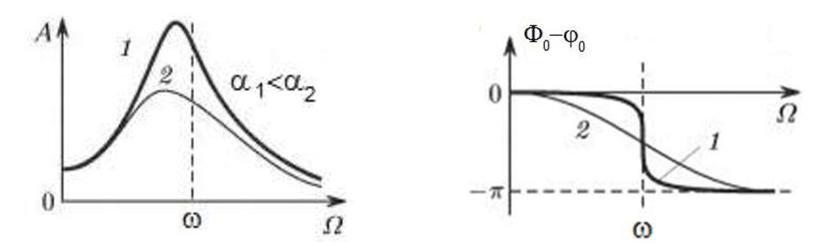
अगर मैकेनिज्म के डिजाइन ठीक ना होखे आ रोटर के कार्यशील फ्रीक्वेंसी नैचुरल वाइब्रेशन के फ्रीक्वेंसी के नजदीक होखे, त मैकेनिज्म के चलावल अत्यधिक ऊंच कंपन के चलते असंभव हो जाला। एह हालत में सामान्य तरीका से बैलेंसिंग असंभव ह, काहेकि स्पीड में छोट बदलाव भी कंपन पैरामीटर के बहुत जादे बदल देला। रेजोनेंस के क्षेत्र में बैलेंसिंग खातिर, एह लेख में ना बतावल गइल खास तरीका इस्तेमाल होला।
तंत्र के प्राकृतिक कंपन के आवृत्ति के निर्धारण कोस्टिंग के समय (रोटर के घूर्णन बंद करला पर) चाहे शॉक मेथड से, बाद में सिस्टम के प्रतिक्रिया के स्पेक्ट्रल विश्लेषण के साथ कइल जा सकेला।
जवन मैकेनिज्म के घूर्णन के कार्यशील फ्रीक्वेंसी रेजोनेंस फ्रीक्वेंसी से ऊपर ह, यानी सुपरक्रिटिकल (पोस्ट-रेजोनेंट) रेजिम में काम करत बा, ओह खातिर सपोर्ट के गतिशील मानल जाला आ मापन खातिर वाइब्रेशन सेंसर इस्तेमाल होला, मुख्य रूप से वाइब्रेशन एक्सेलेरोमीटर, जे स्ट्रक्चरल तत्व के एक्सेलरेशन मापेला। प्री-रेजोनेंस मोड में चले वाला मैकेनिज्म खातिर, सपोर्ट के कठोर मानल जाला। एह स्थिति में, फोर्स सेंसर इस्तेमाल होला।
मैकेनिकल सिस्टम के लीनियर आ नॉनलीनियर मॉडल। नॉन-लीनियरिटी एगो कारक बा जे बालेंसिंग में बाधा डालेला
कठोर रोटर के बालेंसिंग करत घरी, बालेंसिंग गणना खातिर लीनियर मॉडल कहल जाए वाला गणितीय मॉडल इस्तेमाल कइल जाला। लीनियर मॉडल के मतलब बा कि अइसन मॉडल में एगो राशि दूसर राशि के अनुपात (लीनियर) होला। जइसे, अगर रोटर पर अनकंपेंसेटेड द्रव्यमान दोगुना हो जाय, त वाइब्रेशन के मान भी दोगुना हो जाई। कठोर रोटर खातिर लीनियर मॉडल इस्तेमाल कइल जा सकेला, काहेंकि इनमें विरूपण ना होला।
लचीला रोटर खातिर, लीनियर मॉडल के अब इस्तेमाल ना कइल जा सकेला। लचीला रोटर खातिर, अगर घूर्णन के दौरान भारी बिंदु के द्रव्यमान बढ़ेला, त अतिरिक्त विरूपण होई, आ द्रव्यमान के अलावा भारी बिंदु के स्थिति के त्रिज्या भी बढ़ जाई। एहि से, लचीला रोटर खातिर, वाइब्रेशन दोगुना से भी ढेर बढ़ी, आ गणना के सामान्य तरीका काम ना करी।
नॉनलिनियरिटी के एगो आउर स्रोत बड़ डिफ्लेक्शन पर सपोर्ट कठोरता में बदलाव ह: छोट डिफ्लेक्शन पर स्ट्रक्चरल एलिमेंट के एगो सेट लोड उठावेला, जबकि बड़ पर दुसरका सक्रिय होला। एही से रउआ ओह मैकेनिज्म के बैलेंस ना क सकीलें जे फाउंडेशन पर फिक्स ना बा, बलुक, उदाहरण खातिर, बस फर्श पर राखल बा। बड़ कंपन के साथे, असंतुलन के बल मैकेनिज्म के फर्श से खींच सकेला, जेकरा से सिस्टम के कठोरता के खासियत काफी बदल जाला। मोटर के गोड़ मजबूती से बान्हल होखे के चाहीं, बोल्ट माउंट कसल होखे के चाहीं, वाशर के मोटाई पर्याप्त माउंटिंग कठोरता देवे के चाहीं, वगैरह। अगर बेयरिंग टूटल बा, त बड़ शाफ्ट मिसअलाइनमेंट आ झटका संभव बा, जे कमजोर लिनियरिटी आ बढ़िया बैलेंस करे में असमर्थता के कारण भी बनी।
बैलेंसिंग डिवाइस आ बैलेंसिंग मशीन
याद राखीं कि बैलेंसिंग मुख्य केंद्रीय जड़त्व धुरी के रोटर के घूर्णन धुरी से एक लाइन में मिलावे के प्रक्रिया ह।
ई प्रक्रिया दू गो तरीका से पूरा कइल जा सकेला।
पहिला तरीका में रोटर ट्रनियन के मशीनिंग एह तरीका से कइल शामिल बा कि ट्रनियन के केंद्र से गुजरे वाला धुरी रोटर के मुख्य केंद्रीय जड़त्व धुरी से मेल खाव। अइसन तकनीक व्यवहार में बहुत कम इस्तेमाल होला आ एह लेख में एकर विस्तार से चर्चा ना कइल जाई।
दुसरा (सबसे आम) तरीका में रोटर पर करेक्शन वेट के हटावल, लगावल चाहे निकालल शामिल बा, जेकरा एह तरह से लगावल जाला कि रोटर के जड़त्व अक्ष ओकर घूर्णन अक्ष के जेतना नजदीक हो सके।
बालेंसिंग के दौरान करेक्शन वेट के हटावल, जोड़ल चाहे निकालल कई तरह के तकनीकी ऑपरेशन से कइल जा सकेला, जेह में शामिल बा: ड्रिलिंग, मिलिंग, सरफेसिंग, वेल्डिंग, पेंच लगावल चाहे निकालल, लेजर चाहे इलेक्ट्रॉन बीम बर्निंग, इलेक्ट्रोलिसिस, इलेक्ट्रोमैग्नेटिक सरफेसिंग, आदि।
बालेंसिंग प्रक्रिया दू गो तरीका से पूरा कइल जा सकेला:
- फील्ड बैलेंसिंग (इन सीटू) — असेंबल कइल रोटर के ओकर अपन बेयरिंग में, अपन फाउंडेशन पर, अपन ऑपरेटिंग स्पीड पर, एगो पोर्टेबल बैलेंसिंग किट के इस्तेमाल से बैलेंस कइल जाला;
- शॉप बैलेंसिंग — रोटर के खोल के एगो समर्पित बैलेंसिंग मशीन पर बैलेंस कइल जाला।
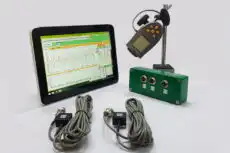
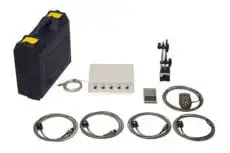
रोटर के अपना बेयरिंग में बैलेंस करे खातिर, आम तौर पर विशेष बैलेंसिंग यंत्र (किट) इस्तेमाल होला, जे बैलेंस कइल जा रहल रोटर के कंपन के ओकर घूमे के आवृत्ति पर वेक्टर रूप में मापे के इजाजत देला, यानी कंपन के एम्प्लीट्यूड आ फेज दुनो के मापल। वर्तमान में, ऊपर बतावल यंत्र माइक्रोप्रोसेसर टेक्नोलॉजी के आधार पर बनल होला आ (कंपन माप आ विश्लेषण के अलावा) करेक्टिंग वेट के पैरामीटर के अपने आप गणना देला, जे रोटर पर ओकर असंतुलन के भरपाई करे खातिर इंस्टॉल कइल जाये के चाहीं।
एह डिवाइस सभ में शामिल बा:
- कंप्यूटर चाहे औद्योगिक कंट्रोलर पर आधारित एगो मापन आ गणना यूनिट;
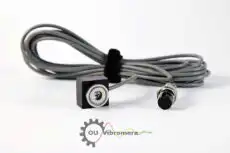
- दू (या ढेर) वाइब्रेशन सेंसर;
- फेज एंगल सेंसर;
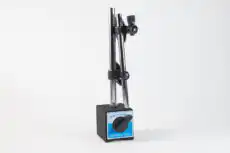
- साइट पर सेंसर लगावे खातिर सामान/एक्सेसरीज;
- एगो चाहे दू गो या ओकरा से ढेर करेक्शन प्लेन में रोटर के वाइब्रेशन पैरामीटर के मापन के पूरा चक्र पूरा करे खातिर बनावल गइल विशेष सॉफ्टवेयर।
वर्तमान में बालेंसिंग मशीन के दू गो प्रकार सबसे आम बा:
- सॉफ्ट-बेयरिंग मशीन (लचीला सपोर्ट के साथ);
- हार्ड-बेयरिंग मशीन (कठोर सपोर्ट के साथ)।
सॉफ्ट-बेयरिंग (रेजोनेंस से ऊपर) मशीन में अपेक्षाकृत लचीला सपोर्ट होला, जइसे फ्लैट स्प्रिंग पर आधारित। एह सपोर्ट के नैचुरल वाइब्रेशन के फ्रीक्वेंसी आमतौर पर ओह पर लगावल बैलेंस कइल जा रहल रोटर के घूर्णन फ्रीक्वेंसी से 2-3 गुना कम होला, एहसे मशीन रेजोनेंस से ऊपर चलेला। एह अबव-रेजोनेंस मशीन के सपोर्ट के गति मापे खातिर आमतौर पर वाइब्रेशन सेंसर (एक्सेलेरोमीटर, वाइब्रेशन वेलोसिटी सेंसर, आदि) इस्तेमाल होला।
हार्ड-बेयरिंग (रेजोनेंस से पहिले) मशीन अपेक्षाकृत कठोर सपोर्ट इस्तेमाल करीं, जेकर कंपन के नैचुरल फ्रीक्वेंसी बैलेंस कइल जा रहल रोटर के घूर्णन फ्रीक्वेंसी से 2-3 गुना जादे होखे के चाहीं, ताकि मशीन रेजोनेंस से नीचे चले। प्री-रेजोनेंस मशीन के सपोर्ट पर डायनेमिक लोड मापे खातिर आमतौर पर फोर्स ट्रांसड्यूसर इस्तेमाल होला।
प्री-रेजोनेंस (हार्ड-बेयरिंग) बैलेंसिंग मशीन के फायदा ई ह कि ओह पर बैलेंसिंग अपेक्षाकृत कम रोटर स्पीड पर (400 - 500 rpm तक) कइल जा सकेला, जेकरा से मशीन आ ओकर फाउंडेशन के डिजाइन बहुत आसान हो जाला, आ बैलेंसिंग के उत्पादकता आ सुरक्षा बढ़ेला।
कठोर रोटर के बालेंसिंग
जरूरी!
- बालेंसिंग खाली ओह वाइब्रेशन के खत्म करेला जे रोटर के द्रव्यमान के ओकर घूर्णन अक्ष के सापेक्ष असमान वितरण से पैदा होला। बाकी दोसर तरह के वाइब्रेशन बालेंसिंग से खत्म नइखे होत!
- तकनीकी तंत्र, जेकर डिजाइन परिचालन आवृत्ति पर रेजोनेंस के अनुपस्थिति सुनिश्चित करेला, जे फाउंडेशन पर भरोसेमंद ढंग से तय बा, आ ठीक हालत वाला बेयरिंग में लगावल गइल बा, बालेंसिंग के लायक होला।
- खराब मशीनरी के बालेंसिंग से पहिले मरम्मत कइल जरूरी बा। नाहीं त, अच्छा बालेंसिंग संभव नइखे।
बालेंसिंग मरम्मत के विकल्प नइखे!
बालेंसिंग के मुख्य काम बा कंपेंसेटिंग वेट के द्रव्यमान आ स्थिति पता लगावल जे सेंट्रीफ्यूगल फोर्स के काउंटर करेला।
जइसे ऊपर बतावल गइल, कठोर रोटर खातिर, आमतौर पर दू गो क्षतिपूरक वेट लगावल जरूरी आ काफी होला। एहसे रोटर असंतुलन के स्टैटिक आ कपल दुनो घटक खतम हो जाई। बैलेंसिंग के दौरान कंपन मापे के सामान्य योजना ई ह।
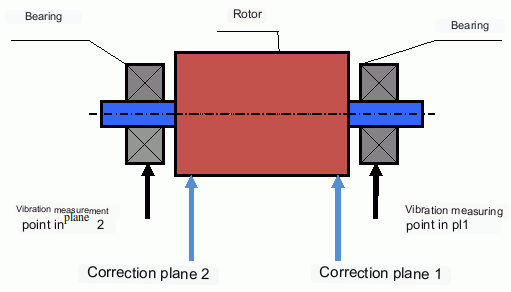
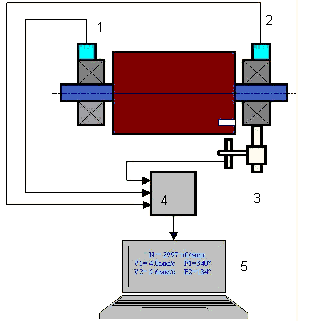
वाइब्रेशन सेंसर बेयरिंग सपोर्ट पर पॉइंट 1 आ 2 पर लगावल जाला। रोटर पर एगो रिवोल्यूशन निशान लगावल जाला, आमतौर पर रिफ्लेक्टिव टेप से। रिवोल्यूशन निशान के इस्तेमाल लेजर टैकोमीटर द्वारा रोटर स्पीड आ कंपन सिग्नल के फेज तय करे खातिर होला।
गतिक बैलेंसिंग कइसे कइल जाला (थ्री-रन मेथड)
ज्यादातर मामिला में डायनेमिक बैलेंसिंग तीन स्टार्ट के तरीका से कइल जाला। ई तरीका एह बात पर आधारित ह कि ज्ञात द्रव्यमान के ट्रायल वेट रोटर पर क्रमश: प्लेन 1 आ 2 में राखल जाला आ बैलेंसिंग वेट के वजन आ जगह के गणना कंपन पैरामीटर में भइल बदलाव के नतीजा के आधार पर कइल जाला।
ऊ प्लेन जवना में करेक्शन वेट लगावल जाला ओकरा कहल जाला करेक्शन प्लेन. करेक्शन प्लेन स्थित होला रोटर पर ही — आमतौर पर रोटर बॉडी के दुनो सिरा पर, पंखा भा इम्पेलर डिस्क पर, भा समर्पित बैलेंसिंग रिंग पर। इनका शाफ्ट के साथे डिजाइन जेतना इजाजत देव ओतना दूर चुने के चाहीं, ताकि मध्यम वेट पर्याप्त करेक्टिंग मोमेंट पैदा करे। ई एकर जइसन नइखे माप बिंदु, जे बेयरिंग हाउसिंग पर बा (चित्र 6 देखीं)।
पहिला स्टार्ट-अप पर शुरुआती कंपन मापल जाला (Balanset सॉफ्टवेयर में ई Run 0 ह)। ओकरा बाद जानल-पहचानल द्रव्यमान के ट्रायल वेट बेयरिंग में से एक के लगे रोटर पर राखल जाला। दुसरका स्टार्ट-अप कइल जाला (Run 1) आ कंपन पैरामीटर मापल जाला, जे टेस्ट वेट इंस्टॉलेशन के कारण बदले के चाहीं। ओकरा बाद पहिला प्लेन में टेस्ट वेट हटावल जाला आ दुसरका प्लेन में इंस्टॉल कइल जाला। तिसरका टेस्ट रन कइल जाला (Run 2) आ कंपन पैरामीटर मापल जाला। टेस्ट वेट हटावल जाला आ सॉफ्टवेयर अपने आप बैलेंस वेट के द्रव्यमान आ इंस्टॉलेशन कोण के गणना करेला।
फिर गणना कइल करेक्शन वेट के ओह लोग के प्लेन में लगावल जाला आ एगो चेक रन कइल जाला — Balanset सॉफ्टवेयर में ई Run T (Trim) ह। शेष कंपन के टॉलरेंस से तुलना कइल जाला। अगर नतीजा अभिन ले टारगेट से ऊपर होखे, त सॉफ्टवेयर पहिले से तय इन्फ्लुएंस कोएफिशिएंट के फिर से इस्तेमाल करेला, एहसे नया ट्रायल-वेट रन के जरूरत नइखे — सिर्फ छोट अतिरिक्त ट्रिम करेक्शन के गणना आ इंस्टॉल कइल जाला।
टेस्ट वेट लगावे के मकसद ई पता लगावल ह कि सिस्टम असंतुलन में बदलाव पर कइसे प्रतिक्रिया देला। टेस्ट वेट के वजन आ जगह पहिले से मालूम रहेला, एहसे सॉफ्टवेयर तथाकथित इन्फ्लुएंस कोएफिशिएंट के गणना कर सकेला, जे देखावेला कि ज्ञात असंतुलन डाले से कंपन पैरामीटर पर का असर पड़ेला। इन्फ्लुएंस कोएफिशिएंट मैकेनिकल सिस्टम के खुद के विशेषता ह आ सपोर्ट के कठोरता आ रोटर-सपोर्ट सिस्टम के द्रव्यमान (जड़त्व) पर निर्भर करेला।
एके किसिम के डिजाइन वाला एके तरह के मशीन खातिर प्रभाव गुणांक लगभग बराबर होला। एकरा कंप्यूटर के मेमोरी में सेव कऽ के, बिना टेस्ट रन कइले, ओही तरह के मशीन के बैलेंसिंग खातिर इस्तेमाल कइल जा सकेला, जेकरा से बैलेंसिंग के उत्पादकता काफी बढ़ जाला। ध्यान राखीं कि टेस्ट वेट के मास एह तरह से चुनल जाए कि टेस्ट वेट लगावे पर वाइब्रेशन के पैरामीटर में साफ बदलाव आवे। नाहीं त प्रभाव गुणांक के गणना में गड़बड़ी बढ़ जाला आ बैलेंसिंग के गुणवत्ता खराब हो जाला।
जइसन Fig. 1 में देखल जा सकेला, केंद्रापसारक बल रेडियल दिशा में यानी रोटर के अक्ष के लंबवत काम करेला। एही से वाइब्रेशन सेंसर एह तरह से लगावल जाए कि ओकर संवेदनशीलता के अक्ष भी रेडियल दिशा में इशारा करे। आमतौर पर फाउंडेशन के कठोरता क्षैतिज दिशा में कम होला, एही से क्षैतिज दिशा में वाइब्रेशन ढेर होला। एही से संवेदनशीलता बढ़ावे खातिर सेंसर एह तरह लगावल जाव कि ओकर संवेदनशीलता के अक्ष भी क्षैतिज दिशा में रहे। हालाँकि एह में कवनो मौलिक अंतर नइखे। रेडियल दिशा के वाइब्रेशन के अलावा, अक्षीय दिशा में यानी रोटर के घूर्णन अक्ष के साथ-साथ होखे वाला वाइब्रेशन के भी निगरानी करे के चाहीं। ई वाइब्रेशन आमतौर पर असंतुलन से ना, बलुक अउरी कारण से होला, जेकरा में मुख्य रूप से कपलिंग से जुड़ल शाफ्ट के मिसअलाइनमेंट शामिल बा।
ई कंपन बैलेंसिंग से खतम ना कइल जा सकेला, अइसन स्थिति में अलाइनमेंट के जरूरत बा। व्यवहार में, अइसन मशीन में आमतौर पर रोटर असंतुलन आ शाफ्ट मिसअलाइनमेंट दुनो होला, जेकरा से कंपन खतम करे के काम बहुत मुश्किल हो जाला। अइसन मामिला में, पहिले मशीन के सेंटर करे आ फिर बैलेंस करे के जरूरत ह। (हालांकि मजबूत टॉर्क असंतुलन के साथ, फाउंडेशन स्ट्रक्चर के "मरोड़" से एक्सियल दिशा में भी कंपन होला।)
संबंधित लेख (बैलेंसिंग स्टैंड के उदाहरण)
बैलेंसिंग मैकेनिज्म के गुणवत्ता जांचे के मापदंड
रोटर (मैकेनिज्म) के बैलेंसिंग क्वालिटी के दू तरीका से आकलन कइल जा सकेला। पहिला तरीका में बैलेंसिंग प्रक्रिया के दौरान तय भइल शेष असंतुलन के मात्रा के शेष असंतुलन के टॉलरेंस से तुलना कइल शामिल बा। अलग-अलग रोटर वर्ग खातिर ई टॉलरेंस एह में बतावल गइल बा ISO 21940-11 (पहिले ISO 1940-1).
टॉलरेंस के गणना कइसे होला (ISO 21940-11)। मानक एगो बैलेंस क्वालिटी ग्रेड G निर्दिष्ट करेला, जे मंजूरीशुदा विशेष असंतुलन e के गुणनफल हप्रति आ सर्विस एंगुलर वेलोसिटी ω, mm/s में व्यक्त:
- ω = 2π·n / 60 [rad/s], जहां n सर्विस स्पीड rpm में बा;
- eप्रति = G · 1000 / ω [g·mm/kg] (संख्यात्मक रूप से द्रव्यमान-केंद्र ऑफसेट के µm के बराबर) — समान रूप से eप्रति = 9549 · G / n;
- Uप्रति = eप्रति · m [g·mm], जहां m kg में रोटर द्रव्यमान ह।
हल कइल गइल उदाहरण। रोटर m = 50 kg, सर्विस स्पीड n = 3000 rpm, ग्रेड G 6.3 (फैन, पंप, स्टैंडर्ड इलेक्ट्रिक मोटर): ω = 2π·3000/60 = 314.2 rad/s; eप्रति = 6.3 · 1000 / 314.2 = 20.1 g·mm/kg (क्रॉस-चेक: 9549 · 6.3 / 3000 ≈ 20.1); Uप्रति = 20.1 · 50 ≈ 1000 g·mm पूरा रोटर खातिर।
दू प्लेन के बीच टॉलरेंस के बंटवारा। जवना रोटर के द्रव्यमान केंद्र करेक्शन प्लेन के बीच में होखे, ओकर खातिर कुल टॉलरेंस हर प्लेन तक द्रव्यमान केंद्र के दूरी के व्युत्क्रमानुपाती बांटल जाला; सममित रोटर खातिर ई सिर्फ हर प्लेन में आधा होला — ऊपर के उदाहरण में प्रति प्लेन लगभग 500 g·mm। कवनो प्लेन के U के 70% से जादे भा 30% से कम नइखे देवे के चाहींप्रति.
सामान्य ग्रेड: G 0.4 — जायरोस्कोप, प्रिसिजन ग्राइंडर के स्पिंडल · G 1 — ग्राइंडिंग-मशीन स्पिंडल, प्रिसिजन आर्मेचर · G 2.5 — टर्बाइन, टर्बो-जनरेटर, मशीन-टूल ड्राइव · G 6.3 — सामान्य इंजीनियरिंग: पंखा, पंप इम्पेलर, फ्लाईव्हील, स्टैंडर्ड इलेक्ट्रिक मोटर · G 16 — खास जरूरत वाला कार्डन शाफ्ट, कृषि मशीनरी, क्रशर · G 40 — कार पहिया, ड्राइव शाफ्ट (कार्डन शाफ्ट) · G 100 — हाई-स्पीड डीजल इंजन के क्रैंकशाफ्ट ड्राइव।
हालाँकि, तय टॉलरेंस के पालन कइल मशीन के परिचालन विश्वसनीयता के पूरा गारंटी ना दे सकेला, जे ओकरा वाइब्रेशन के न्यूनतम स्तर हासिल करे से जुड़ल बा। एकर कारण ई बा कि मशीन के वाइब्रेशन के मात्रा ना खाली ओकर रोटर के अवशिष्ट असंतुलन से जुड़ल बल के मात्रा से तय होला, बलुक अउरी कई पैरामीटर पर भी निर्भर करेला, जेह में शामिल बा: मशीन के संरचनात्मक तत्व के कठोरता k, ओकर मास m, डैंपिंग फैक्टर, आ घूर्णन आवृत्ति। एही से मशीन के डायनामिक गुणवत्ता (जेह में ओकर बैलेंसिंग के गुणवत्ता भी शामिल बा) के आकलन खातिर कई मामिला में मशीन के अवशिष्ट वाइब्रेशन के स्तर के आकलन करे के सलाह दिहल जाला, जेकरा कई मानक (standard) से नियंत्रित कइल जाला।
औद्योगिक मशीन खातिर स्वीकृत कंपन स्तर खातिर सभसे जादे इस्तेमाल होखे वाला स्टैंडर्ड ISO 20816-3 (पहिले ISO 10816-3) ह। ई 120–15,000 rpm पर चले वाला 15 kW से जादे के मशीन के कवर करेला, आ इनका दु आयाम में वर्गीकृत करेला: पावर ग्रुप के हिसाब से (Group 1 — 300 kW से जादे; Group 2 — 15 से 300 kW) आ सपोर्ट किसिम के हिसाब से (रिजिड भा फ्लेक्सिबल)। हर मेल के अपना A/B, B/C आ C/D जोन सीमा mm/s RMS में होला। एह दायरा से बाहर के मशीन खातिर सीरीज के अलग हिस्सा बा (टर्बाइन सेट — ISO 20816-2, हाइड्रॉलिक मशीन, रेसिप्रोकेटिंग मशीन, पंप) भा औद्योगिक फैन खातिर ISO 14694 जइसन प्रोडक्ट स्टैंडर्ड।
गैर-घूर्णन वाला पुर्जा पर आकलित सामान्य मशीन खातिर, क्लासिक ISO 10816-1 जोन (अब ISO 20816-1 के हिस्सा) कंपन वेग के निम्नलिखित सीमा देला, mm/s RMS:
| क्लास | A/B | B/C | C/D |
|---|---|---|---|
| क्लास I (छोट मशीन, 15 kW तक) | 0.71 | 1.80 | 4.50 |
| क्लास II (मध्यम मशीन, 15–75 kW) | 1.12 | 2.80 | 7.10 |
| क्लास III (बड़ मशीन, कठोर फाउंडेशन) | 1.80 | 4.50 | 11.20 |
| क्लास IV (बड़ मशीन, लचीला फाउंडेशन) | 2.80 | 7.10 | 18.00 |
जोन A नया मशीन के कंपन से मेल खाला; जोन B बिना रोक-टोक के लंबा समय तक चलावे खातिर स्वीकार्य ह; जोन C सिर्फ सीमित चलावे के इजाजत देला; जोन D एतना तीव्र कंपन बतावेला जे नुकसान कर सकेला।
मानक आ संदर्भ
- ISO 21940-11:2016 — मैकेनिकल कंपन — रोटर बैलेंसिंग — भाग 11: कठोर व्यवहार वाला रोटर खातिर प्रक्रिया आ टॉलरेंस। (ISO 1940-1 के जगह लेला, जे वापस ले लिहल गइल बा।) G-ग्रेड आ टॉलरेंस कैलकुलेटर →
- ISO 21940-2 — मैकेनिकल कंपन — रोटर बैलेंसिंग — भाग 2: शब्दावली। (स्टैटिक, कपल, क्वासी-स्टैटिक आ डायनामिक अनबैलेंस के परिभाषा।)
- ISO 20816-1:2016 — मैकेनिकल कंपन — मशीन कंपन के मापन आ मूल्यांकन — भाग 1: सामान्य दिशा-निर्देश। (ISO 10816-1 आ ISO 7919-1 के जगह लेला।) मूल्यांकन जोन →
- ISO 20816-3:2022 — मैकेनिकल कंपन — मशीन कंपन के मापन आ मूल्यांकन — भाग 3: 15 kW से ढेर नाममात्र पावर आ 120 r/min से 15 000 r/min के बीच नाममात्र स्पीड वाला औद्योगिक मशीन। (ISO 10816-3:2009 के जगह लेला।)
- ISO 14694:2003 — औद्योगिक फैन — बैलेंस क्वालिटी आ कंपन स्तर खातिर स्पेसिफिकेशन।
अक्सर पूछल जाए वाला सवाल
का बैलेंसिंग से सब वाइब्रेशन खतम हो जाला?
नाहीं। बैलेंसिंग ऊ वाइब्रेशन के खतम करेला जे रोटर के मास के ओकर घूर्णन अक्ष के सापेक्ष असमान वितरण से होला। मिसअलाइनमेंट, बियरिंग में खराबी, एयरोडायनामिक/हाइड्रोडायनामिक बल, इलेक्ट्रोमैग्नेटिक बल, आ अउरी कारण से होखे वाला वाइब्रेशन खातिर अलग से निदान आ सुधारात्मक कदम के जरूरत पड़ेला।
रेजोनेंस (अनुनाद) के लगे बैलेंसिंग काहे विफल हो सकेला?
रेजोनेंस के लगे, गति में छोट बदलाव से वाइब्रेशन के आयाम (amplitude) में बड़हन बदलाव आ 180° के फेज शिफ्ट हो सकेला। एह्सन हालत में माप के नतीजा अस्थिर हो जाला, आ पारंपरिक बैलेंसिंग प्रक्रिया बिना खास तरीका के सही नतीजा पर ना पहुँच सकेला।
वन-प्लेन बनाम टू-प्लेन बैलेंसिंग कब जरूरी होला?
एक प्लेन डिस्क के आकार के रोटर खातिर काफी ह, जहां रोटर के अक्षीय लंबाई व्यास के मुकाबले कम होला — सामान्य नियम के तौर पर L/D < 0.5 — आ सर्विस स्पीड पहिला क्रिटिकल स्पीड से बहुत कम होला। सामान्य उदाहरण: ग्राइंडिंग व्हील, सिंगल-डिस्क पंखा इम्पेलर, पुली, कार के पहिया। अइसन रोटर लगभग पूरा तरह से स्टैटिक असंतुलन ले चलेला।
दू प्लेन लंबा रोटर (L/D ≥ 0.5) खातिर, शाफ्ट के साथे दूरी पर लगावल दू भा जादे इम्पेलर भा डिस्क वाला कवनो रोटर खातिर, आ जब भी दुनो बेयरिंग पर कंपन के फेज साफ तौर पर अलग होखे — कपल घटक के निशानी — जरूरी बा। कठोर रोटर के कबो दू प्लेन से जादे के जरूरत ना पड़ेला।
अगर शक होखे, त दुनो बेयरिंग मापीं: अगर एक-प्लेन करेक्शन एगो बेयरिंग पर कंपन घटावेला आ दुसरा पर बढ़ावेला, त रोटर में कपल घटक बा आ टू-प्लेन बैलेंसिंग के जरूरत ह।
बैलेंसिंग से पहिले का करे के चाहीं?
सुनिश्चित करीं कि मशीन ठीक हालत में बा: फाउंडेशन पर भरोसेमंद माउंटिंग, स्वस्थ बियरिंग, कवनो गंभीर ढिलाई ना, आ नॉन-लीनियरिटी के कवनो साफ स्रोत ना। बैलेंसिंग मरम्मत के विकल्प नइखे।
मुख्य बिंदु
- बैलेंसिंग मास से जुड़ल (केंद्रापसारक) उत्तेजना के सुधारेला; ई मिसअलाइनमेंट, बियरिंग के नुकसान, या इलेक्ट्रोमैग्नेटिक/एयरोडायनामिक स्रोत के समस्या के हल नइखे करत।
- रेजोनेंस आ नॉन-लीनियरिटी पारंपरिक बैलेंसिंग के अप्रभावी या असुरक्षित बना सकेला।
- कठोर रोटर खातिर, टू-प्लेन बैलेंसिंग डायनामिक असंतुलन (स्टैटिक + कपल के मेल) के आम समाधान ह।

Nikolai Shelkovenko
Nikolai Shelkovenko कंपन विश्लेषण के इंजीनियर हईं आ Vibromera के संस्थापक आ मुख्य कार्यकारी अधिकारी हईं। 15 साल से भी ढेर समय से ऊ घूमे वाला उपकरण के टेस्ट बेंच पर ना, बलुक मौका पर ही संतुलित करत आ रहल बानी: मल्चर, औद्योगिक पंखा, क्रशर, सेंट्रीफ्यूज, शाफ्ट आ स्पिंडल। एही काम से Balanset उपकरण निकलल — इनका के अइसन औजार के रूप में बनावल गइल जेके विशेषज्ञ मशीन तक ले जाके मौका पर अकेले इस्तेमाल कर सके, ना कि प्रयोगशाला के उपकरण के रूप में। Vibromera के स्थापना 2017 में भइल आ 2023 से ई पुर्तगाल के पोर्तो शहर में बा। Balanset श्रृंखला के विकास, असेंबली आ सहायता सब इहँवें होला। प्रमुख उपकरण Balanset-1A ह — एक आ दू तल में संतुलन आ कंपन डायग्नोस्टिक्स खातिर एगो पोर्टेबल एनालाइज़र। Nikolai खुद ग्राहक सहायता में, कठिन संतुलन के मामिला सुलझावे में आ सॉफ्टवेयर के विकास में शामिल रहेलन। ऊ दुनिया भर के ग्राहकन के साथ, कवनो भाषा में काम करेलन।

