ISO 1940-2 — Balance Errors (now ISO 21940-14)
The historical standard for assessing balance errors of rigid rotors — systematic, randomly variable and scalar error sources in the balancing process. Withdrawn and replaced by ISO 21940-14:2012. The balancing vocabulary itself is defined in ISO 21940-2 (formerly ISO 1925) and is summarised below.





Istilahi Muhimu za Usawazishaji kwa Muhtasari
The most important definitions from the ISO balancing vocabulary — ISO 21940-2 (formerly ISO 1925) — the terms every balancing practitioner must know
Marejeo Kamili ya Istilahi
All major terms from the balancing vocabulary, ISO 21940-2 (formerly ISO 1925), organised by category
| Term | Definition | Significance |
|---|---|---|
| Rotor Rotor | Mwili wenye uwezo wa kuzunguka kuzunguka mhimili uliofafanuliwa. Katika muktadha wa usawazishaji, inajumuisha sehemu yoyote inayozunguka: mifimbo, vipande vya msukumo, viumbe vya sumaku, ngoma, makokotoo. | Kitu cha msingi cha usawazishaji. Istilahi nyingine zote zinaelezea sifa za, au vitendo vinavyofanywa kwenye, rotari. |
| Rotor Rigid Rotor | Rotari ambayo kutofautiana kwake kunaweza kusahihishwa katika nyuso mbili zozote tofauti, na baada ya usahihi, kutofautiana kubaki hakubadiliki kwa kiasi kikubwa kwa kasi yoyote hadi kasi ya juu ya uendeshaji. | Inabainisha kwamba ISO 1940-1 (mfumo wa daraja la G) unatumika. Usawazishaji kwa kasi ya chini kwenye mashine ya warsha ni sahihi. Idadi kubwa ya rotari za viwandani ni ngumu. |
| Rotor Flexible Rotor | Rotari inayoinama kwa mnyumbuko kwa kasi ya uendeshaji wake kiasi kwamba hali yake ya kutofautiana inabadilika. Lazima isahihishwe kwa kasi ya uendeshaji au karibu nayo katika nyuso zaidi ya mbili. | Inahitaji ISO 21940-12. Turbini za kasi ya juu, jenereta kubwa, compressors za hatua nyingi. Vifaa maalum vya usawazishaji wa kasi ya juu vinahitajika. |
| Rotor Shaft Axis | Mstari ulionyoofu unaounganisha vitovu vya vigaga vya beari. Mhimili wa kijiometria wa mzunguko. | Mhimili wa rejea kwa vipimo vyote vya kutofautiana. Runout ya vigaga vya beari inaathiri usahihi wa kipimo. |
| Rotor Mhimili Mkuu wa Inertia | Mhimili ambao rotari ingezunguka kwa uhuru bila kutoa nguvu ya centrifugal au mzunguko wa nguvu. Unakubaliana na mhimili wa mfimbo kwa rotari iliyosawazishwa kikamilifu. | Tofauti kati ya mhimili mkuu na mhimili wa mfimbo is kutofautiana. Usahihi wote unalenga kuoanisha mihimili hii miwili. |
| Rotor Kitovu cha Masi (Uvutano) | Sehemu ambapo masi yote ya rotari inaweza kuchukuliwa kuwa imejikita. Kwa rotari iliyosawazishwa, iko sawasawa kwenye mhimili wa mfimbo. | Static unbalance = CoM displaced from shaft axis. Specific unbalance (e) = displacement distance. |
| Rotor Service Speed | Kasi ya juu ya mzunguko ambayo rotari inafanya kazi katika matumizi yake yaliyokusudiwa. | Muhimu kwa hesabu ya uvumilivu: Uper = (9 549 × G × M) / n. Always use service speed, not balancing speed. |
| Rotor Critical Speed | Kasi ya mzunguko ambayo mfumo wa rotor-bearing hupitia resonance, na kusababisha mtetemo mkubwa sana. | Inabainisha uainishaji wa rotor imara/inayonyumbuka. Rotor imara inafanya kazi chini kabisa ya kasi ya kwanza ya kuinamika. |
| Term | Definition | Mfumo / Vitengo |
|---|---|---|
| Unbalance Unbalance | Hali ambapo mhimili mkuu wa inertia hauzingatii mhimili wa mzunguko. Husababisha nguvu ya centrifugal inayolingana na misa, eccentricity, na mraba wa kasi. | U = m × r (g·mm or kg·m) |
| Unbalance Kutosawazishwa kwa Statiki | Mhimili mkuu unaofanana na mhimili wa mzunguko lakini umesogea. Sawa na misa moja katika radius moja. Inaweza kugunduliwa bila mzunguko (knife-edges). Mtetemo wa bearing ulio katika awamu moja. | Corrected in 1 plane |
| Unbalance Kutosawazishwa kwa Nguvu-Jozi | Mhimili mkuu unaokutana na mhimili wa mzunguko katika kitovu cha misa lakini umeinamia. Alama mbili nzito zinazofanana na kinyume katika nyuso tofauti za urekebishaji zinazosababisha mzunguko wa kutikisika. Unaweza kugunduliwa tu wakati wa mzunguko. | Corrected in 2 planes |
| Unbalance Kutosawazishwa kwa Dinamiki | Hali ya jumla: mhimili mkuu haulingani wala haukutani na mhimili wa mzunguko. Mchanganyiko wa tofauti ya static na tofauti ya nguvu mbili. Hali ya kawaida zaidi katika ulimwengu wa kweli. | Corrected in 2 planes |
| Unbalance Kutokuwa na Usawa Maalum | Uwiano wa kutokuwa na usawa kwa misa ya rotor. Inawakilisha eccentricity — msogeo wa kitovu cha misa kutoka kwenye mhimili wa shaft. Inaruhusu ulinganishaji wa ubora kati ya rotor za ukubwa tofauti. | e = U / M (µm or g·mm/kg) |
| Unbalance Usawazisho Sao wa Kutosha | Kutokuwa na usawa kunalobaki kwenye rotor baada ya mchakato wa kusawazisha. Lazima usizidi thamani inayoruhusiwa (Uper) kwa iliyobainishwa G-grade. | Ures ≤ Uper |
| Unbalance Kutokuwa na Usawa wa Awali | Kutokuwa na usawa kwa rotor ilivyopokelewa, kabla ya urekebishaji wowote wa kusawazisha. Hupimwa katika mkimbiaji wa kwanza. | Msingi wa utaratibu wa kusawazisha |
| Unbalance Vektori ya Usawa Mbaya | The magnitude and angular position of unbalance in a given plane. Represented as a polar vector with amplitude (g·mm) and phase angle (°). | U∠θ (g·mm at ° from ref) |
| Term | Definition | Maelezo ya Vitendo |
|---|---|---|
| Process Kusawazisha | Mchakato wa kukagua na kurekebisha usambazaji wa misa ya rotor ili kutokuwa na usawa kuliobaki kuwe ndani ya uvumilivu uliobainishwa. | Iterative: measure → calculate → correct → verify. |
| Process Uso wa Marekebisho | Uso unaopendeza mhimili wa rotor ambao misa huongezwa au kuondolewa. Mahali pa kufikiwa kimwili kwa uwekaji wa uzito. | Inaweza kutofautiana na nyuso za uvumilivu (bearing) — inahitaji ubadilishaji wa kijiometri. |
| Process Uso wa Uvumilivu | Uso ambao usawa unaoruhusiwa umebainishwa — kawaida ni uso wa beari. Usawa katika eneo hili huathiri moja kwa moja mizigo ya beari. | Uper imebainishwa kwa nyuso za uvumilivu; lazima ibadilishwe kuwa nyuso za marekebisho. |
| Process Uzani wa Marekebishaji | Misa halisi (uzito) inayoongezwa au kuondolewa kwenye rotor katika radi maalum na pembe ndani ya uso wa marekebisho. | Kuongezwa: clip, bolti, kulehemu, epoxy. Kuondolewa: kuchimba, kukata, kusaga. |
| Process Trial Weight | Misa inayojulikana inayowekwa kwa muda kwenye rotor katika radi na pembe zinazojulikana wakati wa utaratibu wa kusawazisha. Hutumiwa kubainisha mwitikio wa rotor (mgawo wa ushawishi). | The Balanset-1A trial-weight method: run → attach trial → run → software calculates correction. |
| Process Mgawo wa Ushawishi | Mabadiliko ya mwitikio wa mtetemo (amplitude na awamu) katika sehemu ya kupima unaosababishwa na usawa wa kitengo katika eneo maalum. Huashiria usikivu wa rotor-beari. | Huhesabiwa kutoka kwa mzunguko wa uzito wa majaribio. Kusawazisha katika nyuso mbili kunahitaji matrix ya ushawishi ya 2×2. |
| Process Kusawazisha katika Uso Mmoja | Utaratibu wa kurekebisha usawa wa statiki katika uso mmoja wa marekebisho. Unafaa kwa rotors fupi (zenye mfano wa diski) zenye L/D < 0.5. | Balancet-1A Hali ya F2. Sensor moja, uso mmoja. |
| Process Ubakaji wa Nyuso Mbili | Utaratibu wa kurekebisha usawa wa statiki na usawa wa jozi katika nyuso mbili za marekebisho. Unahitajika kwa rotors ndefu au wakati usawa wa jozi ni mkubwa. | Balancet-1A Hali ya F3. Sensors mbili, nyuso mbili. |
| Process Trim Balancing | Urekebisho wa mwisho wa kusawazisha kwa usahihi mkubwa unaofanywa kwenye rotor iliyokusanyika ili kulipa fidia usawa ulioletwa na ukusanyaji (runout ya kopling, uvumilivu wa muundo). | Mara nyingi hufanywa mahali pa kufanyia kazi kwenye mashine iliyofungwa. |
| Process Mgawanyiko wa Uzani | Kusambaza misa ya marekebisho iliyohesabiwa kati ya maeneo mawili yanayofikiwa karibu (k.m., mashimo mawili ya bolti au nafasi za msumari) wakati nafasi halisi ya pembe haifikiwa. | Balanset-1A hutoa hesabu ya kugawanya uzito kiotomatiki. |
| Term | Definition | Comparison |
|---|---|---|
| Machine Mashine ya Kusawazisha | Kifaa kinachopima usawa katika rotor (ukubwa na nafasi ya pembe) ili usambazaji wa misa uweze kurekebishwa. | Inayotumika kiwandani (ya kudumu) au ya kukagulia mahali (inayobebeka kama Balancet-1A). |
| Machine Mashine ya Msimamo Laini (Soft-Bearing) | Msimamo ni mwepesi sana. Rotor inazunguka juu ya mzunguko wa asili wa msimamo. Hupima mwelekeo wa kimwili. Lazima isanidiwe kwa kila umbo la rotor. | Si ya kawaida leo. Gharama ndogo, lakini opereta lazima aisanidi upya kwa kila rotor. Hupima mwelekeo. |
| Machine Mashine ya Msimamo Mgumu (Hard-Bearing) | Msimamo ni mgumu sana. Rotor inazunguka chini ya mzunguko wa asili wa msimamo. Vipimo hupima nguvu ya katikati moja kwa moja. Imesanidiwa kudumu — inakubali aina mbalimbali za rotor bila kusanidi kwa kila rotor. | Dominant type katika sekta ya kisasa. Inabadilika zaidi, usanidi wa haraka. Hupima nguvu. |
| Machine Field Balancer | Kifaa kinachobebeka kinachotumika kuling'anisha rotor mahali zilipo (zilizowekwa kwenye mashine) bila kuziondoa. Hutumia vipimo vya mtetemo na takomita. Njia ya uzito wa majaribio. | Balancet-1A (njia 2) na Balancet-4 (njia 4). Kihesabu cha uvumilivu cha ISO 1940 kimejengwa ndani. |
| Machine Mandrel (Arbor) | Mhimili au adapta ambayo rotor hupachikwa juu yake kwa ajili ya kulinga'nishwa kwenye mashine. Lazima iwe na usawa kamili wa mviringo na mkengeuko mdogo sana. | Upotofu wa usawa wa mandrel ni chanzo kikuu cha hitilafu ya kimfumo katika kulinga'nisha. Huthibitishwa kwa mtihani wa faharasa. |
| Term | Definition | Mfumo / Kiwango |
|---|---|---|
| Quality Kiwango cha Usawa (G) | Uainishaji unaobainisha kasi ya juu zaidi inayoruhusiwa ya kitovu cha uzito wa rotor. G = eper × ω. Grades form a logarithmic scale with factor 2.5. | G 0.4 … G 4000 Defined in ISO 1940-1 |
| Quality Usawa Baki Unaoruhusiwa (Uper) | Usawa baki wa juu zaidi unaoruhusiwa kwa daraja la G lililowekwa, uzito wa rotor, na kasi ya utendaji. Kigezo cha kukubalika. | Uper = (9549 × G × M) / n |
| Quality Uvumilivu wa Kulinga'nisha | Kiwango ambacho ndani yake usawa baki lazima uwe ili kukidhi mahitaji ya ubora yaliyowekwa. Sawa na Uper. | Imebainishwa kwa kila uso wa urekebishaji baada ya ugawaji |
| Quality Uwiano Wa Kupunguza Kiwango Cha Mzunguko (URR) | Uwiano wa usawa mbaya wa awali kwa usawa mbaya uliobaki baada ya mzunguko mmoja wa urekebishaji. Unaonyesha ufanisi wa mashine/utaratibu wa kusawazisha. | URR = Uinitial / Uresidual Typical: 5–50× |
| Measurement Phase Angle | Nafasi ya pembe ya vekta ya usawa mbaya kulingana na alama ya kumbukumbu kwenye rotari (inayopimwa na tachomita). Pamoja na ukubwa, inafafanua vekta kamili ya usawa mbaya. | ° (digrii, 0–360) |
| Measurement Kasi ya Mtetemo (RMS) | Thamani ya mzizi wa wastani wa mraba wa kasi ya mtetemo kwenye nyumba ya beari. Kigezo cha kipimo cha kawaida cha tathmini ya hali ya mashine kulingana na ISO 10816. | mm/s RMS (10–1000 Hz) |
| Measurement Index Test | Utaratibu wa uthibitishaji: zungusha rotari kwa pembe iliyobainishwa (k.m. 180°) kulingana na viunga vya mashine na upime tena. Hugundua makosa ya mandrel na kifaa cha kushikilia. | Inahitajika kwa uthibitishaji rasmi kulingana na ISO 1940-1 Sura ya 10 |
| Measurement Usawa Mdogo wa Kubaki Unaoweza Kufikiwa (Umar) | Usawa mbaya uliobaki mdogo kabisa unaoweza kupatikana kwenye mashine fulani ya kusawazisha kwa rotari maalum. Unaamuliwa na unyeti wa mashine, kiwango cha kelele cha chini, na hali za beari. | Umar must be ≤ Uper ili mashine iwe inafaa kwa daraja la G linalohitajika. |
ISO 1940-2 ni nini?
ISO 1940-2:1997 (Mechanical vibration — Balance quality requirements of rigid rotors — Part 2: Balance errors) was the international standard for identifying, assessing and taking into account the errors that arise when balancing rigid rotors — from mandrel and drive-shaft unbalance to component runout and instrumentation scatter. It has been withdrawn and replaced by ISO 21940-14:2012 (Mechanical vibration — Rotor balancing — Part 14: Procedures for assessing balance errors), which extends the same procedures to rotors with flexible behaviour. Note: it is often confused with the balancing vocabulary — that is a different standard, ISO 21940-2 (formerly ISO 1925), whose terminology this page summarises below.
When an engineer in Germany specifies "dynamic unbalance correction to G 6.3 in two planes," a technician in Japan must understand exactly what is required — the same rotor condition, the same balancing procedure, and the same acceptance criterion. The ISO balancing vocabulary — ISO 21940-2 (formerly ISO 1925) — makes this possible by providing a single, internationally agreed vocabulary for the entire field.
ISO 1940-2 itself, by contrast, was neither a dictionary nor a tolerance specification — it dealt with balance errors. It classified the error sources of the balancing process as systematic (magnitude and angle can be evaluated — e.g. mandrel or drive-shaft unbalance, radial and axial runout, keys and keyways, residual magnetism, reassembly and instrumentation errors), randomly variable (loose parts, entrapped liquids, thermal distortion, windage) and scalar (only the maximum magnitude can be estimated, the angle is indeterminate — e.g. fitting clearances and manufacturing tolerances), and gave procedures for assessing them and taking them into account so that the residual unbalance genuinely stays within the permissible value Uper from ISO 1940-1 (now ISO 21940-11). Its successor, ISO 21940-14, keeps exactly this role within the ISO 21940 series.
Uchambuzi wa Kina wa Istilahi
Tofauti kati ya Rotor Ngumu na Rotor Laini
Hii ndiyo uainishaji muhimu zaidi katika usawazishaji. Tofauti hii inaamua kila kitu: kiwango gani kinatumika, vifaa gani vinavyohitajika, nyuso ngapi za urekebishaji zinahitajika, na kasi gani usawazishaji lazima ufanyike.
Rotor ambayo kukosawazika kwake kunaweza kurekebishwa katika nyuso mbili zozote za usahihi, na baada ya urekebishaji, kukosawazika kubaki hakubadiliki kwa kiasi kikubwa kwa kasi yoyote hadi kasi ya juu ya uendeshaji. Jaribio la vitendo: ikiwa mzunguko wa kwanza wa kupinda critical speed uko juu zaidi ya kasi ya juu ya uendeshaji (kawaida > 1.5× au zaidi), rotor ni ngumu.
Rotor inayopinda kwa mwelekeo wa elastic kwa kasi ya uendeshaji wake hadi hali yake ya kukosawazika inabadilika. Lazima isawazishwe kwa kasi ya uendeshaji au karibu nayo katika nyuso zaidi ya mbili za urekebishaji. Applies to: jenereta kubwa za turbine, compressors za hatua nyingi za kasi ya juu, rollers ndefu za mashine za karatasi kwa kasi ya juu. Zinashughulikiwa na ISO 21940-12.
Idadi kubwa ya rotors za kiviwanda — motors za umeme, mashabiki, pampu, flywheel, mifuko — ni rotors ngumu. Mfumo wa ISO 1940-1 daraja la G (G-grade) unatumika moja kwa moja kwa rotors ngumu.
Aina Tatu za Kukosawazika
The vocabulary (ISO 21940-2) defines three fundamental types based on the geometric relationship between the principal inertia axis and the rotation axis. Understanding these is essential for selecting the correct balancing procedure:
- Static unbalance produces a force — vifaa vya kuzungushia vyote viwili vinateta kwa awamu sawa kwa 1× RPM. Rotor inaweza kugunduliwa kuwa haisawaziki bila kuzunguka (mvuto unaonyesha hilo kwenye makingo ya kisu). Uso mmoja wa urekebishaji unatosha. Kawaida kwa rotors nyembamba kama diski (L/D < 0.5): paleni nyembamba, impeller za mashabiki, flywheel nyembamba.
- Kutokuwa na usawa kwa jozi produces a moment — bearings vibrate 180° out of phase at 1× RPM. The net force is zero (centre of mass is on the axis), but two equal and opposite heavy spots in different axial positions create a rocking couple. Only detectable while spinning. Requires two correction planes.
- Kutokuwa na usawa cha mienendo = static + couple combined. The general case for all real rotors that are not perfectly symmetric. Both force and moment are present. Bearings vibrate at 1× with neither in-phase nor exactly 180° out-of-phase relationship. Requires two-plane balancing.
Kukosawazika Mahususi na Uhusiano na Daraja la G
Usawa maalum (e = U/M) is the key metric that enables universal balance quality comparison. A 5 kg rotor with 50 g·mm unbalance has e = 10 µm. A 500 kg rotor with 5 000 g·mm unbalance also has e = 10 µm — identical balance quality despite 100× mass difference.
The G-grade extends this by incorporating speed: G = e × ω, giving a single number (mm/s) that characterises balance quality independently of both mass and speed. This is the foundation of the ISO 1940-1 mfumo wa uvumilivu.
Nyuso za Urekebishaji dhidi ya Nyuso za Uvumilivu
The vocabulary draws a critical distinction that is often missed in practice:
- Nyuso za uvumilivu = nyuso za vifaa vya mzigo ambapo mtetemo na mizigo ya nguvu ni muhimu zaidi. Usawa unaoruhusiwa Uper unabainishwa hapa.
- Nyuso za kusawazisha = maeneo yanayoweza kufikiwa kimwili ambapo uzito unaweza kuwekwa (kitovu cha feni, pete za mwisho za motor, mabega ya shimoni). Mara nyingi iko katika nafasi tofauti za mhimili kuliko vifaa vya mzigo.
Converting Uper kutoka nyuso za uvumilivu hadi nyuso za urekebishaji kunahitaji ujuzi wa jiometri ya rota. Kwa rota zisizo na ulinganifu au rota zinazoning'inia upande mmoja, ubadilishaji huu unaweza kubadilisha kwa kiasi kikubwa uvumilivu kwa kila uso. Programu ya Balancet-1A inashughulikia ubadilishaji huu kiotomatiki wakati vipimo vya rota vinavyowekwa.
Aina za Mashine za Kusawazisha
Aina mbili za msingi za mashine zinaonyesha kanuni tofauti za kipimo cha kimwili:
- Soft-bearing: Mzunguko wa asili wa usimamizi ulio chini sana ya kasi ya uendeshaji → mashine inapima displacement. Inahitaji uratibu kwa kila rota mpya. Ina umuhimu wa kihistoria; matumizi yake yanashuka.
- Hard-bearing: Mzunguko wa asili wa usimamizi ulio juu sana ya kasi ya uendeshaji → mashine inapima force. Imewekwa uratibu wa kudumu — inakubali rota tofauti bila uratibu wa kibinafsi. Aina inayotawala katika zana za kisasa.
Zana za kusawazisha mahali pa kazi kama vile Balancet-1A zinatumia kanuni tofauti: haziko "mashine" kwa maana ya ISO bali zinatumia vifaa vya mzigo na msaada wa rota yenyewe kama mfumo wa kipimo, zikitumia njia ya uzito wa majaribio (mgawo wa ushawishi) kubainisha urekebishaji bila kuhitaji mashine maalum ya kusawazisha.
Marejeo ya Msalaba: Mahali Ambapo Kila Neno Linatumika
ISO 1940-1 / ISO 21940-11: Inatumia maneno yote ya uvumilivu na ubora — daraja la G, Uper, uvumilivu wa usawazishaji, usawa wa mabaki. Chanzo kikuu cha msamiati huu.
ISO 14694: Uses rotor terms (rigid), unbalance terms, and extends with fan-specific BV application categories, balance grades and vibration-limit tables.
ISO 10816 / ISO 20816: Inatumia maneno ya kipimo — kasi ya mtetemo, RMS, pointi za kipimo za vifuniko vya beari.
ISO 21940-12: Inapanua ufafanuzi wa rotor inayonyumbika na taratibu za kasi nyingi na nyuso nyingi za urekebishaji.
API 610 / API 617: Viwango vya sekta ya mafuta virejelea madaraja ya G ya ISO 1940 na maneno ya usawa mbaya kwa maelezo ya pampu na compressor.
ISO 1940-2 → ISO 21940-14: Transition
ISO 21940-14:2012 has formally cancelled and replaced ISO 1940-2:1997, of which it constitutes a technical revision — the main change being the extension of its applicability to rotors with flexible behaviour. The balancing vocabulary followed a separate path: ISO 1925 was revised as ISO 21940-2. The ISO 21940 numbering reflects integration into the comprehensive ISO 21940 series covering all aspects of rotor balancing. The old designations still appear widely in industry literature.
Kiwango rasmi: ISO 21940-14:2012 (replaces ISO 1940-2) on ISO Store →
Maswali Yanayoulizwa Mara kwa Mara — ISO 1940-2
Balance errors, the ISO 21940 transition, and balancing terminology
Makala ya Glossary Inayohusiana
Zungumza Lugha — Kwa Zana Sahihi
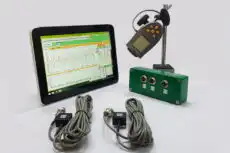
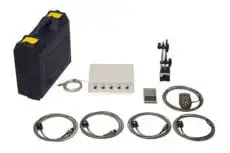
Vifaa vya Vibromera vya kusawazisha huzingatia moja kwa moja istilahi ya ISO: uchaguzi wa daraja la G, vektori za kutosawazika, nyuso za usahihi, ulinganisho wa kutosawazika kilichobaki dhidi ya kinachokubalika — vyote katika chombo kimoja kinachobebeka.
Tembelea Vifaa vya Kusambaza →
