Vyvažování rotorů na soustruzích: Nákladově efektivní řešení pro zlepšení kvality výrobků
V moderní výrobě, kde je kvalita produktu prvořadá, vyvažování rotoru se stává nezbytnou součástí technologického procesu. Pro malé a střední podniky však může být pořízení specializovaného vyvažovacího zařízení nákladné. V tomto článku zkoumáme možnost využití soustruhů pro rotor vyvažování, které může výrazně snížit náklady na vybavení a zvýšit efektivitu výroby.
Soustruh jako nástroj pro vyvažování
Soustruh lze díky své konstrukci a funkčnosti úspěšně použít k vyvažování rotorů různých typů a velikostí. Hlavní výhodou tohoto přístupu je úspora nákladů, protože není třeba pořizovat drahé specializované vybavení. Použití soustruhu navíc umožňuje provádět vyvažování přímo během výrobního procesu rotoru, což zkracuje dobu výroby a zlepšuje kvalitu výrobku.
Příprava na vyvažování
Před zahájením procesu vyvažování je třeba provést několik přípravných kroků:
- Výběr vhodného soustruhu: Soustruh by měl mít dostatečnou tuhost a přesnost, aby bylo zajištěno spolehlivé upevnění rotoru a přesné měření vibrací.
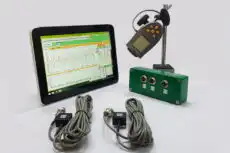
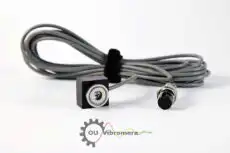
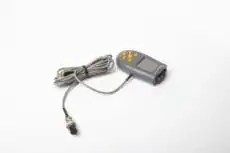
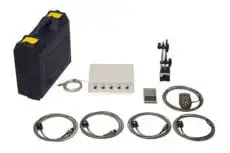
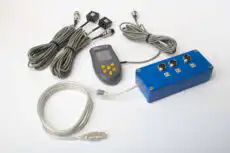
- Instalace měřicího systému: Pro měření rotoru vibrace na soustruhu, přenosný vyvažovač, jako je Balanset-1A lze použít. Zahrnuje snímače vibrací, tachometr, a software pro analýzu dat a výpočet korekčních hmotností.
- Řešení vlastní nevyváženosti vřetena: Vlastní vřeteno soustruhu nemusíte vyvažovat. Spusťte soustruh se samotným sklíčidlem (rotor odstraněný) a zaznamenejte vektor vibrací: to je základní hodnota daná vřetenem a sklíčidlem. Pokud tvoří významnou část údaje rotoru, buď ji odečtěte, nebo — lépe — použijte indexový běh o 180° (funkci “Odstranění excentricity trnu”, “F7 - Run Ecc”), která automaticky oddělí vše, co se neotáčí spolu s rotorem.
- Přizpůsobení rotoru stroji, nikoli vřetenu: Důležité je, aby síla nevyváženosti rotoru vytvářela měřitelnou odezvu na tělesech ložisek. Těžký, tuhý soustruh reaguje velmi málo na gram nevyváženosti, takže u velmi lehkého rotoru signál zaniká v šumu, zatímco velmi těžký rotor může překročit jmenovité zatížení sklíčidla nebo ložisek. V praxi ověřte, že správně dimenzované zkušební závaží dává čistou, opakovatelnou změnu amplitudy a fáze, než začnete důvěřovat jakémukoli koeficientu vlivu.
- Kontrola házivosti (runout) pryžového krytu před vyvažováním: U pogumovaného hřídele jsou hmotnostní nevyváženost a geometrické házení povlaku dva odlišné defekty. Vyvažování odstraní sílu 1×; nedokáže ale zaoblit excentrický nebo oválný povlak. Přiložte úchylkoměr k povrchu povlaku a otočte hřídelí rukou: pokud celkové naměřené házení přesahuje toleranci výrobku, nejprve povlak vybruste nebo osoustružte na souosost — na stejném soustruhu — a teprve poté vyvažte. Hřídel, který je vyvážený, ale stále má házení, bude i nadále produkovat pásy nerovnoměrné tloušťky, pruhy a kolísání přítlaku, bez ohledu na to, jak nízký je údaj vibrací.
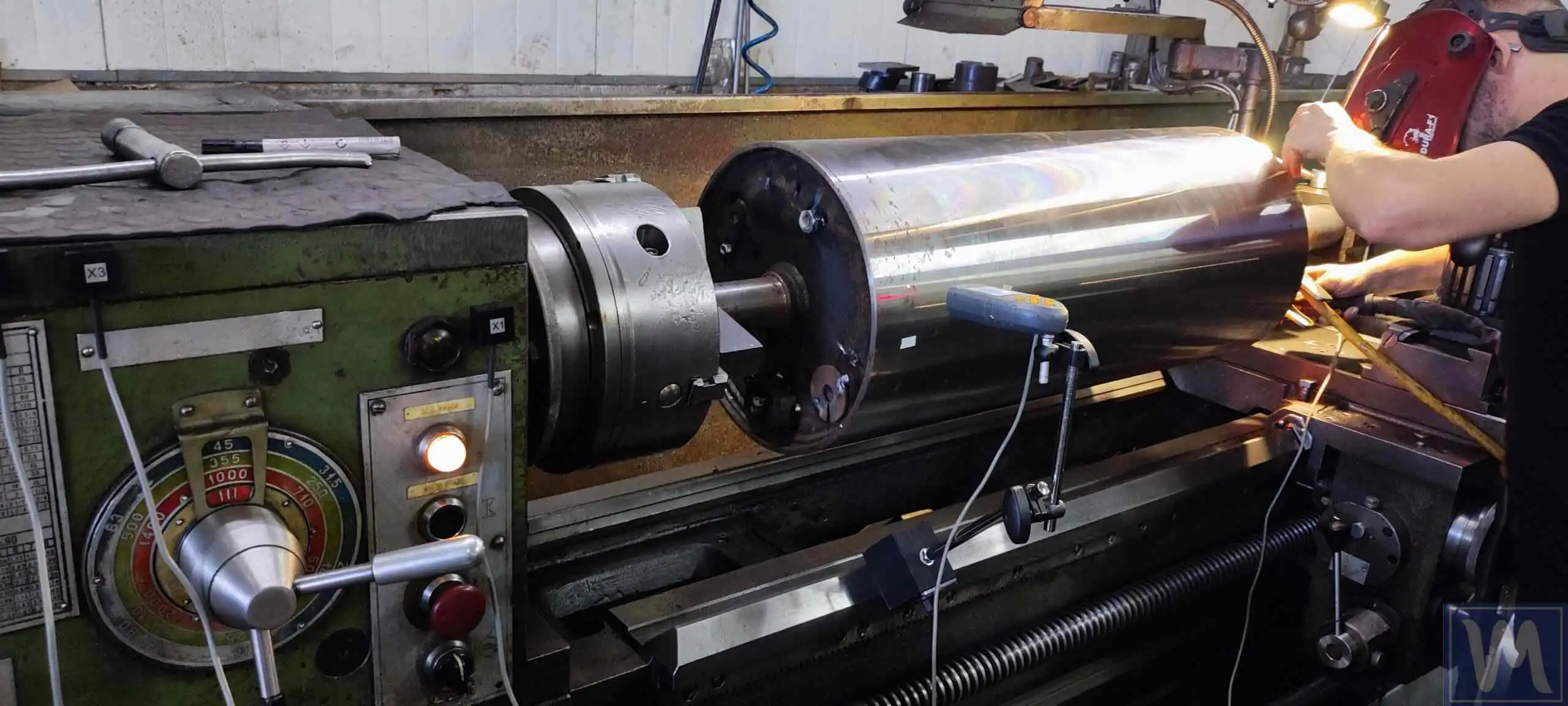
V tomto článku podrobně popíšu naše zkušenosti a metodiku při dynamicky vyvažování pogumovaných hřídelí na soustruhu – řešení, ke kterému jsem byl, přiznávám, zpočátku skeptický kvůli vlastní tuhosti a značné hmotnosti takového stroje. Překvapivě proběhla operace hladce a bylo dosaženo stupně jakosti vyvážení G 6.3 (ISO 21940-11, dříve ISO 1940-1).
Teoretické vyvažování rotorů na soustruhu
Proces vyvažování rotoru na soustruhu zahrnuje následující kroky:
Upevnění rotoru
Rotor je bezpečně upevněn ve sklíčidle soustruhu nebo na hrotech, aby byla zajištěna stabilita během vyvažování.
Instalace senzorů
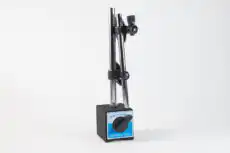
Namontujte jeden snímač vibrací na korekční rovinu — jeden na těleso ložiska vřeteníku a jeden na těleso koníku nebo pevného ložiska — radiálně, co nejblíže k ložisku, na čistý obrobený kovový povrch pomocí magnetické základny. Nemontujte snímače na lože soustruhu, na suport nebo kryt: signál 1× je tam tlumený a ovládaný konstrukcí. Přilepte reflexní páska na kovovou plochu (konec hřídele nebo sklíčidlo), ne na pryžový povlak, a namiřte laserový tachometr kolmo na ni.
Měření počátečních vibrací
Počáteční úroveň vibrací se měří při rychlosti, kterou použijete pro celou úlohu. Všechny chody — Run 0, zkušební chody a doladovací chod — musí být provedeny při stejné rychlosti, protože koeficienty vlivu platí pouze pro rychlost, při které byly změřeny.
Zohlednění excentricity (ihned po Run 0)
Upínací přípravek a trn excentricita přidává k údaji Run 0 vektor, který není nevyváženost, a jeho korekce by byla chybná. Vyřešte to před zkušebním závažím, ne až po něm: zaškrtněte políčko “Odstranění excentricity trnu” v softwaru Balanset-1A, dokončete Run 0, poté otočte rotor v přípravku o 180° a stiskněte “F7 - Run Ecc”. Software považuje poloviční součet vektorů za excentricitu a poloviční rozdíl vektorů za skutečnou nevyváženost, a teprve poté odemkne zkušební běh. Provedení tohoto kroku až poté, co jsou korekční závaží již přivařena, znamená jejich přepočet a opětovné provedení.
Jak velké by mělo být zkušební závaží?
Bezpečným výchozím bodem je závaží, jehož odstředivá síla zůstává v rozmezí 5–10 % hmotnosti rotoru. Jako vzorec:
mtrial = k · M · g / (R · ω²), k = 0.05–0.10
kde M je hmotnost rotoru (kg), g = 9.81 m/s², R je montážní poloměr závaží (m), a ω = 2π·RPM/60 (rad/s). Příklad: rotor o hmotnosti 50 kg při 3 000 rpm se závažím v R = 0,2 m dává m ≈ 0.07·50·9.81/(0.2·314²) ≈ 1,7 g — gramy, ne stovky gramů. To vypadá překvapivě málo pro rotor o hmotnosti 50 kg, ale zkontrolujte sílu: při 3000 rpm těch 1,7 g už táhne silou F = m·R·ω² ≈ 34 N — asi 7 % hmotnosti rotoru. Začít nízko je smysl věci: navyšování je levné, zatímco předimenzované závaží je skutečnou zátěží pro ložiska a svary. Stejná kontrola síly funguje obráceně pro jakékoli závaží, které se chystáte přišroubovat.
Nemusíte to počítat ručně: software Balanset obsahuje Odhad první zkušební hmotnosti který doporučuje jak hmotnost, tak počáteční úhel na základě dat vašeho rotoru, Zkouška nárazem abyste zkontrolovali, že nepracujete v blízkosti vlastní frekvence.
Dobré zkušební závaží změní hodnotu o alespoň 20–30 % v amplitudě nebo 20–30° ve fázi. Pokud je odezva menší, zvyšujte závaží postupně — nikdy nepřecházejte rovnou na těžké závaží, “abyste viděli, že se něco děje.”
Instalace zkušebního závaží
A zkušební hmotnost o známé hmotnosti se nainstaluje na rotor a vibrace se znovu změří. U dvourovinného vyvažování se to provádí postupně v každé rovině — zkušební chod se závažím v rovině 1 (Run 1), poté zkušební chod se závažím v rovině 2 (Run 2) — aby software mohl měřit vliv každé korekční roviny samostatně.
Výpočet korekčních hmotností
Software Balanset-1A analyzuje výsledky měření a vypočítá potřebné korekční hmoty a úhly jejich umístění.
Korekce hmotnosti rotoru
V závislosti na konstrukci rotoru a možnostech soustruhu lze korekci hmotnosti provést vrtáním, frézováním, svařováním nebo jinými metodami.
Ověřování vyváženosti
Po provedení korekcí se provede kontrolní měření vibrací. Tento postup se v případě potřeby opakuje, dokud není dosaženo požadované úrovně vyvážení.
Dynamické vyvažování v praxi
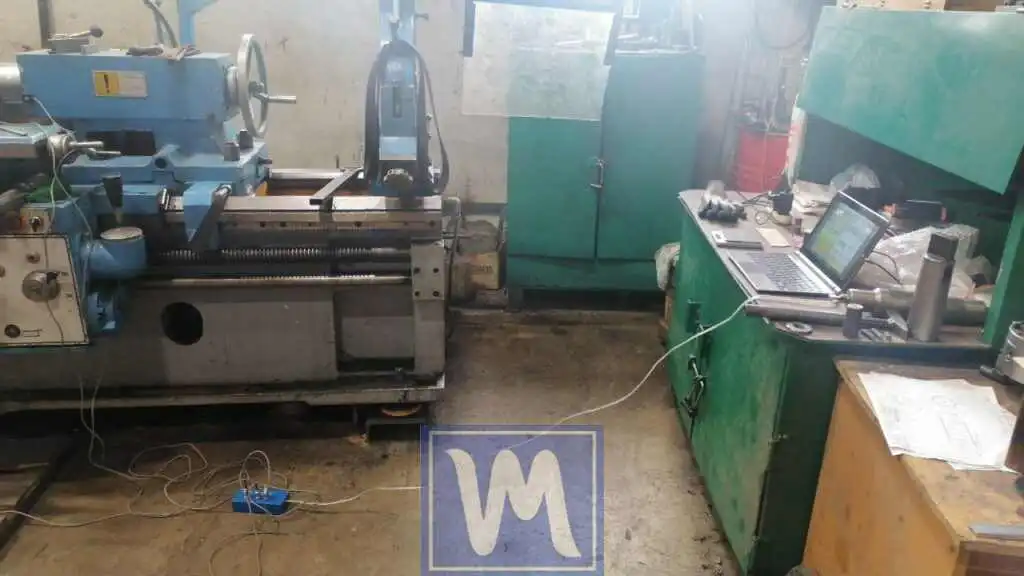
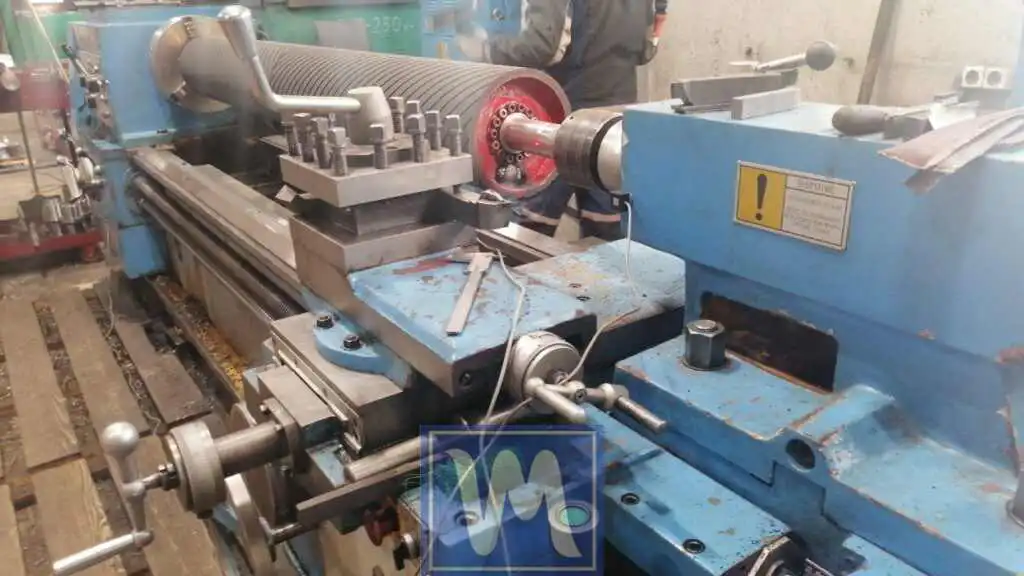
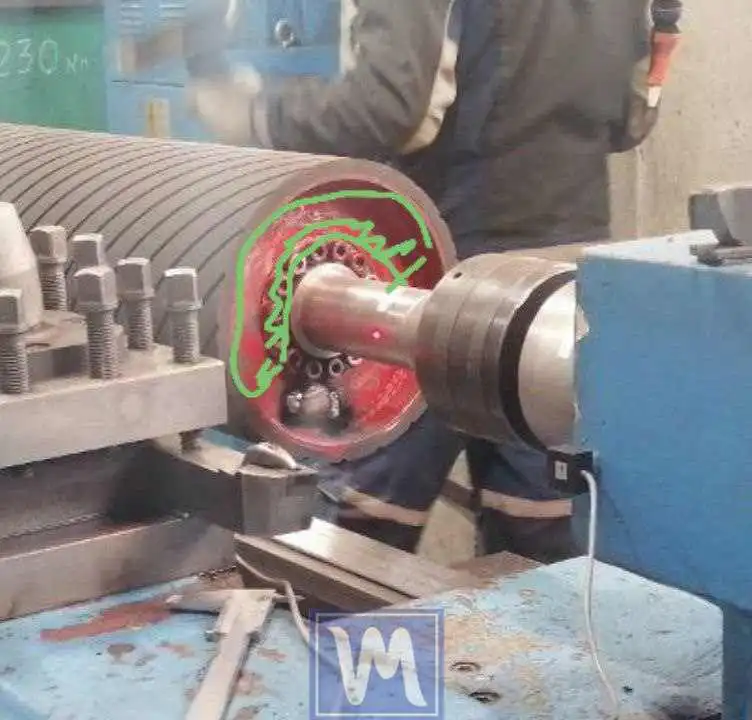
- Frekvence otáčení: Pracovní otáčky těchto hřídelí se obvykle pohybují mezi 300 a 500 otáčkami za minutu (rpm). V tomto konkrétním případě jsme vyvažování provedli při 550 rpm.
- Nastavení: Na soustruhu byla namontována pogumovaná hřídel a následně byly strategicky rozmístěny senzory, jak je znázorněno na přiložených fotografiích.
Dynamické vyvažování pogumovaných hřídelí na místě pomocí soustruhu
Dynamické vyvažování pogumovaných hřídelí
- Počáteční hodnoty vibrací: Před vyvážením byly počáteční hodnoty vibrací dosahovaly 9 mm/s a 17 mm/s.
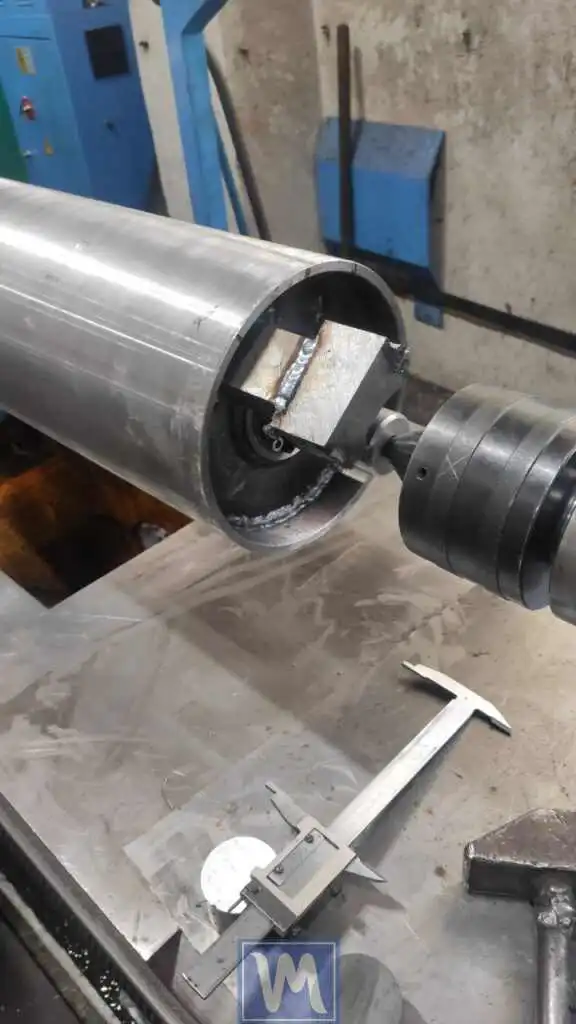
- Zkušební běhy: Dvourovinná úloha vyžaduje zkušební chod postupně v každé rovině — Run 1 se závažím v rovině 1, poté Run 2 se závažím v rovině 2. Bylo přivařeno zkušební závaží o hmotnosti 340 gramů; změnilo to vibraci a fáze odečty zhruba o 10 %. Takovou odezvu považujte za absolutní minimum: pro jasné a spolehlivé měření obvykle usilujeme o zkušební závaží, které posune vektor vibrací o 25–50 %, ale těžký, tuhý soustruh reaguje velmi málo na gram zkušební hmotnosti.
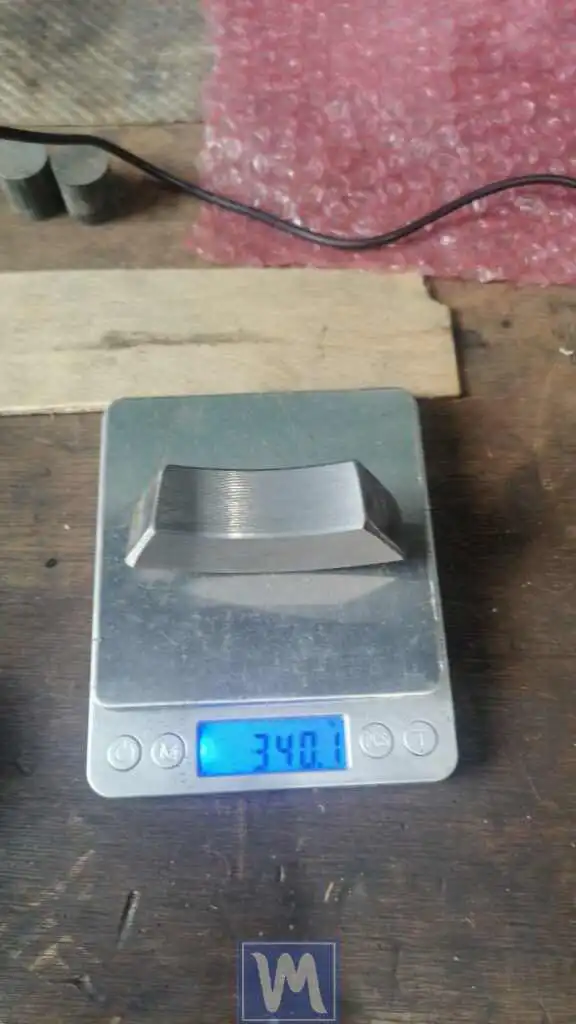
- Korekční úpravy: Po zkušebních chodech se zkušebním závažím náš přístroj Balanset-1A ukázal potřebu přidat 3100 gramů na jedné straně hřídele a 4300 gramů na druhé, což odpovídá korekcím v dvě roviny. Po těchto úpravách klesly úrovně vibrací na 2 mm/s a 4 mm/s.
Dynamické vyvažování pogumovaných hřídelí na místě pomocí soustruhu
Dynamické vyvažování pogumovaných hřídelí na místě pomocí soustruhu
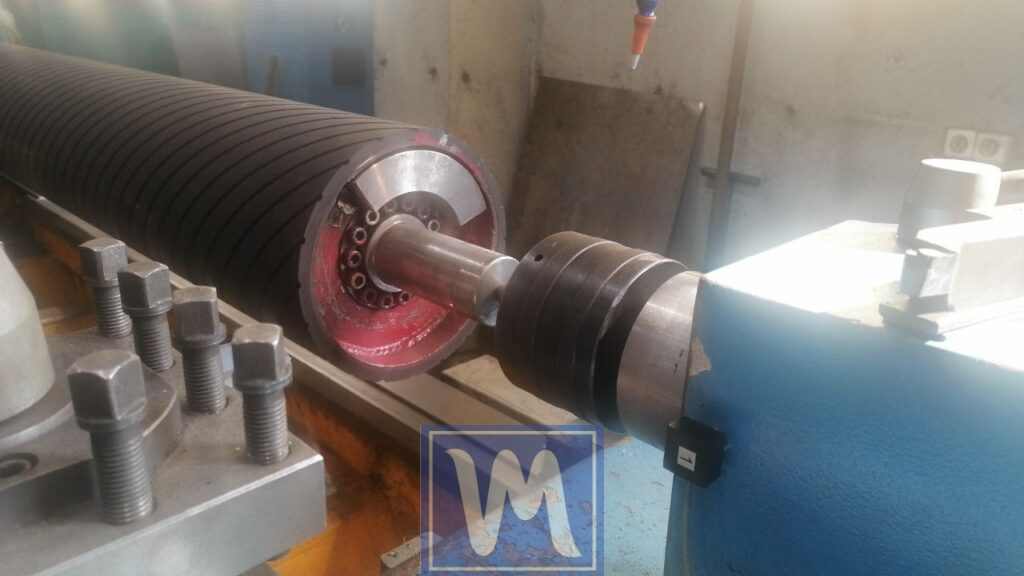
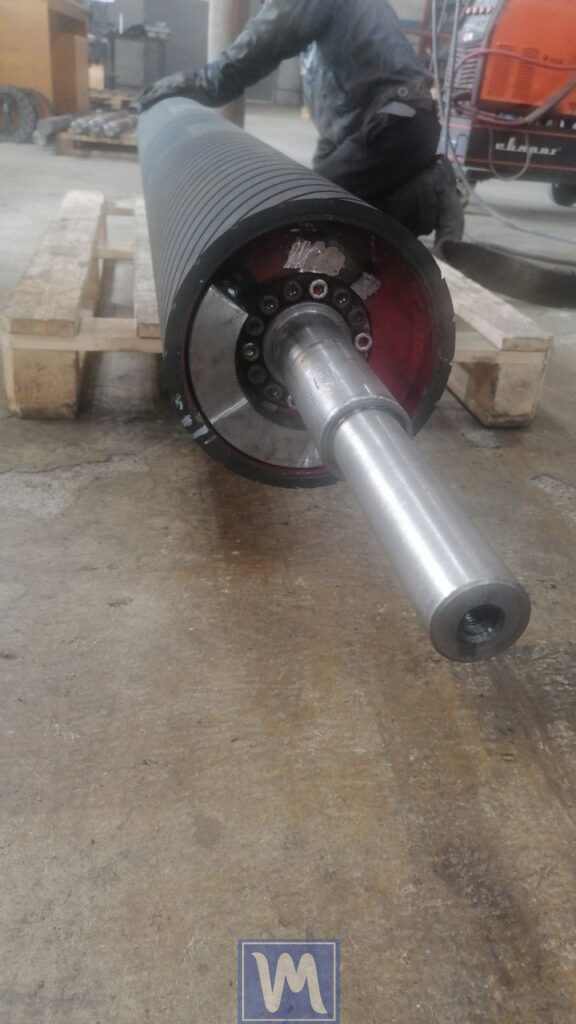
- Dolaďování: Za účelem dalšího zlepšení výsledků jsme přidali závaží o hmotnosti 400 gramů a 700 gramů. Následně jsme provedli další kolo jemného doladění přidáním 200 gramů a 400 gramů. Kvůli prostorovým omezením byla závaží přivařena jedno na druhé. Nakonec byla tato dočasná závaží nahrazena přesně vyříznutými, esteticky příjemnými protizávažími zhotovenými speciálně pro tento hřídel. Konečné hodnoty vibrací byly působivé — 0,1 mm/s v obou rovinách (zaokrouhlená hodnota — pod 1 mm/s přístroj sám zobrazuje údaje na tři desetinná místa).
Dynamické vyvažování pogumovaných hřídelí na místě pomocí soustruhu
Dynamické vyvažování pogumovaných hřídelí na místě pomocí soustruhu
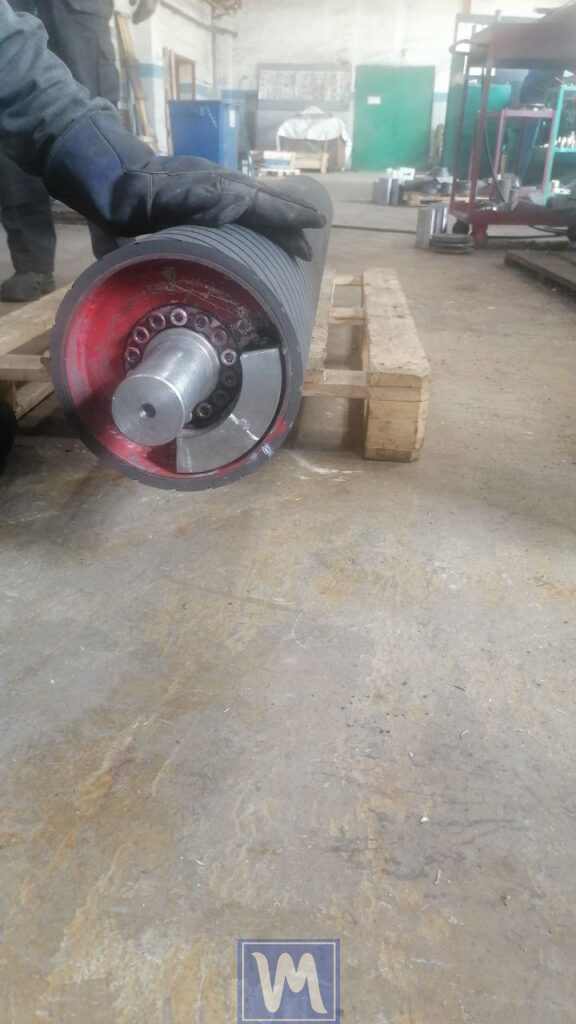
Dynamické vyvažování pogumovaných hřídelí na místě pomocí soustruhu

Výhody vyvažování rotorů na soustruzích
Cenová efektivita
Použitím soustruhu pro vyvažování se vyhnete nákladům na nákup specializovaného vyvažovacího zařízení.
Pohodlí
Vyvažování lze provádět přímo při výrobě rotoru, čímž se zkrátí doba výroby.
Vysoká kvalita
Moderní přenosné vyvažovačky, jako je Balanset-1A, poskytují vysokou přesnost vyvažování, umožňují nízkou úroveň vibrací a lepší kvalitu výrobků.
Závěr
Vyvažování rotorů na soustruzích je efektivní a ekonomické řešení pro podniky, které chtějí zlepšit kvalitu výrobků a snížit výrobní náklady. Použití přenosných vyvažovaček, jako je Balanset-1A, činí tento proces jednoduchým a dostupným i pro malé dílny.
Důležité připomínky
- Pro dosažení nejlepších výsledků se doporučuje používat vysoce kvalitní měřicí přístroje a přísně dodržovat postup vyvažování. Přípustné zbytková nevyváženost pro váš rotor můžete odhadnout pomocí naší kalkulátor zbytkové nevyváženosti (ISO 1940).
Vyvažování rotorů na soustruzích je krokem k budoucnosti vaší výroby, který se vyplatí díky lepší kvalitě výrobků, nižším nákladům a vyšší konkurenceschopnosti vašeho podniku.

Nikolai Shelkovenko
Nikolai Shelkovenko je inženýr vibrační analýzy a zakladatel a generální ředitel společnosti Vibromera. Více než 15 let vyvažuje rotační stroje přímo v provozu, a ne na zkušebním stavu: mulčovače, průmyslové ventilátory, drtiče, odstředivky, hřídele a vřetena. Právě z této práce vzešly přístroje Balanset — byly navrženy jako nástroj, který si odborník může vzít ke stroji a použít sám, přímo na místě, nikoli jako laboratorní vybavení. Vibromera byla založena v roce 2017 a od roku 2023 sídlí v portugalském Portu. Zde probíhá vývoj, montáž i podpora řady Balanset. Vlajkovým přístrojem je Balanset-1A, přenosný analyzátor pro vyvažování v jedné a ve dvou rovinách a pro diagnostiku vibrací. Nikolai se osobně podílí na zákaznické podpoře, na řešení obtížných případů vyvažování i na vývoji softwaru. Pracuje se zákazníky po celém světě, v jakémkoli jazyce.


0 Komentáře