Rotoru balansēšana uz virpām: Rentabls risinājums izstrādājumu kvalitātes uzlabošanai
Mūsdienu ražošanā, kur izstrādājumu kvalitātei ir izšķiroša nozīme, rotora balansēšana kļūst par tehnoloģiskā procesa būtisku sastāvdaļu. Tomēr specializētas balansēšanas iekārtas iegāde mazajiem un vidējiem uzņēmumiem var izmaksāt dārgi. Šajā rakstā mēs izskatām iespēju izmantot virpas, lai rotors balansēšana, kas var ievērojami samazināt iekārtu izmaksas un uzlabot ražošanas efektivitāti.
Virpa kā balansēšanas rīks
Pateicoties tās konstrukcijai un funkcionalitātei, virpu var veiksmīgi izmantot dažādu veidu un izmēru rotoru balansēšanai. Šīs pieejas galvenā priekšrocība ir izmaksu ietaupījums, jo nav nepieciešams iegādāties dārgu specializētu aprīkojumu. Turklāt, izmantojot virpu, balansēšanu var veikt tieši rotora ražošanas procesa laikā, kas saīsina ražošanas laiku un uzlabo produkta kvalitāti.
Sagatavošanās balansēšanai
Pirms balansēšanas procesa uzsākšanas jāveic vairāki sagatavošanās pasākumi:
- Atbilstošas virpas izvēle: Virpmašīnai jābūt pietiekami stingrai un precīzai, lai nodrošinātu drošu rotora montāžu un precīzus vibrācijas mērījumus.
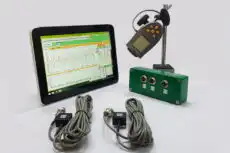
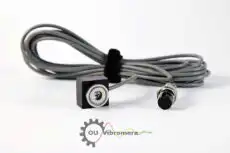
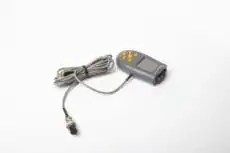
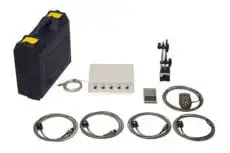
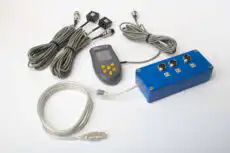
- Mērīšanas sistēmas uzstādīšana: Lai izmērītu rotoru vibrācija virpā, piemēram, pārnēsājams balansieris, piemēram, Balanset-1A var izmantot. Tajā ietilpst vibrācijas sensori, tahometrs, kā arī programmatūra datu analīzei un korekcijas masas aprēķināšanai.
- Spindeles pašas nelīdzsvarotības novēršana: Tev nav jābalansē pati virpas darbvārpsta. Palaid virpu tikai ar patronu (rotors noņemts) un ieraksti vibrācijas vektoru: tas ir darbvārpstas un patronas dotais bāzes līmenis. Ja tas veido nozīmīgu daļu no rotora rādījuma, vai nu atņem to, vai — labāk — izmanto 180° indeksa gājienu (funkciju “Mandrel eccentricity elimination”, “F7 - Run Ecc”), kas automātiski atdala visu, kas negriežas kopā ar rotoru.
- Rotora pielāgošana mašīnai, nevis spindelei: Svarīgi ir tas, ka rotora nelīdzsvarotības spēks rada izmērāmu atbildi uz gultņu korpusiem. Smaga, stingra virpa reaģē ļoti maz uz katru nelīdzsvarotības gramu, tāpēc ļoti vieglam rotoram signāls pazūd trokšņa fonā, savukārt ļoti smags rotors var pārsniegt patronas vai gultņu nominālo slodzi. Praksē pārbaudi, vai pareizi izmērīts izmēģinājuma svars dod tīru, atkārtojamu amplitūdas un fāzes izmaiņu, pirms uzticies jebkuram ietekmes koeficientam.
- Runout pārbaude gumijas pārklājumam pirms balansēšanas: Uz gumijotas vārpstas masas nelīdzsvarotība un pārklājuma ģeometriskā ekscentricitāte ir divi dažādi defekti. Balansēšana likvidē 1× spēku; tā nevar padarīt ekscentrisku vai ovālu pārklājumu apaļu. Novieto indikatora ciparnīcu pret pārklāto virsmu un pagriez vārpstu ar roku: ja summārā uzrādītā ekscentricitāte pārsniedz produkta pielaidi, vispirms noslīpē vai notoč pārklājumu koncentrisku — uz tā paša virpas — un tikai tad balansē. Vārpsta, kas ir balansēta, bet joprojām uzrāda ekscentricitāti, turpinās radīt mērjoslas, svītras un piespiedes spiediena svārstības neatkarīgi no tā, cik zems ir vibrācijas rādījums.
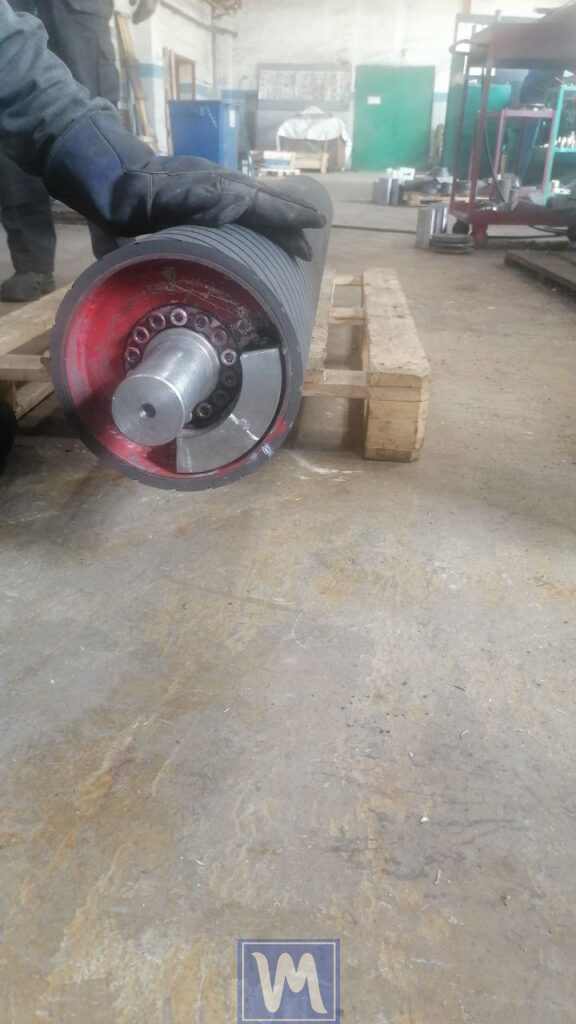
Šajā rakstā es sīkāk aprakstīšu mūsu pieredzi un metodiku dinamiski līdzsvarojot gumijotas vārpstas uz virpas – risinājums, par kuru, atzīšos, sākotnēji biju skeptisks šādas iekārtas raksturīgā stinguma un ievērojamā svara dēļ. Pārsteidzoši, taču operācija noritēja nevainojami, sasniedzot balansēšanas kvalitātes klasi G 6.3 (ISO 21940-11, agrāk ISO 1940-1).
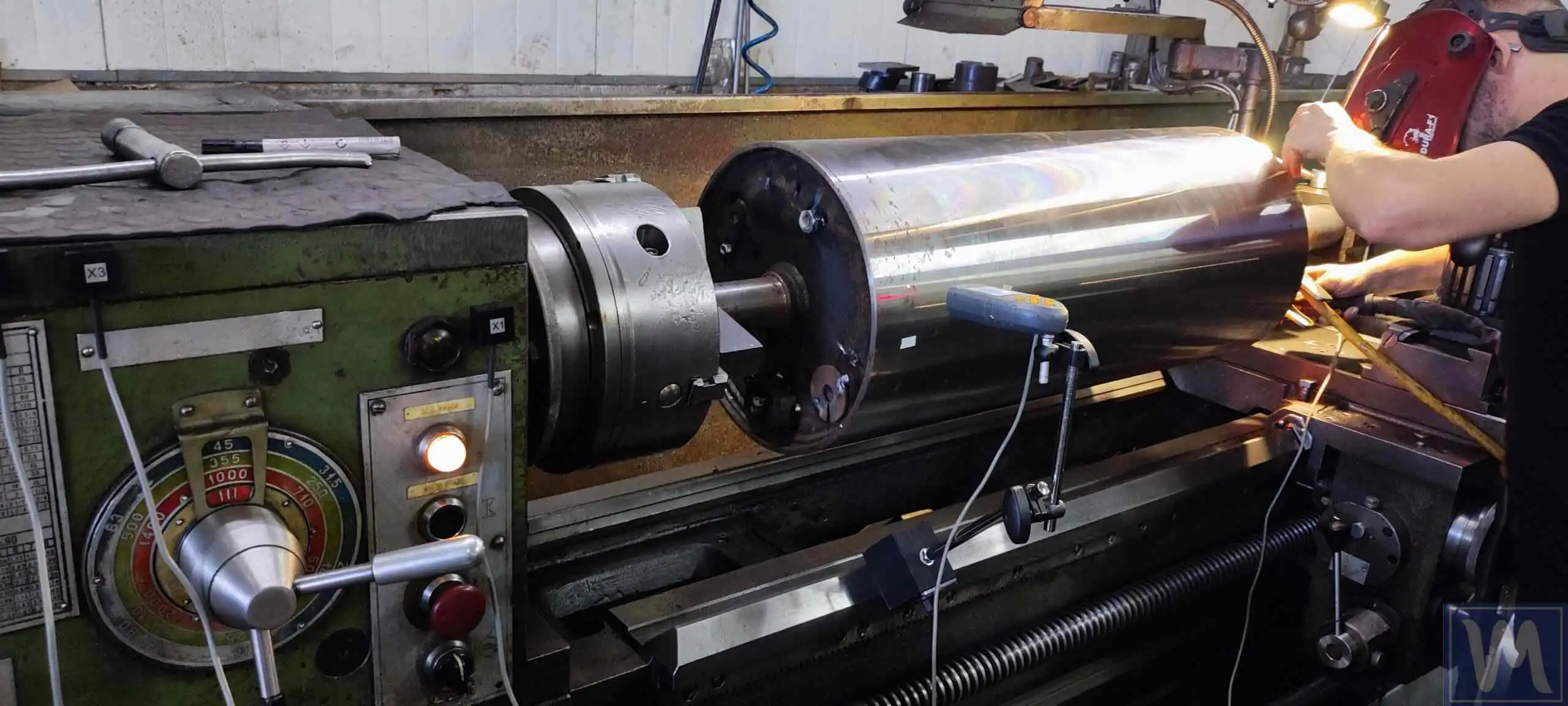
Rotoru balansēšanas process uz virpas teorētiski
Rotora balansēšanas process uz virpas ietver šādas darbības:
Rotora nostiprināšana
Lai nodrošinātu stabilitāti balansēšanas procesa laikā, rotors ir droši nostiprināts virpas turētājā vai uz centriem.
Sensoru uzstādīšana
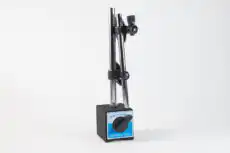
Uzstādi vienu vibrācijas sensoru katrai korekcijas plaknei — vienu uz priekšgalviņas gultņa korpusa un vienu uz aizmugurējās galviņas vai atbalsta korpusa — radiāli, cik vien iespējams tuvu gultnim, uz tīras, apstrādātas metāla virsmas, izmantojot magnētisko pamatni. Neuzstādi sensorus uz virpas gultnes, priekšauta vai aizsarga: tur 1× signāls ir novājināts un konstrukcijas dominēts. Pielīmē atstarojoša lente uz metāla virsmas (vārpstas gala vai patronas), nevis uz gumijas pārklājuma, un vērs lāzera tahometru perpendikulāri tai.
Sākotnējās vibrācijas mērīšana
Sākotnējais vibrācijas līmenis tiek mērīts ar ātrumu, kādu izmantosi visa darba laikā. Visi cikli — Cikls 0, izmēģinājuma cikli un korekcijas cikls — jāveic ar to pašu ātrumu, jo ietekmes koeficienti ir derīgi tikai tam ātrumam, kādā tie tika mērīti.
Ekscentricitātes ņemšana vērā (uzreiz pēc Run 0)
Stiprinājums un serde ekscentriskums pievieno Run 0 rādījumam vektoru, kas nav nelīdzsvarotība, un tā korekcija būtu kļūdaina. Risini to pirms izmēģinājuma svara, nevis pēc: atzīmē izvēles rūtiņu “Mandrel eccentricity elimination” Balanset-1A programmatūrā, pabeidz Run 0, tad pagriez rotoru stiprinājumā par 180° un nospied “F7 - Run Ecc”. Programmatūra ekscentricitātei izmanto vektoru pussummu un patiesajai nelīdzsvarotībai — vektoru pusdifferenci, un tikai tad atbloķē izmēģinājuma gājienu. Ja to dara pēc tam, kad korekcijas svari jau ir piemetināti, tas nozīmē to pārrēķināšanu un pārtaisīšanu.
Cik lielam jābūt izmēģinājuma svaram?
Drošs sākumpunkts ir svars, kura centrbēdzes spēks ir 5–10% robežās no rotora svara. Kā formula:
mtrial = k · M · g / (R · ω²), k = 0,05–0,10
kur M ir rotora masa (kg), g = 9.81 m/s², R ir svara montāžas rādiuss (m), un ω = 2π·RPM/60 (rad/s). Piemērs: 50 kg rotoram pie 3 000 rpm ar svaru pozīcijā R = 0,2 m iegūstam m ≈ 0.07·50·9.81/(0.2·314²) ≈ 1,7 g — grami, nevis simti gramu. Tas šķiet pārsteidzoši maz 50 kg rotoram, taču pārbaudi spēku: pie 3000 rpm šie 1,7 g jau velk ar spēku F = m·R·ω² ≈ 34 N — apmēram 7% no rotora svara. Sākt no maza ir jēga: palielināšana ir lēta, savukārt pārmērīgi liels svars ir reāla slodze gultņiem un metinājumiem. Tas pats spēka pārbaudes princips darbojas arī otrādi jebkuram svaram, ko gatavojies pieskrūvēt.
Tev nav jāaprēķina tas ar roku: Balanset programmatūrā ir iekļauts Pirmā izmēģinājuma atsvara novērtētājs kas iesaka gan masu, gan sākuma leņķi, pamatojoties uz tava rotora datiem, un Trieciena tests lai pārbaudītu, ka nestrādā pašfrekvences tuvumā.
Labs izmēģinājuma svars maina rādījumu par vismaz 20–30% amplitūdā vai 20–30° fāzē. Ja atbilde ir mazāka, palielini svaru pakāpeniski — nekad nelec tieši uz smagu svaru, “lai kaut kas notiktu”.
Izmēģinājuma svara uzstādīšana
A izmēģinājuma svars ar zināmu masu tiek uzstādīts uz rotora, un vibrācija tiek mērīta vēlreiz. Divu plakņu balansēšanai tas tiek darīts pēc kārtas katrā plaknē — izmēģinājuma cikls ar svaru 1. plaknē (Cikls 1), pēc tam izmēģinājuma cikls ar svaru 2. plaknē (Cikls 2) — lai programmatūra varētu izmērīt katras korekcijas plaknes ietekmi atsevišķi.
Korektīvo masu aprēķināšana
Balanset-1A programmatūra analizē mērījumu rezultātus un aprēķina nepieciešamās koriģējošās masas un to novietojuma leņķus.
Rotora masas koriģēšana
Atkarībā no rotora konstrukcijas un virpas iespējām masas korekciju var veikt ar urbšanas, frēzēšanas, metināšanas vai citām metodēm.
Balansēšanas verifikācija
Pēc korekciju veikšanas tiek veikts kontroles vibrācijas mērījums. Vajadzības gadījumā procesu atkārto, līdz tiek sasniegts vajadzīgais līdzsvara līmenis.
Dinamiskā balansēšana praksē
- Rotācijas biežums: Parasti šo vārpstu darba rotācijas ātrums svārstās no 300 līdz 500 apgriezieniem minūtē (rpm). Šajā konkrētajā gadījumā balansēšanu veicām pie 550 rpm.
- Iestatīšana: Gumijotā vārpsta tika uzstādīta uz virpas, pēc tam tika stratēģiski izvietoti sensori, kā parādīts pievienotajās fotogrāfijās.
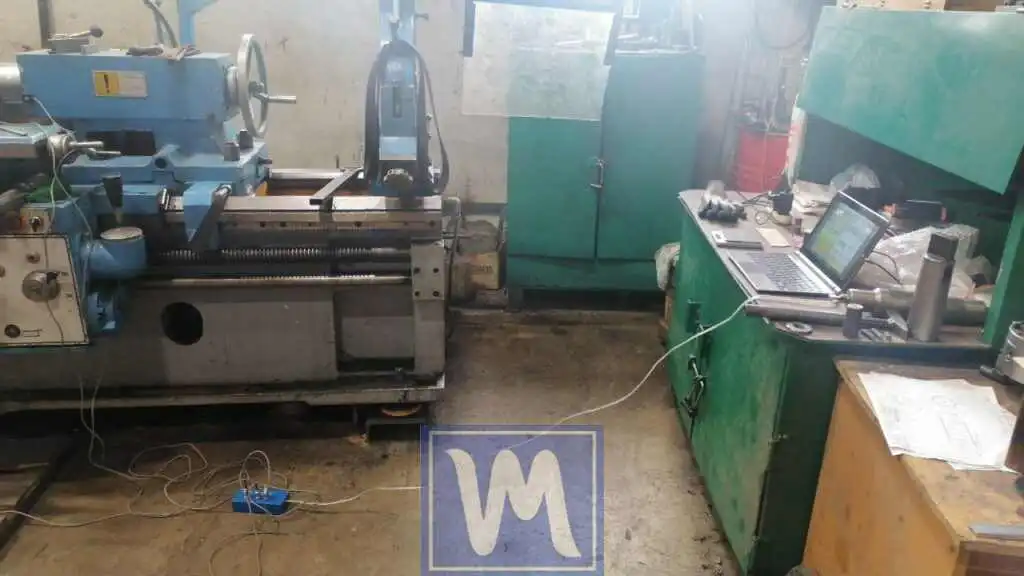
Gumijotu vārpstu dinamiskā balansēšana uz vietas, izmantojot virpu
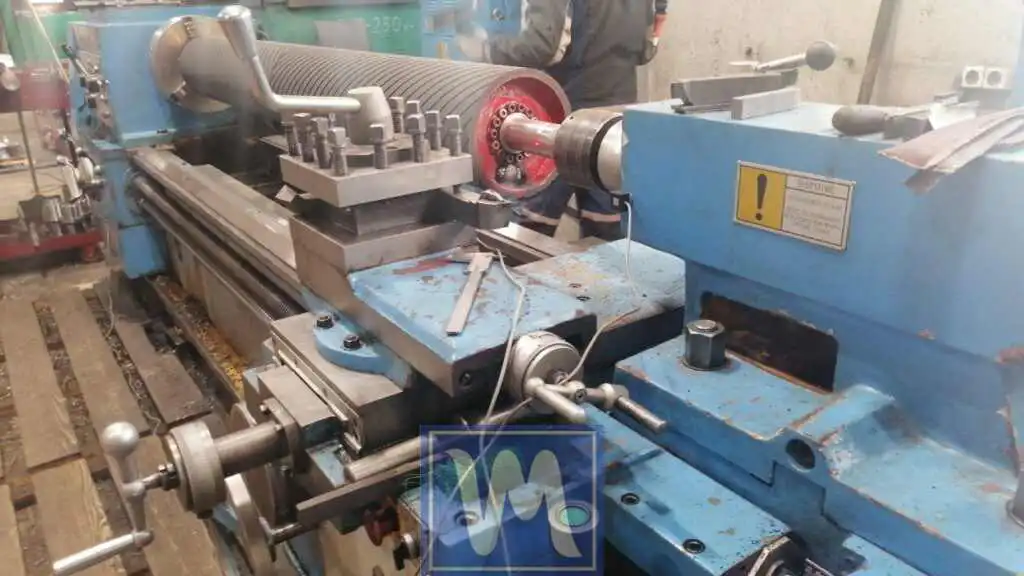
Gumijotu vārpstu dinamiskā balansēšana
- Sākotnējie vibrācijas rādījumi: Pirms balansēšanas sākotnējais vibrācijas rādījumi bija 9 mm/s un 17 mm/s.
- Izmēģinājuma piegājieni: Divu plakņu darbam nepieciešams izmēģinājuma cikls katrā plaknē pēc kārtas — Cikls 1 ar svaru 1. plaknē, tad Cikls 2 ar svaru 2. plaknē. Tika piemetināts 340 gramus smags izmēģinājuma svars; tas mainīja vibrāciju un fāze rādījumus par aptuveni 10%. Uztver šādu atbildi kā absolūtu minimumu: skaidram, pārliecinošam mērījumam mēs parasti tiecamies pēc izmēģinājuma svara, kas nobīda vibrācijas vektoru par 25–50%, taču smaga, stingra virpa reaģē ļoti maz uz katru izmēģinājuma masas gramu.
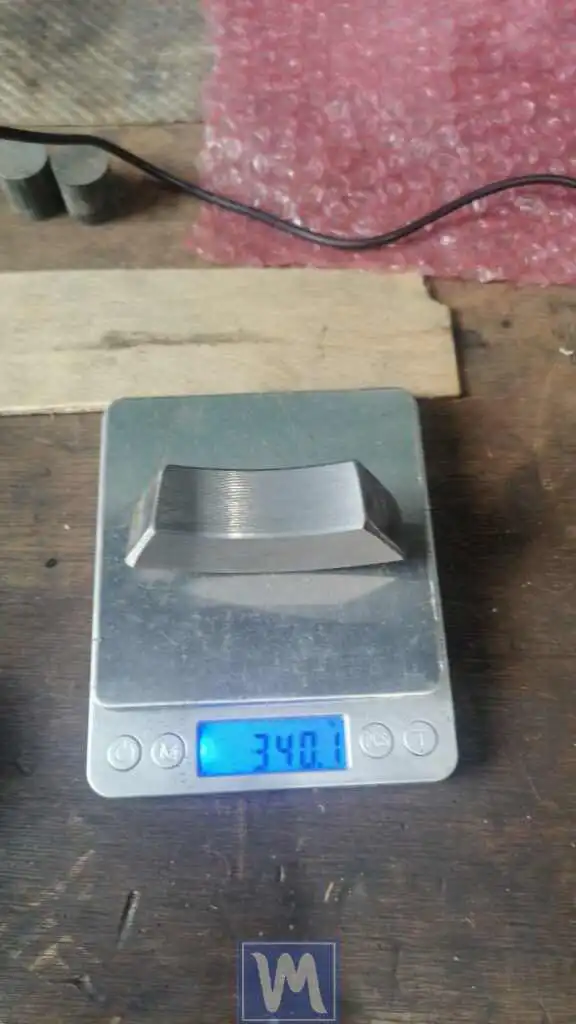
- Līdzsvara korekcijas: Pēc izmēģinājuma cikliem ar izmēģinājuma svaru mūsu Balanset-1A instruments norādīja nepieciešamību pievienot 3100 gramus vienā vārpstas pusē un 4300 gramus otrā, kas atbilst korekcijām divās plaknēs. Pēc šīm korekcijām vibrācijas līmeņi samazinājās līdz 2 mm/s un 4 mm/s.
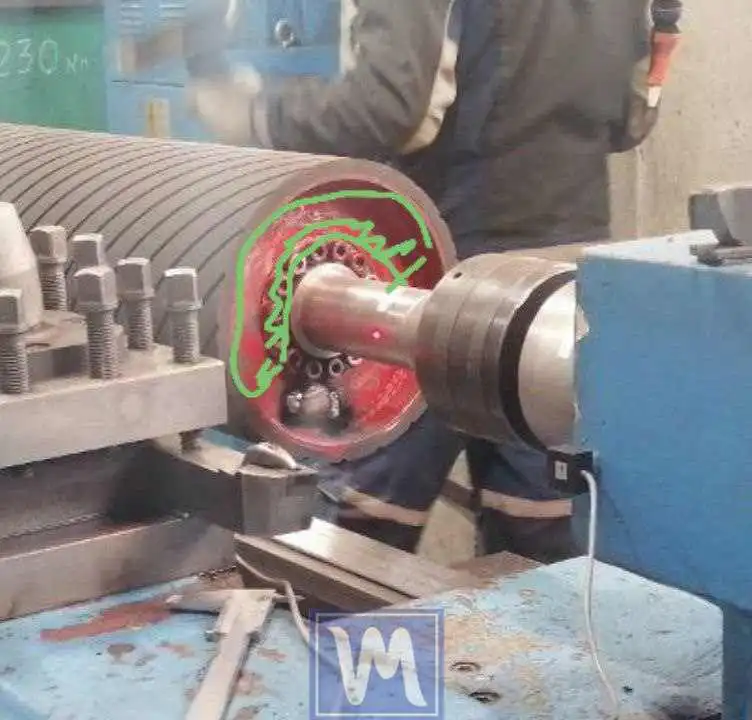
Gumijotu vārpstu dinamiskā balansēšana uz vietas, izmantojot virpu
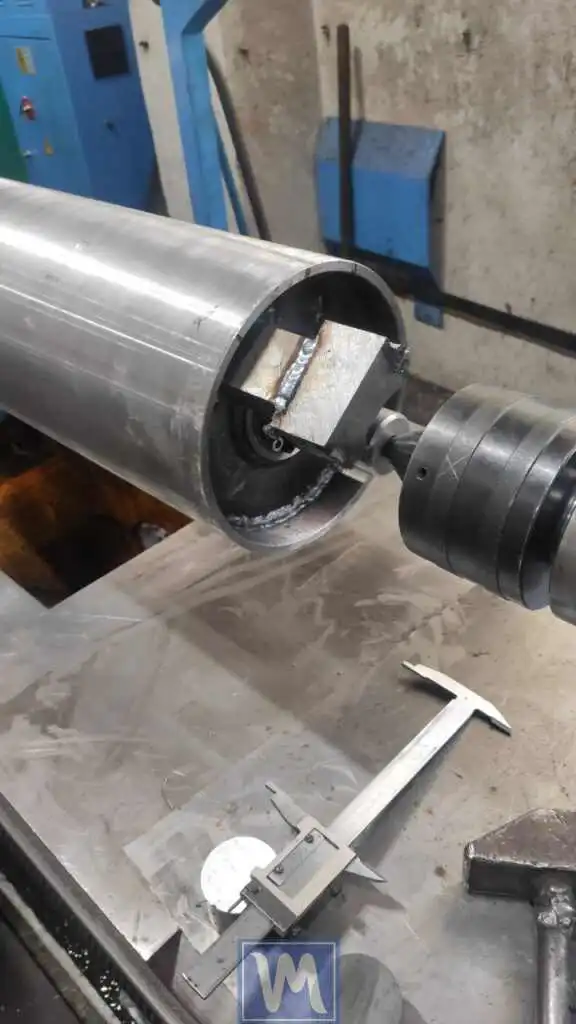
Gumijotu vārpstu dinamiskā balansēšana uz vietas, izmantojot virpu
- Precīza regulēšana: Lai vēl vairāk optimizētu rezultātus, mēs turpinājām pievienot 400 gramu un 700 gramu atsvarus. Pēc tam tika veikts vēl viens smalkās pieregulēšanas cikls, pievienojot 200 gramus un 400 gramus. Vietas ierobežojumu dēļ atsvari tika piemetināti viens virs otra. Galu galā šie pagaidu atsvari tika aizstāti ar precīzi izgrieztiem, estētiski pievilcīgiem pretsvariem, kas izgatavoti tieši šai vārpstai. Gala vibrācijas rādījumi bija iespaidīgi 0,1 mm/s abās plaknēs (noapaļots skaitlis — zem 1 mm/s pats instruments rāda rādījumus ar trim zīmēm aiz komata).
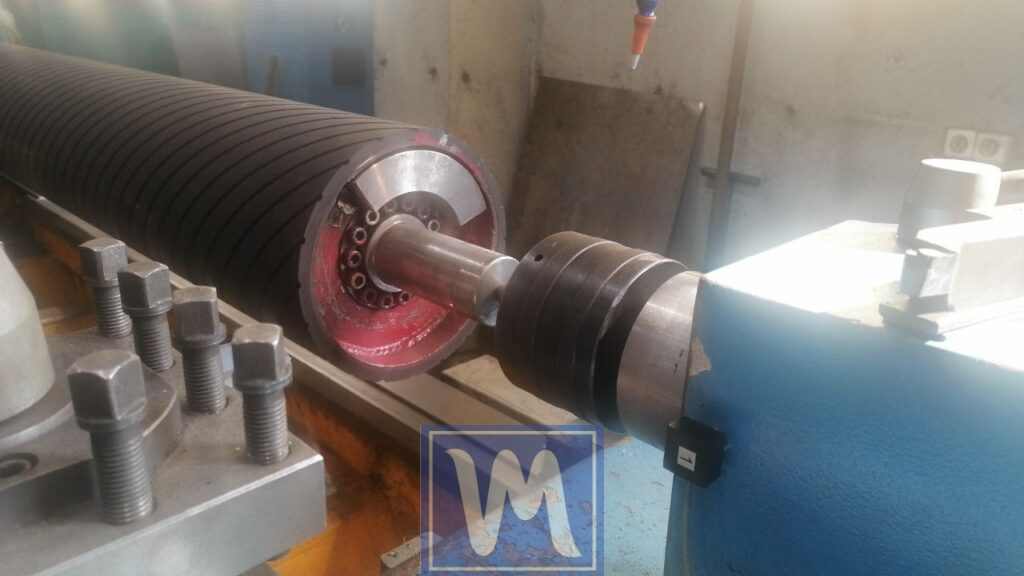
Gumijotu vārpstu dinamiskā balansēšana uz vietas, izmantojot virpu
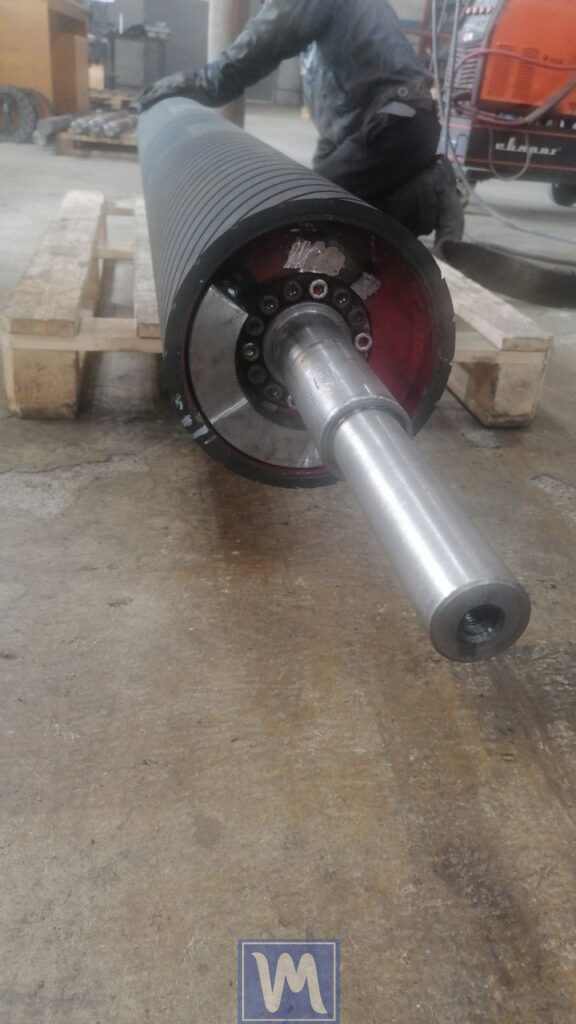
Gumijotu vārpstu dinamiskā balansēšana uz vietas, izmantojot virpu
Gumijotu vārpstu dinamiskā balansēšana uz vietas, izmantojot virpu

Rotoru balansēšanas priekšrocības uz virpām
Izmaksu efektivitāte
Izmantojot virpu balansēšanai, var izvairīties no izdevumiem, kas saistīti ar specializēta balansēšanas aprīkojuma iegādi.
Ērtības
Balansēšanu var veikt tieši rotora ražošanas procesa laikā, tādējādi samazinot ražošanas laiku.
Augsta kvalitāte
Mūsdienīgi portatīvie balansieri, piemēram, Balanset-1A, nodrošina augstu balansēšanas precizitāti, ļaujot sasniegt zemu vibrācijas līmeni un uzlabot izstrādājumu kvalitāti.
Secinājums
Rotoru balansēšana uz virpām ir efektīvs un ekonomisks risinājums uzņēmumiem, kas vēlas uzlabot izstrādājumu kvalitāti un samazināt ražošanas izmaksas. Izmantojot tādus portatīvos balansierus kā Balanset-1A, šis process ir vienkāršs un pieejams pat nelielās darbnīcās.
Svarīgi atgādinājumi
- Lai sasniegtu vislabākos rezultātus, ieteicams izmantot augstas kvalitātes mērinstrumentus un stingri ievērot balansēšanas procedūru. Jūs varat aprēķināt pieļaujamo atlikušais disbalanss jūsu rotoram ar mūsu atlikušā disbalansa aprēķinātājs (ISO 1940).
Rotoru balansēšana uz virpām ir solis ceļā uz jūsu ražošanas nākotni, kas atmaksājas, uzlabojot izstrādājumu kvalitāti, samazinot izmaksas un palielinot jūsu uzņēmuma konkurētspēju.

Nikolai Shelkovenko
Nikolai Shelkovenko ir vibrāciju analīzes inženieris, kā arī uzņēmuma Vibromera dibinātājs un vadītājs. Vairāk nekā 15 gadus viņš balansē rotējošas iekārtas darba vietā, nevis uz pārbaudes stenda: mulčētājus, rūpnieciskos ventilatorus, drupinātājus, centrifūgas, vārpstas un darbvārpstas. Tieši no šī darba radās Balanset instrumenti — tie tika veidoti kā rīks, ko speciālists var aiznest pie mašīnas un lietot viens pats uz vietas, nevis kā laboratorijas aprīkojums. Vibromera dibināta 2017. gadā, un kopš 2023. gada tā atrodas Portu, Portugālē. Šeit notiek Balanset līnijas izstrāde, montāža un atbalsts. Vadošais instruments ir Balanset-1A — portatīvs analizators balansēšanai vienā un divās plaknēs, kā arī vibrāciju diagnostikai. Nikolai personīgi piedalās klientu atbalstā, sarežģītu balansēšanas gadījumu risināšanā un programmatūras izstrādē. Viņš strādā ar klientiem visā pasaulē, jebkurā valodā.


0 Komentārs