איזון רוטורים על מחרטות: פתרון חסכוני לשיפור איכות המוצר
בתעשייה המודרנית, שבה איכות המוצר היא בעלת חשיבות עליונה, איזון רוטור הופך לחלק חיוני בתהליך הטכנולוגי. עם זאת, רכישת ציוד איזון ייעודי עשויה להיות יקרה עבור חברות קטנות ובינוניות. במאמר זה, אנו בוחנים את האפשרות להשתמש במחרטות לצורך רוטור איזון, דבר שיכול להוזיל משמעותית את עלויות הציוד ולשפר את יעילות הייצור.
המחרטה ככלי לאיזון
המחרטה, בזכות עיצובה ותפקודה, יכולה לשמש בהצלחה לאיזון רוטורים מסוגים וגדלים שונים. היתרון העיקרי של גישה זו הוא חיסכון בעלויות, שכן אין צורך לרכוש ציוד ייעודי יקר. בנוסף, שימוש במחרטה מאפשר לבצע את האיזון ישירות במהלך תהליך ייצור הרוטור, מה שמקצר את זמן הייצור ומשפר את איכות המוצר.
הכנה לאיזון
לפני תחילת תהליך האיזון, יש לבצע מספר שלבי הכנה:
- בחירת מחרטה מתאימה: על המחרטה להיות בעלת קשיחות ודיוק מספיקים כדי להבטיח הרכבה אמינה של הרוטור ומדידות רטט מדויקות.
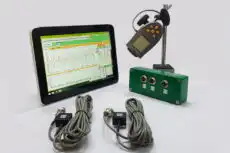
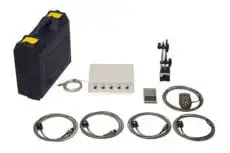
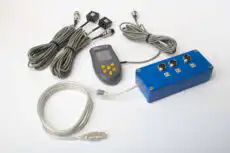
- התקנת מערכת המדידה: למדידת רטט הרוטור רעידה על המחרטה, מאזן נייד כגון ה- Balanset-1A ניתן להשתמש בו. הוא כולל חיישני רטט, טכומטר טכומטר, וכן תוכנה לניתוח נתונים ולחישוב מסת התיקון.
- התמודדות עם חוסר האיזון של הציר עצמו: אינכם צריכים לאזן את ציר המחרטה עצמו. הפעילו את המחרטה עם הצ'אק בלבד (הרוטור מוסר) ותעדו את וקטור הרעידה: זהו הבסיס שתורם הציר והצ'אק. אם זה מהווה חלק משמעותי מקריאת הרוטור, או שחסירו אותו, או — טוב יותר — השתמשו בריצת האינדקס של 180° (הפונקציה “Mandrel eccentricity elimination”, “F7 - Run Ecc”), המפרידה אוטומטית כל מה שאינו מסתובב עם הרוטור.
- התאמת הרוטור למכונה, לא לציר המחרטה: מה שחשוב הוא שכוח חוסר האיזון של הרוטור מייצר תגובה שניתן למדוד בבתי המיסבים. מחרטה כבדה וקשיחה מגיבה מעט מאוד לכל גרם של חוסר איזון, כך שברוטור קל מאוד האות נעלם ברעש, בעוד רוטור כבד מאוד עלול לחרוג מהעומס המדורג של הצ'אק או המיסבים. בפועל, ודאו שמשקל ניסיון בגודל נכון נותן שינוי משרעת ופאזה נקי וניתן לשחזור לפני שסומכים על מקדם השפעה כלשהו.
- בדיקת חריגת הריצה (runout) של הציפוי הגומי לפני האיזון: על גל מגומי, חוסר איזון מסה וחריגת ריצה גיאומטרית (runout) של הציפוי הם שני פגמים שונים. איזון מבטל את הכוח 1×; הוא אינו יכול להפוך ציפוי אקסצנטרי או אליפטי לעגול. הציבו אינדיקטור חוגה כנגד המשטח המכוסה וסובבו את הגל ביד: אם חריגת הריצה הכוללת המצוינת חורגת מסבילות המוצר, שחזו או סובבו את הציפוי לריכוזיות תחילה — באותו מחרטה — ורק אז אזנו. גל שמאוזן אך עדיין חורג ימשיך לייצר פסי מד, פסים, ותנודות בלחץ הצביטה, לא משנה כמה נמוכה קריאת הרעידה.
במאמר זה אפרט את הניסיון והמתודולוגיה שלנו ב- איזון דינמי צירים מצופי גומי על מחרטה – פתרון שכלפיו, יש להודות, הייתי בתחילה סקפטי בשל הקשיחות הטבועה והמשקל הרב של מכונות מסוג זה. באופן מפתיע, הפעולה בוצעה בצורה חלקה, והשיגה את דרגת איכות איזון G 6.3 (ISO 21940-11, לשעבר ISO 1940-1).
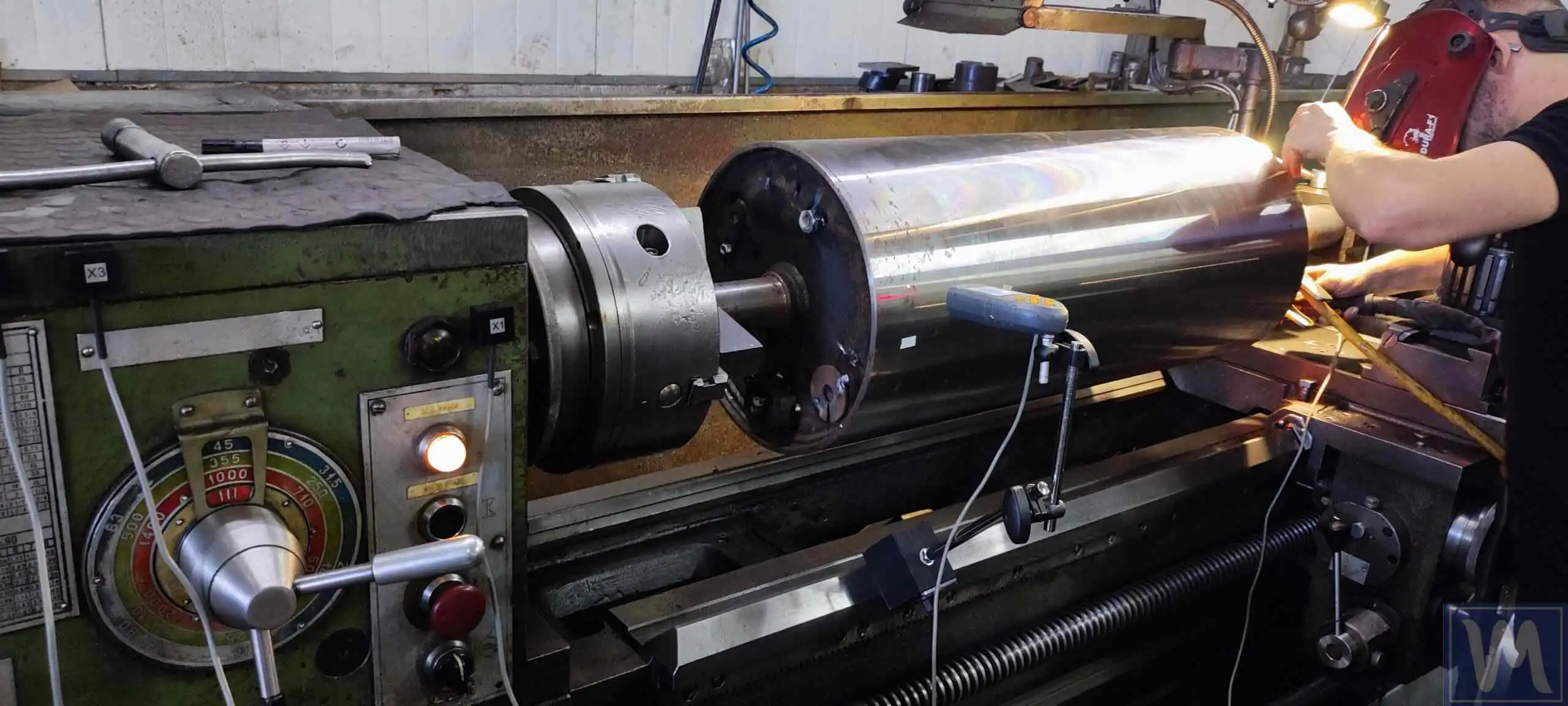
תהליך איזון הרוטור על מחרטה בתיאוריה
תהליך איזון הרוטור במחרטה כולל את השלבים הבאים:
אבטחת הרוטור
הרוטור מורכב היטב בצ'אק המחרטה או על מרכזים כדי להבטיח יציבות במהלך תהליך האיזון.
התקנת חיישנים
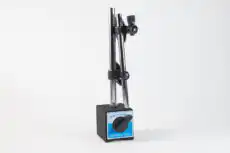
התקן חיישן רטט אחד לכל מישור תיקון—אחד על בית המיסב של ראש המחוט ואחד על בית הזנב או משענת יציבה—באופן רדיאלי, קרוב ככל האפשר למיסב, על משטח מתכת מעובד ונקי באמצעות בסיס מגנטי. אל תתקין חיישנים על מיטת המחרטה, הסינר או המגן: האות 1× שם מוחלש ונשלט על-ידי המבנה. הדבק את סרט מחזיר אור על פני שטח מתכתיים (קצה הציר או הצ׳אק), לא על הציפוי הגומי, וכוונו את טכומטר הלייזר בניצב אליהם.
מדידת רטט ראשוני
רמת הרטט ההתחלתית נמדדת במהירות שתשמש לכל העבודה. כל הריצות—Run 0, ריצות הניסיון וריצת הקיזוז—חייבות להתבצע באותה מהירות, מכיוון שמקדמי ההשפעה תקפים רק עבור המהירות שבה הם נמדדו.
התחשבות באקסצנטריות (מיד לאחר Run 0)
מתקן ומנדרל אקסצנטריות מוסיף וקטור לקריאת Run 0 שאינו חוסר איזון, ותיקונו יהיה שגוי. טפלו בכך לפני משקל הניסיון, לא אחריו: סמנו את תיבת הסימון “Mandrel eccentricity elimination” בתוכנת Balanset-1A, השלימו את Run 0, ואז סובבו את הרוטור ב-180° במתקן ולחצו על “F7 - Run Ecc”. התוכנה לוקחת את חצי-הסכום של הווקטורים כאקסצנטריות ואת חצי-ההפרש כחוסר האיזון האמיתי, ורק אז פותחת את ריצת הניסיון. ביצוע פעולה זו לאחר שמשקלי התיקון כבר רותכו פירושו חישוב מחדש וביצוע מחדש.
כמה גדול צריך להיות משקל הניסיון?
נקודת התחלה בטוחה היא משקל ש הכוח הצנטריפוגלי נשאר בטווח 5–10% ממשקל הרוטור. כנוסחה:
mtrial = k · M · g / (R · ω²), k = 0.05–0.10
היכן M הוא מסת הרוטור (ק"ג), g = 9.81 m/s², R הוא רדיוס ההתקנה של המשקל (m), ו- ω = 2π·RPM/60 (rad/s). לדוגמה: רוטור במשקל 50 ק״ג במהירות 3,000 סל״ד עם משקל בטריז R = 0.2 מ׳ נותן m ≈ 0.07·50·9.81/(0.2·314²) ≈ 1.7 g — גרמים, לא מאות גרמים. זה נראה קטן להפתיע עבור רוטור של 50 ק״ג, אבל בדקו את הכוח: ב-3,000 סל״ד אותם 1.7 g כבר מושכים F = m·R·ω² ≈ 34 N — כ-7% ממשקל הרוטור. להתחיל קטן זו הנקודה: להגדיל זול, בעוד משקל גדול מדי הוא עומס אמיתי על מיסבים וריתוכים. אותה בדיקת כוח עובדת הפוך עבור כל משקל שאתם עומדים להדק בברגים.
אינכם צריכים לחשב זאת ידנית: תוכנת Balanset כוללת מעריך משקל ניסוי ראשון הממליץ הן על המסה והן על זווית ההתחלה מנתוני הרוטור שלכם, ו מבחן הקשה כדי לבדוק שאינכם עובדים בקרבת תדר טבעי.
משקל ניסיון טוב משנה את הקריאה ב לפחות 20–30% בעוצמה או 20–30° בפאזה. אם התגובה קטנה יותר, הגדילו את המשקל בהדרגה — לעולם אל תקפצו ישר למשקל כבד “כדי לראות שמשהו קורה.”
התקנת משקל ניסיון
A משקל ניסיון בעל מסה ידועה מותקן על הרוטור, והרטט נמדד שוב. עבור איזון דו-מישורי זה נעשה בכל מישור בתורו—ריצת ניסיון עם המשקל במישור 1 (Run 1), ולאחר מכן ריצת ניסיון עם המשקל במישור 2 (Run 2)—כך שהתוכנה יכולה למדוד את השפעתו של כל מישור תיקון בנפרד.
חישוב מסות מתקנות
תוכנת Balanset-1A מנתחת את תוצאות המדידה ומחשבת את מסות התיקון הנדרשות ואת זוויות המיקום שלהן.
תיקון מסת הרוטור
בהתאם לתכנון הרוטור וליכולות המחרטה, ניתן לבצע תיקון מסה באמצעות קידוח, כרסום, ריתוך או שיטות אחרות.
אימות איזון
לאחר ביצוע תיקונים, מתבצעת מדידת רטט בקרה. התהליך חוזר על עצמו במידת הצורך עד להשגת רמת האיזון הנדרשת.
איזון דינמי בפועל
- תדירות הסיבוב: בדרך כלל, מהירות הסיבוב התפעולית של צירים אלה נעה בין 300 ל-500 סיבובים לדקה (סל"ד). במקרה הספציפי הזה, ביצענו את האיזון ב-550 סל"ד.
- הגדרה: הפיר המצופה גומי הותקן על מכונת המחרטה, ולאחר מכן הוצבו חיישנים במיקומים אסטרטגיים, כפי שמוצג בתמונות המצורפות.
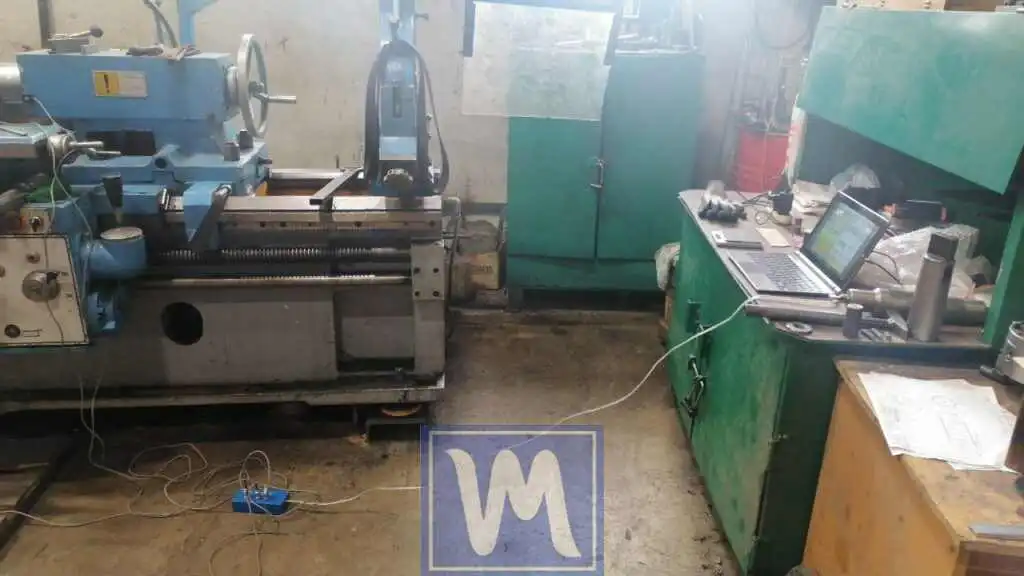
איזון דינמי באתר של פירים מגומיים באמצעות מכונת מחרטה
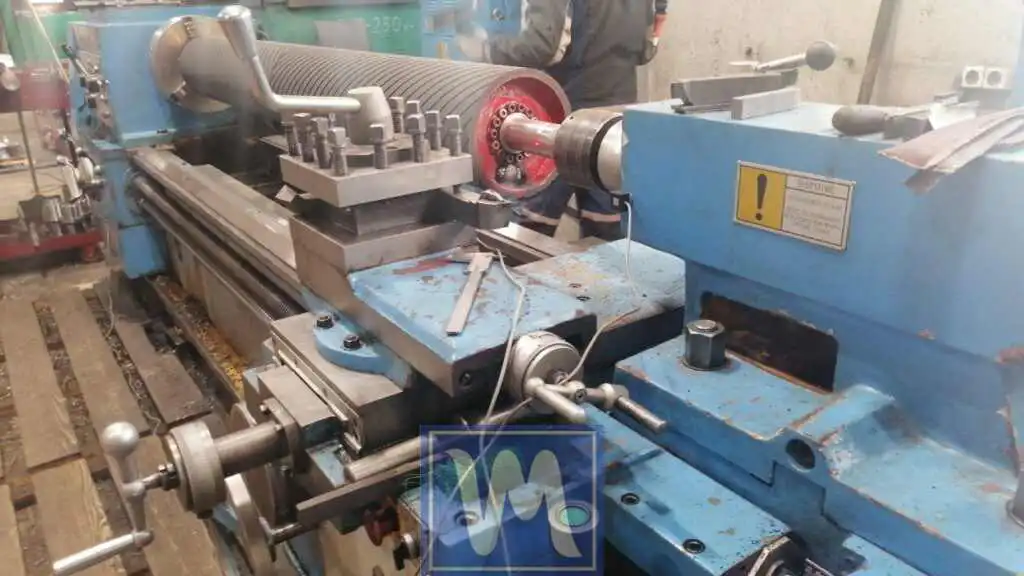
איזון דינמי של פירים מצופים בגומי
- נתוני רטט ראשוניים: לפני האיזון, ה- ראשוני קריאות הרעידה עמדו על 9 מ״מ/שנייה ו-17 מ״מ/שנייה.
- ריצות ניסיון: עבודה דו-מישורית דורשת ריצת ניסיון בכל מישור בתורו — Run 1 עם המשקל במישור 1, ולאחר מכן Run 2 עם המשקל במישור 2. משקל ניסיון של 340 גרם רותך; הוא שינה את הרטט ו מופע את הקריאות בכ-10%. יש להתייחס לתגובה כזו כאל מינימום מוחלט: לצורך מדידה ברורה ואמינה, בדרך כלל שואפים למשקל ניסיון שמזיז את וקטור הרטט ב-25–50%, אך מחרטה כבדה וקשיחה מגיבה מעט מאוד לכל גרם של מסת ניסיון.
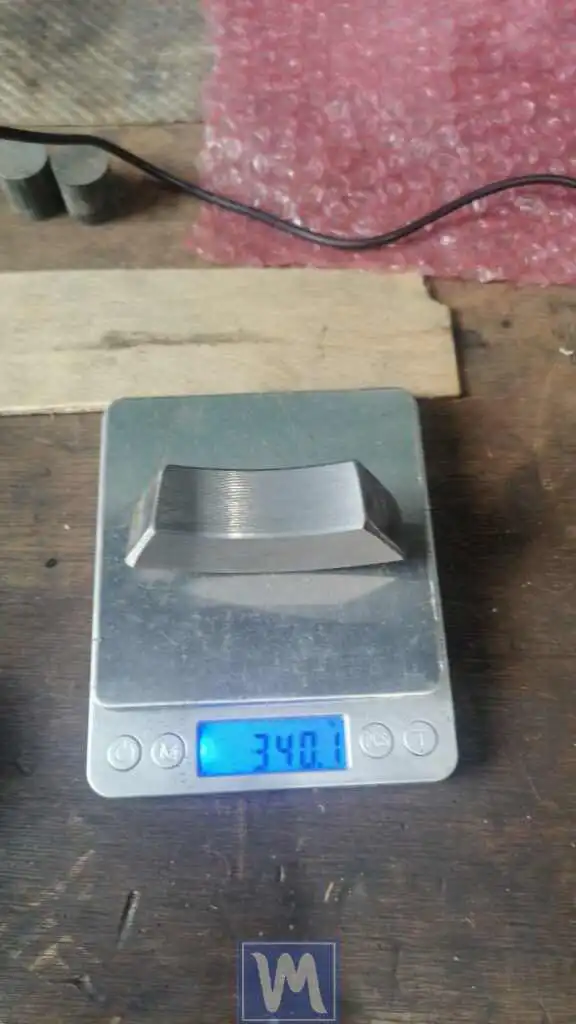
- התאמות איזון: לאחר ריצות הניסיון עם משקל הניסיון, מכשיר ה-Balanset-1A שלנו הצביע על הצורך בהוספת 3100 גרם בצד אחד של הציר ו-4300 גרם בצד השני, בהתאמה לתיקונים ב שני מישורים. לאחר התאמות אלה, רמות הרעידה ירדו ל-2 מ״מ/שנייה ו-4 מ״מ/שנייה.
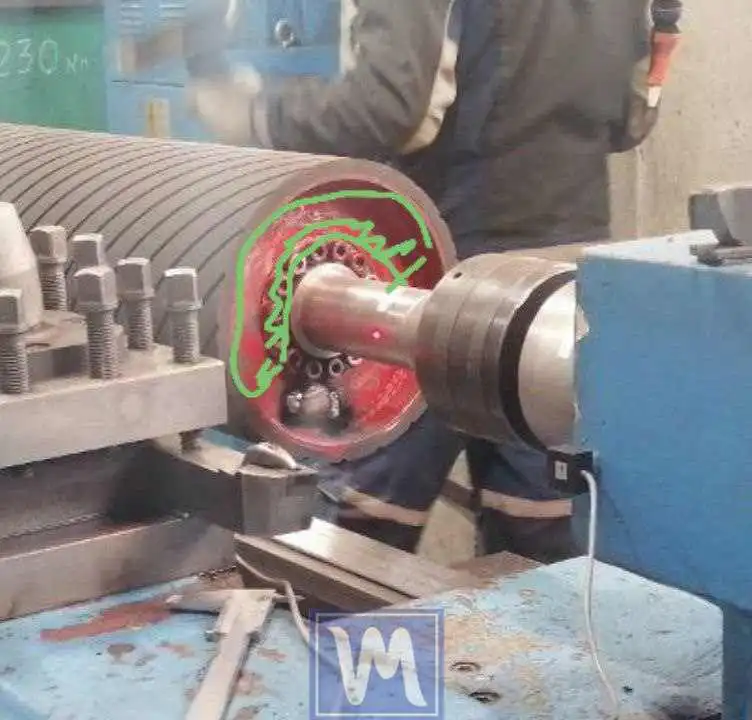
איזון דינמי באתר של פירים מגומיים באמצעות מכונת מחרטה
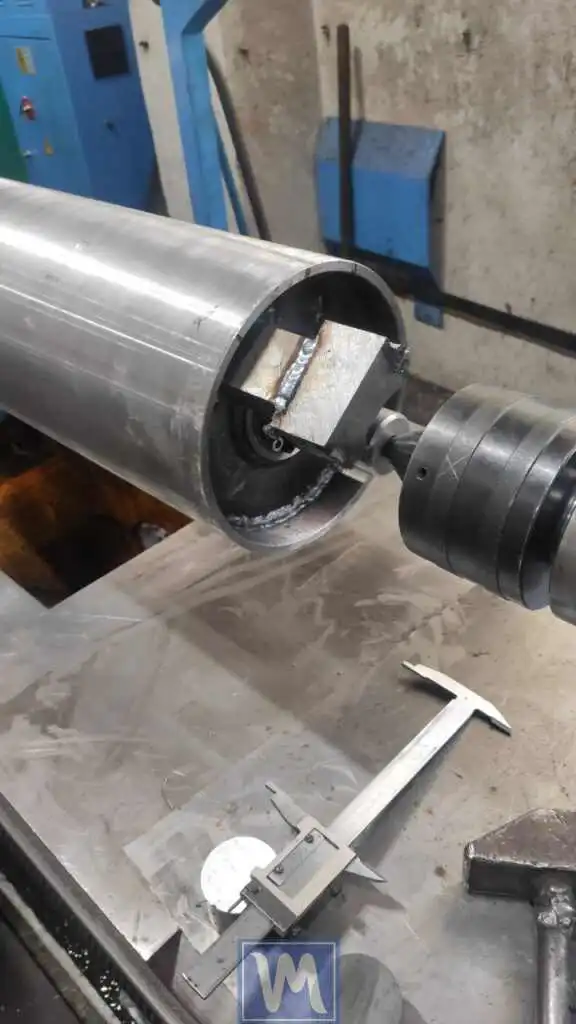
איזון דינמי באתר של פירים מגומיים באמצעות מכונת מחרטה
- כיוונון עדין: כדי לייעל עוד יותר את התוצאות, המשכנו והוספנו משקלים של 400 גרם ו-700 גרם. לאחר מכן, בוצע סבב נוסף של כיוונון עדין על ידי הוספת 200 גרם ו-400 גרם. עקב מגבלות מרחב, המשקלים רותכו זה על גבי זה. בסופו של דבר, משקלים זמניים אלה הוחלפו במשקלי נגד חתוכים בדיוק, נאים מבחינה אסתטית, שנוצרו במיוחד עבור גל זה. קריאות הרעידה הסופיות היו מרשימות ברמה של 0.1 מ״מ/שנייה בשני המישורים (מספר מעוגל — מתחת ל-1 מ״מ/שנייה המכשיר עצמו מציג קריאות עד שלוש ספרות עשרוניות).
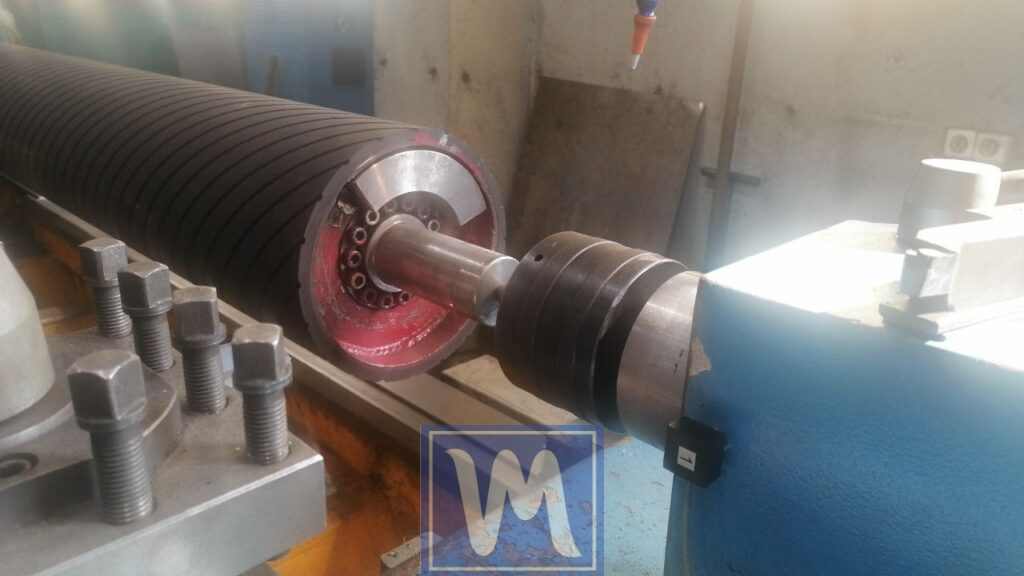
איזון דינמי באתר של פירים מגומיים באמצעות מכונת מחרטה
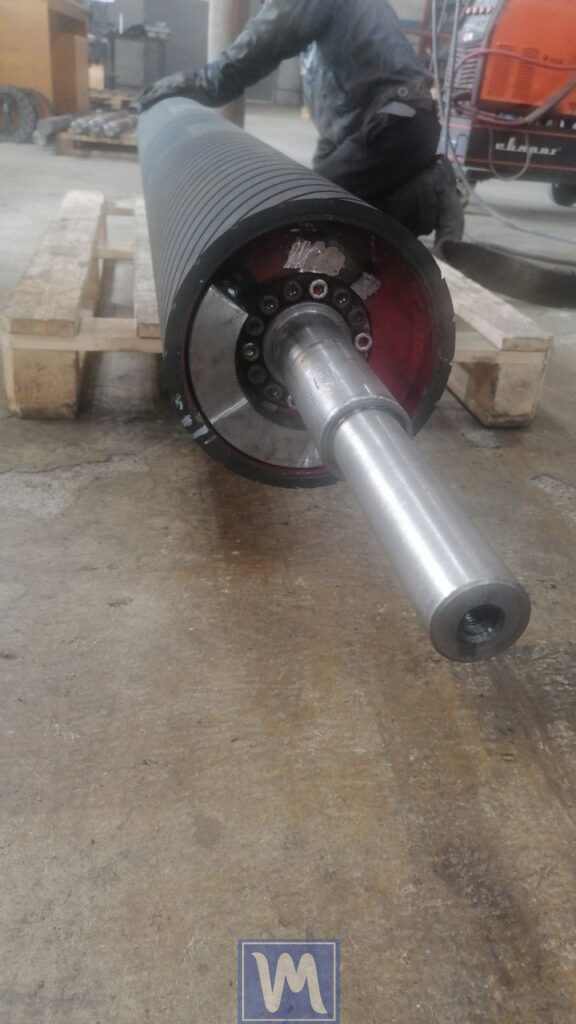
איזון דינמי באתר של פירים מגומיים באמצעות מכונת מחרטה
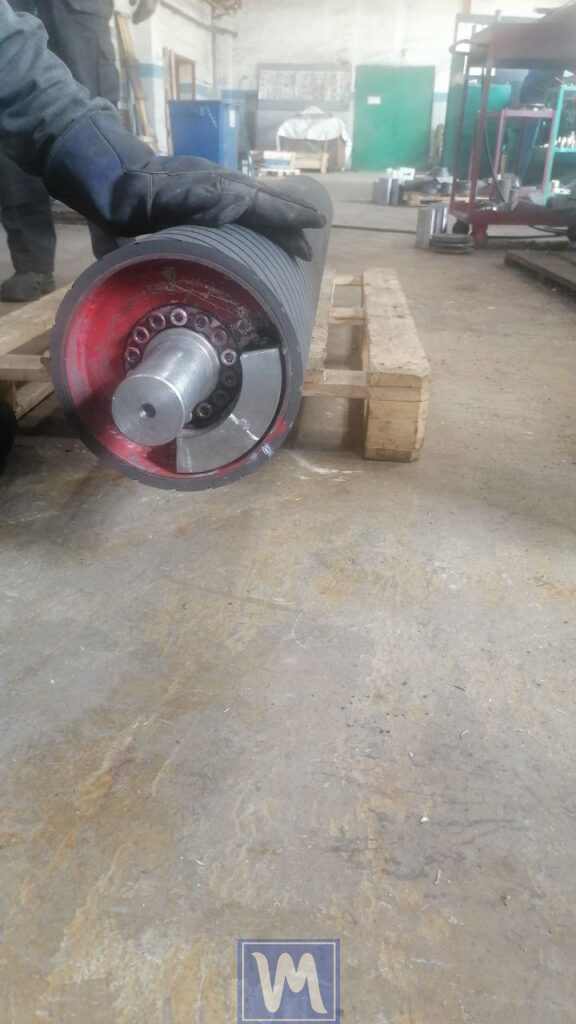
איזון דינמי באתר של פירים מגומיים באמצעות מכונת מחרטה

יתרונות איזון הרוטורים במחרטות
יעילות כלכלית
שימוש במחרטה לאיזון חוסך את הוצאות רכישת ציוד איזון מיוחד.
נוחות
ניתן לבצע איזון ישירות במהלך תהליך הייצור של הרוטור, ובכך להפחית את זמן הייצור.
איכות גבוהה
מאזנים ניידים מודרניים, כגון ה-Balanset-1A, מספקים דיוק איזון גבוה, המאפשר רמות רטט נמוכות ושיפור איכות המוצר.
סיכום
איזון רוטורים במחרטות הוא פתרון יעיל וחסכוני עבור עסקים המעוניינים לשפר את איכות המוצר ולהפחית את עלויות הייצור. השימוש במאזנים ניידים כמו ה-Balanset-1A הופך את התהליך הזה לפשוט ונגיש, אפילו עבור בתי מלאכה קטנים.
תזכורות חשובות
- כדי להשיג את התוצאות הטובות ביותר, מומלץ להשתמש במכשירי מדידה איכותיים ולפעול בקפדנות על פי נוהל האיזון. ניתן להעריך את הערך המותר חוסר איזון שיורי לרוטור שלך בעזרת מחשבון חוסר איזון שיורי (ISO 1940).
איזון רוטורים על מחרטות הוא צעד לקראת עתיד הייצור שלכם, ומשתלם באמצעות שיפור איכות המוצר, הפחתת עלויות והגברת התחרותיות של העסק שלכם.

Nikolai Shelkovenko
Nikolai Shelkovenko הוא מהנדס ניתוח רעידות, ומייסד ומנכ״ל Vibromera. יותר מ-15 שנה הוא מאזן ציוד מסתובב בשטח ולא על שולחן בדיקה: מגרסות ענפים, מאווררים תעשייתיים, מגרסות, צנטריפוגות, פירים וצירים. מתוך העבודה הזו צמחו מכשירי Balanset — הם תוכננו ככלי שמומחה יכול לשאת אל המכונה ולהפעיל לבדו, במקום, ולא כציוד מעבדה. Vibromera נוסדה ב-2017 ומאז 2023 מקום מושבה בפורטו, פורטוגל. הפיתוח, ההרכבה והתמיכה של קו Balanset מתבצעים כולם כאן. המכשיר המוביל הוא Balanset-1A, מכשיר ניתוח נייד לאיזון במישור אחד ובשני מישורים ולאבחון רעידות. Nikolai מעורב אישית בתמיכת הלקוחות, בטיפול במקרי איזון מורכבים ובפיתוח התוכנה. הוא עובד עם לקוחות ברחבי העולם, בכל שפה.


0 הערות