Балансування роторів на токарних верстатах: Економічно ефективне рішення для підвищення якості продукції
У сучасному виробництві, де якість продукції має першочергове значення, балансування ротора стає невід’ємною частиною технологічного процесу. Однак придбання спеціалізованого балансувального обладнання може виявитися занадто дорогим для малих та середніх підприємств. У цій статті ми розглянемо можливість використання токарних верстатів для ротор балансування, що дозволяє істотно знизити витрати на обладнання та підвищити ефективність виробництва.
Токарний верстат як інструмент для балансування
Токарний верстат завдяки своїй конструкції та функціональності може успішно використовуватися для балансування роторів різних типів і розмірів. Головна перевага цього підходу — економія коштів, оскільки не потрібно купувати дороге спеціалізоване обладнання. Крім того, використання токарного верстата дозволяє виконувати балансування безпосередньо під час виготовлення ротора, що скорочує час виробництва і покращує якість виробу.
Підготовка до балансування
Перед початком процесу балансування необхідно зробити кілька підготовчих кроків:
- Обираємо відповідний токарний верстат: Токарний верстат повинен мати достатню жорсткість і точність, щоб забезпечити надійне кріплення ротора і точні вимірювання вібрації.
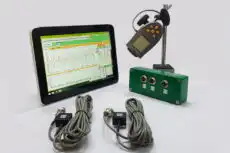
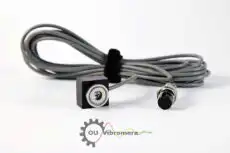
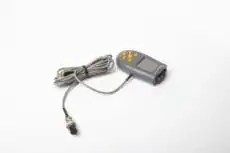
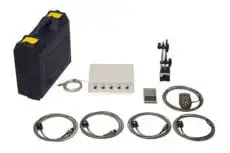
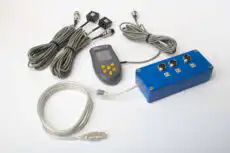
- Встановлення вимірювальної системи: Для вимірювання вібрації ротора вібрація на токарному верстаті можна використовувати портативний балансувальний прилад, такий як Balanset-1A можна використовувати. До його складу входять датчики вібрації, тахометр, а також програмне забезпечення для аналізу даних та розрахунку коригувальної маси.
- Усунення власного дисбалансу шпинделя: Вам не потрібно балансувати сам шпиндель токарного верстата. Запустіть верстат лише з патроном (ротор знято) і зафіксуйте вектор вібрації: це базовий рівень, що вносять шпиндель і патрон. Якщо це значна частка показника ротора, або відніміть його, або — краще — використайте індексний запуск на 180° (функція “Mandrel eccentricity elimination”, “F7 - Run Ecc”), яка автоматично відокремлює все, що не обертається разом з ротором.
- Узгодження ротора з машиною, а не зі шпинделем: Важливо, що сила дисбалансу ротора створює вимірювану реакцію на корпусах підшипників. Важкий, жорсткий токарний верстат реагує дуже слабко на кожен грам дисбалансу, тому на дуже легкому роторі сигнал губиться в шумі, а дуже важкий ротор може перевищити номінальне навантаження патрона чи підшипників. На практиці перевірте, що правильно підібраний пробний вантаж дає чисту, повторювану зміну амплітуди і фази, перш ніж довіряти будь-якому коефіцієнту впливу.
- Перевірка биття гумового покриття перед балансуванням: На гумованому валу дисбаланс маси і геометричне биття покриття — це два різні дефекти. Балансування усуває силу 1×; воно не може зробити ексцентричне чи овальне покриття круглим. Приставте індикатор годинникового типу до покритої поверхні і поверніть вал вручну: якщо сумарне індиковане биття перевищує допуск виробу, спочатку прошліфуйте або проточіть покриття концентрично — на тому ж токарному верстаті — і лише потім балансуйте. Вал, який збалансований, але все ще має биття, продовжуватиме давати смуги на калібрі, смуги і коливання притискного тиску, незалежно від того, наскільки низьким стане показник вібрації.
У цій статті я детально розповім про наш досвід та методологію в динамічне балансування гумовані вали на токарному верстаті – рішення, щодо якого, зізнаюся, я спершу скептично ставився через притаманну жорсткість і значну вагу такого обладнання. Дивовижно, але операція пройшла бездоганно, досягнувши класу якості балансу G 6.3 (ISO 21940-11, раніше ISO 1940-1).
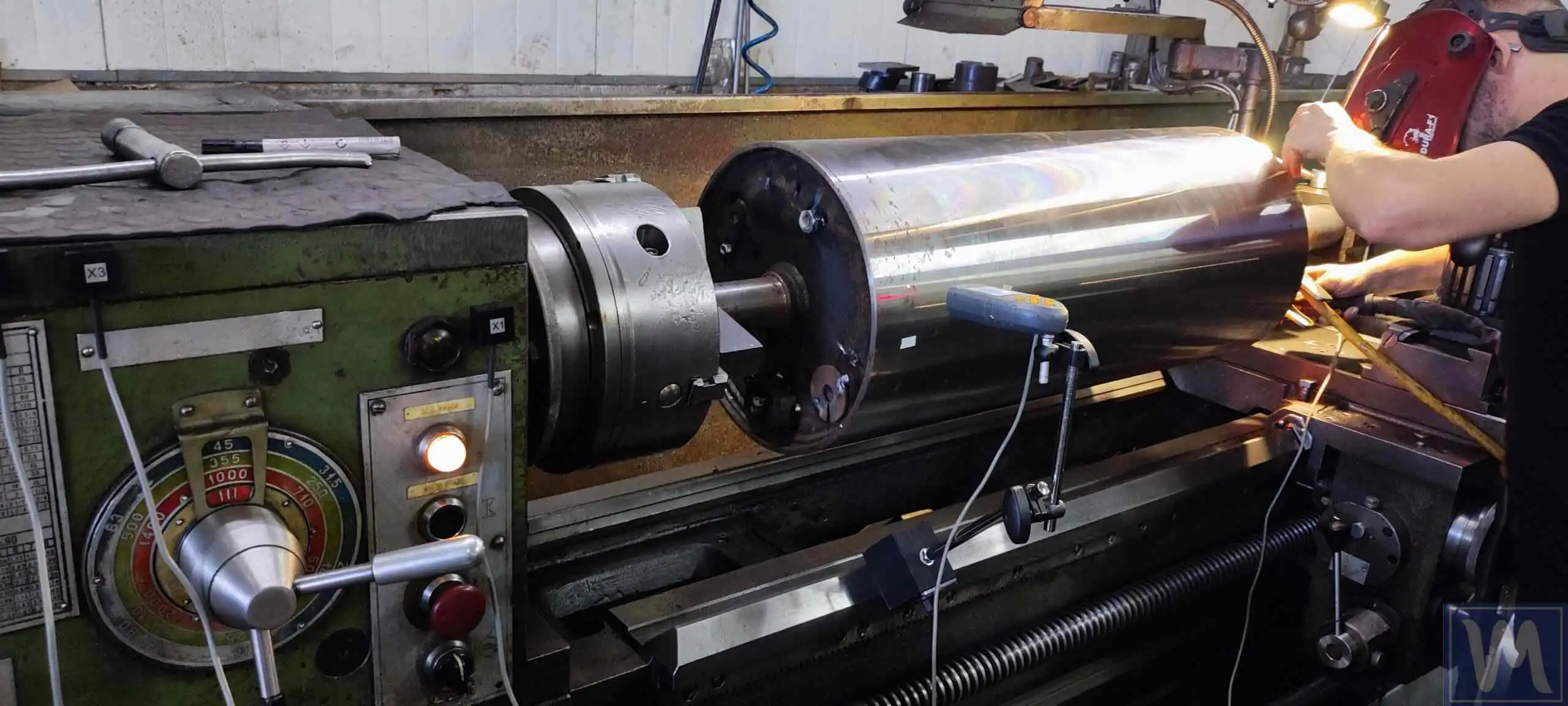
Процес балансування ротора на токарному верстаті в теорії
Процес балансування ротора на токарному верстаті включає наступні етапи:
Закріплення ротора
Ротор надійно закріплений в патроні токарного верстата або на центрах для забезпечення стабільності під час процесу балансування.
Встановлення датчиків
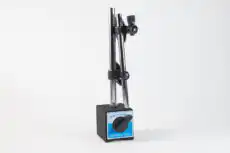
Встановіть по одному датчику вібрації на кожну площину корекції — один на корпус підшипника передньої бабки і один на корпус задньої бабки чи люнета — радіально, якомога ближче до підшипника, на чистій обробленій металевій поверхні через магнітну основу. Не встановлюйте датчики на станину верстата, фартух чи захисний кожух: там сигнал 1× послаблений і в ньому домінує конструкція. Приклейте світловідбиваюча стрічка на металевій поверхні (торці вала або патроні), а не на гумовому покритті, і спрямуйте лазерний тахометр перпендикулярно до неї.
Вимірювання початкової вібрації
Початковий рівень вібрації вимірюється на швидкості, яку ви використовуватимете для всієї роботи. Усі запуски — Run 0, пробні запуски й тримувальний запуск — повинні виконуватися на одній і тій самій швидкості, оскільки коефіцієнти впливу дійсні лише для швидкості, на якій їх було виміряно.
Врахування ексцентриситету (одразу після Run 0)
Затискач та оправка ексцентричність додає до показника Run 0 вектор, який не є дисбалансом, і коригувати його було б помилкою. Розберіться з цим до пробного вантажу, а не після: позначте прапорець “Mandrel eccentricity elimination” у програмі «Balanset-1A», виконайте Run 0, потім поверніть ротор на 180° у пристрої і натисніть “F7 - Run Ecc”. Програма бере половину суми векторів як ексцентриситет, а половину різниці векторів — як справжній дисбаланс, і лише тоді розблоковує пробний запуск. Виконання цього після того, як коригувальні вантажі вже приварені, означає необхідність перерахунку і повторення робіт.
Якою має бути пробна вага?
Безпечна відправна точка — вага, у якої відцентрова сила залишається в межах 5–10 % ваги ротора. У вигляді формули:
mtrial = k · M · g / (R · ω²), k = 0.05–0.10
де M — маса ротора (кг), g = 9.81 m/s², Р — радіус установлення вантажу (м), а ω = 2π·RPM/60 (рад/с). Приклад: ротор 50 кг на швидкості 3000 об/хв із вантажем на R = 0,2 м дає m ≈ 0,07·50·9,81/(0,2·314²) ≈ 1.7 g — грами, а не сотні грамів. Це виглядає напрочуд мало для ротора 50 кг, але перевірте силу: при 3 000 об/хв ці 1,7 г вже тягнуть із силою F = m·R·ω² ≈ 34 Н — приблизно 7% від маси ротора. Сенс у тому, щоб починати з малого: збільшувати дешево, а надмірний вантаж — це реальне навантаження на підшипники і зварні шви. Та сама перевірка сили працює і в зворотному напрямку для будь-якого вантажу, який ви збираєтеся прикрутити.
Вам не потрібно рахувати це вручну: програмне забезпечення Balanset включає Оцінювання першого пробного вантажу яка рекомендує і масу, і початковий кут на основі даних вашого ротора, а Ударний тест щоб перевірити, що ви не працюєте поблизу власної частоти.
Хороша пробна вага змінює показання щонайменше на 20–30% за амплітудою або на 20–30° за фазою. Якщо відгук менший, збільшуйте вагу поступово — ніколи не переходьте одразу до важкого вантажу, “щоб побачити хоч якийсь ефект.”
Встановлення пробної маси
A пробний вантаж відомої маси встановлюється на ротор, і вібрація вимірюється знову. Для двоплощинного балансування це робиться по черзі в кожній площині — пробний запуск з вантажем у площині 1 (Run 1), потім пробний запуск з вантажем у площині 2 (Run 2) — щоб програма могла окремо виміряти вплив кожної площини корекції.
Розрахунок коригувальних мас
Програмне забезпечення Balanset-1A аналізує результати вимірювань і розраховує необхідні коригувальні маси та кути їх розміщення.
Корекція маси ротора
Залежно від конструкції ротора та можливостей токарного верстата, корекцію маси можна виконати свердлінням, фрезеруванням, зварюванням або іншими методами.
Перевірка балансування
Після внесення коректив проводиться контрольне вимірювання вібрації. За необхідності процес повторюється, поки не буде досягнутий необхідний рівень балансу.
Динамічне балансування на практиці
- Частота обертання: Зазвичай робоча швидкість обертання цих валів становить від 300 до 500 обертів за хвилину (об/хв). У цьому конкретному випадку ми виконали балансування на 550 об/хв.
- Налаштування: Прогумований вал був встановлений на токарному верстаті, після чого відбулося стратегічне розміщення датчиків, як показано на супровідних фотографіях.
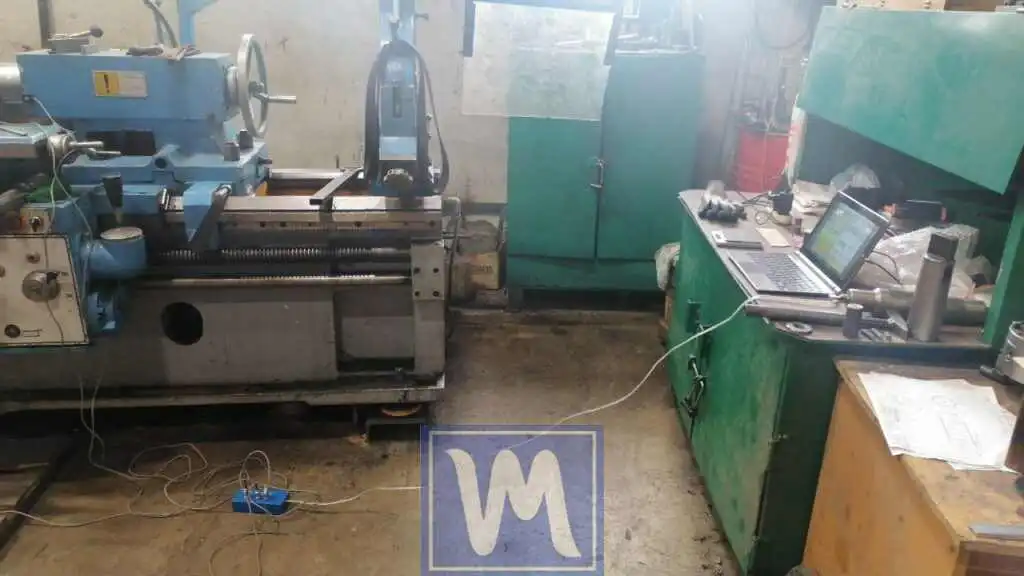
Динамічне балансування прогумованих валів на місці за допомогою токарного верстата
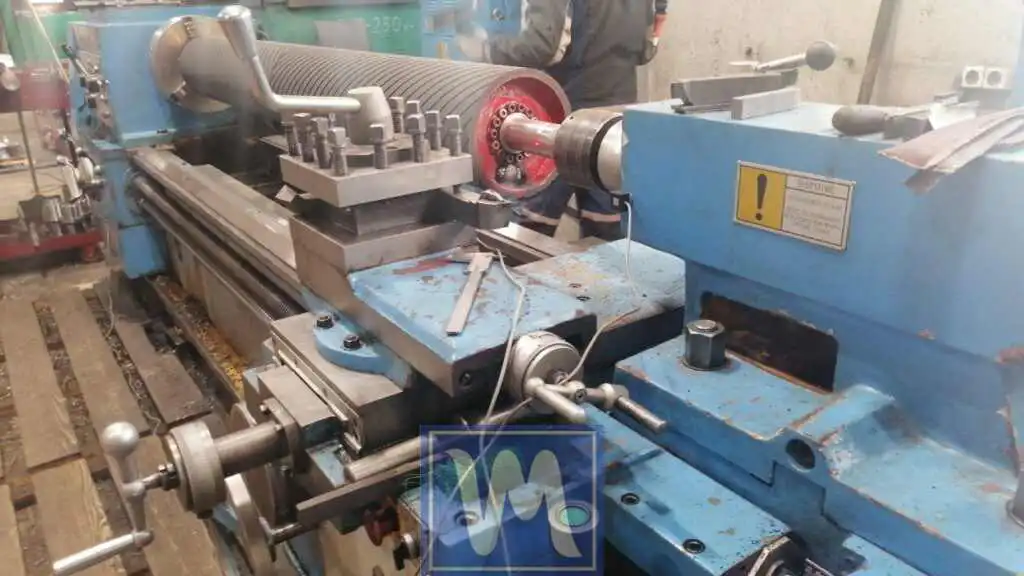
Динамічне балансування прогумованих валів
- Початкові показники вібрації: Перед балансуванням початковий показники вібрації становили 9 мм/с та 17 мм/с.
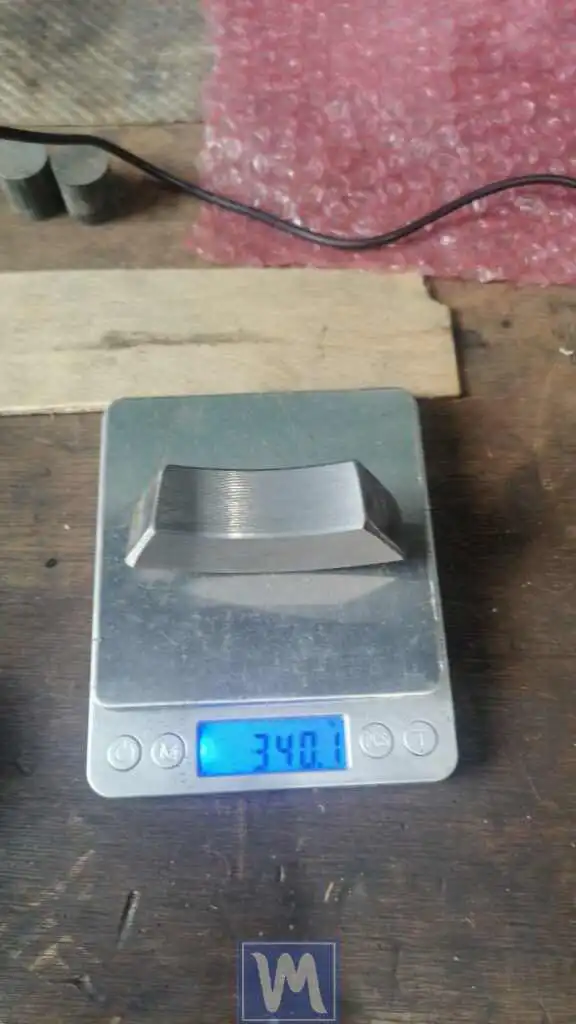
- Пробні запуски: Робота у двох площинах потребує пробного запуску в кожній площині по черзі — Run 1 із вантажем у площині 1, потім Run 2 із вантажем у площині 2. Пробну масу 340 грамів було приварено; вона змінила вібрацію та фаза показники приблизно на 10 %. Вважайте таку реакцію абсолютним мінімумом: для чіткого, впевненого вимірювання ми зазвичай прагнемо пробної маси, яка зміщує вектор вібрації на 25–50 %, але важкий, жорсткий токарний верстат реагує дуже слабко на кожен грам пробної маси.
- Регулювання балансу: Після пробних запусків із пробною масою наш прилад Balanset-1A показав необхідність додавання 3100 грамів з одного боку вала та 4300 грамів з іншого, що відповідає корекціям у дві площини. Після цих коригувань рівні вібрації знизилися до 2 мм/с та 4 мм/с.
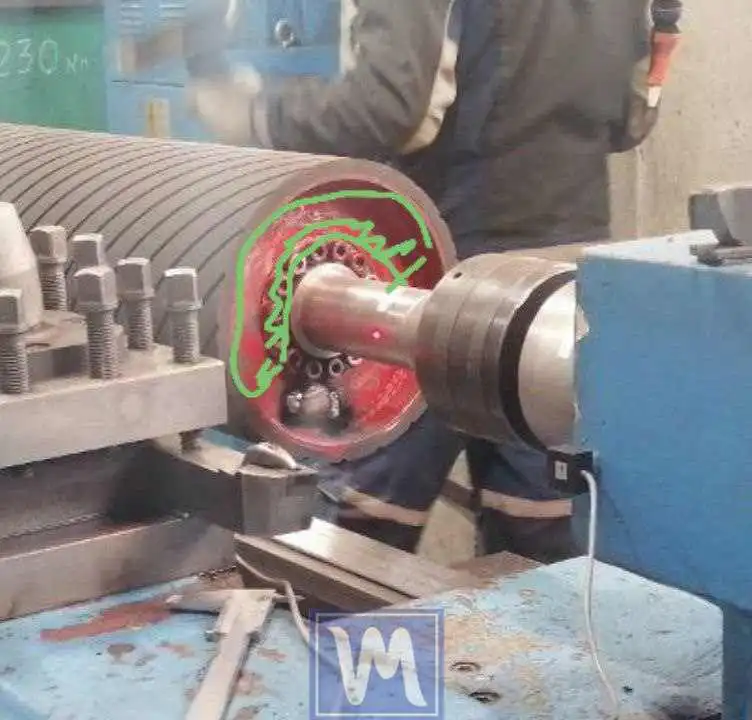
Динамічне балансування прогумованих валів на місці за допомогою токарного верстата
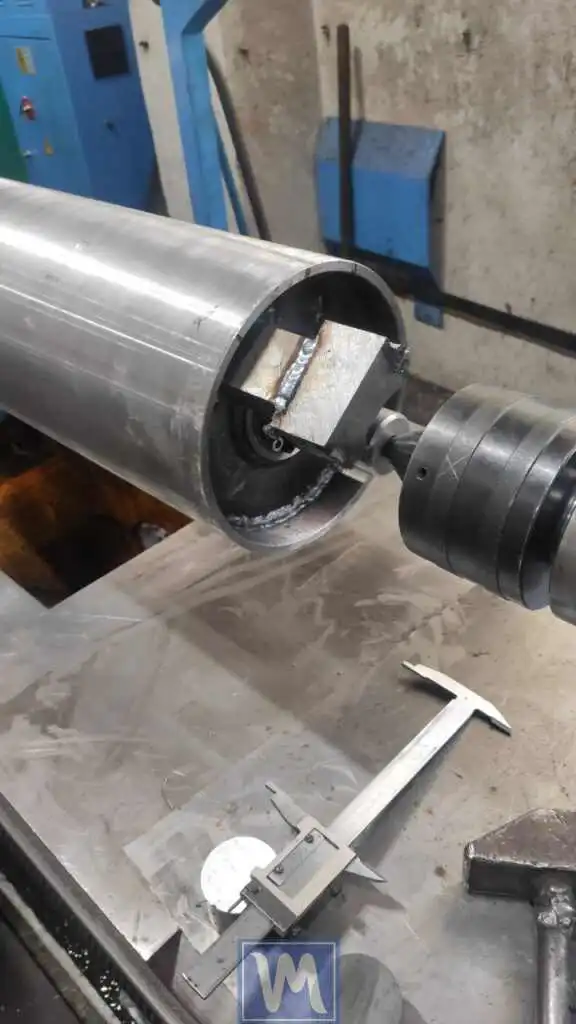
Динамічне балансування прогумованих валів на місці за допомогою токарного верстата
- Точне налаштування: Для подальшої оптимізації результатів ми додали вантажі по 400 грамів і 700 грамів. Потім було виконано ще один етап точного налаштування, додавши 200 грамів і 400 грамів. Через обмеження простору вантажі приварювалися один на інший. Зрештою ці тимчасові вантажі були замінені точно вирізаними, естетично привабливими противагами, виготовленими спеціально для цього вала. Кінцеві показники вібрації в обох площинах становили вражаючі 0,1 мм/с (округлене значення — нижче 1 мм/с прилад сам показує значення з точністю до трьох знаків після коми).
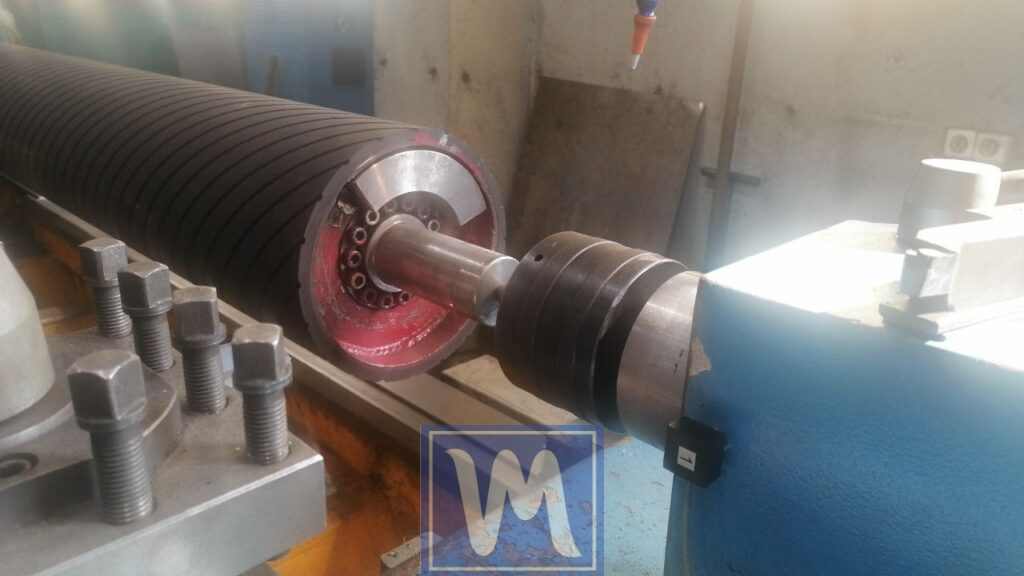
Динамічне балансування прогумованих валів на місці за допомогою токарного верстата
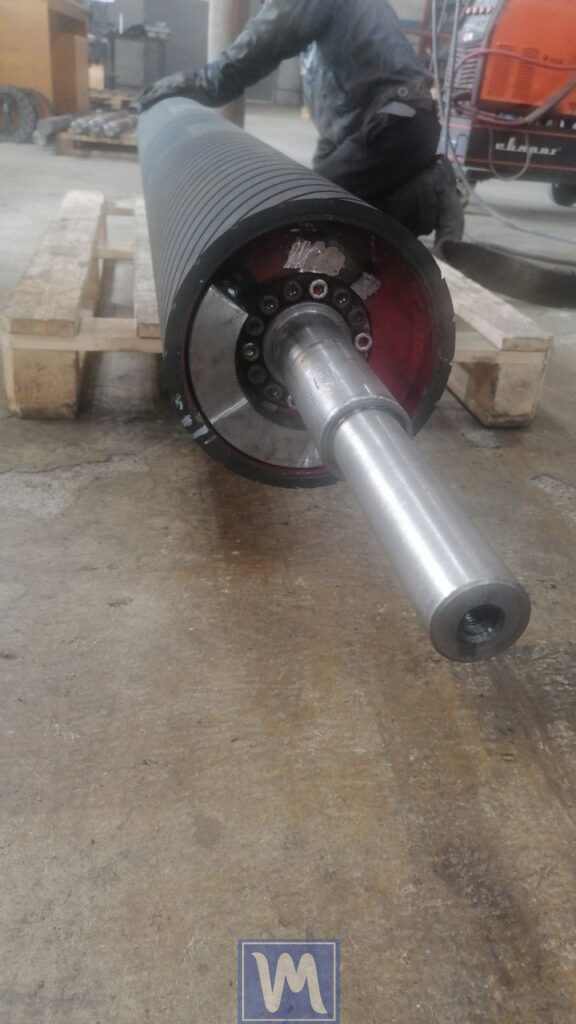
Динамічне балансування прогумованих валів на місці за допомогою токарного верстата
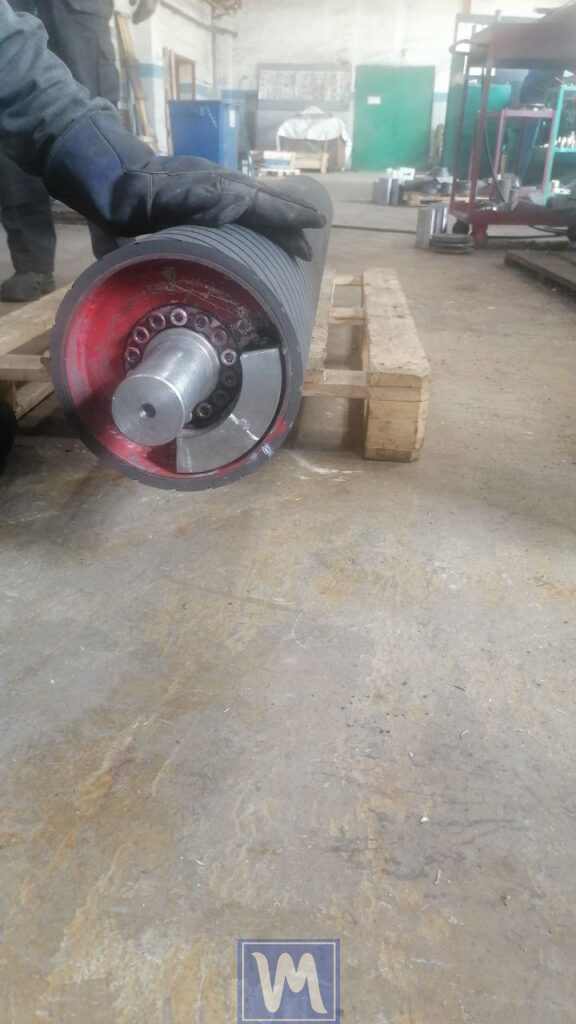
Динамічне балансування прогумованих валів на місці за допомогою токарного верстата

Переваги балансування ротора на токарних верстатах
Економічна ефективність
Використання токарного верстата для балансування дозволяє уникнути витрат на придбання спеціалізованого балансувального обладнання.
Зручність
Балансування можна виконувати безпосередньо в процесі виробництва ротора, що скорочує час виробництва.
Висока якість
Сучасні портативні балансувальні пристрої, такі як Balanset-1A, забезпечують високу точність балансування, що дозволяє знизити рівень вібрації та підвищити якість продукції.
Висновок
Балансування роторів на токарних верстатах — це ефективне та економічне рішення для підприємств, які прагнуть підвищити якість продукції та знизити виробничі витрати. Використання портативних балансувальних приладів, таких як Balanset-1A, робить цей процес простим і доступним навіть для невеликих майстерень.
Важливі нагадування
- Для досягнення найкращих результатів рекомендується використовувати високоякісні вимірювальні прилади та суворо дотримуватися процедури балансування. Ви можете оцінити допустимі залишковий дисбаланс для вашого ротора за допомогою нашого калькулятор залишкового дисбалансу (ISO 1940).
Балансування роторів на токарних верстатах - це крок у майбутнє вашого виробництва, який окупиться завдяки підвищенню якості продукції, зниженню витрат і підвищенню конкурентоспроможності вашого бізнесу.

Nikolai Shelkovenko
Nikolai Shelkovenko — інженер з аналізу вібрації, а також засновник і генеральний директор «Vibromera». Понад 15 років він балансує обертове обладнання в польових умовах, а не на випробувальному стенді: мульчувачі, промислові вентилятори, дробарки, центрифуги, вали та шпинделі. Саме з цієї роботи народилися прилади «Balanset» — вони створювалися як інструмент, який фахівець може принести до машини й використовувати самостійно, на місці, а не як лабораторне обладнання. «Vibromera» заснована у 2017 році, з 2023 року базується в Порту, Португалія. Розробка, складання та підтримка лінійки «Balanset» відбуваються саме тут. Флагманський прилад — «Balanset-1A», портативний аналізатор для одно- та двоплощинного балансування і вібраційної діагностики. Nikolai особисто бере участь у підтримці клієнтів, вирішенні складних випадків балансування та розробці програмного забезпечення. Він працює з клієнтами по всьому світу, будь-якою мовою.


0 Коментарі