← Βάση Γνώσεων Balanset-1A — όλα τα κεφάλαια
Αυτό προϋποθέτει ότι το μηχάνημα έχει προετοιμαστεί σύμφωνα με το κεφάλαιο 04: ρουλεμάν χωρίς τζόγο, συγκολλημένα καλύμματα, τοποθετημένοι αισθητήρες και ταχύμετρο, σταθερές ενδείξεις.
Ρύθμιση λογισμικού
- Δημιουργήστε/επιλέξτε τον ρότορα στη βάση δεδομένων του προγράμματος.
- Επιλέξτε τη λειτουργία: 1 ή 2 επίπεδα.
- Συμπληρώστε — υποχρεωτικό:
- τη μάζα του δοκιμαστικού βάρους (ζυγίστε το!)·
- η ακτίνα τοποθέτησης βάρους (αφήστε το κενό και τα αποτελέσματα βγαίνουν σε ποσοστό, όχι σε γραμμάρια)·
- τον διακόπτη g (γραμμάρια), όχι %·
- τη μέθοδο διόρθωσης: προσθήκη βάρους (συγκόλληση) ή αφαίρεση υλικού (διάτρηση). Ελέγξτε το πλαίσιο επιλογής, καθώς καθορίζει το πρόσημο του αποτελέσματος·
- τον αριθμό των μέσων όρων: 8 για γρήγορη ματιά, 32–64 για ζυγοστάθμιση (όσο πιο ασταθές το μηχάνημα, τόσο περισσότερο).
- Μέθοδος τοποθέτησης βάρους: ελεύθερες θέσεις (οποιαδήποτε γωνία), σταθερές θέσεις (πτερύγια/μπουλόνια — το πρόγραμμα διαμοιράζει το βάρος μεταξύ δύο γειτονικών θέσεων), κυκλική αύλακα, διάτρηση.
Η σειρά μετρήσεων (2 επίπεδα)
Run 0 — η αρχική μέτρηση. Μηχάνημα στις επιλεγμένες στροφές, μέτρηση χωρίς βάρη. Σημειώστε τα αρχικά πλάτη και φάσεις (V1o, V2o).
Run 1 — δοκιμαστικό βάρος στο επίπεδο 1. Σταματήστε το μηχάνημα, τοποθετήστε το δοκιμαστικό βάρος στο επίπεδο 1 σε σημειωμένη γωνία (οπουδήποτε βολικό — αλλά θυμηθείτε/σημειώστε το σημείο!). Ξεκινήστε και μετρήστε.
- Έλεγχος: το πλάτος ή η φάση άλλαξαν κατά 20–30% ή περισσότερο. Αν η αλλαγή είναι μικρή — το βάρος είναι πολύ μικρό, αυξήστε το.
Run 2 — δοκιμαστικό βάρος στο επίπεδο 2. Αφαιρέστε το βάρος από το επίπεδο 1 (εκτός αν οι ρυθμίσεις λένε «αφήστε το»), τοποθετήστε το στο επίπεδο 2, μετρήστε.
Υπολογισμός. Το πρόγραμμα εξάγει μάζα και γωνία του βάρους διόρθωσης για κάθε επίπεδο (M1/F1, M2/F2).
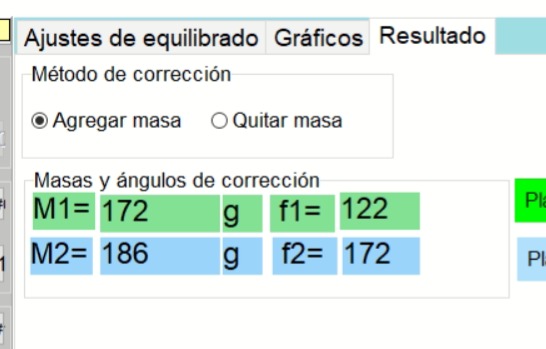
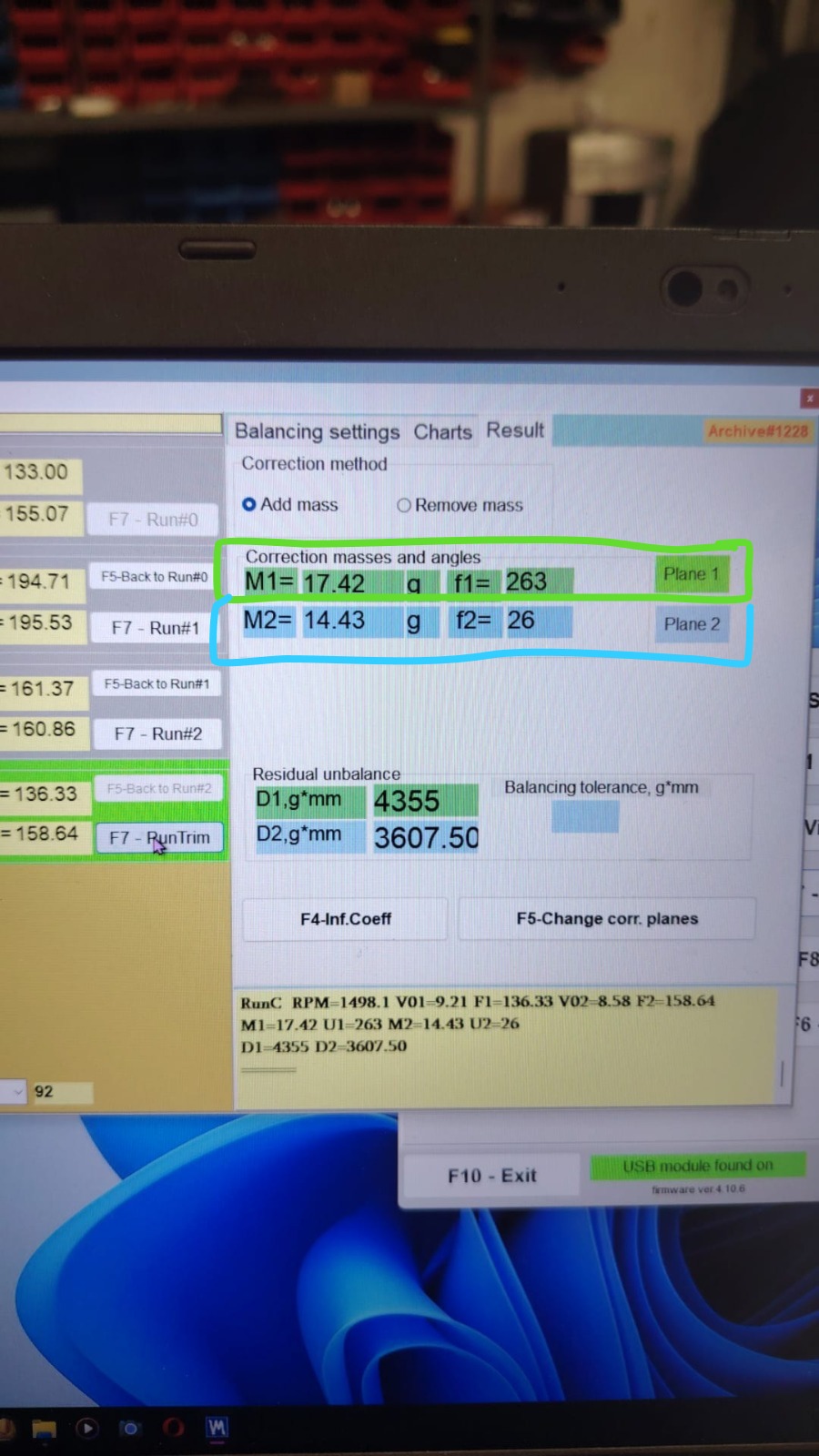
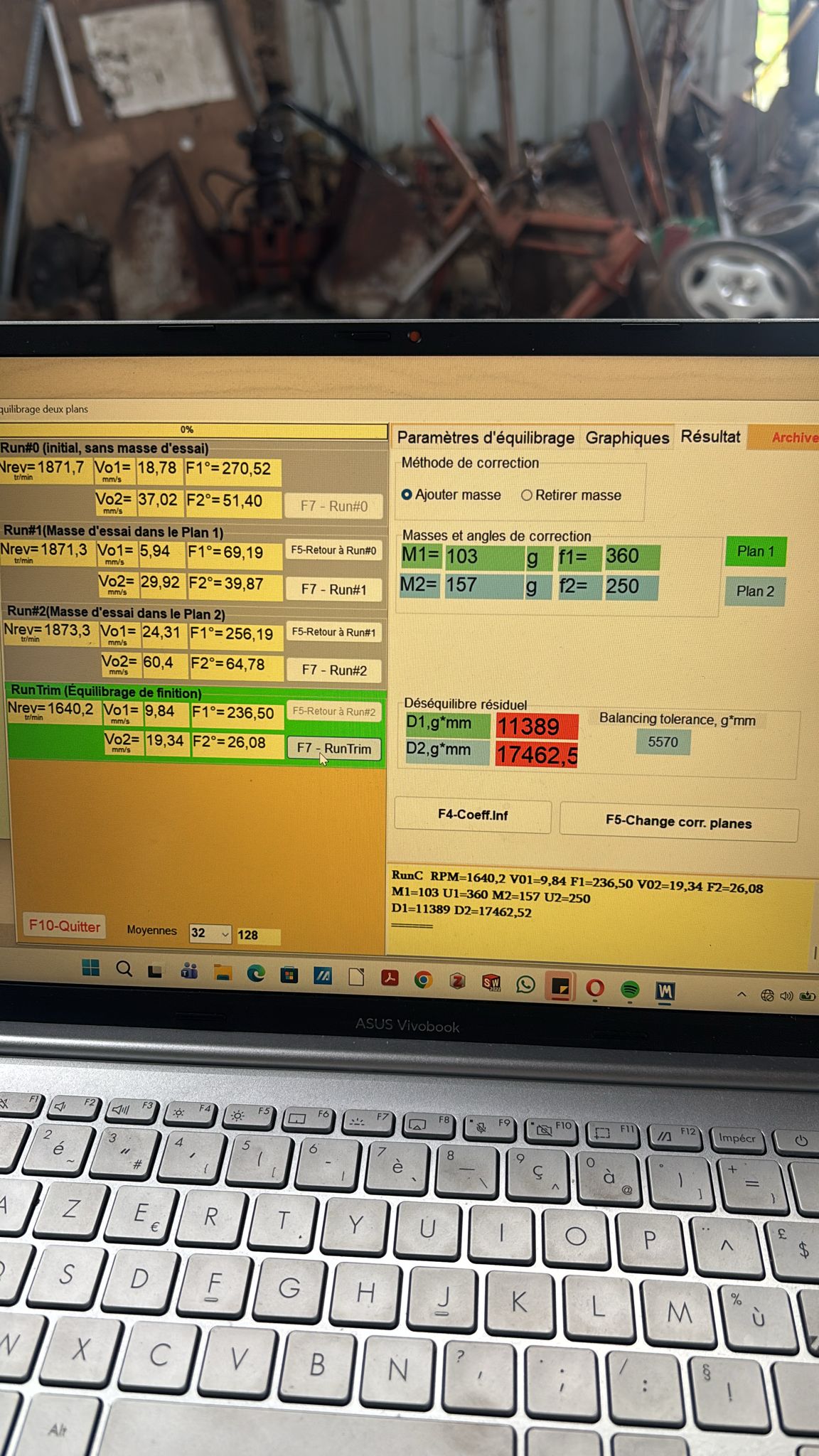
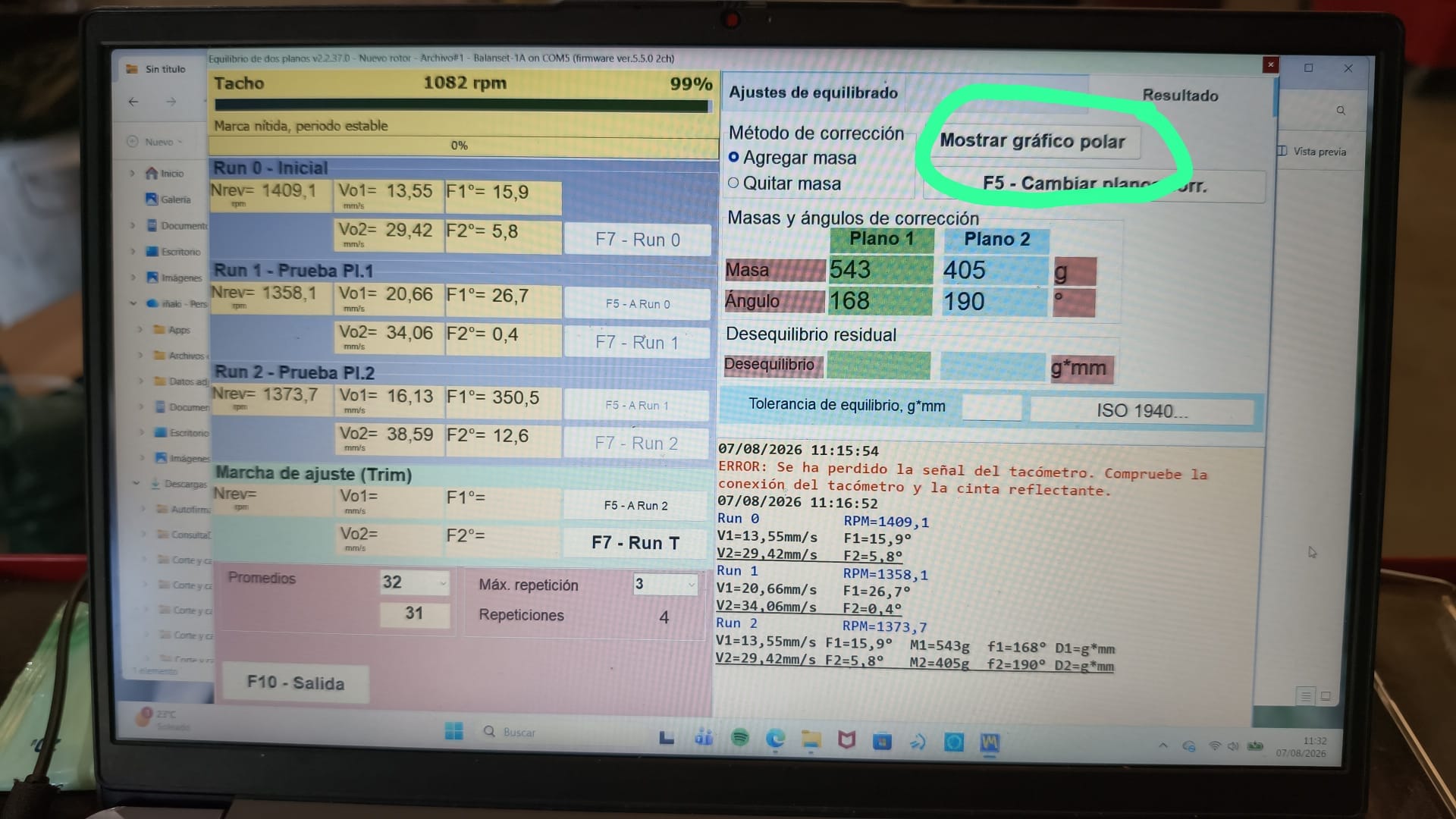
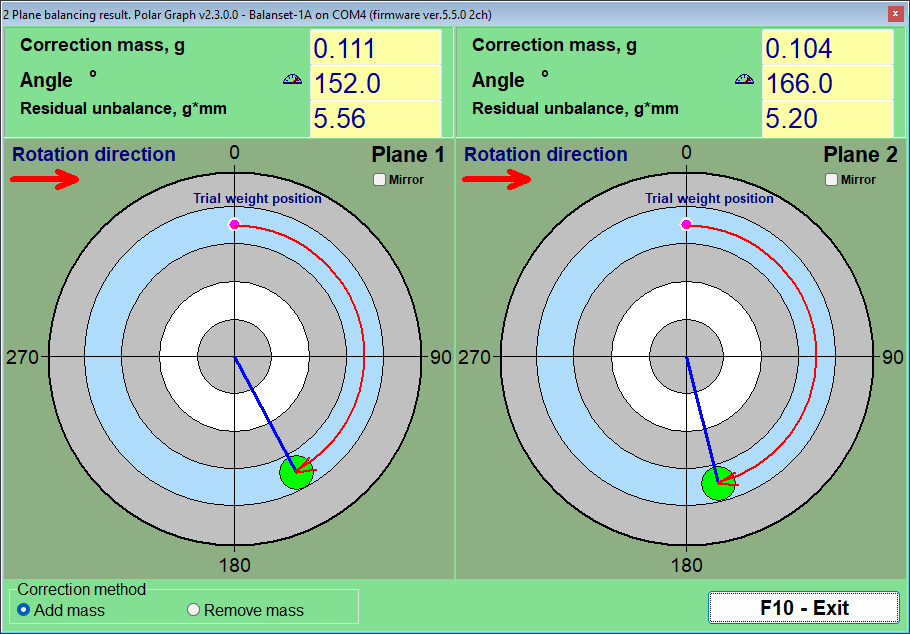
Η ακολουθία μετρήσεων αυτολεξεί από την υποστήριξη: «Run#0 — εκκίνηση του ρότορα χωρίς κανένα βάρος… Run#1 — τοποθέτηση δοκιμαστικού βάρους στο Επίπεδο 1… Run#2 — το δοκιμαστικό βάρος μετακινείται από το επίπεδο 1 στο επίπεδο 2 (όχι προστίθεται επιπλέον!). Μετά το Run#2 αφαιρέστε όλα τα δοκιμαστικά βάρη και τοποθετήστε μόνο τις μάζες διόρθωσης που υπολόγισε το λογισμικό.»
Πώς να μετρήσετε τη γωνία — το πιο σημαντικό σημείο από όλα
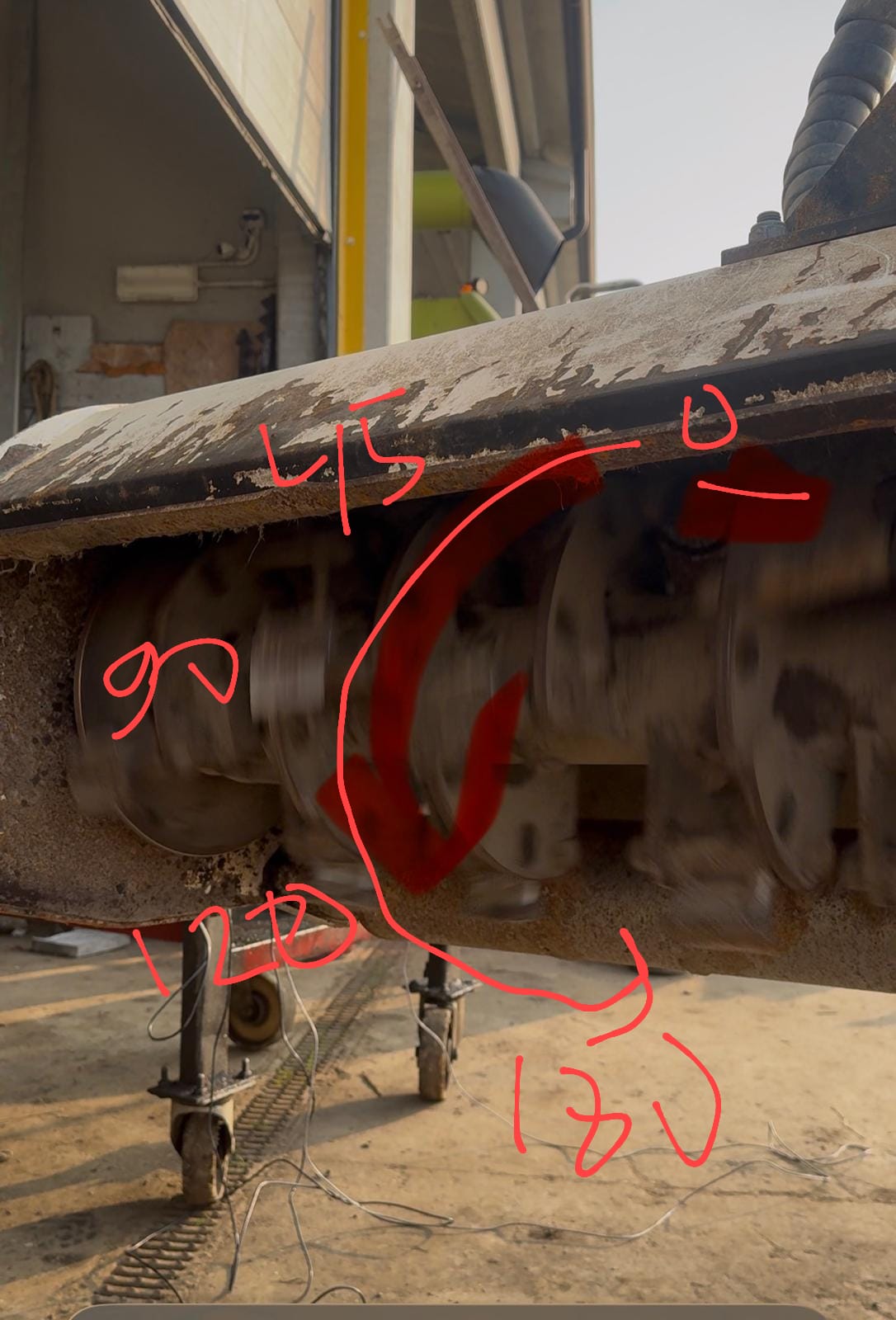
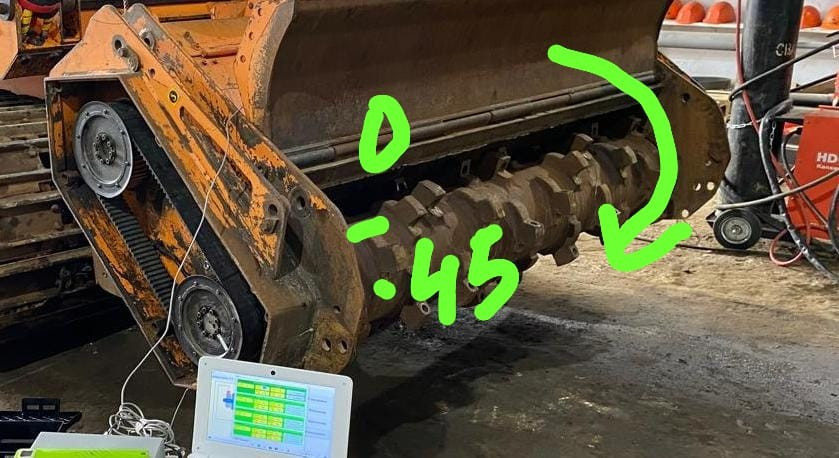
- Η γωνία μετριέται από τη θέση του δοκιμαστικού βάρους, προς την κατεύθυνση περιστροφής του ρότορα.
- Παράδειγμα: το δοκιμαστικό βάρος βρισκόταν στη θέση «12 η ώρα», ο ρότορας περιστρέφεται δεξιόστροφα όπως τον κοιτάζετε και ο υπολογισμός δίνει 90°. Το βάρος διόρθωσης τοποθετείται στη θέση «3 η ώρα».
- Το κλασικό λάθος: μέτρηση αντίθετα από την περιστροφή (τοποθέτηση στις 360−70=290° αντί για 70°) — η δόνηση αυξήθηκε. Αν τα πράγματα χειροτέρεψαν ακριβώς «κατοπτρικά» μετά την τοποθέτηση του βάρους — ελέγξτε την κατεύθυνση μέτρησής σας.
- Με τις «σταθερές θέσεις» (πτερύγια, κοχλίες), το πρόγραμμα δίνει αριθμούς θέσεων (π.χ. Z5) και κατανέμει τη μάζα στις δύο πλησιέστερες.
Τοποθέτηση των διορθωτικών βαρών
- Τοποθετήστε το μισό της υπολογισμένης μάζας (το ένα τρίτο σε φθαρμένα μηχανήματα). Το σύστημα είναι σχεδόν πάντα μη γραμμικό· η πλήρης μάζα συχνά «ξεπερνά τον στόχο». Η συσκευή αναλαμβάνει το υπόλοιπο στην επόμενη επανάληψη.
- Υλικό — χαλύβδινες πλάκες/τετράγωνη ράβδος (π.χ. 20×20 mm), ζυγισμένες στη ζυγαριά.
-
Στερέωση: συγκόλληση, η συνήθης μέθοδος για καταστροφείς και ανεμιστήρες (υπολογίστε ~100 g για τη ραφή)· μπουλόνια ή ροδέλες σε πριτσίνια για λεπτές πτερωτές· κολάρα σωλήνων ως λύση για καρδανικούς άξονες, με ασφάλιση του σπειρώματος. Τα αυτοκόλλητα βάρη αποκολλώνται από βρώμικες ή λαδωμένες επιφάνειες. Το δοκιμαστικό και το διορθωτικό βάρος τοποθετούνται στην ίδια ακτίνα.
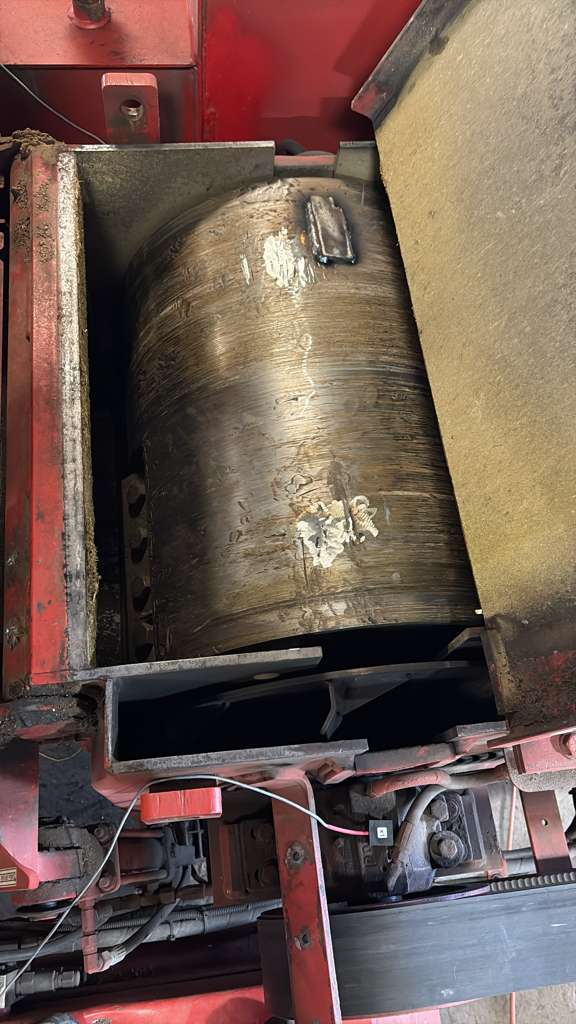
- Η αφαίρεση υλικού (διάτρηση) χρησιμοποιείται όταν η προσθήκη είναι αδύνατη· το πρόγραμμα μπορεί να υπολογίσει «για αφαίρεση» (το πλαίσιο επιλογής).
Η μέτρηση ελέγχου και οι επαναλήψεις
- RunC — μια μέτρηση ελέγχου με τα βάρη τοποθετημένα.
-
Παρακολουθήστε τη μείωση: η συνήθης εξέλιξη είναι μείωση κατά αρκετές φορές μέσα σε 1–2 επαναλήψεις (π.χ. 30 → 7 → 3 mm/s).
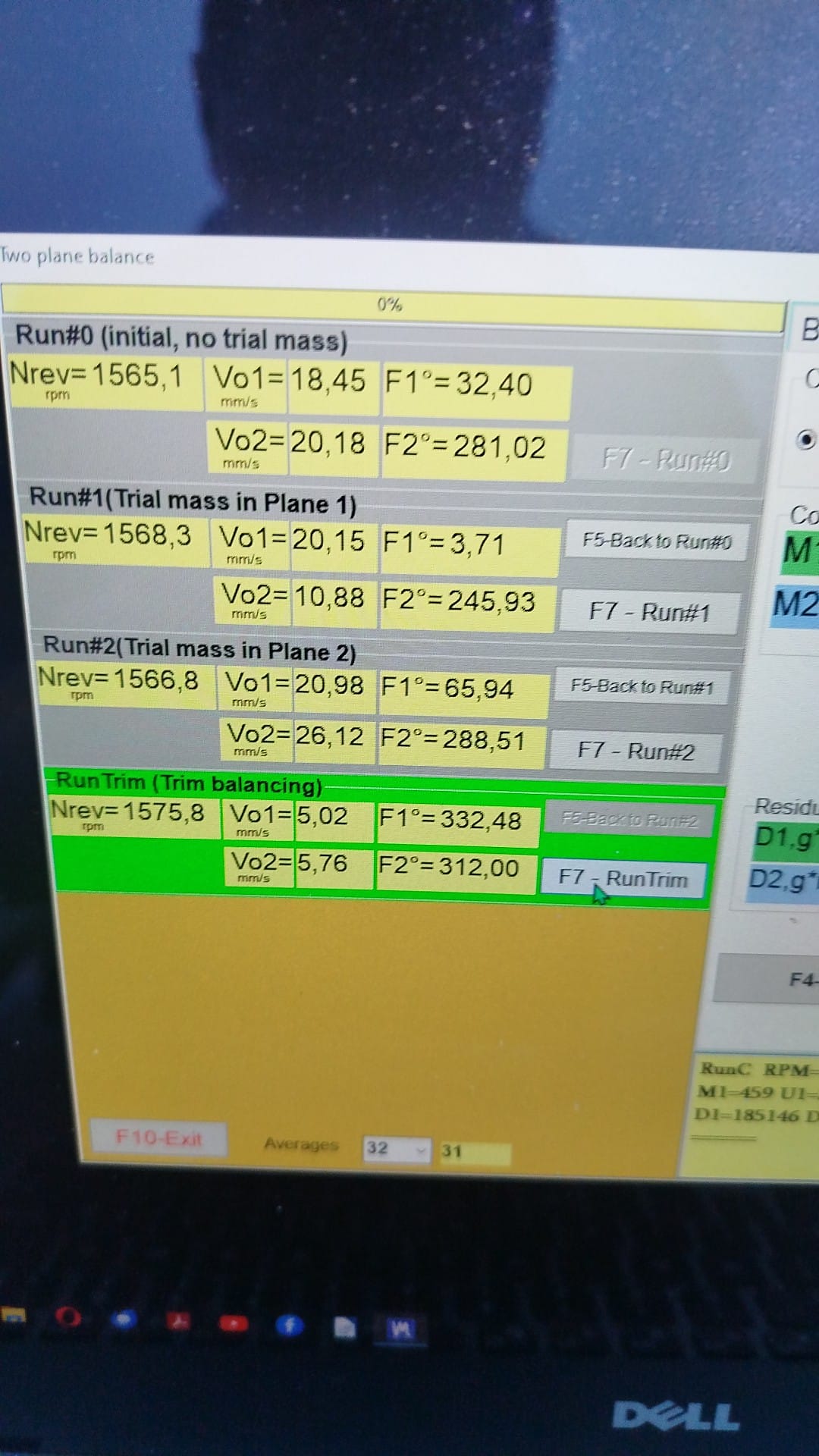
Ένας πλήρης κύκλος Run0 → Trim σε πραγματικό θρυμματιστή. 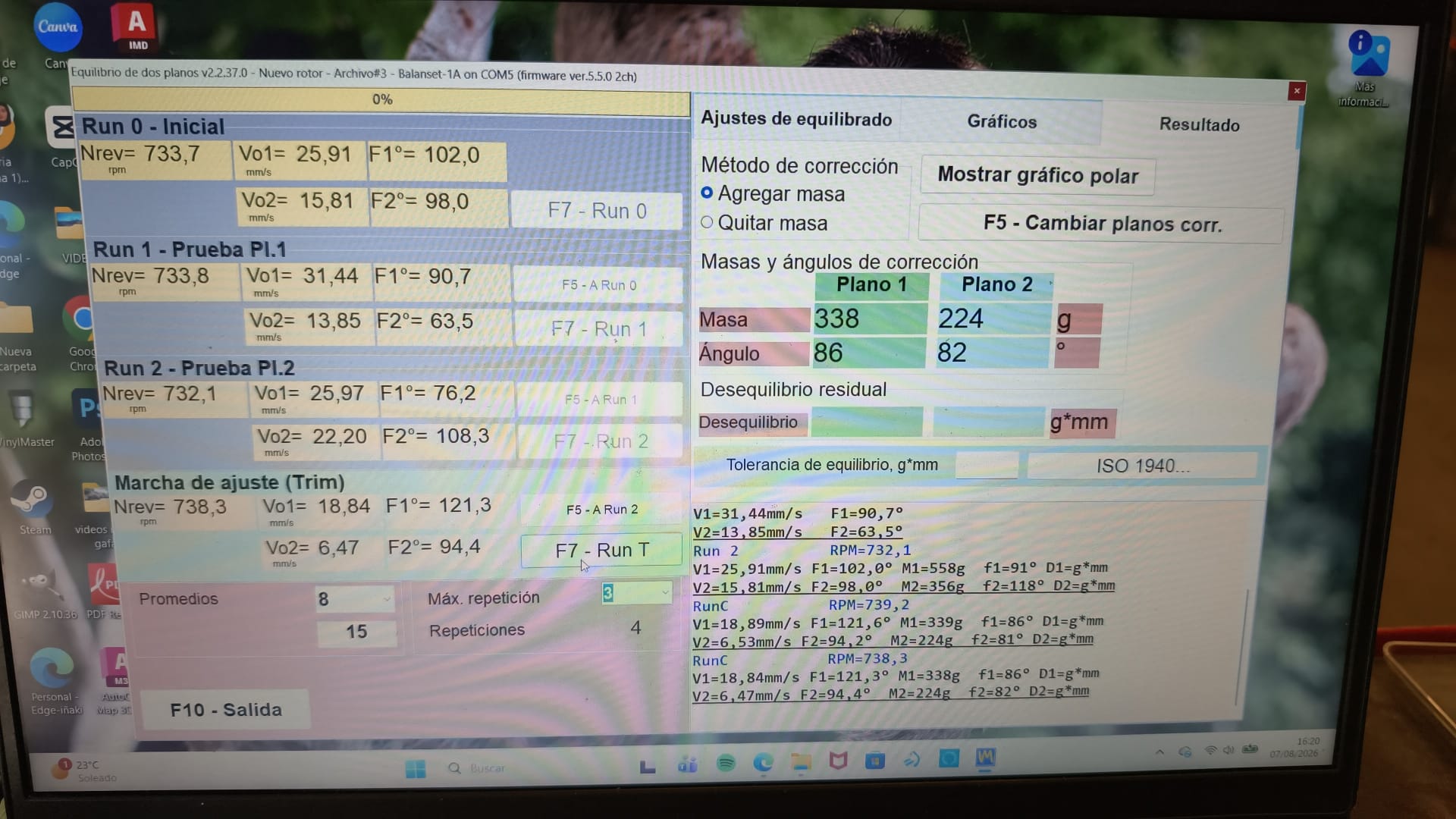
Μια επιτυχημένη μέτρηση ρύθμισης. - Το πρόγραμμα υπολογίζει ένα συμπληρωματικό βάρος. Επαναλάβετε μέχρι να βρεθείτε εντός ανοχής (κεφάλαιο 06).
- Αν ξεκινήσατε σε μειωμένες στροφές — ανεβάστε στις στροφές εργασίας και ρυθμίστε εκεί.
- Αν οι δονήσεις αυξήθηκαν, σταματήστε και μην συγκολλήσετε επιπλέον βάρη. Δείτε το κεφάλαιο 07.
Εξισορρόπηση ενός επιπέδου
Όλα ίδια, αλλά δύο περάσματα: Run 0 και Run 1 (δοκιμαστικό βάρος). Ο αισθητήρας — X1 στο στήριγμα πλησιέστερο στο επίπεδο διόρθωσης.
Ζυγοστάθμιση σε άτρακτο (σε εργαλειομηχανή)
Αν ο ρότορας ζυγοσταθμίζεται σε άτρακτο μηχανήματος, η εκκεντρότητα της ατράκτου αντισταθμίζεται γυρίζοντας τον ρότορα 180° ως προς την άτρακτο (το πλαίσιο επιλογής «Mandrel» στο πρόγραμμα). Το σημάδι του ταχομέτρου παραμένει στην άτρακτο.
Η βοηθητική καρτέλα επιτόπιας εργασίας
1. Μηχανικά εντάξει; (τζόγος, ρωγμές, στερεωτικά, μαχαίρια)      → ναι
2. Αισθητήρες ακτινικά, X1/X2 δεν έχουν αντιστραφεί                    → ναι
3. Σημάδι στην πλήμνη, οι στροφές (RPM) σταθερές                    → ναι
4. Δονησιόμετρο: πλάτος/φάση σταθερά                    → ναι
5. Ζυγοστάθμιση: ακτίνα καταχωρημένη, γραμμάρια, "προσθήκη"              → ναι
6. Run0 → Run1 (δοκιμή επ.1) → Run2 (δοκιμή επ.2)
7. Η δοκιμή άλλαξε τις ενδείξεις ≥20-30%;                   → ναι
8. Τοποθετήστε ΤΗ ΜΙΣΗ υπολογισμένη μάζα, γωνία ΜΕ την περιστροφή
   από τη θέση του δοκιμαστικού βάρους
9. Μέτρηση ελέγχου → συμπλήρωση → επανάληψη
10. Εντός ανοχής; → αναφορά, αφαιρέστε τα σημάδια δοκιμής, μαζέψτε
Πόσο χρόνο χρειάζεται
Σε δοκιμαστική διάταξη — λεπτά. Ένας πραγματικός ανεμιστήρας ή χλοοκοπτικό με υγιή μηχανικά — περίπου 1,5 ώρες συμπεριλαμβανομένης της ρύθμισης αισθητήρων και της συγκόλλησης βαρών. Αν το μηχάνημα είναι ελαττωματικό, μπορεί να χρειαστούν ημέρες (δείτε τις μελέτες περιπτώσεων) — και αυτό δεν θα είναι υπαιτιότητα της συσκευής.

