ಸಮತೋಲನ ಸೇವೆಗಳು › Augers & Screw Conveyors
Auger & Screw Conveyor Balancing — In-Situ, at Operating Speed
Grain blowers, feed augers and industrial screw conveyors are long, slender rotors that develop two-plane unbalance the moment a flight wears unevenly or a weld shifts the mass distribution. We balance them on site, at operating speed — no workshop removal, no guesswork — restoring smooth, reliable material flow and stopping premature bearing failures in their tracks.
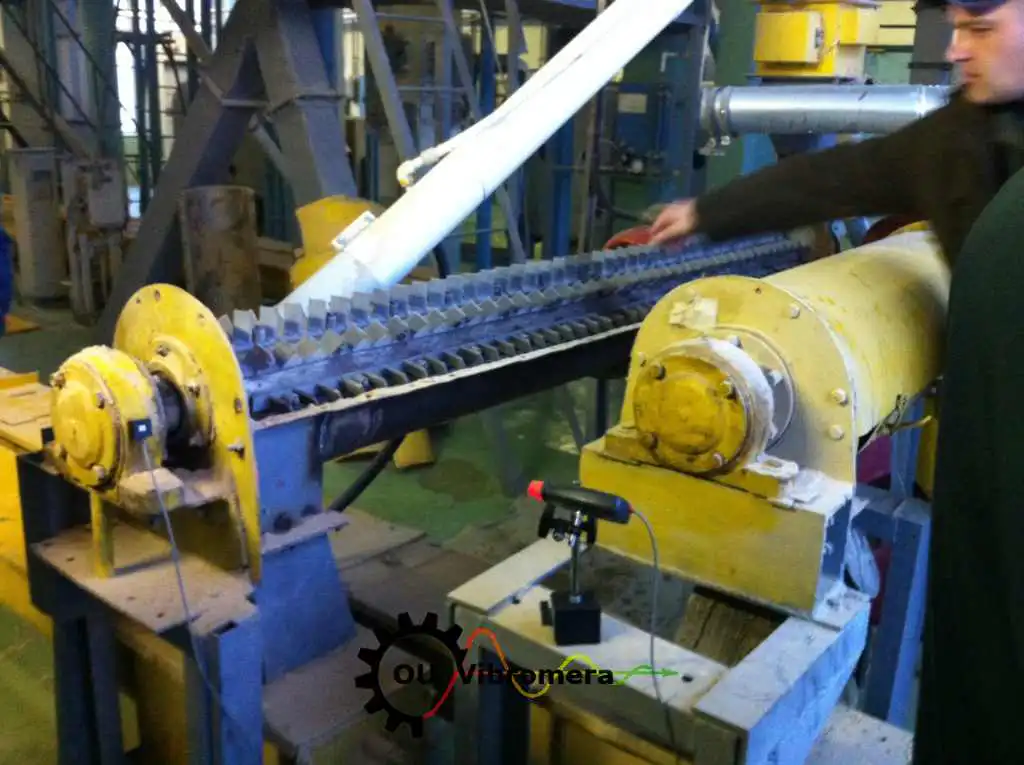
In short: Auger and screw conveyor balancing is performed in-situ, at normal operating speed, using the two-plane influence-coefficient method. Vibration accelerometers are mounted on both end-bearing housings and a laser tachometer measures shaft speed; the Balanset-1A calculates the exact correction mass and angle for each plane. No rotor removal, no trough disassembly — a typical job is complete in under one hour, reducing vibration by 70 % or more and extending bearing life by a factor of eight or more.
Signs your auger or screw conveyor is out of balance
Screw conveyors run at relatively modest speeds, yet even small mass eccentricities travel the full length of the shaft and create surprising levels of vibration. Watch for these warning signs:
Why augers lose balance — and what it costs
A screw conveyor rotor is fundamentally different from a compact fan or pump impeller: its mass is spread over a long, relatively flexible shaft, making it inherently susceptible to two-plane unbalance that a single correction weight cannot fix. Unbalance builds gradually through uneven abrasive wear of the flights, ಉತ್ಪನ್ನ ನಿರ್ಮಾಣ on one side of the spiral, corrosion pitting, and repair welds or replacement flight sections that alter the mass distribution along the shaft. In grain blowers and pneumatic transfer augers the spiral also spins fast enough for centrifugal force to magnify even a modest eccentricity into hundreds of newtons of shaking force.
Operators often mistake the worsening vibration for a structural problem and respond by adding mounting bolts or stiffer frames — masking the symptom while the root cause continues to grind down bearings, damage seals and fatigue welds. Because centrifugal force grows with the square of rotational speed, a small mass offset that causes modest vibration at 300 rpm becomes four times worse at 600 rpm. Correcting both planes of unbalance in a single on-site visit eliminates the load at source, and the machinery runs smoothly for years rather than months.
ಕಂಪನವನ್ನು ಅರ್ಧೇಕ ಮಾಡುವುದು ಬೀರಿಂಗ್ ಆಯುಶ್ಯನನ್ನು ಗುಣಿಸುವುದು ಏಕೆ
How we balance an auger — step by step
The Balanset-1A uses the influence-coefficient method, adapted here for the two-plane reality of long screw rotors. The same systematic procedure can be carried out by your own maintenance team:
- ಸಂವೇದಕಗಳನ್ನು ಮೌಂಟ್ ಮಾಡಿ. Vibration accelerometers are fixed to both end-bearing housings and a laser tachometer is aimed at a reflective strip on the shaft. No disassembly is required — the screw runs at normal operating speed throughout.
- ಮೂಲ ಅಳತೆಯನ್ನು ಪಡೆಯಿರಿ. One full-speed run captures vibration amplitude and phase angle at each bearing plane simultaneously, establishing the current two-plane unbalance state.
- ಪರೀಕ್ಷೆಯ ತೂಕವನ್ನು ಸೇರಿಸಿ. A known test mass is clamped to the shaft or a flight at a precisely measured angular position near one end. The rotor runs again so the device records how both planes respond to the known perturbation — the influence coefficient.
- ಸಾಧನವನ್ನು ಗಣನೆ ಮಾಡುವ ಅವಕಾಶ ನೀಡಿ. The Balanset-1A solves the two-plane influence-coefficient matrix and outputs the exact correction mass and clock angle for each correction plane. A second trial weight at the opposite end refines the solution if needed.
- ಸಮತೋಲನ ಓಜೆಸುಗಳನ್ನು ಸಿದ್ಧಪಡಿಸಿ. Correction masses are welded, bolted or clamped at the calculated positions on both ends of the screw rotor, using the calculated angular placement.
- ಪರಿಶೀಲಿಸಿ ಮತ್ತು ದಾಖಲೆ ಮಾಡಿ. A final measurement run confirms residual unbalance meets the ISO 21940-11 grade required for the application. The Balanset-1A generates a printed report showing before-and-after figures at each plane.
ನಾವು ಸಮತೋಲಿತ ಮಾಡುವುದು
- Grain-elevator and grain-blower augers
- Feed-mill and feed-conveyor screws
- Horizontal screw conveyors in bulk-material handling
- Inclined and vertical screw lifts
- Cement and aggregate screw feeders
- Extruder feed screws (removable rotor)
- Agricultural combine harvester unloading augers
- Dust-collection and ash-conveyor screws
- Pneumatic transfer augers and grain blowers
- Custom spiral conveyor rotors of any length
ಸಹನಶೀಲತೆ ಮತ್ತು ಮಾನದಂಡಗಳು
ISO 21940-11 (formerly ISO 1940-1) governs rigid-rotor balance quality grades. Long-shaft screw rotors typically fall into quality grade ಜಿ 6.3 (general industrial machinery) or ಜಿ 2.5 where smoother operation is required — for example, high-speed grain blowers or conveyors feeding precision metering equipment. The standard defines the permissible residual specific unbalance eಪ್ರತಿ as a function of rotor service speed, giving a clear, measurable acceptance criterion.
For high-speed grain blowers that move material pneumatically, the fan-balancing limits of ISO 14694 or the machine-builder’s own specification may also apply. We balance to the grade your application requires and supply a documented residual-unbalance result — in g·mm per plane — alongside the grade achieved. Use our ಶೇಷ-ಅಸಮತೋಲನ ಕ್ಯಾಲ್ಕುಲೇಟರ್ to find the permissible tolerance for your rotor before starting.
Balanset-1A — ನಿಮ್ಮ ಸಂಪೂರ್ಣ ಪ್ರಾಂಗಣ-ಸಮತೋಲನ ಸಾಧನ ಪೆಟ್ಟಿಗೆ
ಈ ಪುಟದಲ್ಲಿ ಎಲ್ಲವೂ ಒಂದು ಪೋರ್ಟೇಬಲ್ ಯಂತ್ರದೊಂದಿಗೆ ಮಾಡಲಾಗುತ್ತದೆ: ಬ್ಯಾಲೆನ್ಸೆಟ್-1ಎ. It is a two-channel dynamic balancer and vibration analyzer that balances screw conveyor and auger rotors ಅವುಗಳ ಸ್ವಂತ ಬೆಲ್ಲಾಣಿಗಳಲ್ಲಿ, ಕಾರ್ಯಾಚರಣ ವೇಗದಲ್ಲಿ, using the 3-run influence-coefficient method — the software calculates the exact correction mass and angle for each plane and saves a report.
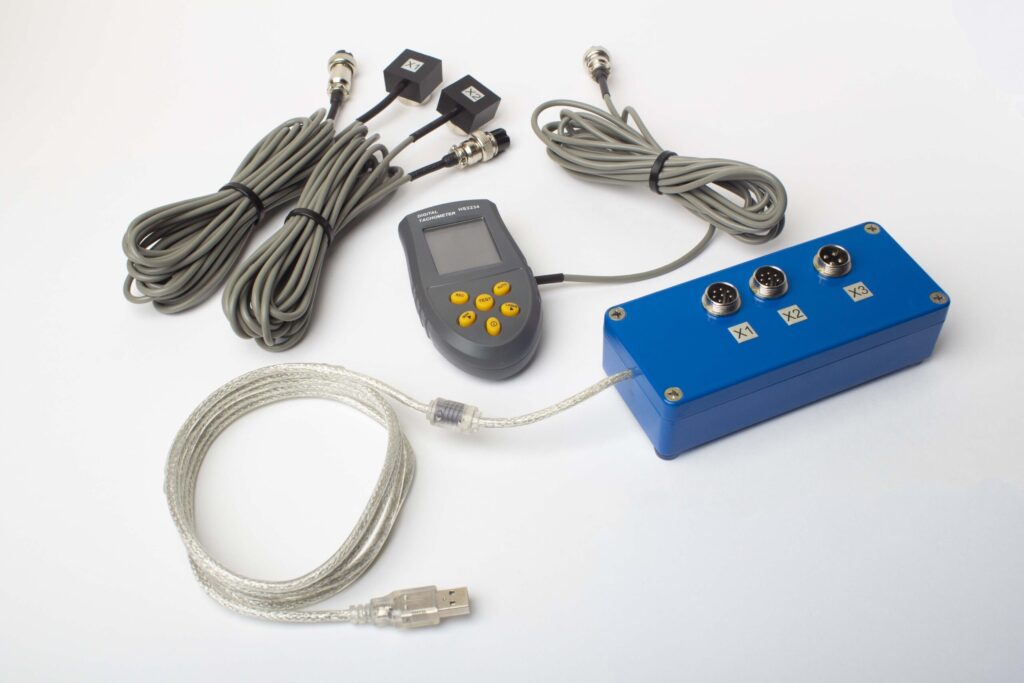
ಪೂರ್ಣ ಸಾಧನ ಪೆಟ್ಟಿಗೆಯಲ್ಲಿ ಏನಿದೆ
€1,975 · ಪೂರ್ಣ ಸಾಧನ ಪೆಟ್ಟಿಗೆ, ಸ್ಟಾಕ್ನಲ್ಲಿ, VAT ಇನ್ವಾಯ್ಸ್
- ಇಂಟರ್ಫೇಸ್ ಮಾಪನ ಘಟಕ (USB, 2 ಚಾನೆಲ್ಗಳು)
- ಎರಡು ವೈಬ್ರೇಶನ್ ಆಕ್ಸೆಲೆರೋಮೀಟರ್ಗಳು (4 ಮೀ ಕೇಬಲ್, 10 ಮೀ ಐಚ್ಛಿಕ)
- ಲೇಜರ್ ಟ್ಯಾಕೋಮೀಟರ್ / ಆಪ್ಟಿಕಲ್ ಹಂತ ಸಂವೇದಕ (50–500 ಮಿಮೀ)
- ಸಂವೇದಕದ ಮ್ಯಾಗ್ನೆಟಿಕ್ ಸ್ಟ್ಯಾಂಡ್
- ಪರೀಕ್ಷಾ ಮತ್ತು ತಿದ್ದುಪಡಿ ತೂಕಗಳಿಗೆ ಡಿಜಿಟಲ್ ಸ್ಕೇಲ್
- ವಿಂಡೋಸ್ ಬ್ಯಾಲೆನ್ಸಿಂಗ್ ಮತ್ತು ವಿಶ್ಲೇಷಣ ಸಾಫ್ಟ್ವೇರ್
- ಪ್ಲಾಸ್ಟಿಕ್ ಟ್ರಾನ್ಸ್ಪೋರ್ಟ್ ಕೇಸ್
Full Kit
ಯೂನಿಟ್ · 2 ಸೆನ್ಸರ್ಗಳು · ಲೇಜರ್ ಟ್ಯಾಕೋಮೀಟರ್ · ಮ್ಯಾಗ್ನೆಟಿಕ್ ಸ್ಟ್ಯಾಂಡ್ · ಡಿಜಿಟಲ್ ಸ್ಕೇಲ್ · ಸಾಫ್ಟ್ವೇರ್ · ಟ್ರಾನ್ಸ್ಪೋರ್ಟ್ ಕೇಸ್. ಬಾಕ್ಸ್ನಿಂದ ಬ್ಯಾಲೆನ್ಸಿಂಗ್ ಪ್ರಾರಂಭಿಸಲು ಅಗತ್ಯವಾದ ಎಲ್ಲವೂ ಸೇರಿದೆ.
OEM set
ಯೂನಿಟ್ · 2 ಸೆನ್ಸರ್ಗಳು · ಲೇಜರ್ ಟ್ಯಾಕೋಮೀಟರ್ · ಸಾಫ್ಟ್ವೇರ್. ಈಗಾಗಲೇ ಸ್ಟ್ಯಾಂಡ್, ಸ್ಕೇಲ್ ಮತ್ತು ಕೇಸ್ ಹೊಂದಿದ ಅಥವಾ ಯೂನಿಟ್ ಅನ್ನು ಬ್ಯಾಲೆನ್ಸಿಂಗ್ ಮೆಶಿನ್ಗೆ ಅಂತರ್ಗತಗೊಳಿಸುವ ಇಂಟಿಗ್ರೇಟರ್ಗಳಿಗೆ.
| ಪ್ಯಾರಾಮೀಟರ್ | ಮೌಲ್ಯ |
|---|---|
| ಮಾಪನ ಚ್ಯಾನೆಲ್ಗಳು | 2 (ಏಕ- & ದ್ವಿ-ತಲಾ ಬ್ಯಾಲೆನ್ಸಿಂಗ್) |
| ವೈಬ್ರೇಶನ್ ವೇಗ ಶ್ರೇಣಿ | 0.2–80 mm/s RMS |
| ಆವೃತ್ತಿ ವ್ಯಾಪ್ತಿ | 5–1000 Hz (≤10% amplitude error above 550 Hz) |
| ಮಾಪನ ನಿಖುರತೆ | ±5% ಪೂರ್ಣ ಸ್ಕೇಲ್ನ |
| ವಿಧಾನ | 3-ರನ್ ಪ್ರಭಾವ-ಗುಣಾಂಕ (1 ಅಥವಾ 2 ತಲಾಗಳು) |
| Analysis | 1× ನಲ್ಲಿ ವೈಶಾಲ್ಯ & ಹಂತ, FFT ಸ್ಪೆಕ್ಟ್ರಮ್ & ತರಂಗರೂಪ, ಉಳಿಸಿದ ವರದಿಗಳು |
| Laptop | ಸೇರಿಲ್ಲ (ವಿಂಡೋಸ್ PC, ವಿನಂತಿಯ ಮೇರೆಗೆ ಲಭ್ಯವಿದೆ) |
Field balancing vs balancing machine — which is right for your screw rotor?
| ಘಟಕ | ಕ್ಷೇತ್ರ ಸಮತೋಲನ (Balanset-1A) | ಸಮತೋಲನ ಯಂತ್ರ (ಕಾರ್ಯಾಲಯ) |
|---|---|---|
| Rotor removed from conveyor? | ಇಲ್ಲ — ಸ್ಥಳದಲ್ಲಿ ಚಲಿಸುತ್ತದೆ | ಹೌದು — ಸಂಪೂರ್ಣ ವಿಘಟನ ಅಗತ್ಯ |
| Trough or casing disconnection? | No | Yes |
| ಉತ್ಪಾದನ ನಿಶ್ಚಲತೆ | ಸಂವೇದಕ ಅಳವಡಿಕೆ ಮಾತ್ರ (<15 ನಿಮಿಷ) | Hours to days (pull, transport, balance, reinstall) |
| ಸಮತೋಲನ ವೇಗ | Actual operating speed & load conditions | ಪ್ರತ್ಯೇಕ ಕಡಿಮೆ-ವೇಗ ಸ್ಪಿಂಡಲ್ |
| Accounts for shaft sag & flex | Yes — full assembly balanced in situ | Rotor in isolation, no real mounting |
| Two-plane correction | Yes — both end bearings in one visit | Yes |
| Standards met | ISO 21940-11 (G 6.3 / G 2.5) | ISO 21940-11 |
| Equipment cost | €1,975 (ಪೂರ್ಣ ಕಿಟ್) | €10,000 – €50,000+ |
| ವಿಶಿಷ್ಟ ಕೆಲಸ ಸಮಯ | <ಸ್ಥಳದಲ್ಲಿ 1 ಘಂಟೆ | ಒಟ್ಟು 1–3 ದಿನಗಳು |
Field balancing is the preferred choice whenever the screw rotor can run and the rigidity criterion is satisfied. A workshop machine remains appropriate for new-build rotors with zero run time, or for very large or damaged rotors that require complete disassembly for other repairs.
Real auger-balancing cases
Free auger & screw conveyor calculators
Auger & screw conveyor balancing FAQ
Does a screw conveyor really need two-plane balancing?
Can the auger stay in the trough during balancing?
What balance grade applies to screw conveyors?
Our auger is still rough after replacing worn flights — why?
How much correction weight is typically needed?
Can we do this ourselves with the Balanset-1A?
ಸಿದ್ಧಾಂತ ಕಲಿಯಿರಿ
Balance your auger or screw conveyor — in place, today
The Balanset-1A handles the full two-plane correction that long screw rotors demand, completing the job at running speed with a documented result showing exact residual unbalance at each correction plane — to ISO 21940-11 G 6.3 or G 2.5, whichever your application requires. No dismounting, no lost production.

