선반의 로터 밸런싱: 제품 품질 향상을 위한 비용 효율적인 솔루션
제품 품질이 무엇보다 중요한 현대 제조업에서, 로터 밸런싱 기술 공정의 필수적인 부분이 됩니다. 하지만 중소기업의 경우 전문적인 균형 조정 장비를 구입하는 데 상당한 비용이 들 수 있습니다. 이 글에서는 선반을 활용하여 로터 균형 조정으로, 이를 통해 장비 비용을 대폭 절감하고 생산 효율을 높일 수 있습니다.
밸런싱을 위한 도구로서의 선반
선반은 그 구조와 기능 덕분에 다양한 종류와 크기의 로터를 밸런싱하는 데 성공적으로 사용할 수 있습니다. 이 접근 방식의 주요 장점은 값비싼 전용 장비를 구입할 필요가 없어 비용을 절감할 수 있다는 점입니다. 또한 선반을 사용하면 로터 제조 공정 중에 바로 밸런싱을 수행할 수 있어 생산 시간을 단축하고 제품 품질을 향상시킬 수 있습니다.
밸런싱을 위한 준비
밸런싱 프로세스를 시작하기 전에 몇 가지 준비 단계를 수행해야 합니다:
- 적절한 선반을 선택합니다: 선반은 안정적인 로터 장착과 정확한 진동 측정을 보장할 수 있는 충분한 강성과 정밀도를 갖춰야 합니다.
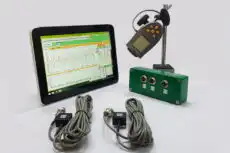
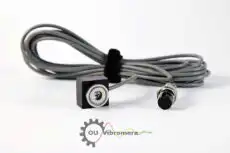
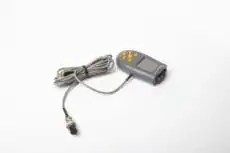
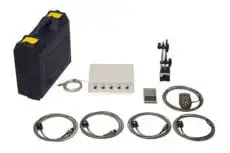
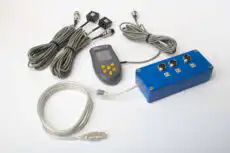
- 측정 시스템 설치하기: 로터 측정 진동 선반에서, 다음과 같은 휴대용 밸런서 발란셋-1A 사용할 수 있습니다. 여기에는 진동 센서, 타코미터, 그리고 데이터 분석 및 교정 질량 계산을 위한 소프트웨어.
- 스핀들 자체의 불균형 다루기: 선반 스핀들 자체를 밸런싱할 필요는 없습니다. 척만 장착한 채(로터는 제거) 선반을 가동해 진동 벡터를 기록하십시오. 이것이 스핀들과 척이 만들어내는 기준값입니다. 이 값이 로터 측정값에서 무시할 수 없는 비중을 차지한다면, 그 값을 빼거나 — 더 나은 방법으로는 — 180° 인덱스 실행(“Mandrel eccentricity elimination” 기능, “F7 - Run Ecc”)을 사용하십시오. 이 기능은 로터와 함께 회전하지 않는 모든 요소를 자동으로 분리해 줍니다.
- 스핀들이 아니라 기계에 로터를 맞추기: 중요한 것은 로터의 불균형 힘이 베어링 하우징에서 측정 가능한 반응을 만들어낸다는 점입니다. 무겁고 강성이 큰 선반은 불균형 1g당 반응이 매우 작으므로, 아주 가벼운 로터에서는 신호가 노이즈에 묻히고, 반대로 아주 무거운 로터에서는 척이나 베어링의 정격 하중을 초과할 수 있습니다. 실무에서는 영향 계수를 신뢰하기 전에, 적절한 크기의 시험 웨이트가 깨끗하고 재현 가능한 진폭 및 위상 변화를 만들어내는지 확인하십시오.
- 밸런싱 전 고무 커버의 런아웃 점검: 고무 라이닝 샤프트에서는 질량 불균형과 피복재의 기하학적 런아웃이 서로 다른 두 가지 결함입니다. 밸런싱은 1× 힘을 상쇄할 뿐, 편심되거나 타원형인 피복을 원형으로 만들 수는 없습니다. 다이얼 인디케이터를 피복 표면에 대고 샤프트를 손으로 돌려 보십시오. 총 지시 런아웃이 제품 공차를 초과한다면, 먼저 같은 선반에서 — 피복을 진원으로 연삭하거나 선삭한 다음에야 — 밸런싱하십시오. 밸런싱은 되었지만 여전히 런아웃이 있는 샤프트는 진동 수치가 아무리 낮아도 게이지 밴드, 줄무늬, 닙압 변동을 계속 만들어냅니다.
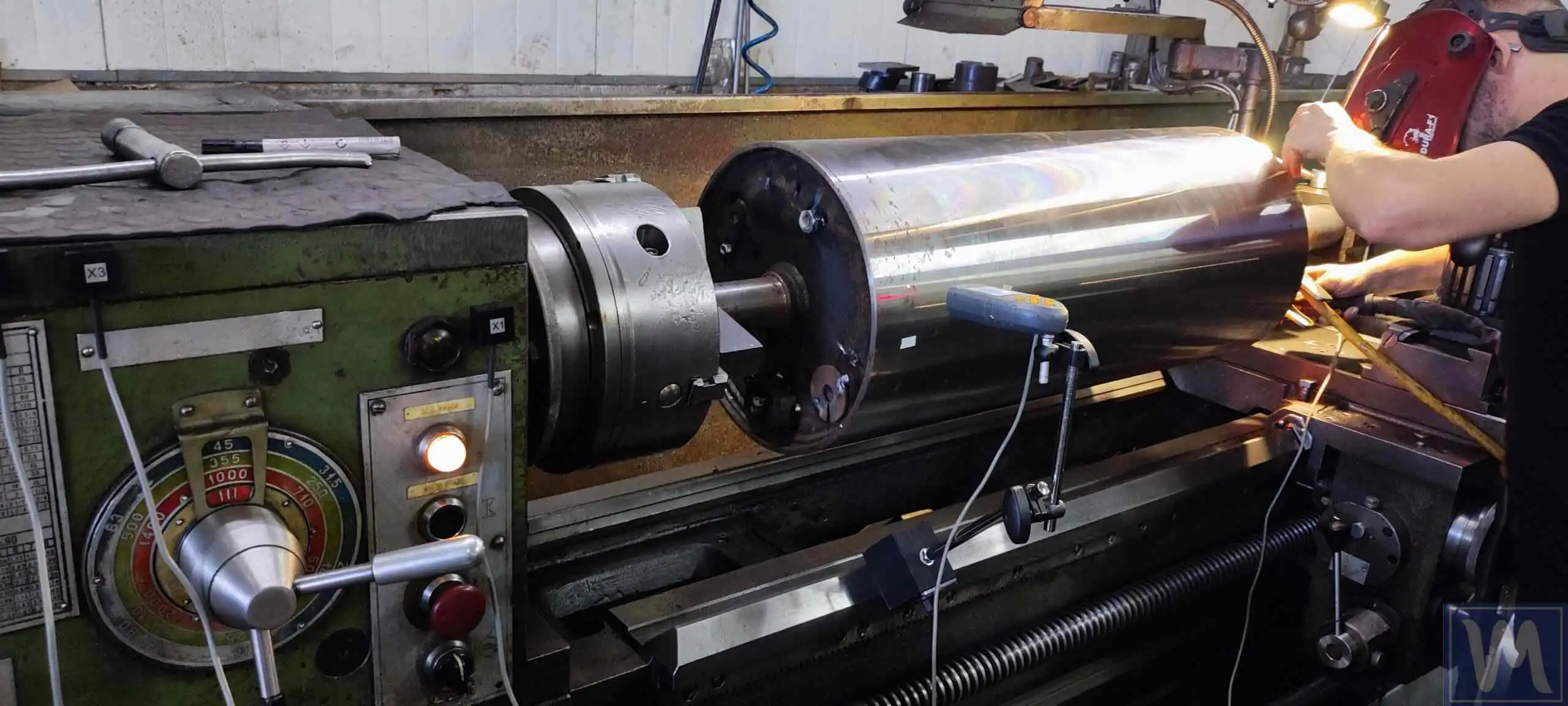
이 글에서는 우리의 경험과 방법론에 대해 자세히 설명하겠습니다. 동적 균형 조정 선반 위의 고무 코팅 샤프트 – 솔직히 말해 이런 기계 특유의 강성과 상당한 무게 때문에 처음에는 회의적이었던 해결책입니다. 놀랍게도 작업은 매끄럽게 진행되어 G 6.3 균형 품질 등급을 달성했습니다(ISO 21940-11, 이전 명칭 ISO 1940-1).
이론상 선반의 로터 밸런싱 프로세스
선반의 로터 밸런싱 프로세스에는 다음 단계가 포함됩니다:
로터 고정하기
로터는 선반 척 또는 센터에 단단히 장착되어 밸런싱 프로세스 중 안정성을 보장합니다.
센서 설치
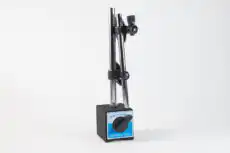
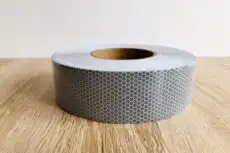
보정 평면마다 진동 센서를 하나씩 부착하십시오 — 헤드스톡 베어링 하우징에 하나, 테일스톡 또는 스테디레스트 하우징에 하나 — 베어링에 최대한 가깝게, 반경 방향으로, 깨끗하게 가공된 금속 표면에 마그네틱 베이스를 이용해 부착합니다. 선반 베드, 새들(apron), 또는 가드에는 센서를 장착하지 마십시오. 그곳의 1× 신호는 감쇠되고 구조물의 영향이 지배적입니다. 부착 반사 테이프 고무 피복이 아니라 금속 면(샤프트 끝단 또는 척)에, 레이저 타코미터를 그 면에 수직으로 겨냥하십시오.
초기 진동 측정
초기 진동 수준은 작업 전체에서 사용할 속도로 측정합니다. 모든 실행—Run 0, 시험 운전, 트림 운전—은 반드시 동일한 속도로 수행되어야 합니다. 영향력 계수는 측정 당시의 속도에서만 유효하기 때문입니다.
편심 반영(Run 0 직후)
지그 및 맨드릴 편심 불균형이 아닌 벡터를 Run 0 측정값에 더하게 되며, 이를 보정하려 하면 오히려 잘못된 결과가 나옵니다. 이 문제는 시험 웨이트를 설치하기 전에 처리해야지, 나중에 처리해서는 안 됩니다. Balanset-1A 소프트웨어에서 “Mandrel eccentricity elimination” 체크박스를 선택하고 Run 0을 완료한 다음, 로터를 지그 안에서 180° 돌리고 “F7 - Run Ecc”를 누르십시오. 소프트웨어는 두 벡터의 절반 합을 편심으로, 절반 차이를 실제 불균형으로 계산하며, 그런 다음에야 시험 실행이 활성화됩니다. 보정 웨이트를 이미 용접한 뒤에 이 작업을 하면 다시 계산하고 다시 작업해야 합니다.
시험 웨이트는 얼마나 커야 할까요?
안전한 출발점은 다음과 같은 웨이트입니다: 원심력이 로터 중량의 5–10% 이내로 유지되도록. 수식으로 표현하면:
mtrial = k · M · g / (R · ω²), k = 0.05–0.10
어디 M 는 로터 질량(kg)입니다, g = 9.81 m/s², R 웨이트의 장착 반경(m)이며, ω = 2π·RPM/60 (rad/s)입니다. 예시: 50 kg 로터가 3,000 rpm으로 회전하고 무게가 R = 0.2 m에 있으면 m ≈ 0.07·50·9.81/(0.2·314²) ≈ 1.7 g — 그램 단위이지, 수백 그램이 아닙니다. 50kg 로터치고는 놀라울 정도로 작아 보이지만, 힘을 확인해 보십시오. 3,000 rpm에서 그 1.7 g은 이미 F = m·R·ω² ≈ 34 N의 힘으로 당기는데, 이는 로터 무게의 약 7%에 해당합니다. 작게 시작하는 데는 이유가 있습니다. 늘리는 것은 쉽지만, 너무 큰 웨이트는 베어링과 용접부에 실질적인 부담이 됩니다. 이제 막 볼트로 고정하려는 어떤 웨이트에도 같은 힘 점검을 거꾸로 적용할 수 있습니다.
이것을 수동으로 계산할 필요는 없습니다: Balanset 소프트웨어에는 초기 시험 중량 추정기 로터 데이터를 기반으로 질량과 시작 각도를 모두 추천하며, 그리고 범프 테스트 고유 주파수 부근에서 작업하고 있지 않은지 확인하기 위해서입니다.
적절한 시험 웨이트는 측정값을 다음만큼 변화시킵니다: 최소 진폭 20–30% 또는 위상 20–30°. 반응이 더 작다면 무게를 단계적으로 늘리십시오 — "뭔가 변화를 보려고" 곧바로 무거운 무게로 건너뛰지 마십시오.
시험 웨이트 설치
A 시험 중량 질량을 알고 있는 웨이트를 로터에 설치하고 진동을 다시 측정합니다. 2평면 밸런싱의 경우 이를 각 평면에서 차례로 수행합니다 — 평면 1에 웨이트를 설치한 시험 실행(Run 1), 이어서 평면 2에 웨이트를 설치한 시험 실행(Run 2) — 이를 통해 소프트웨어가 각 보정 평면의 영향을 개별적으로 측정할 수 있습니다.
수정 질량 계산하기
Balanset-1A 소프트웨어는 측정 결과를 분석하고 필요한 보정 질량과 배치 각도를 계산합니다.
로터 질량 보정
로터의 설계와 선반의 기능에 따라 드릴링, 밀링, 용접 또는 기타 방법으로 질량 보정을 수행할 수 있습니다.
밸런싱 검증
수정 후 제어 진동 측정이 수행됩니다. 필요한 경우 필요한 밸런스 수준에 도달할 때까지 이 과정을 반복합니다.
실전 동적 밸런싱
- 회전 빈도: 일반적으로 이러한 샤프트의 작동 회전 속도는 분당 300~500회전(rpm) 범위입니다. 이번 사례에서는 550 rpm으로 밸런싱을 수행했습니다.
- 설정: 고무 샤프트를 선반 기계에 장착한 다음 첨부된 사진에 표시된 것처럼 센서를 전략적으로 배치했습니다.
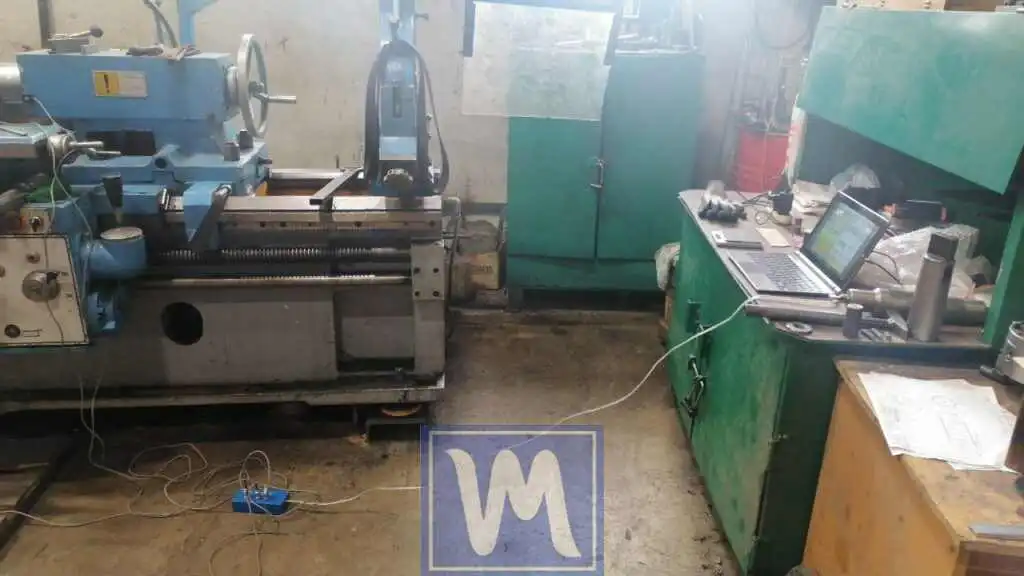
선반 기계를 사용한 고무 샤프트의 현장 동적 밸런싱
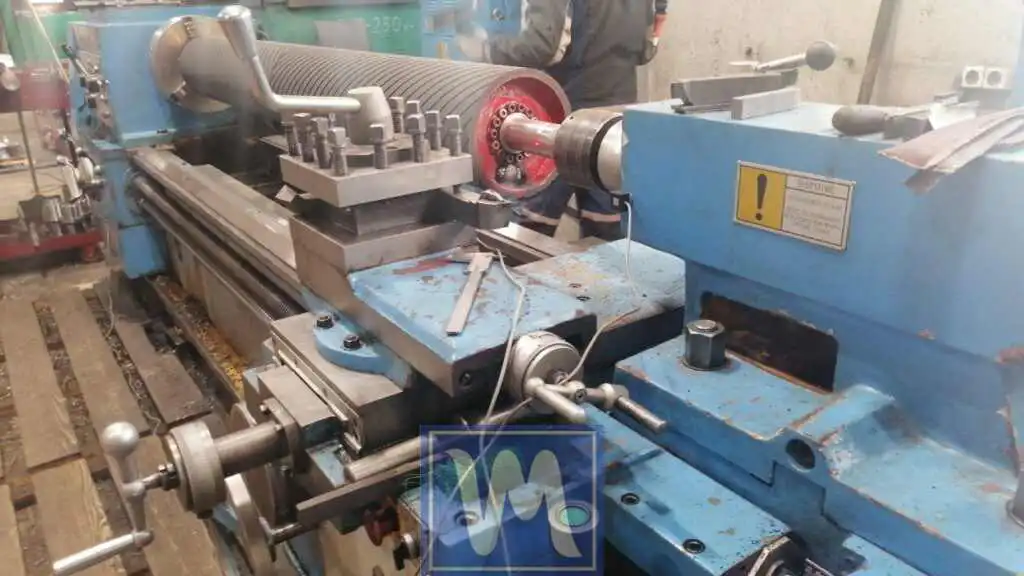
고무 샤프트의 동적 밸런싱
- 초기 진동 판독값: 균형을 맞추기 전에, 초기의 진동 측정값은 9 mm/s와 17 mm/s를 기록했습니다.
- 시험 실행: 2면 작업에서는 각 평면에 순서대로 시험 운전이 필요합니다—평면 1에 웨이트를 둔 Run 1, 그다음 평면 2에 웨이트를 둔 Run 2입니다. 340그램의 시험 중량을 용접했더니 진동이 변화했고 단계 판독값을 약 10% 정도 변화시킵니다. 이러한 반응은 최소 기준으로만 여기십시오: 명확하고 신뢰할 수 있는 측정을 위해서는 보통 진동 벡터를 25–50% 변화시키는 시험 중량을 목표로 하지만, 무겁고 강성이 높은 선반은 시험 질량 1그램당 반응이 매우 작습니다.
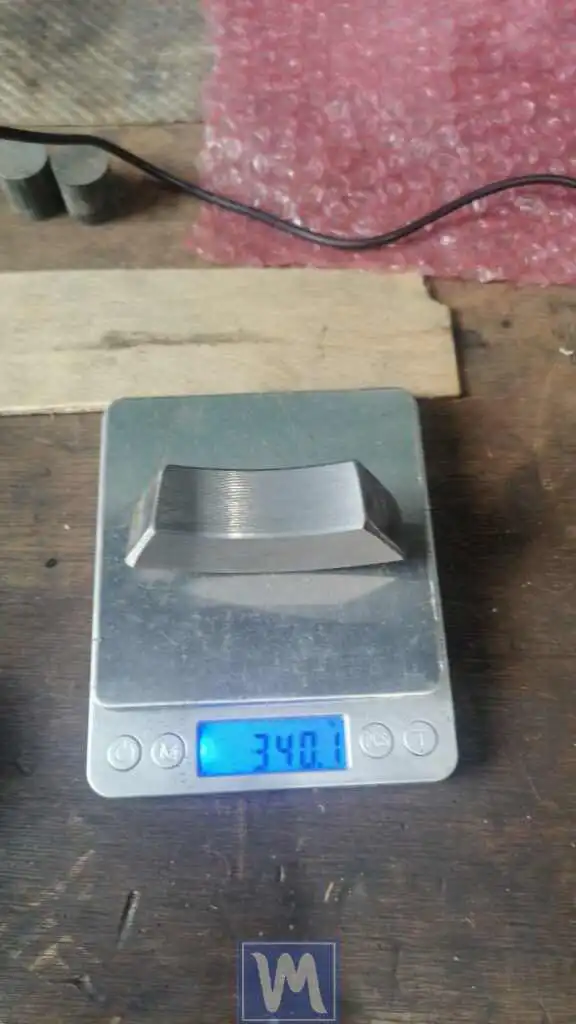
- 밸런스 조정: 시험 중량을 이용한 시험 운전 후, 저희 Balanset-1A 장비는 축의 한쪽에 3100그램, 다른 쪽에 4300그램을 추가해야 한다고 표시했으며, 이는 다음의 보정에 해당합니다 두 평면. 이러한 조정 후 진동 수준이 2 mm/s 및 4 mm/s로 감소했습니다.
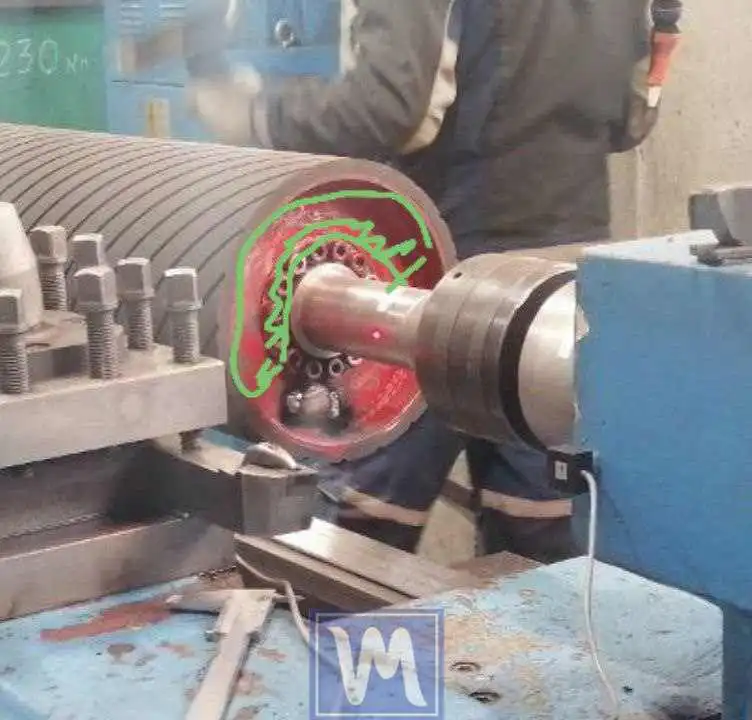
선반 기계를 사용한 고무 샤프트의 현장 동적 밸런싱
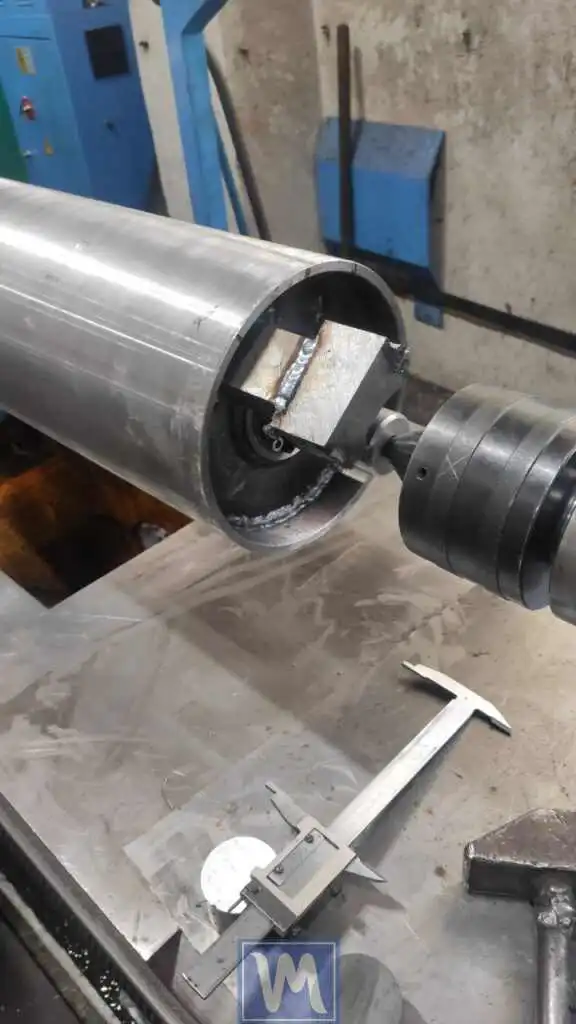
선반 기계를 사용한 고무 샤프트의 현장 동적 밸런싱
- 미세 조정: 결과를 더 최적화하기 위해 400g과 700g의 웨이트를 추가했습니다. 이어서 200g과 400g을 추가하여 또 한 차례 미세 조정을 진행했습니다. 공간 제약 때문에 웨이트들은 서로 겹쳐 용접되었습니다. 최종적으로 이 임시 웨이트들은 이 샤프트를 위해 특별히 제작된, 정밀하게 절단되고 외관도 깔끔한 균형추로 교체되었습니다. 최종 진동 수치는 양쪽 평면 모두에서 인상적인 0.1mm/s였습니다(반올림한 값입니다 — 1mm/s 미만에서는 기기 자체가 소수점 셋째 자리까지 표시합니다).
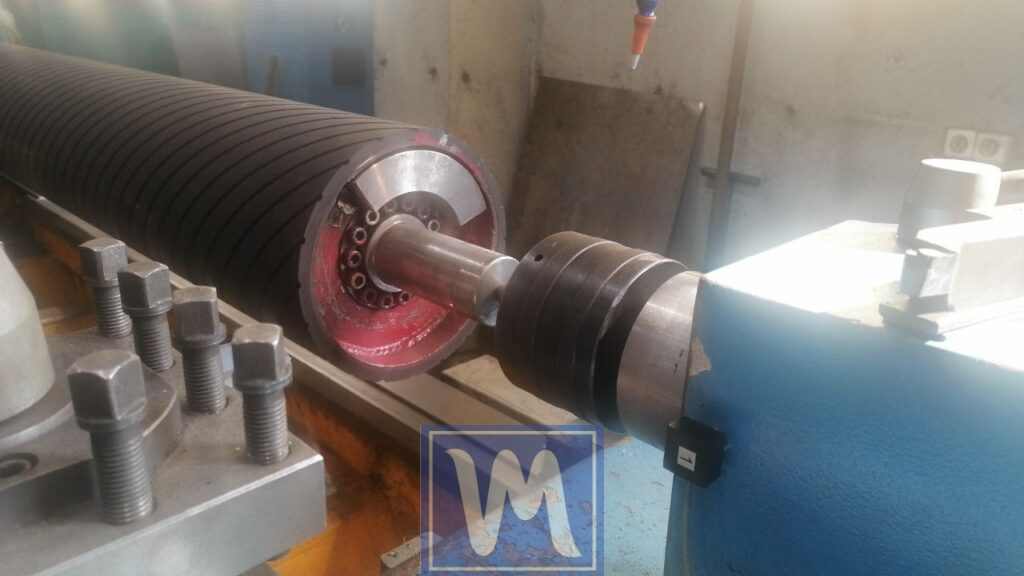
선반 기계를 사용한 고무 샤프트의 현장 동적 밸런싱
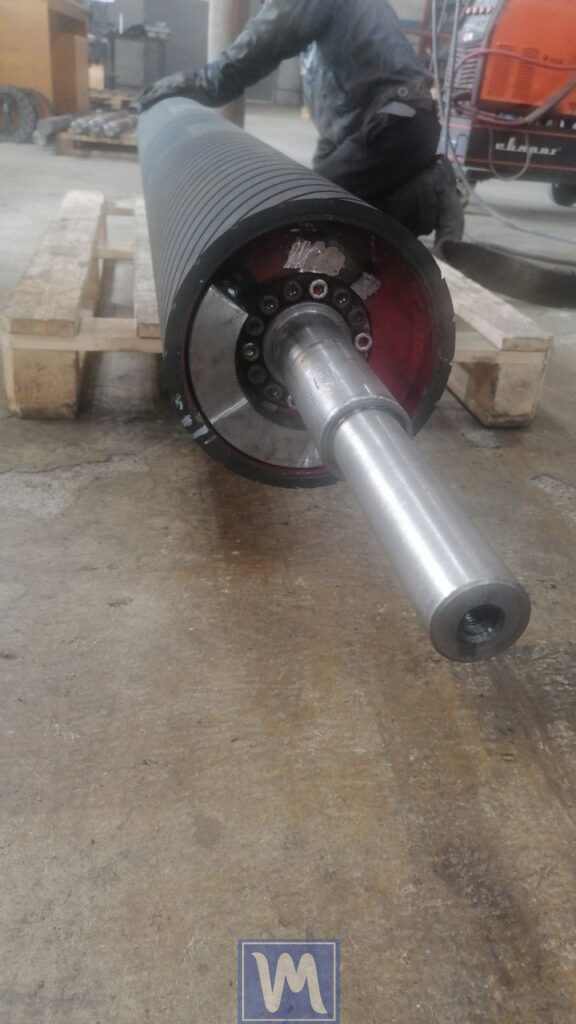
선반 기계를 사용한 고무 샤프트의 현장 동적 밸런싱
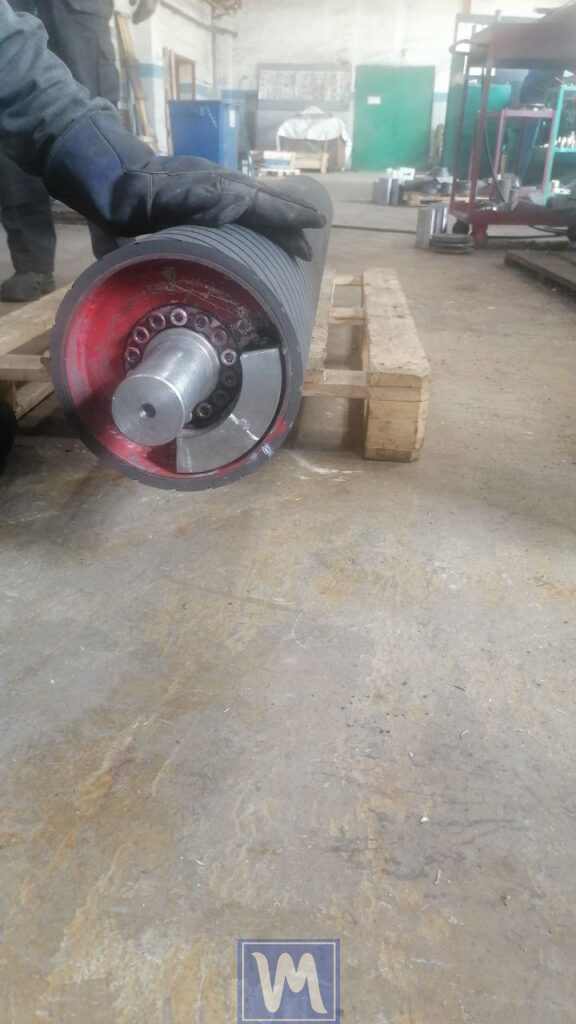
선반 기계를 사용한 고무 샤프트의 현장 동적 밸런싱
선반에서 로터 밸런싱의 장점
비용 효율성
선반을 사용하여 밸런싱을 하면 특수 밸런싱 장비를 구입하는 데 드는 비용을 절약할 수 있습니다.
편의성
로터의 제조 공정 중에 밸런싱을 직접 수행할 수 있어 생산 시간을 단축할 수 있습니다.
고품질
Balanset-1A와 같은 최신 휴대용 밸런서는 높은 밸런싱 정확도를 제공하여 진동 수준이 낮고 제품 품질이 향상됩니다.
결론
선반의 로터 밸런싱은 제품 품질을 개선하고 생산 비용을 절감하고자 하는 기업에게 효과적이고 경제적인 솔루션입니다. Balanset-1A와 같은 휴대용 밸런서를 사용하면 소규모 작업장에서도 이 프로세스를 간단하고 쉽게 수행할 수 있습니다.
중요 알림
- 최상의 결과를 얻으려면 고품질의 측정 기기를 사용하고 밸런싱 절차를 철저히 준수하는 것이 좋습니다. 허용 범위를 추정할 수 있습니다. 잔류 불균형 귀하의 로터에 저희의 잔류 불균형 계산기 (ISO 1940).
선반의 로터 밸런싱은 제품 품질 향상, 비용 절감, 비즈니스 경쟁력 강화로 이어지는 생산의 미래를 위한 단계입니다.

Nikolai Shelkovenko
Nikolai Shelkovenko는 진동 분석 엔지니어이자 Vibromera의 창립자 겸 CEO입니다. 그는 15년 넘게 회전 장비를 실험실 테스트 벤치가 아닌 현장에서 직접 밸런싱해 왔습니다 — 멀처, 산업용 팬, 파쇄기, 원심분리기, 샤프트, 스핀들 등입니다. Balanset 기기는 바로 이러한 경험에서 탄생했습니다 — 실험실 장비가 아니라, 전문가가 직접 현장의 기계까지 가지고 가서 혼자서도 사용할 수 있는 도구로 설계되었습니다. Vibromera는 2017년에 설립되었으며 2023년부터 포르투갈 포르투를 거점으로 하고 있습니다. Balanset 제품군의 개발, 조립, 지원 업무 모두 이곳에서 이루어집니다. 대표 기기는 Balanset-1A로, 1면 및 2면 밸런싱과 진동 진단을 위한 휴대용 분석기입니다. Nikolai는 고객 지원, 까다로운 밸런싱 사례 해결, 소프트웨어 개발에 직접 참여하고 있습니다. 그는 전 세계 고객들과 어떤 언어로든 소통하며 함께 일합니다.


0 댓글