Förstå axelbanediagrammet i vibrationsanalys
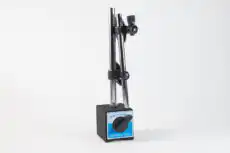

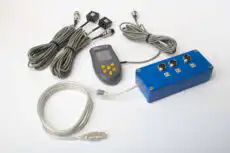
A axelorbit är ett diagram som visar den bana som ett roterande axels geometriska centrum ritar under ett eller flera varv. Det är en tvådimensionell bild av axelns rörelse inom sitt lagerspel, som om du tittade rakt in längs axelns ände. Denna kraftfulla diagnostikmetod skapas genom att montera ett par beröringsfria närhetsprober 90 grader isär — vanligtvis i en X-Y-konfiguration — och plotta deras simultana förflyttningssignaler mot varandra i stället för mot tid.
1. Varför orbitdiagrammet är så användbart
En standard tidsvågform eller FFT-spektrum visar vibration i en enda riktning. Orbitdiagrammet kombinerar två vinkelräta riktningar för att ge en fullständig bild av axelns dynamiska rörelse, vilket låter analytiker visualisera den faktiska formen och riktningen av rörelsen i stället för att härleda den. Den extra dimensionen ger ovärderliga ledtrådar för att diagnostisera ett brett spektrum av fel, vilket är anledningen till att orbiten är en hörnsten i rotordynamisk analys — särskilt för högvarviga, kritiska maskiner utrustade med vätskefilms glidlager, såsom turbiner, kompressorer och stora generatorer.
Eftersom sonderna mäter förflyttningen direkt mot lagret avslöjar banan också var axeln befinner sig inom sitt spel, inte bara hur långt den rör sig — information som en höljesmonterad accelerometer helt enkelt inte kan tillhandahålla. Att lägga till en varvräknare eller Keyphasor — vars märke stämplar varje varv på banan och fixerar dess fas och gör precessionens riktning entydig.
2. Hur man tolkar banformer
Formen, storleken och orienteringen av banan är direkta indikatorer på de krafter som verkar på rotorn. En skicklig analytiker kan diagnostisera en maskins tillstånd genom att helt enkelt titta på banans form.
Cirkulär eller elliptisk bana
En enkel cirkulär eller elliptisk bana, centrerad i lagret, indikerar vanligtvis en välbetedd rotor dominerad av en enda frekvens — oftast obalans. Banan är cirkulär om lagerstödets styvhet är densamma i båda riktningarna (isotropisk) och elliptisk om styvheten skiljer sig horisontellt och vertikalt (anisotropisk), vilket är mycket vanligt i praktiken eftersom de flesta maskiner är styvare vertikalt än horisontellt.
Förvrängd, figur-8-formad eller bananformad bana
När banan är förvrängd från en enkel ellips påverkar flera frekvenser axelns rörelse:
- A "banan"- eller halvmåneformad bana är ofta förknippad med feljustering, där både 1× och 2× frekvenser förekommer.
- A figur 8-form är ett klassiskt tecken på en stark 2×-komponent, en läroboksindikator på axelfelriktning. En åtta med en inre slinga tyder ofta på ett allvarligare tillstånd eller förekomst av gnidning.
Banor med veck eller skarpa hörn
Skarpa riktningsförändringar, platta fläckar eller "kinkar" i banan är starka bevis på en rotor-stator-kontakt. De visar att axelns rörelse tillfälligt begränsas när den kommer i kontakt med en stationär komponent, t.ex. ett lager, en tätning, eller maskinens hölje.
Mycket oregelbundna banor
En bana som är oförutsägbar, instabil eller verkar fylld med “brus” kan signalera allvarlig mekanisk glapp, vätskeorsakad instabilitet såsom oljevirvel eller piska, eller turbulenta flödesförhållanden i en pump eller kompressor.
3. Precessionens riktning: Framåt vs Bakåt
Den riktning i vilken banan spåras, relativt axelrotationens riktning, är i sig en viktig diagnostisk faktor:
- Framåtriktad precession: banan spåras i samma riktning som axelrotationen. Detta är det normala beteendet för krafter som obalans.
- Omvänd precession: banan spåras i motsatt riktning mot axelrotationen. Detta är ett onormalt tillstånd och kan indikera en axelspricka, allvarlig gnidning eller vissa typer av vätskeorsakad instabilitet.
Att skilja de två åt kräver fasmärket för ett varv per revolution; utan det visar orbiten formen men inte den riktning i vilken den genomlöps, och den diagnostiska distinktionen går förlorad.
4. Orbiten vid fältdiagnostik
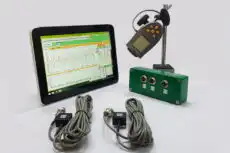
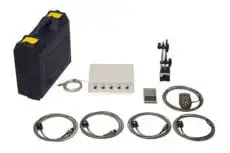
Permanent installerade närhetssensorer kopplade till ett övervakningssystem är lärobokens metod för att registrera en orbit på stora kritiska maskiner, men den grundläggande principen — två vinkelräta förflyttningssignaler plottade mot varandra med en fasreferens — är lika tillgänglig för fältingenjören. Ett bärbart tvåkanalsinstrument som Balanset-1A mäter synkron amplitud och fas i två plan samtidigt, så när en orbit eller ett spektrum har bekräftat att obalans är den dominerande kraften, bär samma uppsättning rakt igenom till fältbalansering och verifiering av det korrigerade tillståndet. När orbiten i stället avslöjar obalans i inriktningen, gnidning eller instabilitet, leder det fyndet om arbetet mot inriktning eller en mekanisk åtgärd snarare än balansering.
Förskjutningsbana jämfört med hastighetsbana
De två är inte samma mätning, och skillnaden avgör vad du får dra för slutsatser av bilden. Ett par beröringsfria (proximity-)givare läser axelns läge förflyttning i förhållande till lagret, så diagrammet är en verklig karta över var axeltappen befinner sig inom sitt spel, och signalens likströmsdel (DC) ger axelns centrumlinje. En bärbar tvåkanalsanalysator med accelerometrar fästa på lagerhusen ritar två hastighet kanaler mot varandra, i mm/s: det du ser är lagerhusets rörelse, inte axelns läge.
Det som överlever bytet av givare är geometrin. Form, orientering och precessionsriktning bestäms av mönstret av krafter som verkar på rotorn snarare än av givaren, så de välkända familjerna dyker ändå upp — en jämn ellips när 1× dominerar, en halvmåne eller åtta när en stark 2×-komponent finns, plattade sidor och veck vid nötning. Det som inte överlever är den absoluta positionen: en hastighetsbana kan inte tala om hur mycket spel som återstår, och den kan inte räknas om till mikrometer axelrörelse. Använd den i fält för att identifiera felfamiljen; ta fram beröringsfria givare när frågan gäller var axeln faktiskt rör sig.
Var banan finns i Balanset-programvaran
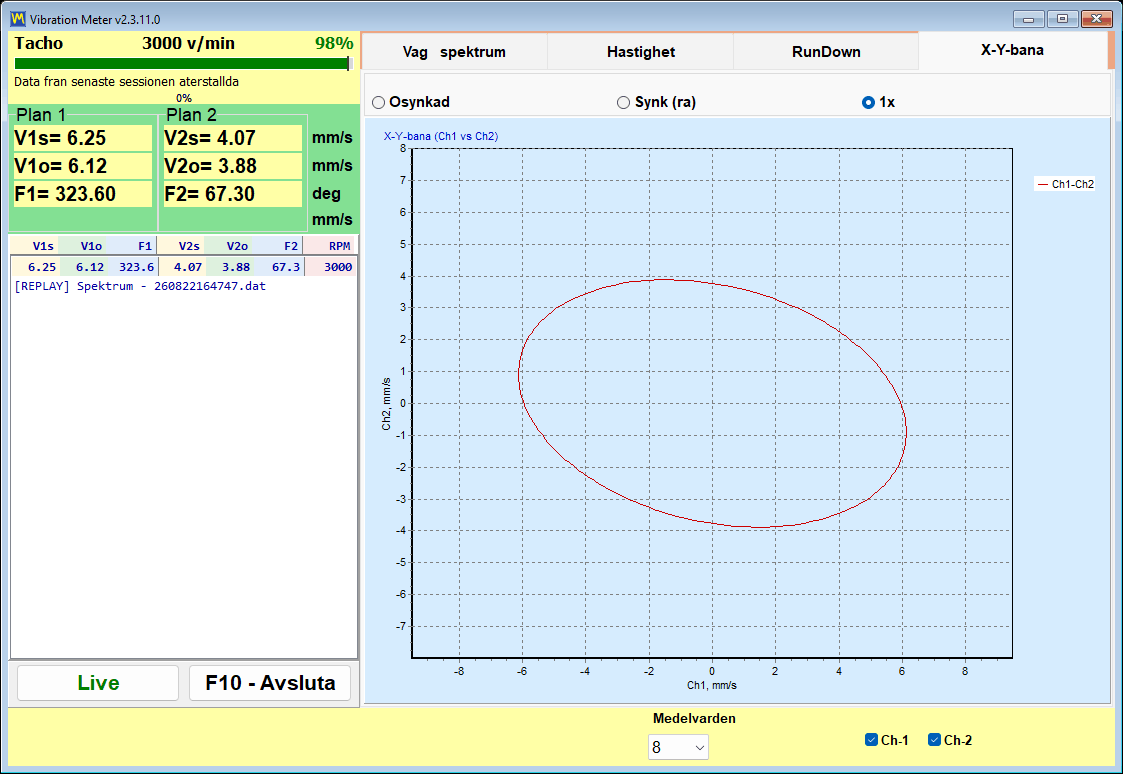
På en Balanset-1A är banan en flik i vibrationsmätarfönstret, som öppnas med F5-tangenten från huvudfönstret; fönstret kräver enhetens firmware 5.5.0 eller senare. Fliken „X-Y Orbit" ritar kanal 1 på en axel mot kanal 2 på den andra i skala 1:1, så en cirkel på skärmen är verkligen en cirkel och inte en artefakt av ojämna axlar. På fyrakanaliga Balanset-4A ritas en andra bana, för kanal 3 och 4, under den första.
En brytare ovanför diagrammet avgör vad som ritas:
| Läge | Vad som ritas | När det är rätt vy |
|---|---|---|
| Unsynced | Den råa banan, utan referens till varvet | Ingen varvtalsgivare finns tillgänglig, eller du vill se allt signalen innehåller |
| Sync (raw) | De senaste varven överlagrade, justerade efter varvtalsgivarens märke | Bedömning av repeterbarhet — en stabil, sluten figur betyder att rörelsen upprepas varv efter varv |
| 1× | Enbart rotationskomponenten: en ren ellips som stämmer med värdena V·o och F | Bekräftelse av obalansvektorn före balansering |
Utan varvtalsgivarens märke har de två synkroniserade lägena inget att synkronisera mot, programmet anger detta direkt i diagrammets rubrik, och „Unsynced" blir den enda ärliga vyn. Detta är den praktiska formen av det som togs upp i avsnitt 3: utan en referens per varv finns ingen känd precessionsriktning.
Att läsa siffrorna bredvid banan
Rutorna bredvid diagrammet visar tre värden per mätplan, och tillsammans är de den snabbaste rimlighetskontrollen innan du börjar tolka formerna:
- V·s — bredbandig RMS-hastighet över arbetsbandet, i mm/s.
- V·o — enbart 1×-komponenten, vid rotationsfrekvensen, i mm/s.
- F - den fas för denna 1×-komponent, i grader.
Rotationskomponenten är per definition en del av totalen, så V·o kan aldrig överstiga V·s, och förhållandet mellan dem förutsäger banans form innan du ens tittar på den. När V·o ligger nära V·s finns nästan all energi vid 1×, banan krymper till en ren ellips och obalans är den dominerande kraften. När V·o är märkbart mindre består skillnaden av övertoner och bredbandigt brus — och det är just denna rest som böjer ellipsen till halvmånar, åttor och veck som beskrivs i avsnitt 2. En kraftigt förvrängd bana rapporterad tillsammans med V·o ≈ V·s är en motsägelse, och instrumenteringen är det första som bör kontrolleras.
Under varje plan sitter en stabilitetsindikator: grå medan avläsningen fortfarande driver, grön när variationskoefficienten för de senaste tolv strömvärdena sjunker under 10 %, orange när spridningen överstiger 20 %. En bana som fångats medan indikatorn är orange är ingen diagnos — det är bara ett foto av en maskin som ännu inte stabiliserat sig.
Bekräftelse av formen mot spektrumet
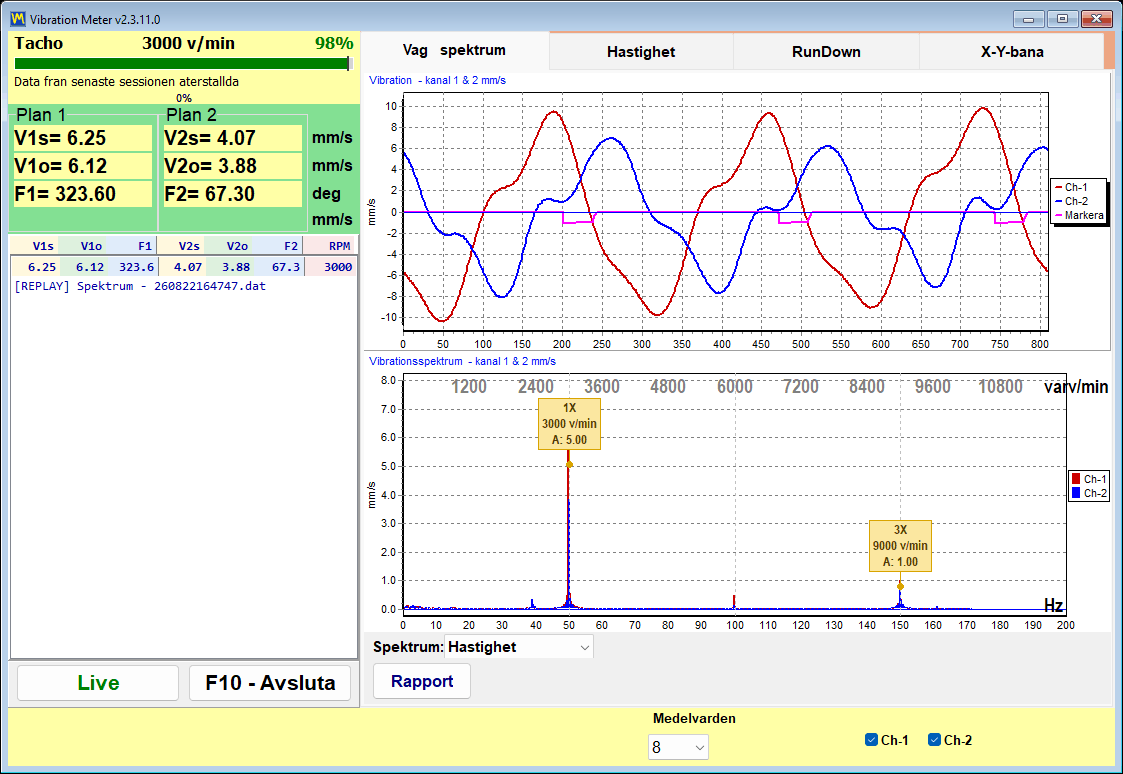
Banan visar att något förvränger ellipsen; spektrumet visar vilken ordning som ligger bakom. Fliken „Wave Spectrum" i samma fönster visar vågformen ovanför och hastighetsspektrumet nedanför, med streckade linjer placerade exakt vid multiplar av den uppmätta rotationshastigheten snarare än vid närmaste höga stapel — så en topp som missar sin markering är alls ingen övertonston av axelhastigheten och hör snarare till lager, kuggingrepp eller bladpassage. En dominerande 2× bredvid en halvmåne- eller åtteformad bana pekar på feljustering; en topp mellan 0,43× och 0,48× under en drivande, instabil bana är det typiska tecknet på oljevirvel; bredbandigt innehåll med plattade banssidor pekar på ett gnugga.
Väljaren under diagrammet växlar spektrumet mellan hastighet och acceleration. Använd hastighetsaxeln när du resonerar om banan, eftersom själva banan ritas från hastighetskanalerna.
Att följa banan genom en resonans
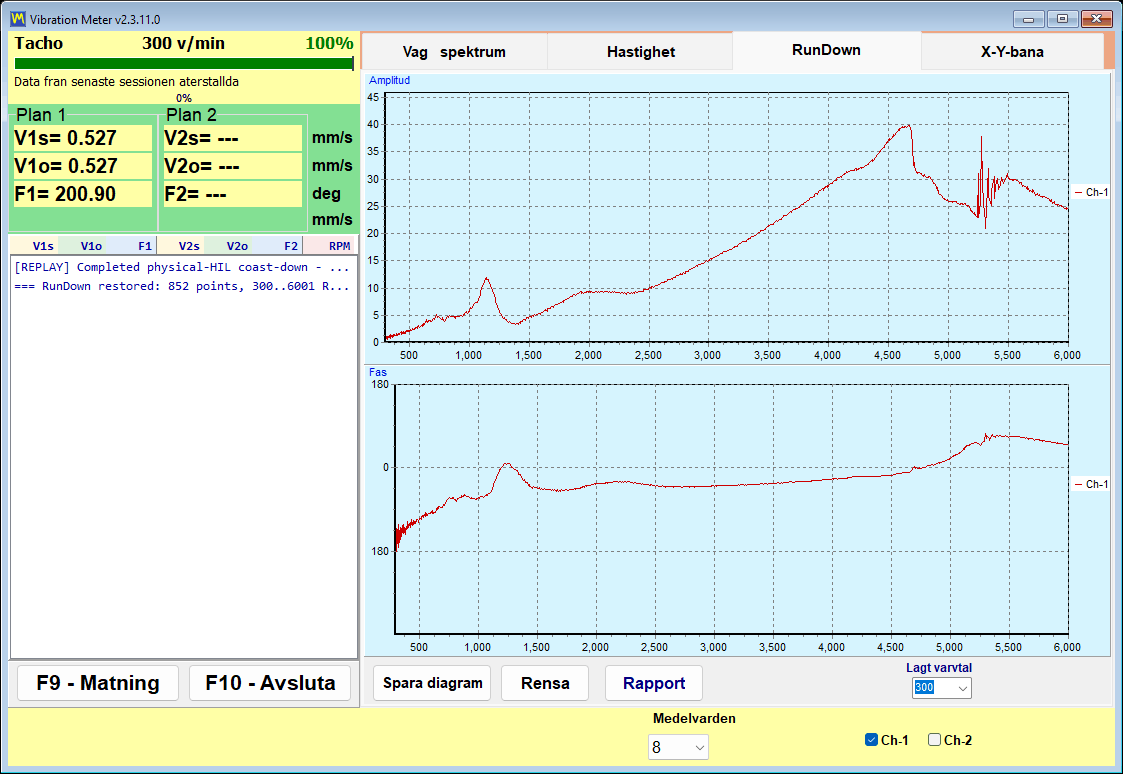
En bana är ett ögonblicksbild vid ett visst varvtal, och formen kan förändras helt några hundra varv bort. Fliken „Run-down" registrerar istället hela nedfasningen: amplitud och fas för 1× loggas mot fallande varvtal, ett rått värde per varv utan utjämning, ner till en stopptröskel som kan ställas in var som helst mellan 100 och 2000 varv/min och som är 300 som standard. En resonans avslöjar sig som en amplitudtopp åtföljd av en fasrotation på ungefär 180° — samma kritiska varvtal som ett Campbell-diagrammet förutsäger som platsen där en excitationslinje korsar en egenfrekvenskurva. Den fullständiga nedfasningsrapporten behåller X-Y-banan som fångats vid arbetsvarvtal bredvid dessa kurvor, så formen och resonanskartan hamnar i ett och samma dokument.
5. Vad ett orbitdiagram visar
Sammanfattningsvis ger ett enda orbitdiagram en mängd information i en enda blick:
- Den totala amplituden för axelvibrationen.
- Formen på axelns rörelse, vilket hjälper till att identifiera feltypen.
- Precessionens riktning, framåt eller bakåt.
- Axelns genomsnittliga läge inom lagerutrymmet — dess axelns centrumlinje.
Analyserad tillsammans med FFT-spektrumet och tidssignalen låter orbiten en analytiker nå en mycket säker och detaljerad diagnos av en maskins dynamiska beteende — som kombinerar “hur mycket,” “vilken form” och “i vilken riktning” till en avgörande bild.

