ਲੇਥਾਂ 'ਤੇ ਰੋਟਰ ਬੈਲੈਂਸਿੰਗ: ਉਤਪਾਦ ਗੁਣਵੱਤਾ ਸੁਧਾਰਨ ਲਈ ਇੱਕ ਲਾਗਤ-ਪ੍ਰਭਾਵੀ ਹੱਲ
ਆਧੁਨਿਕ ਨਿਰਮਾਣ ਵਿੱਚ, ਜਿੱਥੇ ਉਤਪਾਦ ਦੀ ਗੁਣਵੱਤਾ ਸਭ ਤੋਂ ਵੱਧ ਮਹੱਤਵਪੂਰਨ ਹੈ, ਰੋਟਰ ਬੈਲੇਂਸਿੰਗ ਤਕਨੀਕੀ ਪ੍ਰਕਿਰਿਆ ਦਾ ਇੱਕ ਜ਼ਰੂਰੀ ਹਿੱਸਾ ਬਣ ਜਾਂਦੀ ਹੈ। ਹਾਲਾਂਕਿ, ਵਿਸ਼ੇਸ਼ ਬੈਲੈਂਸਿੰਗ ਉਪਕਰਣ ਖਰੀਦਣਾ ਛੋਟੇ ਅਤੇ ਦਰਮਿਆਨੇ ਆਕਾਰ ਦੇ ਉਦਯੋਗਾਂ ਲਈ ਮਹਿੰਗਾ ਹੋ ਸਕਦਾ ਹੈ। ਇਸ ਲੇਖ ਵਿੱਚ, ਅਸੀਂ ਲੇਥਾਂ ਦੀ ਵਰਤੋਂ ਕਰਨ ਦੀ ਸੰਭਾਵਨਾ ਦੀ ਪੜਚੋਲ ਕਰਦੇ ਹਾਂ ਰੋਟਰ ਬੈਲੈਂਸਿੰਗ ਲਈ, ਜੋ ਉਪਕਰਣ ਦੀ ਲਾਗਤ ਨੂੰ ਕਾਫ਼ੀ ਹੱਦ ਤੱਕ ਘਟਾ ਸਕਦੀ ਹੈ ਅਤੇ ਉਤਪਾਦਨ ਕੁਸ਼ਲਤਾ ਵਿੱਚ ਸੁਧਾਰ ਕਰ ਸਕਦੀ ਹੈ।
ਬੈਲੈਂਸਿੰਗ ਲਈ ਇੱਕ ਸੰਦ ਵਜੋਂ ਲੇਥ
ਲੇਥ, ਆਪਣੇ ਡਿਜ਼ਾਈਨ ਅਤੇ ਕਾਰਜਸ਼ੀਲਤਾ ਦੇ ਕਾਰਨ, ਵੱਖ-ਵੱਖ ਕਿਸਮਾਂ ਅਤੇ ਆਕਾਰਾਂ ਦੇ ਰੋਟਰਾਂ ਨੂੰ ਬੈਲੇਂਸ ਕਰਨ ਲਈ ਸਫਲਤਾਪੂਰਵਕ ਵਰਤੀ ਜਾ ਸਕਦੀ ਹੈ। ਇਸ ਪਹੁੰਚ ਦਾ ਮੁੱਖ ਫਾਇਦਾ ਲਾਗਤ ਦੀ ਬੱਚਤ ਹੈ, ਕਿਉਂਕਿ ਮਹਿੰਗੇ ਵਿਸ਼ੇਸ਼ ਉਪਕਰਣ ਖਰੀਦਣ ਦੀ ਲੋੜ ਨਹੀਂ ਹੁੰਦੀ। ਇਸ ਤੋਂ ਇਲਾਵਾ, ਲੇਥ ਵਰਤਣ ਨਾਲ ਰੋਟਰ ਦੇ ਨਿਰਮਾਣ ਦੌਰਾਨ ਹੀ ਸਿੱਧੀ ਬੈਲੇਂਸਿੰਗ ਕੀਤੀ ਜਾ ਸਕਦੀ ਹੈ, ਜੋ ਉਤਪਾਦਨ ਸਮਾਂ ਘਟਾਉਂਦੀ ਹੈ ਅਤੇ ਉਤਪਾਦ ਦੀ ਗੁਣਵੱਤਾ ਸੁਧਾਰਦੀ ਹੈ।
ਬੈਲੈਂਸਿੰਗ ਲਈ ਤਿਆਰੀ
ਬੈਲੈਂਸਿੰਗ ਪ੍ਰਕਿਰਿਆ ਸ਼ੁਰੂ ਕਰਨ ਤੋਂ ਪਹਿਲਾਂ, ਕਈ ਤਿਆਰੀ ਦੇ ਕਦਮ ਚੁੱਕਣੇ ਜ਼ਰੂਰੀ ਹਨ:
- ਢੁਕਵੀਂ ਲੇਥ ਚੁਣਨਾ: ਭਰੋਸੇਯੋਗ ਰੋਟਰ ਮਾਊਂਟਿੰਗ ਅਤੇ ਸਟੀਕ ਵਾਈਬ੍ਰੇਸ਼ਨ ਮਾਪਾਂ ਨੂੰ ਯਕੀਨੀ ਬਣਾਉਣ ਲਈ ਲੇਥ ਵਿੱਚ ਲੋੜੀਂਦੀ ਕਠੋਰਤਾ ਅਤੇ ਸ਼ੁੱਧਤਾ ਹੋਣੀ ਚਾਹੀਦੀ ਹੈ।
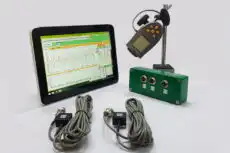
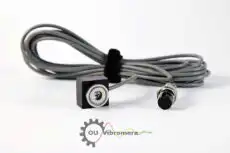
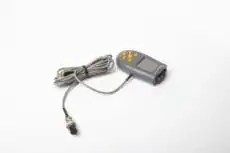
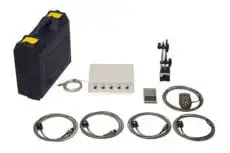
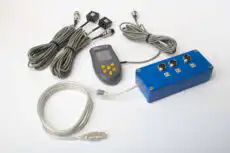
- ਮਾਪ ਪ੍ਰਣਾਲੀ ਸਥਾਪਿਤ ਕਰਨਾ: ਰੋਟਰ ਦਾ ਮਾਪ ਲੈਣ ਲਈ ਵਾਈਬ੍ਰੇਸ਼ਨ ਲੇਥ 'ਤੇ, ਇੱਕ ਪੋਰਟੇਬਲ ਬੈਲੈਂਸਰ ਜਿਵੇਂ ਕਿ Balanset-1A ਵਰਤਿਆ ਜਾ ਸਕਦਾ ਹੈ। ਇਸ ਵਿੱਚ ਵਾਈਬ੍ਰੇਸ਼ਨ ਸੈਂਸਰ, ਇੱਕ ਟੈਕੋਮੀਟਰ, ਅਤੇ ਡਾਟਾ ਵਿਸ਼ਲੇਸ਼ਣ ਅਤੇ ਸੁਧਾਰਾਤਮਕ ਪੁੰਜ ਗਣਨਾ ਲਈ ਸਾਫਟਵੇਅਰ ਸ਼ਾਮਲ ਹੈ।
- ਸਪਿੰਡਲ ਦੇ ਆਪਣੇ ਅਸੰਤੁਲਨ ਨਾਲ ਨਜਿੱਠਣਾ: ਤੁਹਾਨੂੰ ਲੇਥ ਸਪਿੰਡਲ ਨੂੰ ਖੁਦ ਬੈਲੇਂਸ ਕਰਨ ਦੀ ਲੋੜ ਨਹੀਂ। ਲੇਥ ਨੂੰ ਸਿਰਫ਼ ਚੱਕ ਨਾਲ ਚਲਾਓ (ਰੋਟਰ ਹਟਾਇਆ ਹੋਇਆ) ਅਤੇ ਕੰਪਨ ਵੈਕਟਰ ਰਿਕਾਰਡ ਕਰੋ: ਇਹ ਸਪਿੰਡਲ ਅਤੇ ਚੱਕ ਦੁਆਰਾ ਯੋਗਦਾਨ ਪਾਇਆ ਗਿਆ ਬੇਸਲਾਈਨ ਹੈ। ਜੇ ਇਹ ਰੋਟਰ ਰੀਡਿੰਗ ਦਾ ਇੱਕ ਮਹੱਤਵਪੂਰਨ ਹਿੱਸਾ ਹੈ, ਤਾਂ ਜਾਂ ਤਾਂ ਇਸਨੂੰ ਘਟਾਓ, ਜਾਂ — ਬਿਹਤਰ — 180° ਇੰਡੈਕਸ ਰਨ (“Mandrel eccentricity elimination” ਫੰਕਸ਼ਨ, “F7 - Run Ecc”) ਵਰਤੋ, ਜੋ ਆਪਣੇ ਆਪ ਉਸ ਸਭ ਕੁਝ ਨੂੰ ਵੱਖ ਕਰ ਦਿੰਦਾ ਹੈ ਜੋ ਰੋਟਰ ਨਾਲ ਨਹੀਂ ਘੁੰਮਦਾ।
- ਰੋਟਰ ਨੂੰ ਮਸ਼ੀਨ ਨਾਲ ਮੇਲਣਾ, ਸਪਿੰਡਲ ਨਾਲ ਨਹੀਂ: ਮਹੱਤਵਪੂਰਨ ਇਹ ਹੈ ਕਿ ਰੋਟਰ ਦਾ ਅਸੰਤੁਲਨ ਬਲ ਬੇਅਰਿੰਗ ਹਾਊਸਿੰਗਾਂ ਉੱਤੇ ਮਾਪਣਯੋਗ ਪ੍ਰਤੀਕਿਰਿਆ ਪੈਦਾ ਕਰਦਾ ਹੈ। ਇੱਕ ਭਾਰਾ, ਕਠੋਰ ਲੇਥ ਅਸੰਤੁਲਨ ਦੇ ਪ੍ਰਤੀ ਗ੍ਰਾਮ ਬਹੁਤ ਘੱਟ ਪ੍ਰਤੀਕਿਰਿਆ ਦਿੰਦਾ ਹੈ, ਇਸ ਲਈ ਬਹੁਤ ਹਲਕੇ ਰੋਟਰ 'ਤੇ ਸਿਗਨਲ ਸ਼ੋਰ ਵਿੱਚ ਗੁੰਮ ਹੋ ਜਾਂਦਾ ਹੈ, ਜਦਕਿ ਬਹੁਤ ਭਾਰਾ ਰੋਟਰ ਚੱਕ ਜਾਂ ਬੇਅਰਿੰਗਾਂ ਦੇ ਦਰਜ ਲੋਡ ਤੋਂ ਵੱਧ ਸਕਦਾ ਹੈ। ਵਿਹਾਰ ਵਿੱਚ, ਕਿਸੇ ਵੀ ਪ੍ਰਭਾਵ ਗੁਣਾਂਕ 'ਤੇ ਭਰੋਸਾ ਕਰਨ ਤੋਂ ਪਹਿਲਾਂ ਜਾਂਚ ਕਰੋ ਕਿ ਸਹੀ ਆਕਾਰ ਦਾ ਟ੍ਰਾਇਲ ਵਜ਼ਨ ਸਾਫ਼, ਦੁਹਰਾਉਣਯੋਗ ਐਂਪਲੀਟਿਊਡ ਅਤੇ ਫੇਜ਼ ਤਬਦੀਲੀ ਦਿੰਦਾ ਹੈ।
- ਬੈਲੇਂਸਿੰਗ ਤੋਂ ਪਹਿਲਾਂ ਰਬੜ ਕਵਰ ਦਾ ਰਨਆਊਟ ਚੈੱਕ ਕਰਨਾ: ਰਬਰਾਈਜ਼ਡ ਸ਼ਾਫਟ ਉੱਤੇ, ਮਾਸ ਅਸੰਤੁਲਨ ਅਤੇ ਕਵਰਿੰਗ ਦਾ ਜਿਓਮੈਟ੍ਰਿਕ ਰਨਆਊਟ ਦੋ ਵੱਖ-ਵੱਖ ਨੁਕਸ ਹਨ। ਬੈਲੇਂਸਿੰਗ 1× ਫੋਰਸ ਨੂੰ ਰੱਦ ਕਰਦੀ ਹੈ; ਇਹ ਇੱਕ ਐਕਸੈਂਟ੍ਰਿਕ ਜਾਂ ਓਵਲ ਕਵਰ ਨੂੰ ਗੋਲ ਨਹੀਂ ਬਣਾ ਸਕਦੀ। ਕਵਰ ਕੀਤੀ ਸਤਹ ਦੇ ਸਾਹਮਣੇ ਡਾਇਲ ਇੰਡੀਕੇਟਰ ਸੈੱਟ ਕਰੋ ਅਤੇ ਸ਼ਾਫਟ ਨੂੰ ਹੱਥ ਨਾਲ ਘੁਮਾਓ: ਜੇ ਕੁੱਲ ਦਰਸਾਇਆ ਰਨਆਊਟ ਉਤਪਾਦ ਟੌਲਰੈਂਸ ਤੋਂ ਵੱਧ ਹੋਵੇ, ਤਾਂ ਪਹਿਲਾਂ ਕਵਰ ਨੂੰ ਕੌਨਸੈਂਟ੍ਰਿਕ ਗ੍ਰਾਈਂਡ ਜਾਂ ਟਰਨ ਕਰੋ — ਉਸੇ ਲੇਥ ਉੱਤੇ — ਅਤੇ ਫਿਰ ਹੀ ਬੈਲੇਂਸ ਕਰੋ। ਇੱਕ ਸ਼ਾਫਟ ਜੋ ਬੈਲੇਂਸ ਹੈ ਪਰ ਫਿਰ ਵੀ ਰਨਆਊਟ ਕਰਦਾ ਹੈ, ਕੰਪਨ ਰੀਡਿੰਗ ਭਾਵੇਂ ਕਿੰਨੀ ਵੀ ਘੱਟ ਹੋ ਜਾਵੇ, ਗੇਜ ਬੈਂਡ, ਲਕੀਰਾਂ ਅਤੇ ਨਿਪ-ਪ੍ਰੈਸ਼ਰ ਵੇਰੀਏਸ਼ਨ ਪੈਦਾ ਕਰਦਾ ਰਹੇਗਾ।
ਇਸ ਲੇਖ ਵਿੱਚ, ਮੈਂ ਸਾਡੇ ਤਜਰਬੇ ਅਤੇ ਵਿਧੀ ਦਾ ਵੇਰਵਾ ਦੇਵਾਂਗਾ ਡਾਇਨਾਮਿਕ ਤੌਰ 'ਤੇ ਬੈਲੈਂਸ ਕਰਨ ਵਿੱਚ ਲੇਥ ਮਸ਼ੀਨ 'ਤੇ ਰਬਰਾਈਜ਼ਡ ਸ਼ਾਫਟ – ਇੱਕ ਹੱਲ ਜਿਸ ਬਾਰੇ, ਮੰਨਦਾ ਹਾਂ, ਮੈਂ ਸ਼ੁਰੂ ਵਿੱਚ ਅਜਿਹੀ ਮਸ਼ੀਨਰੀ ਦੀ ਅੰਦਰੂਨੀ ਕਠੋਰਤਾ ਅਤੇ ਭਾਰੀ ਵਜ਼ਨ ਕਾਰਨ ਸ਼ੱਕੀ ਸੀ। ਹੈਰਾਨੀ ਦੀ ਗੱਲ ਹੈ ਕਿ, ਕੰਮ ਬਿਨਾਂ ਕਿਸੇ ਰੁਕਾਵਟ ਤੋਂ ਪੂਰਾ ਹੋਇਆ, G 6.3 ਬੈਲੇਂਸ ਕੁਆਲਿਟੀ ਗ੍ਰੇਡ ਪ੍ਰਾਪਤ ਕਰਦੇ ਹੋਏ (ISO 21940-11, ਪਹਿਲਾਂ ISO 1940-1).
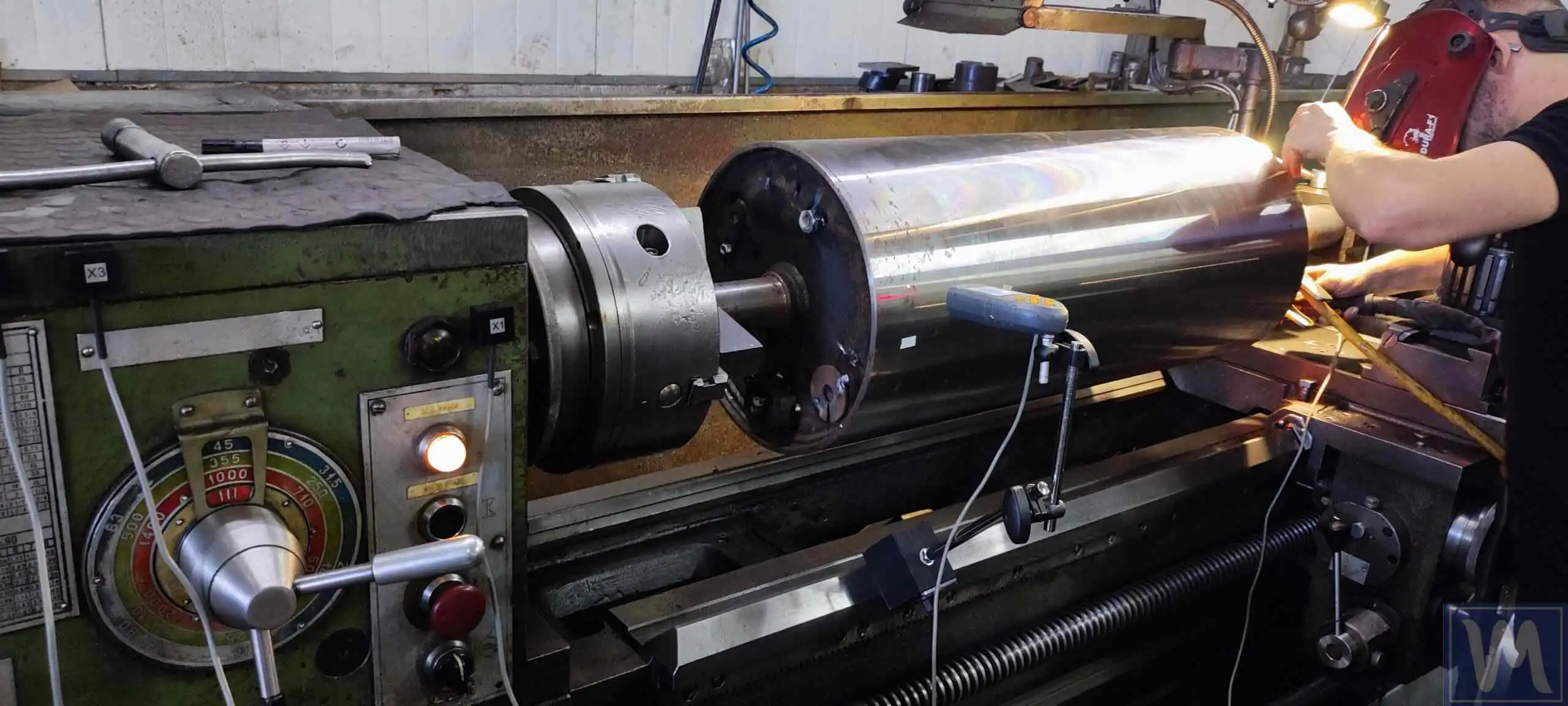
ਸਿਧਾਂਤ ਵਿੱਚ ਲੇਥ 'ਤੇ ਰੋਟਰ ਬੈਲੈਂਸਿੰਗ ਪ੍ਰਕਿਰਿਆ
ਲੇਥ 'ਤੇ ਰੋਟਰ ਬੈਲੈਂਸਿੰਗ ਪ੍ਰਕਿਰਿਆ ਵਿੱਚ ਹੇਠ ਲਿਖੇ ਕਦਮ ਸ਼ਾਮਲ ਹਨ:
ਰੋਟਰ ਨੂੰ ਸੁਰੱਖਿਅਤ ਕਰਨਾ
ਬੈਲੈਂਸਿੰਗ ਪ੍ਰਕਿਰਿਆ ਦੌਰਾਨ ਸਥਿਰਤਾ ਯਕੀਨੀ ਬਣਾਉਣ ਲਈ ਰੋਟਰ ਨੂੰ ਲੇਥ ਚੱਕ ਜਾਂ ਸੈਂਟਰਾਂ 'ਤੇ ਸੁਰੱਖਿਅਤ ਢੰਗ ਨਾਲ ਮਾਊਂਟ ਕੀਤਾ ਜਾਂਦਾ ਹੈ।
ਸੈਂਸਰ ਸਥਾਪਿਤ ਕਰਨਾ
ਹਰੇਕ ਕਰੈਕਸ਼ਨ ਪਲੇਨ ਲਈ ਇੱਕ ਵਾਈਬ੍ਰੇਸ਼ਨ ਸੈਂਸਰ ਲਗਾਓ — ਇੱਕ ਹੈੱਡਸਟੌਕ ਬੇਅਰਿੰਗ ਹਾਊਸਿੰਗ 'ਤੇ ਅਤੇ ਇੱਕ ਟੇਲਸਟੌਕ ਜਾਂ ਸਟੈਡੀ-ਰੈਸਟ ਹਾਊਸਿੰਗ 'ਤੇ — ਰੇਡੀਅਲੀ, ਬੇਅਰਿੰਗ ਦੇ ਜਿੰਨਾ ਸੰਭਵ ਹੋ ਸਕੇ ਨੇੜੇ, ਮੈਗਨੈਟਿਕ ਬੇਸ ਰਾਹੀਂ ਸਾਫ਼ ਮਸ਼ੀਨਡ ਮੈਟਲ ਸਤਹ 'ਤੇ। ਲੇਥ ਬੈੱਡ, ਏਪ੍ਰੋਨ ਜਾਂ ਗਾਰਡ 'ਤੇ ਸੈਂਸਰ ਨਾ ਲਗਾਓ: ਉੱਥੇ 1× ਸਿਗਨਲ ਘਟ ਜਾਂਦਾ ਹੈ ਅਤੇ ਸਟ੍ਰਕਚਰ ਦਾ ਹਾਵੀ ਹੁੰਦਾ ਹੈ। ਚਿਪਕਾਓ ਪਰਾਵਰਤਕ ਟੇਪ ਇੱਕ ਧਾਤ ਦੀ ਸਤ੍ਹਾ 'ਤੇ (ਸ਼ਾਫਟ ਦਾ ਸਿਰਾ ਜਾਂ ਚੱਕ), ਰਬੜ ਦੀ ਪਰਤ 'ਤੇ ਨਹੀਂ, ਅਤੇ ਲੇਜ਼ਰ ਟੈਕੋਮੀਟਰ ਨੂੰ ਇਸਦੇ ਲੰਬਵਤ ਨਿਸ਼ਾਨਾ ਬਣਾਓ।
ਸ਼ੁਰੂਆਤੀ ਵਾਈਬ੍ਰੇਸ਼ਨ ਦਾ ਮਾਪ ਲੈਣਾ
ਸ਼ੁਰੂਆਤੀ ਕੰਪਨ ਪੱਧਰ ਉਸ ਸਪੀਡ 'ਤੇ ਮਾਪਿਆ ਜਾਂਦਾ ਹੈ ਜੋ ਤੁਸੀਂ ਪੂਰੇ ਕੰਮ ਲਈ ਵਰਤੋਗੇ। ਸਾਰੇ ਰਨ — Run 0, ਟ੍ਰਾਇਲ ਰਨ ਅਤੇ ਟ੍ਰਿਮ ਰਨ — ਇੱਕੋ ਸਪੀਡ 'ਤੇ ਕੀਤੇ ਜਾਣੇ ਚਾਹੀਦੇ ਹਨ, ਕਿਉਂਕਿ ਪ੍ਰਭਾਵ ਗੁਣਾਂਕ ਸਿਰਫ਼ ਉਸ ਸਪੀਡ ਲਈ ਵੈਧ ਹੁੰਦੇ ਹਨ ਜਿਸ 'ਤੇ ਉਹ ਮਾਪੇ ਗਏ ਸਨ।
ਇਕਸੈਂਟ੍ਰਿਸਿਟੀ ਦਾ ਹਿਸਾਬ ਰੱਖਣਾ (Run 0 ਤੋਂ ਤੁਰੰਤ ਬਾਅਦ)
ਫਿਕਸਚਰ ਅਤੇ ਮੈਂਡਰਲ ਐਕਸੈਂਟ੍ਰਿਸਿਟੀ (ਕੇਂਦਰ-ਭ੍ਰਿਸ਼ਟਤਾ) Run 0 ਰੀਡਿੰਗ ਵਿੱਚ ਇੱਕ ਵੈਕਟਰ ਜੋੜਦਾ ਹੈ ਜੋ ਅਸੰਤੁਲਨ ਨਹੀਂ ਹੈ, ਅਤੇ ਇਸ ਲਈ ਕਰੈਕਸ਼ਨ ਕਰਨਾ ਗਲਤ ਹੋਵੇਗਾ। ਟ੍ਰਾਇਲ ਵੇਟ ਤੋਂ ਪਹਿਲਾਂ ਇਸਨੂੰ ਸੰਭਾਲੋ, ਬਾਅਦ ਵਿੱਚ ਨਹੀਂ: Balanset-1A ਸਾਫਟਵੇਅਰ ਵਿੱਚ “Mandrel eccentricity elimination” ਚੈੱਕਬਾਕਸ ਟਿੱਕ ਕਰੋ, Run 0 ਪੂਰਾ ਕਰੋ, ਫਿਰ ਫਿਕਸਚਰ ਵਿੱਚ ਰੋਟਰ ਨੂੰ 180° ਘੁਮਾਓ ਅਤੇ “F7 - Run Ecc” ਦਬਾਓ। ਸਾਫਟਵੇਅਰ ਵੈਕਟਰ ਹਾਫ-ਸਮ ਨੂੰ ਐਕਸੈਂਟ੍ਰਿਸਿਟੀ ਵਜੋਂ ਅਤੇ ਵੈਕਟਰ ਹਾਫ-ਡਿਫਰੈਂਸ ਨੂੰ ਸੱਚੇ ਅਸੰਤੁਲਨ ਵਜੋਂ ਲੈਂਦਾ ਹੈ, ਅਤੇ ਤਾਂ ਹੀ ਟ੍ਰਾਇਲ ਰਨ ਨੂੰ ਅਨਲੌਕ ਕਰਦਾ ਹੈ। ਕਰੈਕਸ਼ਨ ਵੇਟ ਪਹਿਲਾਂ ਹੀ ਵੈਲਡ ਹੋ ਜਾਣ ਤੋਂ ਬਾਅਦ ਇਹ ਕਰਨ ਦਾ ਮਤਲਬ ਹੈ ਉਹਨਾਂ ਨੂੰ ਦੁਬਾਰਾ ਗਿਣਨਾ ਅਤੇ ਦੁਬਾਰਾ ਕਰਨਾ।
ਟ੍ਰਾਇਲ ਵਜ਼ਨ ਕਿੰਨਾ ਵੱਡਾ ਹੋਣਾ ਚਾਹੀਦਾ ਹੈ?
ਇੱਕ ਸੁਰੱਖਿਅਤ ਸ਼ੁਰੂਆਤੀ ਬਿੰਦੂ ਉਹ ਵਜ਼ਨ ਹੈ ਜਿਸਦਾ ਸੈਂਟਰੀਫਿਊਗਲ ਬਲ ਰੋਟਰ ਵਜ਼ਨ ਦੇ 5–10% ਦੇ ਅੰਦਰ ਰਹਿੰਦਾ ਹੈ. ਫਾਰਮੂਲੇ ਵਜੋਂ:
mtrial = k · M · g / (R · ω²), k = 0.05–0.10
ਜਿੱਥੇ M ਰੋਟਰ ਪੁੰਜ ਹੈ (kg), g = 9.81 m/s², R ਵਜ਼ਨ ਦਾ ਮਾਊਂਟਿੰਗ ਰੇਡੀਅਸ ਹੈ (m), ਅਤੇ ω = 2π·RPM/60 (rad/s). ਉਦਾਹਰਨ: 3,000 rpm 'ਤੇ 50 kg ਰੋਟਰ, R = 0.2 m 'ਤੇ ਵਜ਼ਨ ਨਾਲ m ≈ 0.07·50·9.81/(0.2·314²) ≈ 1.7 g — ਗ੍ਰਾਮ, ਸੈਂਕੜੇ ਗ੍ਰਾਮ ਨਹੀਂ। ਇਹ 50 kg ਰੋਟਰ ਲਈ ਹੈਰਾਨੀਜਨਕ ਤੌਰ 'ਤੇ ਛੋਟਾ ਲੱਗਦਾ ਹੈ, ਪਰ ਬਲ ਦੀ ਜਾਂਚ ਕਰੋ: 3,000 rpm 'ਤੇ ਉਹ 1.7 g ਪਹਿਲਾਂ ਹੀ F = m·R·ω² ≈ 34 N ਖਿੱਚਦੇ ਹਨ — ਰੋਟਰ ਦੇ ਵਜ਼ਨ ਦਾ ਲਗਭਗ 7%। ਛੋਟੇ ਤੋਂ ਸ਼ੁਰੂ ਕਰਨਾ ਹੀ ਅਸਲ ਗੱਲ ਹੈ: ਵਧਾਉਣਾ ਸਸਤਾ ਹੈ, ਜਦਕਿ ਬਹੁਤ ਵੱਡਾ ਵਜ਼ਨ ਬੇਅਰਿੰਗਾਂ ਅਤੇ ਵੈਲਡਾਂ 'ਤੇ ਅਸਲ ਲੋਡ ਹੁੰਦਾ ਹੈ। ਇਹੀ ਬਲ ਜਾਂਚ ਕਿਸੇ ਵੀ ਵਜ਼ਨ ਲਈ ਉਲਟਾ ਵੀ ਕੰਮ ਕਰਦੀ ਹੈ ਜਿਸਨੂੰ ਤੁਸੀਂ ਬੋਲਟ ਕਰਨ ਜਾ ਰਹੇ ਹੋ।
ਤੁਹਾਨੂੰ ਇਹ ਹੱਥ ਨਾਲ ਗਿਣਨ ਦੀ ਲੋੜ ਨਹੀਂ: Balanset ਸੌਫਟਵੇਅਰ ਵਿੱਚ ਇੱਕ ਪਹਿਲੇ ਟ੍ਰਾਇਲ ਵਜ਼ਨ ਦਾ ਅਨੁਮਾਨਕ ਜੋ ਤੁਹਾਡੇ ਰੋਟਰ ਡੇਟਾ ਤੋਂ ਪੁੰਜ ਅਤੇ ਸ਼ੁਰੂਆਤੀ ਕੋਣ ਦੋਵੇਂ ਸੁਝਾਉਂਦਾ ਹੈ, ਅਤੇ ਇੱਕ ਬੰਪ ਟੈਸਟ ਇਹ ਜਾਂਚਣ ਲਈ ਕਿ ਤੁਸੀਂ ਕੁਦਰਤੀ ਬਾਰੰਬਾਰਤਾ ਦੇ ਨੇੜੇ ਕੰਮ ਨਹੀਂ ਕਰ ਰਹੇ।
ਇੱਕ ਵਧੀਆ ਟ੍ਰਾਇਲ ਵਜ਼ਨ ਰੀਡਿੰਗ ਨੂੰ ਬਦਲਦਾ ਹੈ ਘੱਟੋ-ਘੱਟ ਐਂਪਲੀਟਿਊਡ ਵਿੱਚ 20–30% ਜਾਂ ਫੇਜ਼ ਵਿੱਚ 20–30°. ਜੇ ਪ੍ਰਤੀਕਿਰਿਆ ਛੋਟੀ ਹੈ, ਤਾਂ ਵਜ਼ਨ ਨੂੰ ਪੜਾਅਵਾਰ ਵਧਾਓ — “ਕੁਝ ਹੁੰਦਾ ਦੇਖਣ ਲਈ” ਸਿੱਧਾ ਭਾਰੇ ਵਜ਼ਨ 'ਤੇ ਕਦੇ ਨਾ ਜਾਓ।
ਟ੍ਰਾਇਲ ਵਜ਼ਨ ਲਗਾਉਣਾ
A ਟ੍ਰਾਇਲ ਵੇਟ (ਪਰਖ ਭਾਰ) ਜਾਣੇ-ਪਛਾਣੇ ਪੁੰਜ ਦਾ ਵਜ਼ਨ ਰੋਟਰ 'ਤੇ ਲਗਾਇਆ ਜਾਂਦਾ ਹੈ, ਅਤੇ ਕੰਪਨ ਦੁਬਾਰਾ ਮਾਪਿਆ ਜਾਂਦਾ ਹੈ। ਦੋ-ਪਲੇਨ ਬੈਲੇਂਸਿੰਗ ਲਈ ਇਹ ਹਰੇਕ ਪਲੇਨ ਵਿੱਚ ਵਾਰੀ-ਵਾਰੀ ਕੀਤਾ ਜਾਂਦਾ ਹੈ — ਪਲੇਨ 1 ਵਿੱਚ ਵਜ਼ਨ ਨਾਲ ਟ੍ਰਾਇਲ ਰਨ (Run 1), ਫਿਰ ਪਲੇਨ 2 ਵਿੱਚ ਵਜ਼ਨ ਨਾਲ ਟ੍ਰਾਇਲ ਰਨ (Run 2) — ਤਾਂ ਜੋ ਸਾਫਟਵੇਅਰ ਹਰੇਕ ਕਰੈਕਸ਼ਨ ਪਲੇਨ ਦੇ ਪ੍ਰਭਾਵ ਨੂੰ ਵੱਖਰੇ ਤੌਰ 'ਤੇ ਮਾਪ ਸਕੇ।
ਸੁਧਾਰਾਤਮਕ ਪੁੰਜਾਂ ਦੀ ਗਣਨਾ ਕਰਨਾ
Balanset-1A ਸਾਫਟਵੇਅਰ ਮਾਪ ਨਤੀਜਿਆਂ ਦਾ ਵਿਸ਼ਲੇਸ਼ਣ ਕਰਦਾ ਹੈ ਅਤੇ ਲੋੜੀਂਦੇ ਸੁਧਾਰਾਤਮਕ ਪੁੰਜਾਂ ਅਤੇ ਉਹਨਾਂ ਦੇ ਸਥਾਨ ਕੋਣਾਂ ਦੀ ਗਣਨਾ ਕਰਦਾ ਹੈ।
ਰੋਟਰ ਪੁੰਜ ਨੂੰ ਠੀਕ ਕਰਨਾ
ਰੋਟਰ ਦੇ ਡਿਜ਼ਾਈਨ ਅਤੇ ਲੇਥ ਦੀਆਂ ਸਮਰੱਥਾਵਾਂ 'ਤੇ ਨਿਰਭਰ ਕਰਦੇ ਹੋਏ, ਪੁੰਜ ਸੁਧਾਰ ਡ੍ਰਿਲਿੰਗ, ਮਿਲਿੰਗ, ਵੈਲਡਿੰਗ, ਜਾਂ ਹੋਰ ਤਰੀਕਿਆਂ ਦੁਆਰਾ ਕੀਤਾ ਜਾ ਸਕਦਾ ਹੈ।
ਬੈਲੈਂਸਿੰਗ ਦੀ ਤਸਦੀਕ
ਸੁਧਾਰ ਕਰਨ ਤੋਂ ਬਾਅਦ, ਇੱਕ ਕੰਟਰੋਲ ਵਾਈਬ੍ਰੇਸ਼ਨ ਮਾਪ ਕੀਤਾ ਜਾਂਦਾ ਹੈ। ਲੋੜੀਂਦਾ ਬੈਲੈਂਸ ਪੱਧਰ ਪ੍ਰਾਪਤ ਹੋਣ ਤੱਕ, ਜੇ ਲੋੜ ਹੋਵੇ, ਪ੍ਰਕਿਰਿਆ ਦੁਹਰਾਈ ਜਾਂਦੀ ਹੈ।
ਅਭਿਆਸ ਵਿੱਚ ਡਾਇਨਾਮਿਕ ਬੈਲੇਂਸਿੰਗ
- ਘੁੰਮਣ ਦੀ ਬਾਰੰਬਾਰਤਾ: ਆਮ ਤੌਰ 'ਤੇ, ਇਹਨਾਂ ਸ਼ਾਫਟਾਂ ਦੀ ਕਾਰਜਸ਼ੀਲ ਘੁੰਮਣ ਸਪੀਡ 300 ਤੋਂ 500 ਘੁੰਮਣ ਪ੍ਰਤੀ ਮਿੰਟ (rpm) ਦੇ ਵਿਚਕਾਰ ਹੁੰਦੀ ਹੈ। ਇਸ ਖਾਸ ਮਾਮਲੇ ਵਿੱਚ, ਅਸੀਂ 550 rpm 'ਤੇ ਬੈਲੇਂਸਿੰਗ ਕੀਤੀ।
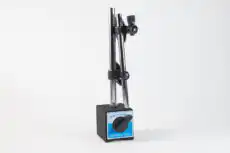
- ਸੈੱਟਅੱਪ: ਰਬੜਾਈਜ਼ਡ ਸ਼ਾਫਟ ਨੂੰ ਲੇਥ ਮਸ਼ੀਨ 'ਤੇ ਮਾਊਂਟ ਕੀਤਾ ਗਿਆ, ਜਿਸ ਤੋਂ ਬਾਅਦ ਸੈਂਸਰਾਂ ਦੀ ਰਣਨੀਤਕ ਸਥਾਪਨਾ ਕੀਤੀ ਗਈ, ਜਿਵੇਂ ਕਿ ਨਾਲ ਦੀਆਂ ਤਸਵੀਰਾਂ ਵਿੱਚ ਦਰਸਾਇਆ ਗਿਆ ਹੈ।
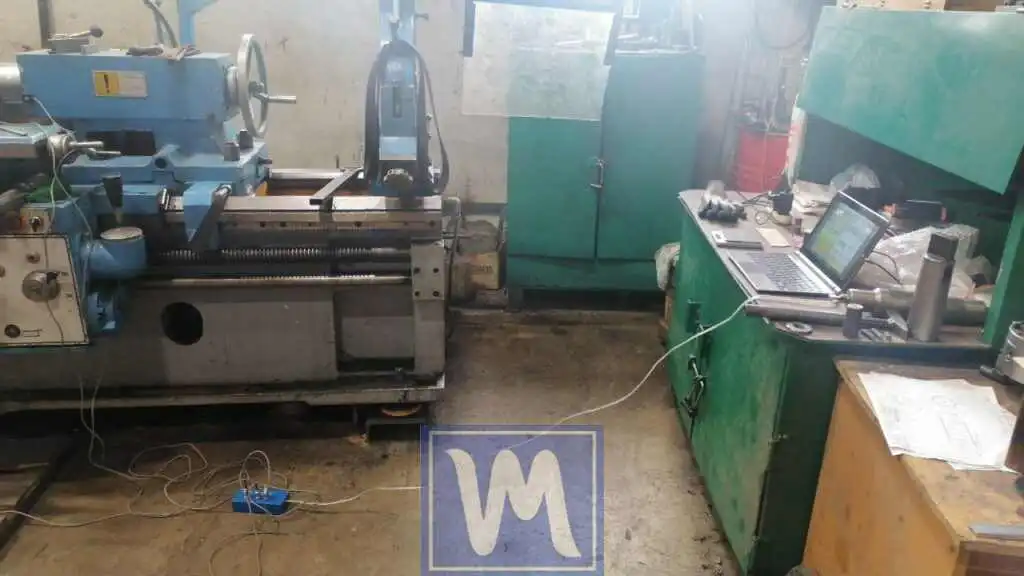
ਲੇਥ ਮਸ਼ੀਨ ਦੀ ਵਰਤੋਂ ਕਰਕੇ ਰਬੜਾਈਜ਼ਡ ਸ਼ਾਫਟਾਂ ਦੀ ਆਨ-ਸਾਈਟ ਡਾਇਨਾਮਿਕ ਬੈਲੈਂਸਿੰਗ
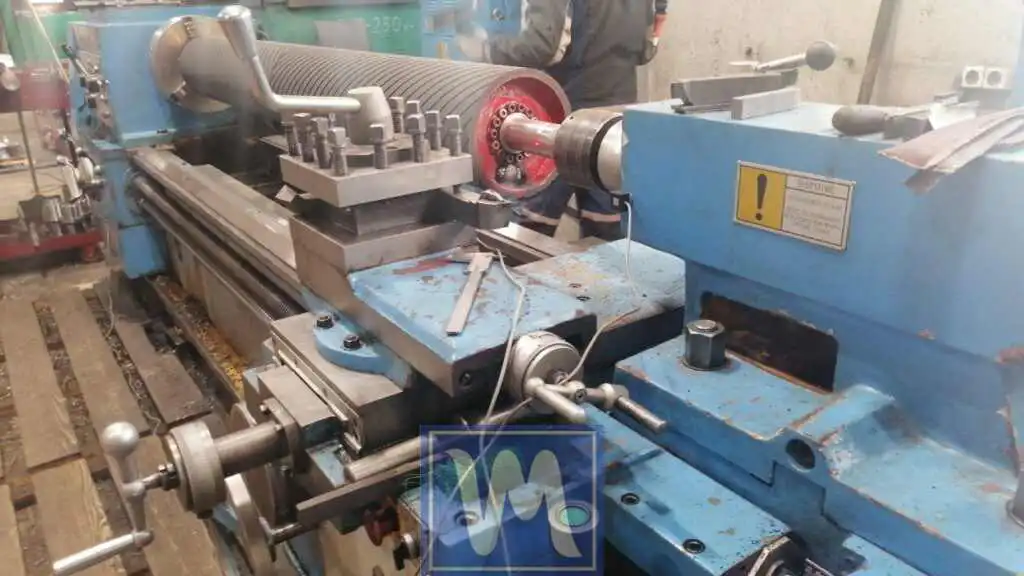
ਰਬੜਾਈਜ਼ਡ ਸ਼ਾਫਟਾਂ ਦੀ ਡਾਇਨਾਮਿਕ ਬੈਲੈਂਸਿੰਗ
- ਸ਼ੁਰੂਆਤੀ ਵਾਈਬ੍ਰੇਸ਼ਨ ਰੀਡਿੰਗ: ਬੈਲੈਂਸਿੰਗ ਤੋਂ ਪਹਿਲਾਂ, ਸ਼ੁਰੂਆਤੀ ਕੰਪਨ ਰੀਡਿੰਗਾਂ 9 mm/s ਅਤੇ 17 mm/s ਤੇ ਸਨ।
- ਟ੍ਰਾਇਲ ਰਨ: ਟੂ-ਪਲੇਨ ਕੰਮ ਲਈ ਹਰੇਕ ਪਲੇਨ ਵਿੱਚ ਵਾਰੀ-ਵਾਰੀ ਟ੍ਰਾਇਲ ਰਨ ਦੀ ਲੋੜ ਹੁੰਦੀ ਹੈ — ਪਲੇਨ 1 ਵਿੱਚ ਵਜ਼ਨ ਨਾਲ Run 1, ਫਿਰ ਪਲੇਨ 2 ਵਿੱਚ ਵਜ਼ਨ ਨਾਲ Run 2। 340 ਗ੍ਰਾਮ ਦਾ ਇੱਕ ਟ੍ਰਾਇਲ ਵਜ਼ਨ ਵੈਲਡ ਕੀਤਾ ਗਿਆ; ਇਸਨੇ ਕੰਪਨ ਅਤੇ ਫੇਜ਼ ਰੀਡਿੰਗਾਂ ਨੂੰ ਲਗਭਗ 10% ਬਦਲਦਾ ਹੈ। ਅਜਿਹੇ ਪ੍ਰਤੀਕਿਰਿਆ ਨੂੰ ਘੱਟੋ-ਘੱਟ ਮੰਨੋ: ਸਾਫ਼, ਭਰੋਸੇਯੋਗ ਮਾਪ ਲਈ ਅਸੀਂ ਆਮ ਤੌਰ 'ਤੇ ਅਜਿਹੇ ਟ੍ਰਾਇਲ ਵਜ਼ਨ ਦਾ ਟੀਚਾ ਰੱਖਦੇ ਹਾਂ ਜੋ ਕੰਪਨ ਵੈਕਟਰ ਨੂੰ 25–50% ਬਦਲੇ, ਪਰ ਇੱਕ ਭਾਰਾ, ਕਠੋਰ ਲੇਥ ਟ੍ਰਾਇਲ ਪੁੰਜ ਦੇ ਪ੍ਰਤੀ ਗ੍ਰਾਮ ਬਹੁਤ ਘੱਟ ਪ੍ਰਤੀਕਿਰਿਆ ਦਿੰਦਾ ਹੈ।
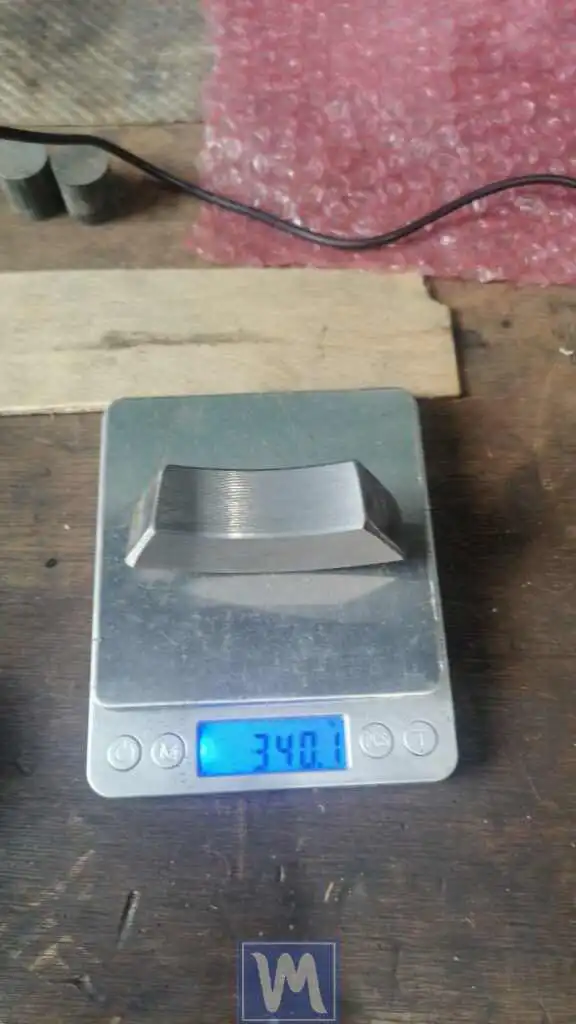
- ਬੈਲੇਂਸਿੰਗ ਐਡਜਸਟਮੈਂਟ: ਟ੍ਰਾਇਲ ਵਜ਼ਨ ਨਾਲ ਟ੍ਰਾਇਲ ਰਨਾਂ ਤੋਂ ਬਾਅਦ, ਸਾਡੇ Balanset-1A ਯੰਤਰ ਨੇ ਸ਼ਾਫਟ ਦੇ ਇੱਕ ਪਾਸੇ 3100 ਗ੍ਰਾਮ ਅਤੇ ਦੂਜੇ ਪਾਸੇ 4300 ਗ੍ਰਾਮ ਜੋੜਨ ਦੀ ਲੋੜ ਦਰਸਾਈ, ਜੋ ਇਹਨਾਂ ਵਿੱਚ ਕਰੈਕਸ਼ਨਾਂ ਨਾਲ ਮੇਲ ਖਾਂਦਾ ਹੈ ਦੋ ਪਲੇਨ. ਇਹਨਾਂ ਸਮਾਯੋਜਨਾਂ ਤੋਂ ਬਾਅਦ, ਕੰਪਨ ਪੱਧਰ ਘਟ ਕੇ 2 mm/s ਅਤੇ 4 mm/s ਹੋ ਗਏ।
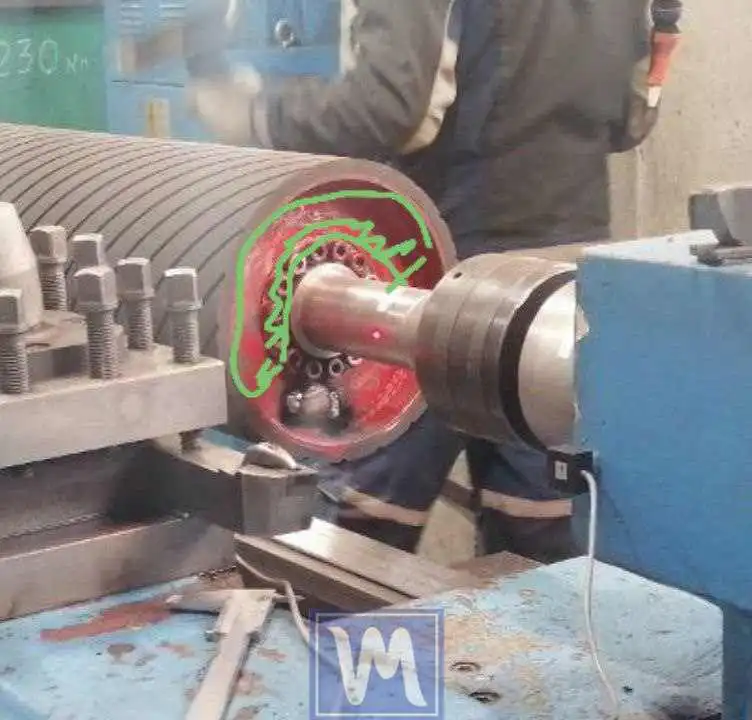
ਲੇਥ ਮਸ਼ੀਨ ਦੀ ਵਰਤੋਂ ਕਰਕੇ ਰਬੜਾਈਜ਼ਡ ਸ਼ਾਫਟਾਂ ਦੀ ਆਨ-ਸਾਈਟ ਡਾਇਨਾਮਿਕ ਬੈਲੈਂਸਿੰਗ
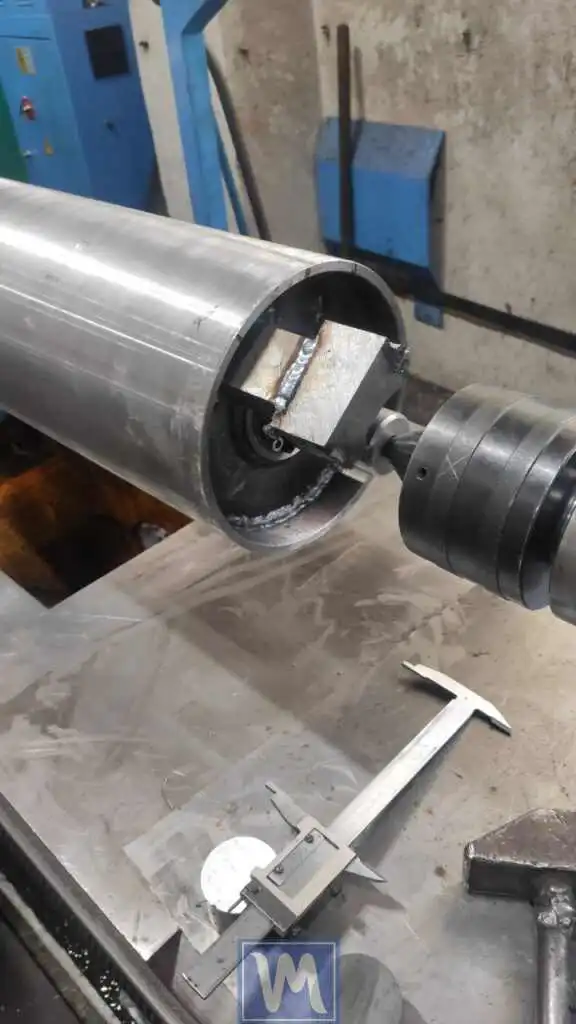
ਲੇਥ ਮਸ਼ੀਨ ਦੀ ਵਰਤੋਂ ਕਰਕੇ ਰਬੜਾਈਜ਼ਡ ਸ਼ਾਫਟਾਂ ਦੀ ਆਨ-ਸਾਈਟ ਡਾਇਨਾਮਿਕ ਬੈਲੈਂਸਿੰਗ
- ਫਾਈਨ-ਟਿਊਨਿੰਗ: ਨਤੀਜਿਆਂ ਨੂੰ ਹੋਰ ਬਿਹਤਰ ਬਣਾਉਣ ਲਈ, ਅਸੀਂ 400 ਗ੍ਰਾਮ ਅਤੇ 700 ਗ੍ਰਾਮ ਦੇ ਵੇਟ ਜੋੜਨ ਲਈ ਅੱਗੇ ਵਧੇ। ਬਾਅਦ ਵਿੱਚ, 200 ਗ੍ਰਾਮ ਅਤੇ 400 ਗ੍ਰਾਮ ਜੋੜ ਕੇ ਫਾਈਨ-ਟਿਊਨਿੰਗ ਦਾ ਇੱਕ ਹੋਰ ਦੌਰ ਕੀਤਾ ਗਿਆ। ਥਾਂ ਦੀ ਕਮੀ ਕਾਰਨ, ਵੇਟਾਂ ਨੂੰ ਇੱਕ ਦੂਜੇ ਉੱਤੇ ਵੈਲਡ ਕੀਤਾ ਗਿਆ। ਅੰਤ ਵਿੱਚ, ਇਹਨਾਂ ਆਰਜ਼ੀ ਵੇਟਾਂ ਦੀ ਥਾਂ ਇਸ ਸ਼ਾਫਟ ਲਈ ਖਾਸ ਤੌਰ ਉੱਤੇ ਬਣਾਏ ਗਏ, ਸਟੀਕਤਾ ਨਾਲ ਕੱਟੇ, ਸੁੰਦਰ ਕਾਊਂਟਰਵੇਟ ਲਗਾਏ ਗਏ। ਅੰਤਿਮ ਕੰਪਨ ਰੀਡਿੰਗ ਦੋਵੇਂ ਪਲੇਨਾਂ ਵਿੱਚ ਪ੍ਰਭਾਵਸ਼ਾਲੀ 0.1 mm/s ਸੀ (ਇੱਕ ਗੋਲ ਕੀਤਾ ਅੰਕੜਾ — 1 mm/s ਤੋਂ ਹੇਠਾਂ ਯੰਤਰ ਖੁਦ ਤਿੰਨ ਦਸ਼ਮਲਵ ਸਥਾਨ ਤੱਕ ਰੀਡਿੰਗ ਦਿਖਾਉਂਦਾ ਹੈ)।
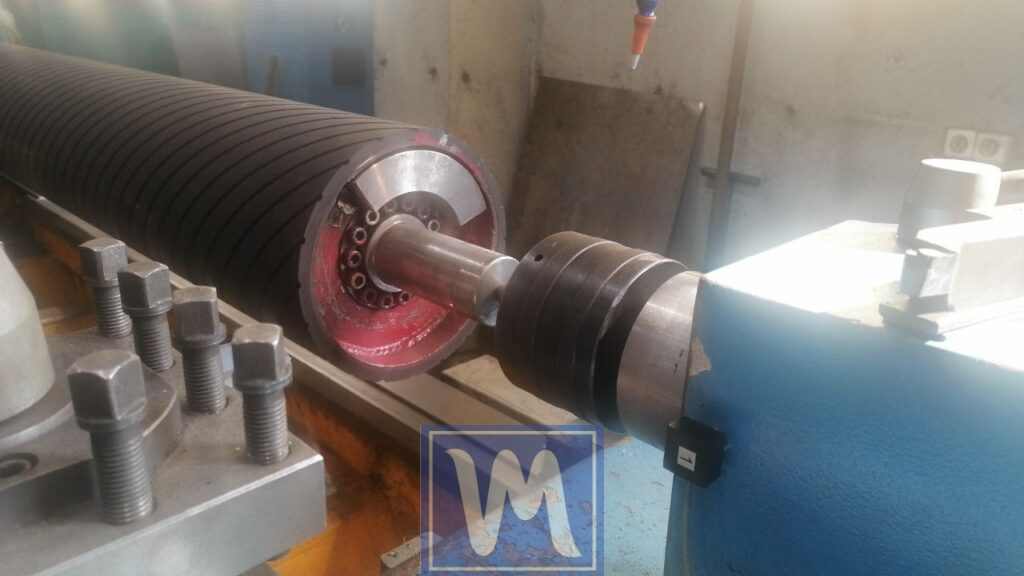
ਲੇਥ ਮਸ਼ੀਨ ਦੀ ਵਰਤੋਂ ਕਰਕੇ ਰਬੜਾਈਜ਼ਡ ਸ਼ਾਫਟਾਂ ਦੀ ਆਨ-ਸਾਈਟ ਡਾਇਨਾਮਿਕ ਬੈਲੈਂਸਿੰਗ
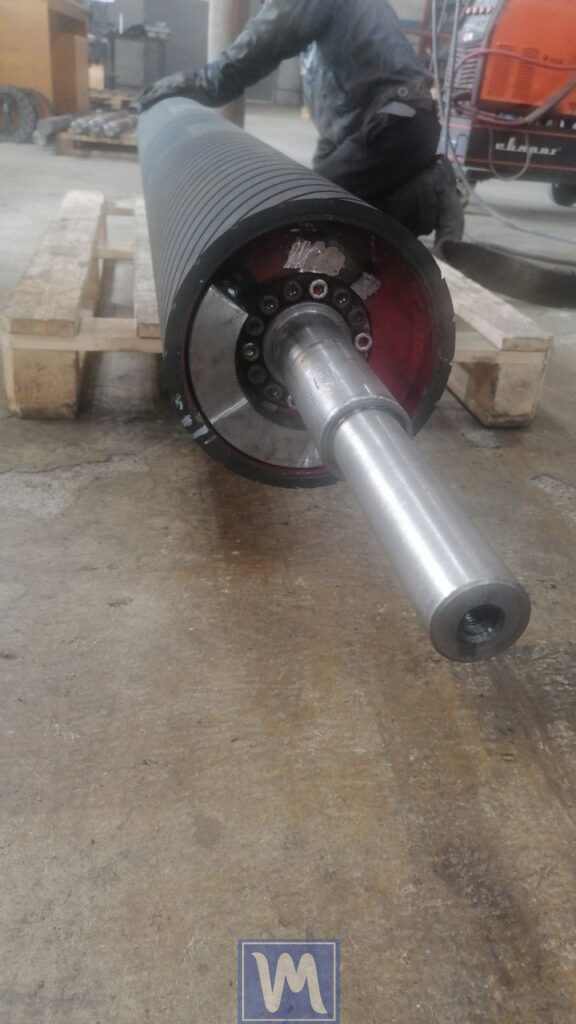
ਲੇਥ ਮਸ਼ੀਨ ਦੀ ਵਰਤੋਂ ਕਰਕੇ ਰਬੜਾਈਜ਼ਡ ਸ਼ਾਫਟਾਂ ਦੀ ਆਨ-ਸਾਈਟ ਡਾਇਨਾਮਿਕ ਬੈਲੈਂਸਿੰਗ
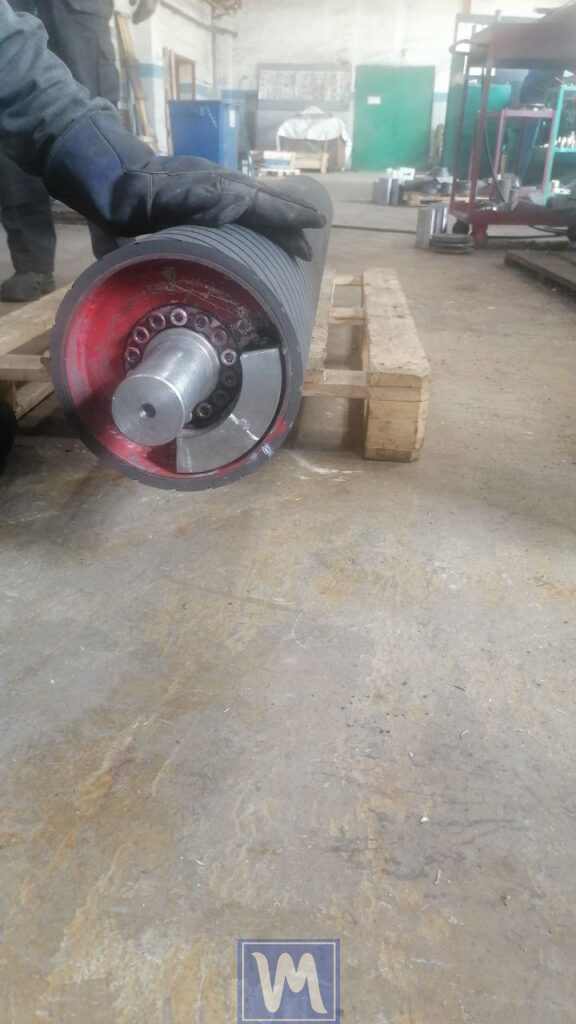
ਲੇਥ ਮਸ਼ੀਨ ਦੀ ਵਰਤੋਂ ਕਰਕੇ ਰਬੜਾਈਜ਼ਡ ਸ਼ਾਫਟਾਂ ਦੀ ਆਨ-ਸਾਈਟ ਡਾਇਨਾਮਿਕ ਬੈਲੈਂਸਿੰਗ

ਲੇਥ ’ਤੇ ਰੋਟਰ ਬੈਲੇਂਸਿੰਗ ਦੇ ਫਾਇਦੇ
ਲਾਗਤ-ਪ੍ਰਭਾਵਸ਼ੀਲਤਾ
ਬੈਲੇਂਸਿੰਗ ਲਈ ਲੇਥ ਦੀ ਵਰਤੋਂ ਕਰਨ ਨਾਲ ਵਿਸ਼ੇਸ਼ ਬੈਲੇਂਸਿੰਗ ਉਪਕਰਣ ਖਰੀਦਣ ਦੇ ਖਰਚੇ ਤੋਂ ਬਚਿਆ ਜਾ ਸਕਦਾ ਹੈ।
ਸੁਵਿਧਾ
ਬੈਲੇਂਸਿੰਗ ਸਿੱਧੇ ਤੌਰ ’ਤੇ ਰੋਟਰ ਦੀ ਨਿਰਮਾਣ ਪ੍ਰਕਿਰਿਆ ਦੌਰਾਨ ਕੀਤੀ ਜਾ ਸਕਦੀ ਹੈ, ਜਿਸ ਨਾਲ ਉਤਪਾਦਨ ਸਮਾਂ ਘੱਟ ਹੁੰਦਾ ਹੈ।
ਉੱਚ ਗੁਣਵੱਤਾ
Balanset-1A ਵਰਗੇ ਆਧੁਨਿਕ ਪੋਰਟੇਬਲ ਬੈਲੇਂਸਰ ਉੱਚ ਬੈਲੇਂਸਿੰਗ ਸ਼ੁੱਧਤਾ ਪ੍ਰਦਾਨ ਕਰਦੇ ਹਨ, ਜਿਸ ਨਾਲ ਘੱਟ ਵਾਈਬ੍ਰੇਸ਼ਨ ਪੱਧਰ ਅਤੇ ਬਿਹਤਰ ਉਤਪਾਦ ਗੁਣਵੱਤਾ ਸੰਭਵ ਹੁੰਦੀ ਹੈ।
ਸਿੱਟਾ
ਲੇਥਾਂ ’ਤੇ ਰੋਟਰ ਬੈਲੇਂਸਿੰਗ ਉਹਨਾਂ ਕਾਰੋਬਾਰਾਂ ਲਈ ਇੱਕ ਪ੍ਰਭਾਵਸ਼ਾਲੀ ਅਤੇ ਕਿਫ਼ਾਇਤੀ ਹੱਲ ਹੈ ਜੋ ਉਤਪਾਦ ਗੁਣਵੱਤਾ ਸੁਧਾਰਨਾ ਅਤੇ ਉਤਪਾਦਨ ਲਾਗਤ ਘਟਾਉਣਾ ਚਾਹੁੰਦੇ ਹਨ। Balanset-1A ਵਰਗੇ ਪੋਰਟੇਬਲ ਬੈਲੇਂਸਰਾਂ ਦੀ ਵਰਤੋਂ ਇਸ ਪ੍ਰਕਿਰਿਆ ਨੂੰ ਛੋਟੀਆਂ ਵਰਕਸ਼ਾਪਾਂ ਲਈ ਵੀ ਸਰਲ ਅਤੇ ਸੌਖਾ ਬਣਾ ਦਿੰਦੀ ਹੈ।
ਮਹੱਤਵਪੂਰਨ ਯਾਦ-ਦਹਾਨੀਆਂ
- ਬਿਹਤਰੀਨ ਨਤੀਜੇ ਪ੍ਰਾਪਤ ਕਰਨ ਲਈ, ਉੱਚ-ਗੁਣਵੱਤਾ ਵਾਲੇ ਮਾਪਣ ਯੰਤਰਾਂ ਦੀ ਵਰਤੋਂ ਕਰਨ ਅਤੇ ਬੈਲੇਂਸਿੰਗ ਪ੍ਰਕਿਰਿਆ ਦੀ ਸਖ਼ਤੀ ਨਾਲ ਪਾਲਣਾ ਕਰਨ ਦੀ ਸਿਫ਼ਾਰਸ਼ ਕੀਤੀ ਜਾਂਦੀ ਹੈ। ਤੁਸੀਂ ਸਾਡੇ ਬਕਾਇਆ ਅਸੰਤੁਲਨ ਨਾਲ ਆਪਣੇ ਰੋਟਰ ਲਈ ਮਨਜ਼ੂਰਸ਼ੁਦਾ ਬਾਕੀ ਅਸੰਤੁਲਨ ਕੈਲਕੁਲੇਟਰ (ISO 1940) ਦਾ ਅਨੁਮਾਨ ਲਗਾ ਸਕਦੇ ਹੋ।.
ਲੇਥਾਂ ’ਤੇ ਰੋਟਰ ਬੈਲੇਂਸਿੰਗ ਤੁਹਾਡੇ ਉਤਪਾਦਨ ਦੇ ਭਵਿੱਖ ਵੱਲ ਇੱਕ ਕਦਮ ਹੈ, ਜੋ ਬਿਹਤਰ ਉਤਪਾਦ ਗੁਣਵੱਤਾ, ਘਟੀ ਹੋਈ ਲਾਗਤ, ਅਤੇ ਤੁਹਾਡੇ ਕਾਰੋਬਾਰ ਦੀ ਵਧੀ ਹੋਈ ਮੁਕਾਬਲੇਬਾਜ਼ੀ ਰਾਹੀਂ ਲਾਭਦਾਇਕ ਸਾਬਤ ਹੁੰਦੀ ਹੈ।

Nikolai Shelkovenko
Nikolai Shelkovenko ਇੱਕ ਵਾਈਬ੍ਰੇਸ਼ਨ ਵਿਸ਼ਲੇਸ਼ਣ ਇੰਜੀਨੀਅਰ ਅਤੇ Vibromera ਦੇ ਸੰਸਥਾਪਕ ਅਤੇ CEO ਹਨ। 15 ਸਾਲਾਂ ਤੋਂ ਵੱਧ ਸਮੇਂ ਤੋਂ ਉਹ ਟੈਸਟ ਬੈਂਚ ਦੀ ਬਜਾਏ ਸਿੱਧੇ ਫੀਲਡ ਵਿੱਚ ਘੁੰਮਣ ਵਾਲੇ ਉਪਕਰਣਾਂ ਨੂੰ ਬੈਲੇਂਸ ਕਰਦੇ ਆ ਰਹੇ ਹਨ: ਮਲਚਰ, ਉਦਯੋਗਿਕ ਪੱਖੇ, ਕ੍ਰਸ਼ਰ, ਸੈਂਟ੍ਰੀਫਿਊਜ, ਸ਼ਾਫ਼ਟ ਅਤੇ ਸਪਿੰਡਲ। ਇਸੇ ਕੰਮ ਵਿੱਚੋਂ Balanset ਯੰਤਰਾਂ ਦਾ ਜਨਮ ਹੋਇਆ — ਇਹਨਾਂ ਨੂੰ ਇੱਕ ਅਜਿਹੇ ਸੰਦ ਵਜੋਂ ਡਿਜ਼ਾਈਨ ਕੀਤਾ ਗਿਆ ਜਿਸਨੂੰ ਇੱਕ ਮਾਹਰ ਖੁਦ ਮਸ਼ੀਨ ਤੱਕ ਲੈ ਜਾ ਸਕੇ ਅਤੇ ਥਾਂ 'ਤੇ ਹੀ ਇਕੱਲਿਆਂ ਵਰਤ ਸਕੇ, ਨਾ ਕਿ ਪ੍ਰਯੋਗਸ਼ਾਲਾ ਉਪਕਰਣ ਵਜੋਂ। Vibromera ਦੀ ਸਥਾਪਨਾ 2017 ਵਿੱਚ ਹੋਈ ਅਤੇ 2023 ਤੋਂ ਇਹ ਪੋਰਟੋ, ਪੁਰਤਗਾਲ ਵਿੱਚ ਸਥਿਤ ਹੈ। Balanset ਲੜੀ ਦਾ ਵਿਕਾਸ, ਅਸੈਂਬਲੀ ਅਤੇ ਸਹਾਇਤਾ ਸਭ ਇੱਥੇ ਹੀ ਹੁੰਦੇ ਹਨ। ਪ੍ਰਮੁੱਖ ਯੰਤਰ Balanset-1A ਹੈ, ਜੋ ਇੱਕ- ਅਤੇ ਦੋ-ਪਲੇਨ ਬੈਲੇਂਸਿੰਗ ਅਤੇ ਵਾਈਬ੍ਰੇਸ਼ਨ ਡਾਇਗਨੌਸਟਿਕਸ ਲਈ ਪੋਰਟੇਬਲ ਐਨਾਲਾਈਜ਼ਰ ਹੈ। Nikolai ਖੁਦ ਕਸਟਮਰ ਸਹਾਇਤਾ ਵਿੱਚ, ਮੁਸ਼ਕਲ ਬੈਲੇਂਸਿੰਗ ਮਾਮਲਿਆਂ ਨੂੰ ਹੱਲ ਕਰਨ ਵਿੱਚ ਅਤੇ ਸੌਫ਼ਟਵੇਅਰ ਦੇ ਵਿਕਾਸ ਵਿੱਚ ਸ਼ਾਮਲ ਰਹਿੰਦੇ ਹਨ। ਉਹ ਦੁਨੀਆ ਭਰ ਦੇ ਗਾਹਕਾਂ ਨਾਲ, ਕਿਸੇ ਵੀ ਭਾਸ਼ਾ ਵਿੱਚ ਕੰਮ ਕਰਦੇ ਹਨ।


0 ਟਿੱਪਣੀ