ব্যালান্সিং সেবা › রোল ও ড্রাম
রোল ও ড্রাম ব্যালেন্সিং — স্থানীয় স্থানে, উৎপাদন গতিতে
কাগজ-মেশিনের রোল, মুদ্রণ সিলিন্ডার, ক্যালেন্ডার ড্রাম, ড্রায়ার রোল এবং পরিবহক ড্রাম একটি বৈশিষ্ট্য শেয়ার করে: উৎপাদন গতিতে এমনকি ছোট ভর বিকেন্দ্রিকতাও বিশাল কেন্দ্রীভূত বল তৈরি করে। আমরা সেগুলি ব্যালেন্স করি স্থানে, অপারেটিং গতিতে — কোন বিচ্ছিন্নকরণ নেই, কোন কর্মশালায় শিপিং নেই — একটি একক স্থানীয় সেশনে পণ্যের ত্রুটি, বেয়ারিং ব্যর্থতা এবং ওয়েব ব্রেক এর মূল কারণ নির্মূল করা।
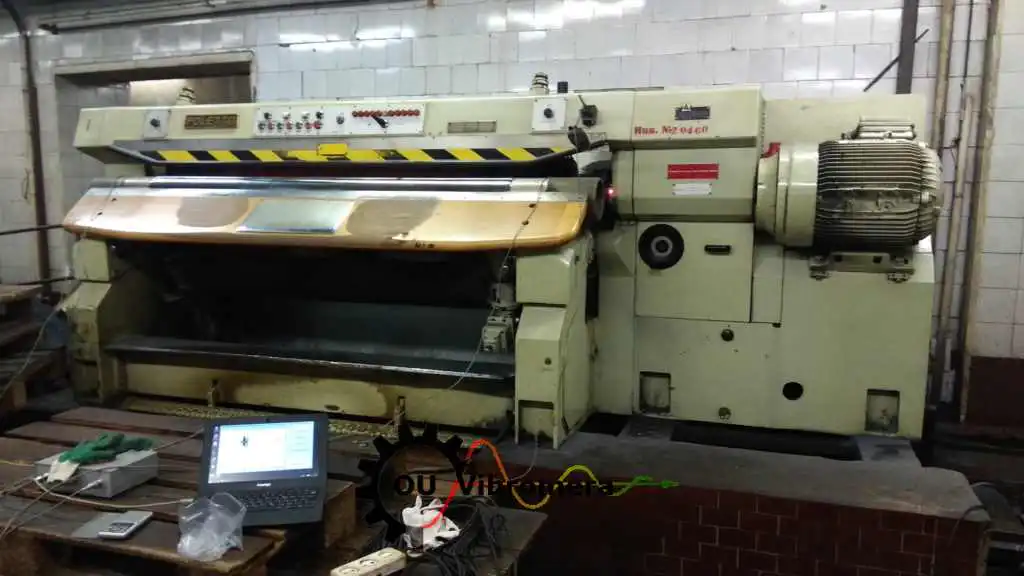
সংক্ষেপে: রোল এবং ড্রাম ব্যালেন্সিং দুই-সারফেস প্রভাব-সহগ পদ্ধতি ব্যবহার করে স্থানীয় স্থানে সাধারণ উৎপাদন গতিতে সম্পাদিত হয়। উভয় বেয়ারিং হাউজিংয়ে কম্পন সেন্সর এবং শ্যাফ্টে লেজার ট্যাকোমিটার অসম্পন্নতা অবস্থা ক্যাপচার করে; Balanset-1A প্রতিটি রোলের প্রান্তের জন্য সঠিক সংশোধন ভর এবং কোণ গণনা করে। কোন বিচ্ছিন্নকরণ নেই, সেন্সর ফিটিং ছাড়া কোন লাইন বন্ধ নেই — বেশিরভাগ কাজ এক ঘণ্টার মধ্যে সম্পূর্ণ হয় এবং কম্পন ৭০ % বা তার বেশি হ্রাস করে, পণ্য-মানের ত্রুটি নির্মূল করে এবং বেয়ারিং জীবনকে আট গুণ বা তার বেশি বৃদ্ধি করে।
আপনার রোল বা ড্রাম অসম্পন্ন হওয়ার লক্ষণ
রোল এবং ড্রাম প্রায়ই ঘন্টার পর ঘন্টা চলে যায় যতক্ষণ না একজন অপারেটর লক্ষ্য করে যে কিছু ভুল। এগুলি হল সংকেত যা অসম্পন্নতা কাজ করছে:
রোল এবং ড্রাম কেন ভারসাম্য হারায় — এবং এটির মূল্য কী
একটি নতুনভাবে গ্রাউন্ড করা রোল কর্মশালা থেকে কঠোর ভারসাম্য সহনশীলতার মধ্যে বেরিয়ে আসে, কিন্তু সেবা শর্তাবলী ক্রমাগত সেই অবস্থার উপর আক্রমণ করে। অসম প্রলেপন বা রাবার ক্ষয় রোল পৃষ্ঠে ভর ধীরে ধীরে পুনর্বন্টন করে; পণ্য জমা এবং শুকানো অবশেষ খোঁড়া ড্রায়ার ড্রামের ভিতরে অপ্রতিসাম্যভাবে জমা হয়; পুনরায় আচ্ছাদন বা পুনরায় গ্রাউন্ডিং ক্রিয়াকলাপ অসমভাবে উপাদান সরিয়ে দেয়; এবং উত্তপ্ত ক্যালেন্ডারিং এর সময় তাপীয় বিকৃতি উৎপাদন শিফট জুড়ে কার্যকর ভর কেন্দ্র স্থানান্তরিত করতে পারে। কারণ কেন্দ্রাভিমুখী বল বর্গ কৌণিক বেগের সাথে স্কেল করে, একটি উপ-মিলিমিটার বিকেন্দ্রতা যা ধীর গতিতে নিরাপদ মনে হয় পূর্ণ উৎপাদন RPM এ একটি ধ্বংসাত্মক গতিশীল লোডে পরিণত হয়।
রোল আনব্যালেন্স উপেক্ষা করার ডাউনস্ট্রিম খরচ দ্রুত বৃদ্ধি পায়: অফ-স্পেসিফিকেশন পণ্যের নষ্ট হওয়া রোল, বেয়ারিং পরিবর্তনের জন্য অপরিকল্পিত থামা, পুনরায় গ্রাইন্ডিং চক্র যা রোলের সেবা জীবন সংক্ষিপ্ত করে এবং মেশিন ফ্রেমে কাঠামোগত ক্লান্তি। ফিল্ড ব্যালেন্সিং এই সবগুলির উৎস সমাধান করে এবং সাধারণত অপরিকল্পিত থামা প্রতিরোধ করার প্রথম সময়ে নিজেকে অর্থায়ন করে।
কম্পন অর্ধেক করা কেন বিয়ারিং জীবন বৃদ্ধি করে
আমরা কীভাবে একটি রোল বা ড্রাম ব্যালেন্স করি — ধাপে ধাপে
Balanset-1A রোল-এন্ড-ড্রাম ইনস্টলেশনের জ্যামিতি এবং অ্যাক্সেস সীমাবদ্ধতার সাথে খাপ খাইয়ে নেওয়া ইনফ্লুয়েন্স-কোএফিশিয়েন্ট পদ্ধতি প্রয়োগ করে। একই পদ্ধতিগত পদ্ধতি আপনার নিজের রক্ষণাবেক্ষণ দল দ্বারা সাইটে সম্পাদিত হতে পারে:
- সেন্সর মাউন্ট করুন। কম্পন ত্বরণমাপক উভয় প্রান্তের বেয়ারিং হাউজিংয়ে স্থির করা হয় এবং একটি লেজার ট্যাকোমিটার শাফট বা এন্ড-প্লেটে একটি প্রতিফলক স্ট্রিপের দিকে নির্দেশিত হয়। মেশিন স্বাভাবিক উৎপাদন গতিতে সম্পূর্ণ সময় চলে — কোনো বিচ্ছিন্নতা নেই, কোনো পাইপ বা ফ্রেম অপসারণ নেই।
- বেসলাইন পরিমাপ করুন। সম্পূর্ণ উৎপাদন গতিতে একটি রান উভয় বেয়ারিং প্লেনে কম্পন প্রসারতা এবং ফেজ কোণ রেকর্ড করে, রোলের প্রতিটি প্রান্তে মাত্রা এবং দিক উভয় ক্ষেত্রেই বর্তমান আনব্যালেন্স অবস্থা প্রতিষ্ঠা করে।
- একটি ট্রায়াল ওজন যোগ করুন। একটি পরিচিত পরীক্ষা ভর একটি নির্দিষ্ট কৌণিক অবস্থানে একটি রোল এন্ড-প্লেটে, কলারে বা জার্নালে ক্ল্যাম্প বা বল্টেড। একটি দ্বিতীয় রান দেখায় যে প্রতিটি সংশোধন প্লেন সেই পরিচিত বিঘ্নের প্রতি কীভাবে সাড়া দেয় — সেই রোল এবং গতির জন্য ইনফ্লুয়েন্স কোএফিশিয়েন্ট।
- ডিভাইসকে গণনা করতে দিন। Balanset-1A দুই-প্লেন ইনফ্লুয়েন্স-কোএফিশিয়েন্ট সমীকরণ সমাধান করে এবং রোল বা ড্রাম বডির প্রতিটি প্রান্তের জন্য সংশোধন ভর এবং ঘড়ির কোণ প্রদান করে।
- সংশোধন ওজন সজ্জিত করুন। সংশোধন ভরগুলি ড্রাম বডি বা রোল জার্নালের উভয় প্রান্তে গণনা করা অবস্থানে বল্টেড, ঝালাইকৃত বা ক্ল্যাম্প করা হয়। পরীক্ষা ভর অপসারণ করা হয় যদি না এটি সমাধানের একটি অংশ হয়।
- যাচাই করুন এবং নথিভুক্ত করুন। উৎপাদন গতিতে একটি চূড়ান্ত রান নিশ্চিত করে যে অবশিষ্ট আনব্যালেন্স রোল শ্রেণী এবং অপারেটিং গতির জন্য প্রয়োজনীয় ISO 21940-11 গ্রেডের মধ্যে রয়েছে। Balanset-1A ব্যালেন্সিং-পূর্বে এবং পরে আনব্যালেন্স মান নথিভুক্ত একটি রিপোর্ট তৈরি করে যা আপনার রক্ষণাবেক্ষণ রেকর্ডের জন্য।
আমরা কী সামঞ্জস্য করি
- কাগজ মেশিন প্রেস, ড্রায়ার এবং ক্যালেন্ডার রোল
- মুদ্রণ এবং ফ্লেক্সোগ্রাফিক চিত্র সিলিন্ডার
- কোটিং এবং ল্যামিনেটিং রোল
- কনভেয়ার হেড এবং টেইল ড্রাম
- রাবার-কভার এবং পলিউরেথেন-ক্ল্যাড রোল
- চামড়া-প্রসেসিং এবং এমবসিং সিলিন্ডার
- ইস্পাত এবং কাস্ট-আয়রন শিল্প প্রক্রিয়া ড্রাম
- বস্ত্র ক্যালেন্ডার এবং ফিনিশিং রোল
- ঘূর্ণনশীল শুকানোর ড্রাম এবং ভাটি
- কাস্টম হোলো সিলিন্ডার এবং ম্যান্ড্রেল
সহনশীলতা & মান
ISO 21940-11 (পূর্বে ISO 1940-1) দৃঢ় রোটারের জন্য অবশিষ্ট নির্দিষ্ট আনব্যালেন্স সীমা সেবা গতি এবং ভারসাম্য গুণমান গ্রেড G-এর একটি ফাংশন হিসাবে সংজ্ঞায়িত করে। কাগজ-মেশিন প্রেস এবং ড্রায়ার রোলগুলি সাধারণত ভারসাম্য রাখা হয় G 1.0 বা G 2.5 কারণ উৎপাদন গতিতে এমনকি ছোট কম্পন পরিমাপযোগ্য পণ্য ত্রুটি সৃষ্টি করে; ভারী কনভেয়ার এবং প্রক্রিয়া ড্রামগুলি স্বীকৃত হতে পারে G 6.3.
বিশেষ করে paper-machine rolls-এর জন্য, TAPPI TIP series running speed-এ roll vibration acceptance limits সম্পর্কে অতিরিক্ত guidance দেয়, যার মধ্যে critical-speed margins এবং nip-pressure uniformity requirements রয়েছে; তাদের first critical speed-এর ওপরে operate করা rolls অতিরিক্তভাবে এর flexible-rotor balancing criteria-এর অধীনে পড়ে ISO 21940-12 (formerly ISO 11342)। প্রতিটি job-এর শেষে সরবরাহ করা documented residual-unbalance report-এ আমরা অর্জিত grade নিশ্চিত করি। আমাদের কাগজ মেশিন রোল ভারসাম্য ক্যালকুলেটর কাজ শুরু করার আগে আপনার রোল মাত্রা এবং গতির জন্য অনুমোদিত অবশিষ্ট ভারসাম্যহীনতা পূর্বে গণনা করতে।
Balanset-1A — আপনার সম্পূর্ণ ক্ষেত্র-ভারসাম্য কিট
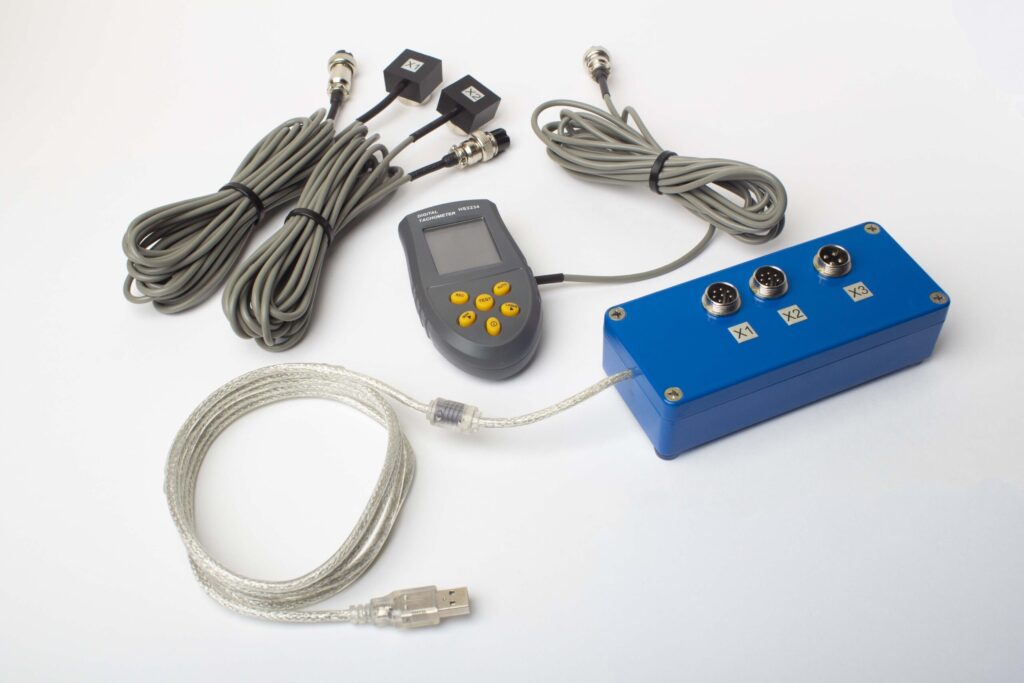
এই পৃষ্ঠায় সবকিছু একটি পোর্টেবল যন্ত্র দিয়ে করা হয়েছে: Balanset-1A এটি একটি দ্বি-চ্যানেল গতিশীল ভারসাম্যক এবং কম্পন বিশ্লেষক যা রোল এবং ড্রাম ভারসাম্য করে তাদের নিজস্ব বিয়ারিংয়ে, উৎপাদন গতিতে3-চলার প্রভাব-সহগ পদ্ধতি ব্যবহার করে — সফ্টওয়্যার রোলের প্রতিটি প্রান্তের জন্য সঠিক সংশোধন ভর এবং কোণ গণনা করে এবং একটি নথিভুক্ত প্রতিবেদন সংরক্ষণ করে।
সম্পূর্ণ কিটে কী আছে
€1,975 · সম্পূর্ণ কিট, স্টকে, VAT চালান
- ইন্টারফেস পরিমাপ ইউনিট (USB, 2 চ্যানেল)
- দুটি ভাইব্রেশন অ্যাক্সিলারোমিটার (4 মি ক্যাবল, 10 মি ঐচ্ছিক)
- লেজার ট্যাকোমিটার / অপ্টিক্যাল ফেজ সেন্সর (50–500 মিমি)
- সেন্সরের জন্য চৌম্বকীয় দাঁড়ানো
- ট্রায়াল & সংশোধন ওজনের জন্য ডিজিটাল স্কেল
- Windows ব্যালান্সিং এবং বিশ্লেষণ সফটওয়্যার
- প্লাস্টিক পরিবহন কেস
ফুল কিট
ইউনিট · ২ সেন্সর · লেজার ট্যাকোমিটার · চৌম্বক স্ট্যান্ড · ডিজিটাল স্কেল · সফ্টওয়্যার · পরিবহন কেস। বাক্স থেকে রোল এবং ড্রাম ভারসাম্য শুরু করার জন্য প্রয়োজনীয় সবকিছু।
OEM সেট
ইউনিট · 2 সেন্সর · লেজার ট্যাকোমিটার · সফটওয়্যার। যারা ইতিমধ্যে একটি স্ট্যান্ড, স্কেল এবং কেস রয়েছে তাদের জন্য, বা যারা ইউনিটটি একটি নিবেদিত ভারসাম্য মেশিনে এমবেড করেন।
| প্যারামিটার | মান |
|---|---|
| পরিমাপ চ্যানেল | 2 (সিঙ্গেল- এবং টু-প্লেন ব্যালান্সিং) |
| ভাইব্রেশন বেগ পরিসীমা | 0.02–80 mm/s RMS |
| ফ্রিকোয়েন্সি পরিসীমা | 5–1000 Hz (550 Hz-এর উপরে প্রশস্ততার ত্রুটি ≤10%) |
| পরিমাপ নির্ভুলতা | ±5% পূর্ণ স্কেলের |
| পদ্ধতি | 3-রান প্রভাব-সহগুণ (1 বা 2 প্লেন) |
| বিশ্লেষণ | 1× এ প্রশস্ততা এবং ফেজ, FFT স্পেকট্রাম এবং তরঙ্গরূপ, সংরক্ষিত রিপোর্ট |
| ল্যাপটপ | অন্তর্ভুক্ত নয় (Windows PC, অনুরোধের উপর উপলব্ধ) |
ক্ষেত্র ভারসাম্যকরণ বনাম ভারসাম্যকরণ মেশিন — আপনার ফ্যানের জন্য কোনটি সঠিক?
| ফ্যাক্টর | ক্ষেত্র সামঞ্জস্য (Balanset-1A) | সামঞ্জস্য মেশিন (কর্মশালা) |
|---|---|---|
| রোল লাইন থেকে সরানো হয়েছে? | না — স্থানে চলে | হ্যাঁ — সম্পূর্ণ বিচ্ছিন্নকরণ প্রয়োজনীয় |
| উৎপাদন লাইন বন্ধ হয়েছে? | শুধুমাত্র সেন্সর সংস্থাপন (<15 মিনিট) | ঘন্টা থেকে দিন (সরান, পরিবহন, ভারসাম্য, পুনরায় ইনস্টল করুন) |
| ভারসাম্য রক্ষার গতিবেগ | প্রকৃত উৎপাদন গতি & তাপমাত্রা | পৃথক কম-গতির স্পিন্ডেল, ঘরের তাপমাত্রা |
| তাপীয় বিকৃতির জন্য অ্যাকাউন্ট করে | হ্যাঁ — অপারেটিং তাপমাত্রায় ভারসাম্য করা রোল | না — শুধুমাত্র ঠান্ডা-অবস্থায় |
| শ্যাফ্ট/কাপলিং নমনীয়তা বিবেচনা করে | হ্যাঁ — সম্পূর্ণ সমাবেশ নিজস্ব ভারবহনে ভারসাম্যপূর্ণ | শুধুমাত্র রোল বডি |
| পালিত মানদণ্ড | ISO 21940-11, TAPPI TIP | ISO 21940-11 |
| যন্ত্রপাতির খরচ | €১,৯৭৫ (সম্পূর্ণ কিট) | €১৫,০০০ – €৮০,০০০+ |
| সাধারণ কাজের সময় | <১ ঘন্টা সাইটে | ১–৩ দিন মোট |
রোলটি চলতে পারে এবং রোটর কঠোরতা মানদণ্ড পূরণ হলে ফিল্ড ব্যালান্সিং সর্বদা পছন্দের বিকল্প। নতুন তৈরি রোলের জন্য একটি কর্মশালা যন্ত্র উপযুক্ত থাকে যেখানে শূন্য চালু সময় উপলব্ধ থাকে, বা এমন রোলের জন্য যেখানে তাপীয় অস্থিতিশীলতা এত তীব্র যে তারা প্রথমে কাঠামোগত মেরামত ছাড়া অপারেটিং তাপমাত্রায় একটি স্থিতিশীল ভারসাম্য অবস্থায় পৌঁছাতে পারে না।
বাস্তব রোল-ব্যালান্সিং কেস
স্বাধীন রোল & ড্রাম ক্যালকুলেটর
তত্ত্ব শিখুন
রোল & ড্রাম ব্যালান্সিং FAQ
যন্ত্র থেকে সরিয়ে না রেখে কোনো রোল ভারসাম্যপূর্ণ করা যায়?
কেন একটি তাজা পুনরায় আবৃত রোল পুরানো রোলের চেয়ে বেশি কম্পন করে?
একটি প্রিন্টিং সিলিন্ডারের জন্য কী ব্যালান্স গ্রেড প্রয়োজন?
আমাদের কনভেয়র ড্রাম কম্পন করে কিন্তু বেল্টটি ভাল দেখায় — এটি ড্রাম?
একটি সাধারণ রোল-ব্যালান্সিং কাজে কত সময় লাগে?
আমরা Balanset-1A দিয়ে এটি নিজেরা করতে পারি?
আপনার রোল এবং ড্রাম ভারসাম্য করুন — জায়গায়, উৎপাদন গতিতে
Balanset-1A উৎপাদন গতিতে যেকোনো রোল বা ড্রামে দুই-তল ক্ষেত্র সামঞ্জস্য সম্পাদন করে, প্রতিটি প্রান্তের জন্য সঠিক সংশোধন ভর এবং কোণ গণনা করে এবং ISO 21940-11 এর জন্য ডকুমেন্ট করা অবশিষ্ট-অসামঞ্জস্য ফলাফল প্রদান করে। কোনো বিচ্ছিন্নতা নেই, কোনো কর্মশালায় শিপিং নেই, কোনো হারানো উৎপাদন নেই — শুধুমাত্র সামঞ্জস্যপূর্ণ পণ্যের গুণমান, শান্ত যন্ত্রপাতি এবং বেয়ারিং যা দীর্ঘস্থায়ী হয়।

