Razumevanje izbaljenih rotora




An konzolni rotor — također poznat kao konzolni ili konzolno montiran rotor — je rotor konfiguracija u kojoj se rotaciona masa proteže prema vani izvan ležajeva koji ga drže nego što se nalazi između njih. Rotor je podržan samo sa jedne strane, sa radnom komponentom (propelerom, ventilatorskom turbinom, brusnom točkom i sl.) koja prelazi preko ležajnog oslonca kao skakač sa skakaonice. Ova konfiguracija je izuzetno česta u industrijskoj opremi, i predstavlja karakterističan skup balansiranje izazova, jer konzolna geometrija pojačava efekat svakog neuravnoteženost kroz prikaz izbaljenja. Razumevanje tog pojačanja — i kako s njim raditi — je ključno za održavanje izbaljenih mašina glatkim i pouzdanim.
1. Česti primeri izbaljenih rotora
Izbaljene konstrukcije su široko rasprostranjene u industrijskim i trgovačkim primjenama. Ista konzolna logika se pojavljuje u vrlo različitim mašinama:
HVAC i industrijski ventilatori
- Centrifugalne turbine imprelatora koje se prostiru iz motora vratila.
- Aksijalni hladni ventilatori montirani na krajevima motora.
- Industrijski ventilatori montirani na postolju — česta tema povezana sa kvarovi ventilatora.
Pumpe
- Jednostepeni centrifugalni imprelatorer.
- Direktno povezane pumpe, gdje se imprelator proteže direktno iz ležaja motora.
Alatne mašine
- Brusne točke na izbaljenim vretenima.
- Glodala i dršači alata.
- Stezne glave tokarilice.
Prenos snage
- Remenice i trkače montirani na vratilima motora.
- Zupčanici na produljenim vratilima.
- Lančanici.
Procesna Oprema
- Miješači sa mješalicom i radnim elementima.
- Turbinske lopatice na turbinskim vratilima.
2. Zašto Prepušteni Dizajn?
Unatoč izazovima balansiranja, prepušteni rotori nude značajne praktične prednosti — upravo zbog toga dizajneri nastavljaju biranja:
1. Dostupnost
Radni element je lako dostupan za inspekciju, održavanje i zamjenu bez rastavljanja cijelog stroja ili narušavanja ležajeva.
2. Jednostavnost i Troškovi
Eliminacija jednog ležajnog oslonca smanjuje mehaničku složenost, broj dijelova i troškove proizvodnje.
3. Efikasnost Prostora
Kompaktan raspored zahtijeva manje aksijalnog prostora od dizajna sa ležajima.
4. Jednostavno Montiranje
Komponente se često mogu montirati izravno na standardna vratila motora ili postojeće strojeve bez prilagođenih veza.
5. Zahtjevi Procesa
U nekim primjenama — crpke, miješači, kemijska obrada — potrebno je imati radni element samo na jednoj strani da bi se dosegla procesna tekućina ili materijal.
3. Jedinstveni Izazovi Balansiranja
Prepušteni rotori su inherentno osjetljiviji na nebalansu nego dizajni sa ležajima, iz nekoliko međusobno pojačavajućih razloga:
1. Pojačanje momenta
Bilo koji nebalanc u prepunjenom rotoru stvara ne samo centrifugalna sila već i moment (par sila) oko oslonca ležaja. Što je masa dalje od ležajeva, veći je taj moment, pa čak i mali nebalanc biva pojačan. To slijedi direktno iz principa poluge: Sila × Udaljenost = Moment. To je i razlog što teška prepunjena turbina može stvoriti alarmantne opterećenje ležaja iz neznatne teške točke — i kalkulator centrifugalne sile od neuravnoteženosti čini rast sile proporcionalan kvadratu brzine lako razumljiv.
2. Visoka opterećenja ležaja
Konfiguracija konzole nameće visoka radijalna i momentna opterećenja na ležajeve, posebno onaj najbliži rotoru. Nebalanc pogoršava ta opterećenja i ubrzava habanje ležaja.
3. Savijanje i defleksija vratila
Prepunjeno vratilo je izloženo savijanju, a čak i mali nebalanc može proizvesti značajnu defleksiju na prepunjenom kraju — pogotovo pri visokim brzinama ili s duljim prepunjenim dijelom. Razlikovanje toga od pravog savijenost vratila dio je dijagnostičkog rada.
4. Učinci spojke i pera
Mnogi prepunjeni rotori montiraju se na vratila motora pomoću pero, vijaka ili spojki. Te veze mogu unijeti ili promijeniti stanje nebalansa, a bilo kakav labavost drastično pogoršava vibraciju.
5. Osjetljivost na montažu
Neispravna montaža — nije potpuno nasjednut na vratilo, nakošen pod kutom ili labavi spojni elementi — ima daleko izraženiji utjecaj na prepunjeni rotor nego na dizajn između ležajeva, dijelom jer takve greške unose ekscentričnost upravo u točki gdje je poluga najduža.
4. Razmatranja balanseranja za prepunjene rotore
Jednoravninska obično je dovoljna
Većina prepunjenih rotora je relativno kratka u aksijalnom smjeru i može se efektivno balansirati s balansiranje u jednoj ravni. korekcijske ravnine se obično nalazi na samom rotoru, na mjestu koje je najviše dostupno.
Statička nasuprot dinamičke ravnoteže
- Statička ravnoteža: dovodi centar mase rotora na os rotacije. Za diskaste prepuštene rotore, statička balansa je često dovoljna.
- Dinamička balansa: za duže prepuštene rotore ili one sa značajnom aksijalnom debljinom, može biti potrebna dinamička balansa u dvije ravnine kako bi se eliminiralo neuravnoteženost momenta.
Dužina prepuštanja je važna
Što je veća dužina prepuštanja — udaljenost od najbližeg ležaja do centra mase rotora — to je kvaliteta balanse kritičnija. Kao opšte pravilo, izraženo kroz omjer dužine prepuštanja L i promjera rotora D:
- Kratko prepuštanje (L/D < 0,3): manje osjetljivo; standardne tolerancije balansiranja primjenjuju se.
- Umjereno prepuštanje (0,3 < L/D < 0,7): više osjetljivo; razmotriti strože tolerancije.
- Dugo prepuštanje (L/D > 0,7): veoma osjetljivo; zahtijeva pažljivo balansiranje i može trebati potpuna dinamička (dvoprisutna) balansa.
Ovdje je L dužina prepuštanja a D je promjer rotora.
5. Najbolje prakse za balansiranje prepuštenih rotora
1. Balansiranje u konačnoj instaliranoj konfiguraciji kada je moguće
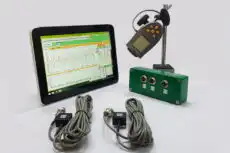
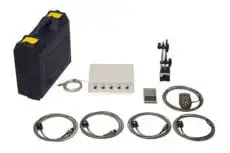
Prepušteni rotori su posebno osjetljivi na način na koji su montirani, tako da najispravniji rezultat dolazi od terensko balansiranje sa rotorom instaliranim na vlastitoj osovini u konačnoj konfiguraciji rada. Prenosivi dvokanalski sistem kao što je Balanset-1A je idealno prilagođen za to: mjeri 1× vibracija amplitudu i faza na ležaju, računa koeficijenti utjecaja i radi u vlastitim ležajima mašine pri radnoj brzini — tako da se sklop, montaža i termički efekti na koje su prepušteni rotori tako osjetljivi, sve hvataju u balansu, umjesto da se pretpostavljaju na balansirnoj mašini.
2. Proverite Osiguranu Montažu
Prije balansiranja, osigurajte:
- Svi montažni elementi (vijci, bolovi, ključevi) su pravilno zategnuti.
- Rotor je potpuno nanesen na osovinu bez praznina.
- Svi žljebovi su pravilno namješteni bez pretjerane zračnosti.
- Rotor je okomit na osovinu, nije nagnut niti koso postavljen.
3. Koristite Odgovarajući Radijus Korekcije
Postavite tegovi za korekciju što veći radijus je praktičan, obično blizu vanjskog promjera. To maksimizira učinak svakog grama korekcije, tako da manji dodatci težine obave posao. kalkulator ispitne mase pomaže pri sensibilnoj dimenzionalizaciji prve ispitne težine za masu i brzinu rotora.
4. Provjerite Iznos Ekscentriciteta
Izmjeri vratilo radijalno bacanje prije balansiranja. Prekomjerni ekscentricitet — ekscentriciteta, ljuljanja ili savijene osovine — spriječit će dobro balansiranje i mora se prvo ispraviti.
5. Razmotrite Efekte Momenta pri Mjerenju Vibracija
Prilikom mjerenja vibracija na prepustnoj instalaciji, snimite mjerenja na oba ležaja na strani pogona i na strani bez pogona gdje je to dostupno. Zbog momenta koji stvara prepustna masa, obrazac vibracija može se značajno razlikovati između dva položaja.
6. Koristite Tešće Tolerancije
Zbog pojačanih efekata, razmislite o specificiranju jedne G-klasa tešće nego što biste to specificirali za ekvivalentni rotor između ležaja — na primjer G 2.5 umjesto G 6.3 za kritične primjene. Odgovarajući dozvoljeni rezidualni disbalans se lako nalazi s kalkulator rezidualnog disbalansa (ISO 21940-11).
6. Česti Problemi i Rješenja
Problem: Vibracije se Vraćaju nakon Balansiranja
Mogući uzroci:
- Lahava montažna oprema koja se olabavila tijekom rada.
- Korekcijska težina je pomjerena ili pala.
- Nakupljanje materijala ili erozija koja je promijenila stanje ravnoteže.
- Toplinsko širenje što je uzrokovalo pomjeranje.
Rješenja: koristiti sredstva za fiksiranje navojni, zavariti ili trajno pričvrstiti korekcijske težine i uspostaviti redovni raspored kontrole.
Problem: Nemoguće je postići prihvatljivu ravnotežu
Mogući uzroci:
- Odbacivanje vratila ili savijeno vratilo.
- Istrošenost ležaja ili prečan zazor.
- Strukturna rezonancija pri radnoj brzini.
- Loša montaža rotora (koso postavljen, nije u potpunosti sjedljiv).
Rješenja: riješiti mehaničke probleme prije balanseranja — provjeriti pravolinijnost vratila, zamijeniti istrošene ležaje i provjeriti ispravnu montažu.
7. Razmatranja pri projektovanju nove opreme
Pri projektovanju opreme sa prepustenim rotorima:
- Minimizovati prepust: držati dužinu prepusta što je praktičnije moguće.
- Pojačati vratilo: koristiti vratila većeg promjera da bi se odupro savijanju.
- Koristiti robusne ležaje: specificirati ležaje sa odgovarajućom radijalno nosivošću i nosivošću na moment.
- Osigurati mogućnost balanseranja: dizajn u ravninama korekcije ili pristupačnim lokacijama za dodavanje ili uklanjanje balansnih težina.
- Razmotriti predbalansu: balansirati element rotora prije instalacije gdje je moguće, idealno na mašina za balansiranje.
- Odrediti odgovarajuće tolerancije: nemojte prespecificirati, ali priznajte da prepušteni (overhung) dizajni trebaju dobru balans.
8. Industrijski standardi i smjernice
Prepušteni rotori nemaju vlastiti standard za balansiranje; oni su pokriveni opštim standardima za balansiranje, sa nekoliko posebnih napomena:
- ISO 21940-11: moderni standard (koji uključuje bivšu ISO 1940-1) koji pruža smjernice za odabir G-gradacije primjenjive na prepuštene rotore.
- API 610 (centrifugalne pumpe): specificira kvalitetu balansa za prepuštene lopatice centrifugalne pumpe.
- ANSI/AGMA standardi: pružaju smjernice za balansiranje prepuštenih zupčanika i kaišnika.
Opći princip je primjena standarda za kvalitetu balansa tijekom priznavanja da prepuštene konfiguracije često imaju koristi od jedne klase strogije kako bi se nadoknadili efekti amplifikacije — mala prilagodba tolerancija uravnotežavanja koja se isplati mnogo puta preko životnog veka ležaja i pouzdanosti.
9. Rad na rotoru s prepustom (overhung) pomoću Balanset-1A
Prenosivi balanser i analizator vibracija Balanset-1A ne mjeri dužinu prepusta, omjer L/D niti bacanje (run-out) vratila; za to su i dalje potrebni metar i mjerni sat. Njegova dva kanala vibracija prikazuju oba ležaja istovremeno i daju amplitudu i fazu 1× potrebne za balansiranje rotora u vlastitim ležajevima.
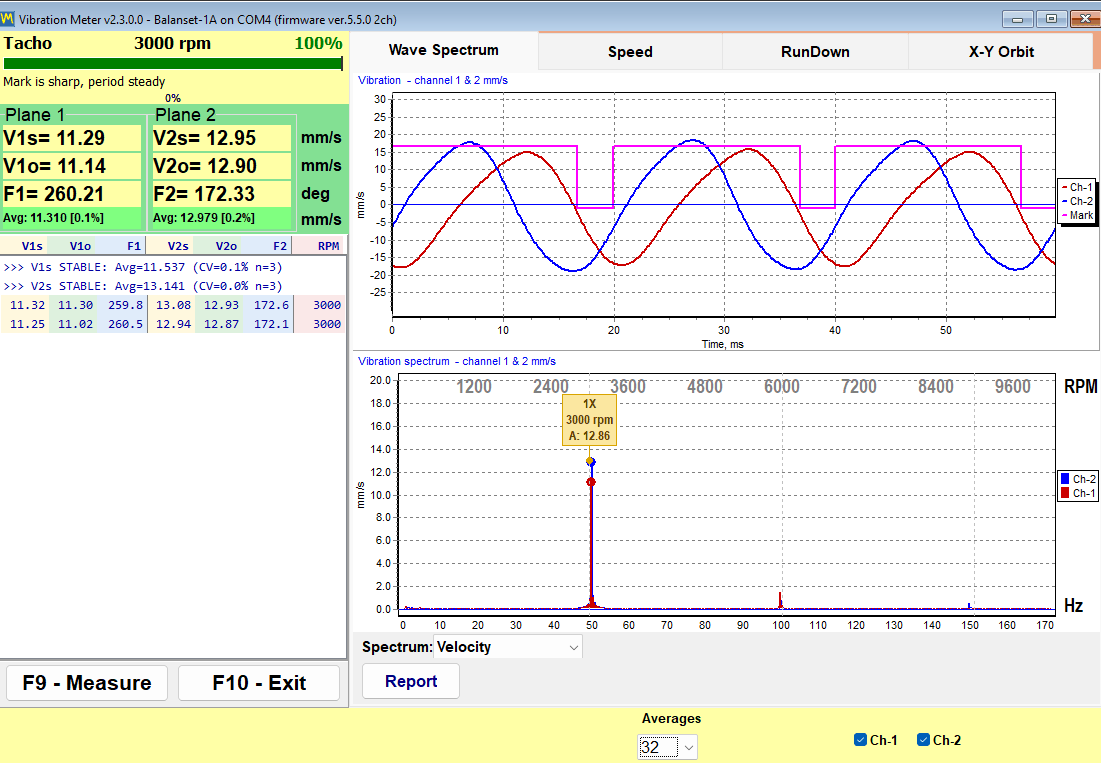
- Dok je mašina zaustavljena i osigurana od pokretanja, postavite senzor X1 radijalno na ležaj do elementa na prepustu, a senzor X2 na udaljeni ležaj, u istom smjeru. Reflektirajuću oznaku zalijepite na glavčinu ili vratilo, a ne na lopaticu.
- Pokrenite pri radnoj brzini i otvorite vibrometar (F5). Minut posmatrajte V1o/F1 i V2o/F2: amplitude se trebaju ponavljati u granicama 10–15 %, a faze u granicama 10°. Nestabilna očitanja znače rezonanciju, nestabilnu brzinu ili mehanički kvar; kod rotora s prepustom prvo provjerite njegovo nalijeganje na vratilu.
- Uporedite V1o s V1s na svakom kanalu. Ako je komponenta 1× blizu ukupnog nivoa, dominira neuravnoteženost. Ako je mnogo manja, provjerite spektar: jak vrh 2× upućuje na nesaosnost, problem sa spojnicom ili savijeno vratilo; niz harmonika upućuje na labavost na klinu, zavrtnjima za učvršćenje ili vijcima.
- Snimite izbijanje (coast-down) na kartici RunDown. Vrh amplitude s promjenom faze od oko 180° blizu radne brzine jeste rezonancija, i balansiranje se tu neće stabilizirati.
- Prvo balansirajte u jednoj ravni (F2 – Single-plane, zatim F6 – Balancing), s korekcijskom ravninom na rotoru na najvećem praktičnom radijusu. Koristite procjenu First trial weight i postavite toleranciju prema ISO 21940-11 prije Run 0.
- Nakon probnog prolaza za doradu (trim run) ponovo očitajte oba ležaja. Ako se bliski ležaj smirio, a udaljeni ostaje visok, vjerovatno je ostala komponenta sprega (couple); pređite na balansiranje u dvije ravni na kartici F3.