

Кардан білігін тікелей мотогрейдерде балансировкалау тәжірибесі туралы
Found an old correspondence between our lead specialist and one of our customers.
Correspondence from ten years ago!
Autor : Valery Davydovich
Кіріспе
I must admit that I was very surprised and pleased with the results of the letter written to us by Andrey Kobyakov, the driver of the motor grader.
Оның хаты мені таң қалдырды – 35 жылдан астам тәжірибесі бар маман vibrodiagnostics and теңгеру. Ұзақ уақыт бойы мен қорғаныс өнеркәсібінде жұмыс жасадым және қарапайым желдеткіштер мен түтін сорғыштарынан бастап антенна бағыттау жүйелері мен бірегей гироскоптарға дейін 1500-ден астам әртүрлі машина мен механизмді балансировкаладым.
Ал мұнда бірінші рет field balancing қуатты жол машинасының – мотогрейдердің!!!, жүргізушісі Андрей жұмыс істейтін машинаның.
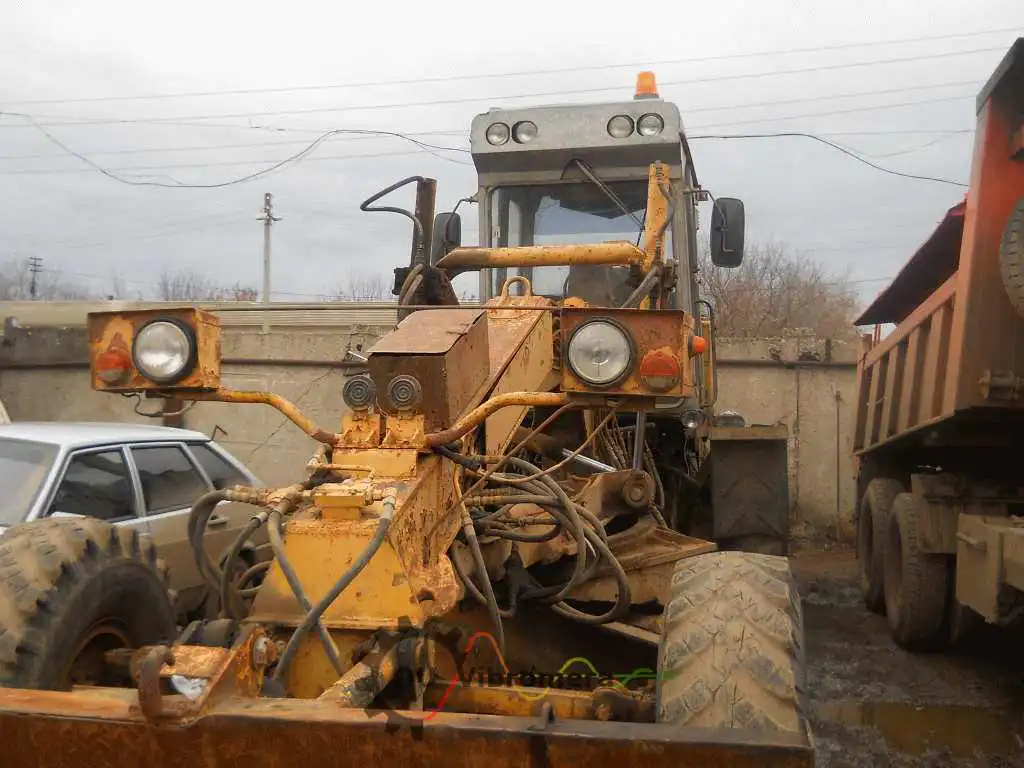
Balancing cardan shaft, crankshaft and clutch basket directly on the motor grader
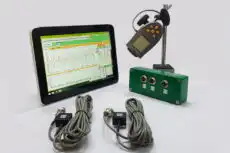
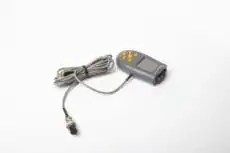
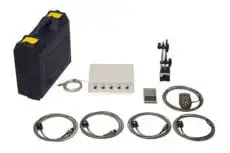
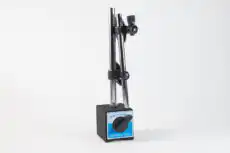
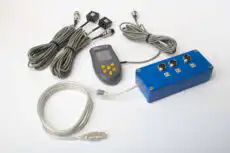
Андрей біздің балансировка аспабын сатып алды “Balanset-1” жақында ғана – осы жылдың (2012) тамыз айының соңында.
Сол уақыттан бері екі айдан астам уақыт ішінде ол балансировканың аппараттық-бағдарламалық кешені мен технологиясын игеріп қана қоймай, бөлшектемей жойды imbalance машинасының негізгі тораптарын (карданды біліктер, ұйыстырғыш себеттімен бірге иінді біліктер, доңғалақтар).
Here’s how Andrew describes the work he did in his correspondence with us.
(With his permission I publish his letters without cuts and editing).
1. А. Қобяковтың 2012 жылғы 18 қазандағы хаты
Hello, Valery Davydovich! I wanted to write to you. I mastered the work with the device rather quickly and everything is available for unprepared people like me. My notebook accepts the program without correction. My first time installing it on stationary computer, balancing the wheels, the result is better than at the tire fitting. Tried 2 driveshafts on the spot, balancing seems fine. In general, the device met my expectations for good functionality at a reasonable price. The other day I balanced the flywheel on the motor grader I work on myself. The initial imbalance was more than 8000 g*mm, the remaining imbalance was about 900 g*mm, with a tolerance of 400 g*mm. Could have done better, but left intentionally, because you will need to balance the clutch assembly. Then we will have to balance the engine-gearbox cardan on the same grader. It’s an eternal problem with motor graders. My superiors were kind of sarcastic about the job, but I guess time will tell.
In the process, a question arose: how do you stack corrective weights into one balancing weight? When balancing the gimbal it is more convenient. In my opinion in general it would be great if the program could make such calculation.
2. А. Қобяковтың 2012 жылғы 31 қазандағы хаты
Hello Valery Davydovich!
Атқарылған жұмыс туралы айтқым келеді. Айтқанымдай, мен ұйыстырғыш торабын балансировкалауға тырыстым. Бірінші әрекет сәтсіз болды. Бастапқы дисбаланс 28 000 г*мм-ден асты. Қорытынды жасалды — misalignment. Содан кейін жиынтық бөлшектеліп тексерілді. Муфта корпусындағы тозған центрлеу тесіктері мен жанасу бетіндегі сырылу анықталды. Аралық диск қалыпты, жетектер жаңа, бірақ күмәнді сапада (төсем ығысқан). Жаңасын өзім таңдадым — төртеуінің ішінен тек біреуі ғана теңгерілген екен. Міне, жағдай осындай. Жиыны құрылғының көмегімен анағұрлым мұқият жасалды. Әріптестерім маған күліп қарады. Қызықты жаңалық ашылды: аралық диск үш жағдайдың тек бірінде ғана орнатылады, себет те солай. Нәтижесінде 2600 г*мм дейін теңгердім. Ұшқыш дөңгелек + аралық жетек + себет жиынтығының жалпы массасы шамамен 80 кг, радиусы 430 мм, айналым жиілігі 1900–2000 айн/мин. Қозғалтқыш риза — біркелкі жұмыс істейді.
Further the cardan. The first attempt was failed again, it has weight 15 kilos, length 650mm.
I checked flanges, crosses, everything is OK, but it doesn’t go. I took off the cardan. I turned it for half an hour. All the same, I spotted a slight radial movement in one of the crosses. Change of spider, balancing.
Result: бастапқы дисбалансы at the first plane 1600 g*mm, at the second plane 1000 g*mm. Қалдық балансыздық 1-жазықтықта 36 г*мм, 2-жазықтықта 9 г*мм. Қошемет. Перде. Басшылар таң қалды.
Valery Davidovich, how can you evaluate such a job as a specialist?
3. А. Кобяковтың 2012 жылғы 7 қарашадағы хаты
Valery Davydovich, hello! I’m finally sending you the results of my work. On the photo is the first “happy” of our city. No one had ever done balancing before even on cars, let alone heavy machinery. The only exception is my experiments, more or less successful.
In the photo we see a rather massive driveshaft, on it are fixed with band clamps segments of lead rod
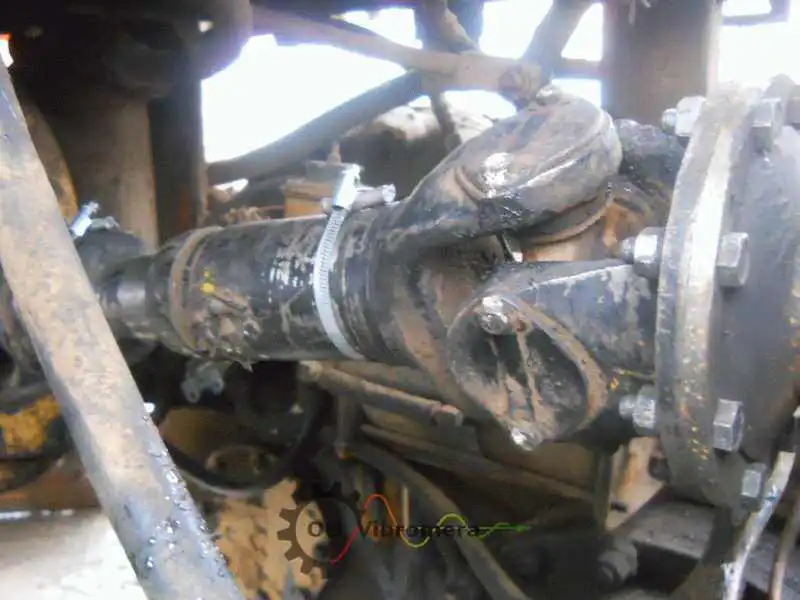
Fig.1 Photo of the cardan with corrective weights installed in planes 1 and 2.
You can also see the factory weight welded on. On the video you can observe a smooth rotation of the shaft. There is no movement of the gearbox (on the left in the video). No displacement of the engine (on the right) is observed. There is a significant reduction of noise in the cabin, the vibration is practically not felt. Minutes of balancing 29/10/2012 before repair of driveshaft (replacement of one cross member). Minutes of 31/10/2012 after repair. Protocols confirmed by our mechanic, who incidentally looked very negatively on this work.
(Note: Unfortunately, I could not find the video itself.)
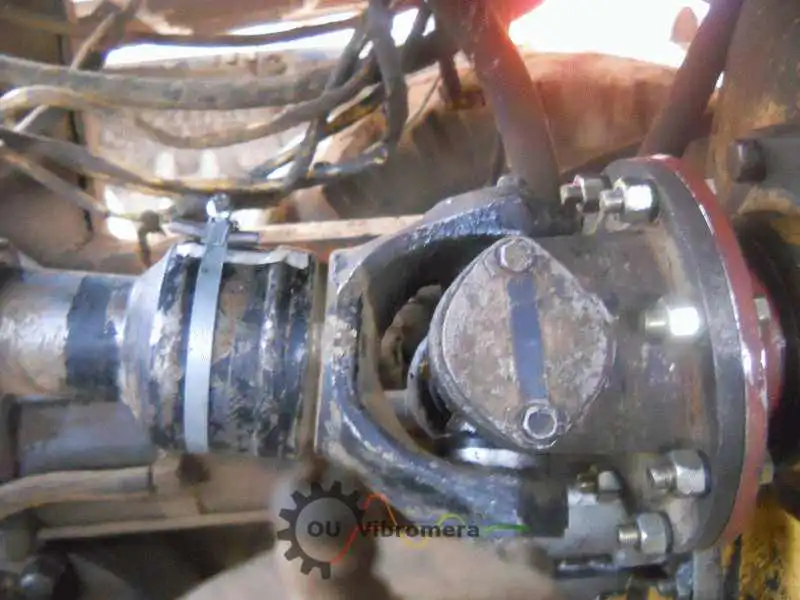
Fig.2 Photo of the cardan with corrective weights installed in planes 1 and 2.
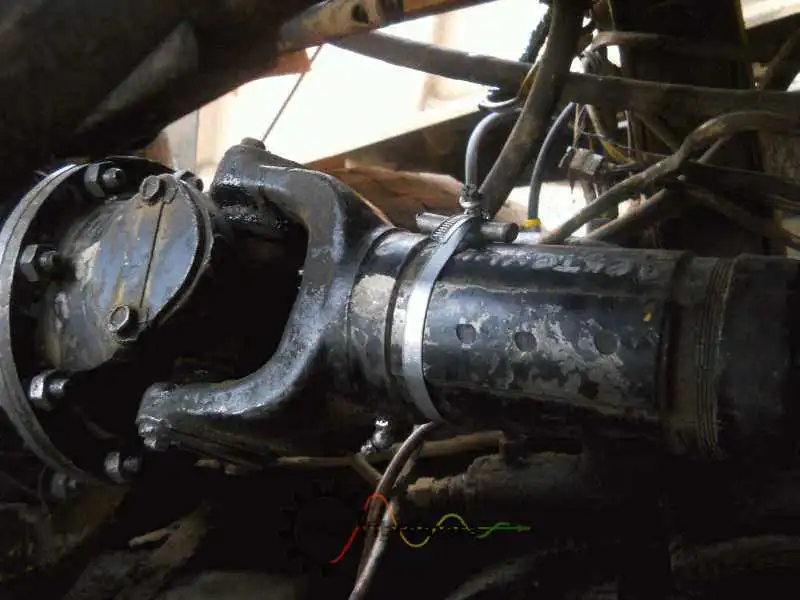
Fig.3. Photo of gimbal with corrective weight in plane 2.
The vibration remains, but it is noticeable in the front of the engine, presumably the drive pulley and the fan. Now the grader is out on combat duty and the experiments have stopped.
I started balancing the flywheel of our second grader and went straight back to the repair. I found axial and radial movement of the crankshaft. After opening opened it showed that grinding is needed.
Please forgive me if I violated the laws of physics, I just did not know that you can do so.
Regards, Andrew.
Reply to Kobyakov’s letters
Andrew, I compared your balancing results with the requirements for these rotors, which are reflected in GOST 22061-76 Machines and technological equipment. Теңгеру сапасы grade system. General (the modern international counterpart is ISO 21940-11, formerly ISO 1940-1).
I think it will be interesting for you to compare your results with tolerances of this standard.
1. Crankshaft (including clutch basket etc.)
The tolerance should correspond to accuracy class 6 (see appendix 1, page 13).
In this class and at 2000 rpm the permissible residual unbalance values for each plane are between 40 and 100 µm (see diagrams on page 3).
Converted into permissible residual unbalance for your 80 kg rotor, the tolerance is between 3200 and 8000 g*mm.
You have achieved 2600 g*mm.
2. Cardan shaft .
The tolerance should be Class 5 accuracy (see Appendix 1, page 13).
(In the case of the cardan shaft you did not specify the speed, and I took it conditionally at 2000 rpm).
For this class and a rotational speed of 2000 rpm, the permissible residual specific unbalance for each plane is between 15 and 40 µm (see diagrams on page 3).
When converted to a permissible residual unbalance for a 15 kg universal joint shaft, the tolerance ranges from 225 – 600 g*mm.
You managed to achieve 36 g*mm in the first plane and 9 g*mm in the second plane !!!!.
That is impressive.
Regards.
F.V.D.

