মোটর গ্রেডারে সরাসরি কার্ডান শ্যাফট ভারসাম্যের অভিজ্ঞতা সম্পর্কে
আমাদের প্রধান বিশেষজ্ঞ এবং আমাদের এক গ্রাহকের মধ্যে পুরোনো একটি চিঠিপত্র খুঁজে পেয়েছি।
দশ বছর আগের চিঠিপত্র!
লেখক : Valery Davydovich
ভূমিকা
মোটর গ্রেডারের চালক Andrey Kobyakov আমাদের যে চিঠিটি লিখেছিলেন, তার ফলাফল আমাকে সত্যিই খুব বিস্মিত ও আনন্দিত করেছে।
তার চিঠি এমনকি আমাকে অবাক করেছে – এমন একজন বিশেষজ্ঞ যার ভাইব্রোডায়াগনস্টিকস এবং ব্যালেন্সিং ক্ষেত্রে 35 বছরেরও বেশি অভিজ্ঞতা রয়েছে। এবং দীর্ঘদিন ধরে আমি প্রতিরক্ষা শিল্পে কাজ করেছি এবং সাধারণ ফ্যান এবং ধোঁয়া পাম্প থেকে শুরু করে অ্যান্টেনা গাইডেন্স সিস্টেম এবং অনন্য জাইরোস্কোপ পর্যন্ত 1500 টিরও বেশি বিভিন্ন মেশিন এবং ব্যবস্থা ভারসাম্য করেছি।
এবং এখানে প্রথমবার ফিল্ড ব্যালেন্সিং একটি শক্তিশালী রাস্তা মেশিন – মোটর গ্রেডার!!!, যার চালক আন্দ্রে কাজ করে।
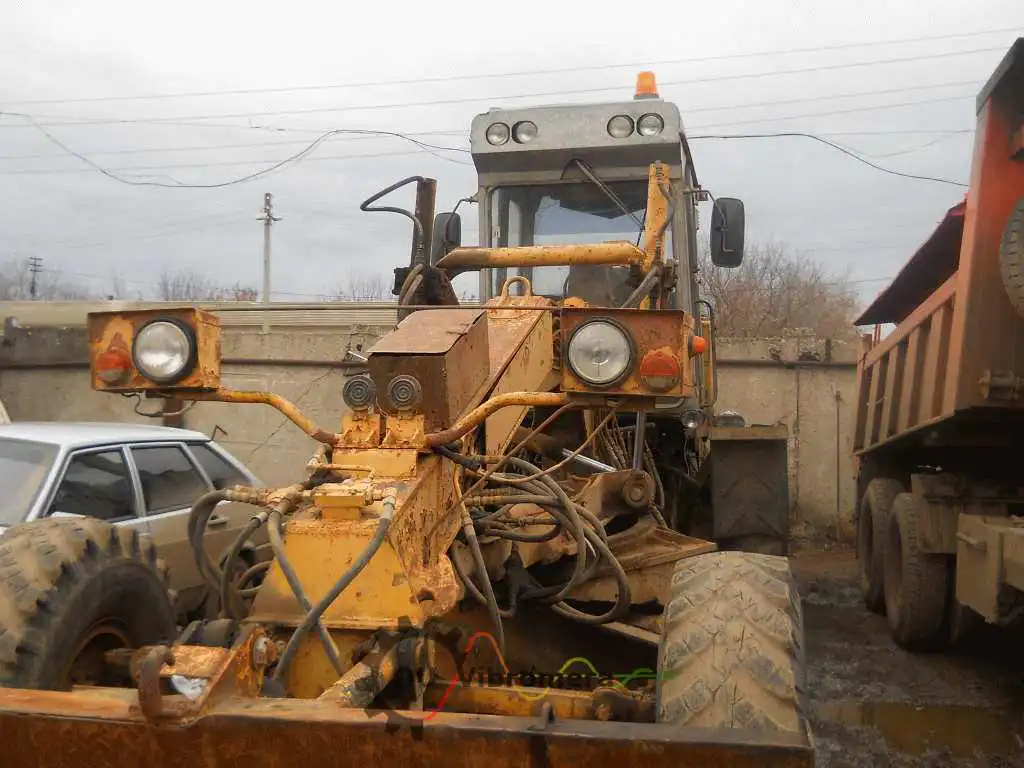
মোটর গ্রেডারেই সরাসরি কার্ডান শ্যাফ্ট, ক্র্যাঙ্কশ্যাফ্ট এবং ক্লাচ বাস্কেট ব্যালেন্সিং
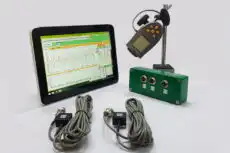
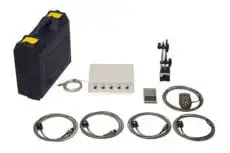
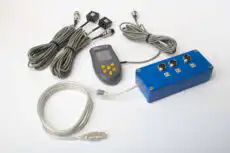
আন্দ্রে আমাদের ভারসাম্যকরণ যন্ত্র অর্জন করেছেন “Balanset-1” সম্প্রতি – এই বছরের (২০১২) আগস্টের শেষে।
তখন থেকে দুই মাসের একটু বেশি সময়ে, তিনি শুধুমাত্র ভারসাম্যকরণের হার্ডওয়্যার এবং প্রযুক্তি আয়ত্ত করতে পেরেছেন না, বরং বিচ্ছিন্ন না করে দূর করতে পেরেছেন ভারসাম্যহীনতা তার মেশিনের প্রধান ইউনিটগুলির (ড্রাইভশ্যাফ্ট, ক্লাচ ঝুড়ি সহ ক্র্যাঙ্কশ্যাফ্ট, চাকা)।
এখানে Andrew আমাদের সঙ্গে তার চিঠিপত্রে সম্পন্ন কাজটি কীভাবে বর্ণনা করেছেন তা দেওয়া হলো।
(তার অনুমতি নিয়ে আমি তার চিঠিগুলো কোনো কাটছাঁট বা সম্পাদনা ছাড়াই প্রকাশ করছি)।
১. ই. কোবিয়াকভের চিঠি অক্টোবর ১৮, ২০১২ তারিখে
হ্যালো, Valery Davydovich! আপনাকে লিখতে চেয়েছিলাম। আমি ডিভাইসটি নিয়ে কাজ খুব দ্রুত রপ্ত করেছি, আর আমার মতো অনভিজ্ঞ মানুষের জন্যও সবকিছু বোধগম্য। আমার নোটবুক কোনো সংশোধন ছাড়াই প্রোগ্রামটি গ্রহণ করে। প্রথমবার এটি ডেস্কটপ কম্পিউটারে ইনস্টল করে চাকা ব্যালেন্স করেছি, ফলাফল টায়ার ফিটিংয়ের চেয়েও ভালো। জায়গাতেই 2টি ড্রাইভশ্যাফ্ট চেষ্টা করেছি, ব্যালেন্সিং ভালোই মনে হচ্ছে। সামগ্রিকভাবে, ডিভাইসটি যুক্তিসংগত মূল্যে ভালো কার্যক্ষমতার ক্ষেত্রে আমার প্রত্যাশা পূরণ করেছে। সেদিন আমি যে মোটর গ্রেডারে নিজে কাজ করি তার ফ্লাইহুইল ব্যালেন্স করেছি। প্রাথমিক ভারসাম্যহীনতা ছিল 8000 g*mm-এর বেশি, অবশিষ্ট ভারসাম্যহীনতা প্রায় 900 g*mm, যেখানে সহনসীমা 400 g*mm। আরও ভালো করা যেত, কিন্তু ইচ্ছাকৃতভাবে সেখানেই রেখেছি, কারণ ক্লাচ অ্যাসেম্বলিটিও ব্যালেন্স করতে হবে। এরপর একই গ্রেডারে ইঞ্জিন-গিয়ারবক্স কার্ডানও ব্যালেন্স করতে হবে। এটি মোটর গ্রেডারগুলোর চিরন্তন সমস্যা। আমার ঊর্ধ্বতনরা কাজটি নিয়ে কিছুটা ব্যঙ্গ করেছিলেন, তবে সময়ই সব বলবে।
কাজের সময় একটি প্রশ্ন উঠেছে: কীভাবে একাধিক সংশোধনী ওজনকে একটিমাত্র ব্যালেন্সিং ওজনে একত্র করেন? কার্ডান ব্যালেন্স করার সময় এটি আরও সুবিধাজনক। আমার মতে, প্রোগ্রামটি যদি এমন হিসাব করতে পারত, তবে খুব ভালো হতো।
২. ই. কোবিয়াকভের চিঠি অক্টোবর ৩১, ২০১২ তারিখে
হ্যালো Valery Davydovich!
আমি আপনাকে করা কাজের কথা বলতে চাই। যেমন আমি বলেছিলাম, আমি ক্লাচ অ্যাসেম্বলি ভারসাম্য করার চেষ্টা করেছিলাম। প্রথম প্রচেষ্টা ব্যর্থ হয়েছিল। প্রাথমিক অসামঞ্জস্য ২৮,০০০ g*mm এর বেশি ছিল। সিদ্ধান্ত নিয়েছি- মিসঅ্যালাইনমেন্ট। এর পরে অ্যাসেম্বলিটি বিচ্ছিন্ন করা হয়েছিল এবং পরিদর্শন করা হয়েছিল। ক্লাচ হাউজিংয়ে পরিধান করা সারিবদ্ধকরণ ছিদ্র এবং সন্নিহিত হাউজিং ফ্ল্যাটের ঘর্ষণ সনাক্ত করা হয়েছিল। মধ্যবর্তী ডিস্ক স্বাভাবিক, ড্রাইভগুলি নতুন, কিন্তু সন্দেহজনক মান (আস্তরণ স্থানচ্যুত)। আমি নিজে নতুনটি বেছে নিয়েছি, চারটির মধ্যে মাত্র একটি ভারসাম্যপূর্ণ ছিল। এটিই ঘটনা। অ্যাসেম্বলিটি যন্ত্রটির সাহায্যে আরও সাবধানে করা হয়েছিল। আমার সহকর্মীরা আমার মন্দির দিয়ে আমাকে ইঙ্গিত দিচ্ছিল। আমি একটি আকর্ষণীয় আবিষ্কার করেছি: মধ্যবর্তী ডিস্ক তিনটির মধ্যে কেবল একটি অবস্থানে এবং ঝুড়িটিও সেট করা হয়। ফলস্বরূপ আমি এটিকে ২৬০০ g*mm এ ভারসাম্য করেছি। সম্পূর্ণ অ্যাসেম্বলি ফ্লাইহুইল + মধ্যবর্তী ড্রাইভ + ঝুড়ির ভর প্রায় ৮০ কিলো, ব্যাসার্ধ ৪৩০ মিমি, গতি ১৯০০-২০০০ rpm। ইঞ্জিনটি খুশি, এটি মসৃণভাবে চলে।
এরপর কার্ডান। প্রথম প্রচেষ্টাটিও আবার ব্যর্থ হলো; এর ওজন 15 kilos, দৈর্ঘ্য 650mm।
আমি ফ্ল্যাঞ্জ, ক্রস, সবকিছু পরীক্ষা করেছি, সব ঠিক আছে, কিন্তু কাজ হচ্ছিল না। আমি কার্ডান খুলে ফেললাম। আধা ঘণ্টা ধরে ঘুরিয়ে দেখলাম। শেষ পর্যন্ত একটি ক্রসে সামান্য রেডিয়াল নড়াচড়া চোখে পড়ল। স্পাইডার বদলানো হলো, তারপর ব্যালেন্সিং।
ফলাফল: প্রাথমিক ভারসাম্যহীনতা প্রথম তলে 1600 g*mm, দ্বিতীয় তলে 1000 g*mm। অবশিষ্ট ভারসাম্যহীনতা ১ তলে ৩৬ g*mm, ২ তলে ৯ g*mm। করতালি। পর্দা। মালিকরা অবাক।
Valery Davidovich, একজন বিশেষজ্ঞ হিসেবে আপনি এমন কাজকে কীভাবে মূল্যায়ন করবেন?
৩. ই. কোবিয়াকভের চিঠি নভেম্বর ৭, ২০১২ তারিখে
Valery Davydovich, হ্যালো! অবশেষে আমি আমার কাজের ফলাফল আপনাকে পাঠাচ্ছি। ছবিতে আমাদের শহরের প্রথম “সাহসী উদ্যোগ”টি আছে। আগে কেউ কখনও গাড়িতেও ব্যালেন্সিং করেনি, ভারী যন্ত্রপাতির কথা তো বাদই দিলাম। একমাত্র ব্যতিক্রম ছিল আমার কিছু পরীক্ষা-নিরীক্ষা, যেগুলো কমবেশি সফল ছিল।
ছবিতে আমরা একটি বেশ ভারী ড্রাইভশ্যাফ্ট দেখতে পাই, যার ওপর ব্যান্ড ক্ল্যাম্প দিয়ে সীসার রডের অংশগুলো স্থির করা হয়েছে।
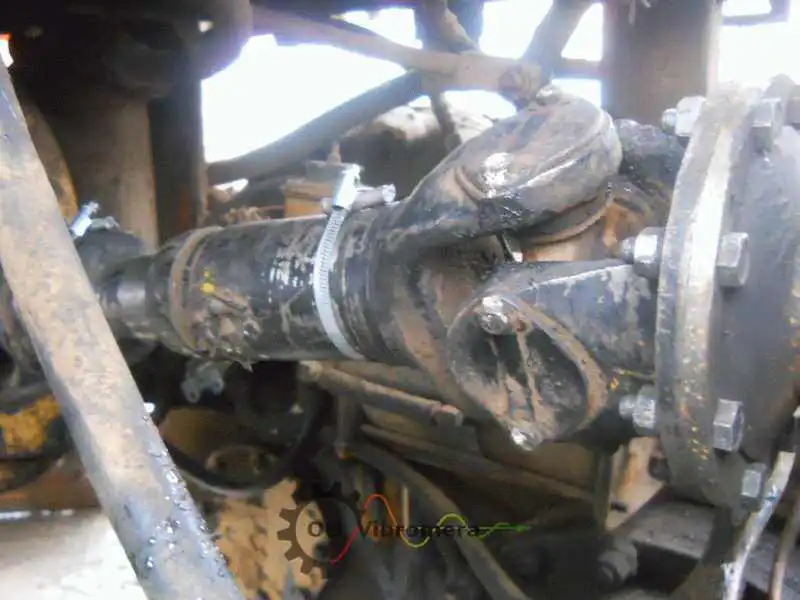
Fig.1 প্লেন 1 এবং 2-এ স্থাপিত সংশোধনী ওজনসহ কার্ডানের ছবি।
এছাড়াও আপনি কারখানায় ঢালাই করা ওজনটিও দেখতে পারেন। ভিডিওতে শ্যাফ্টের মসৃণ ঘূর্ণন দেখা যায়। গিয়ারবক্সের কোনো নড়াচড়া নেই (ভিডিওর বাম পাশে)। ইঞ্জিনের কোনো সরে যাওয়াও (ডান পাশে) দেখা যায় না। কেবিনে শব্দ উল্লেখযোগ্যভাবে কমেছে, কম্পন প্রায় অনুভূতই হয় না। 29/10/2012 তারিখের ব্যালেন্সিং নথি ড্রাইভশ্যাফ্ট মেরামতের আগে (একটি ক্রস মেম্বার প্রতিস্থাপন)। 31/10/2012 তারিখের নথি মেরামতের পরে। প্রোটোকলগুলো আমাদের মেকানিক নিশ্চিত করেছেন, যিনি ঘটনাচক্রে এই কাজটির প্রতি খুব নেতিবাচক ছিলেন।
(নোট: দুর্ভাগ্যবশত, আমি ভিডিওটি নিজে খুঁজে পাইনি।)
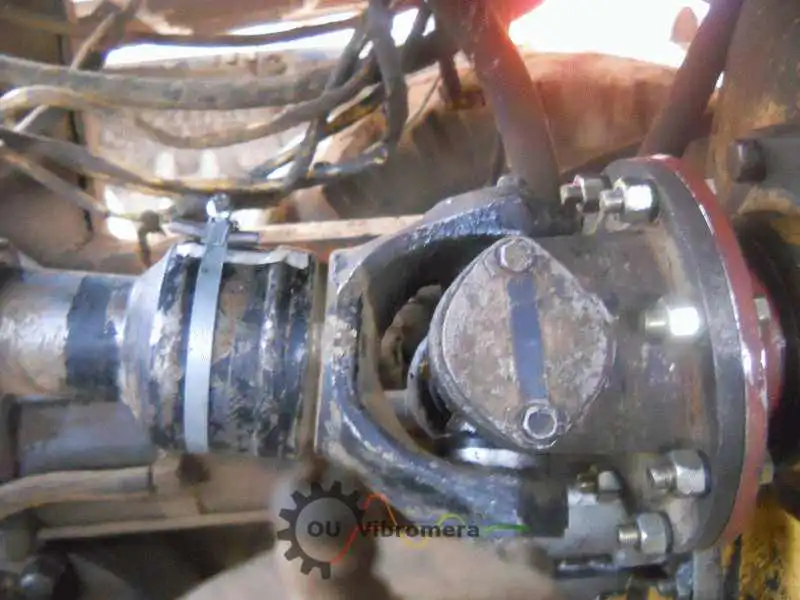
Fig.2 প্লেন 1 এবং 2-এ স্থাপিত সংশোধনী ওজনসহ কার্ডানের ছবি।
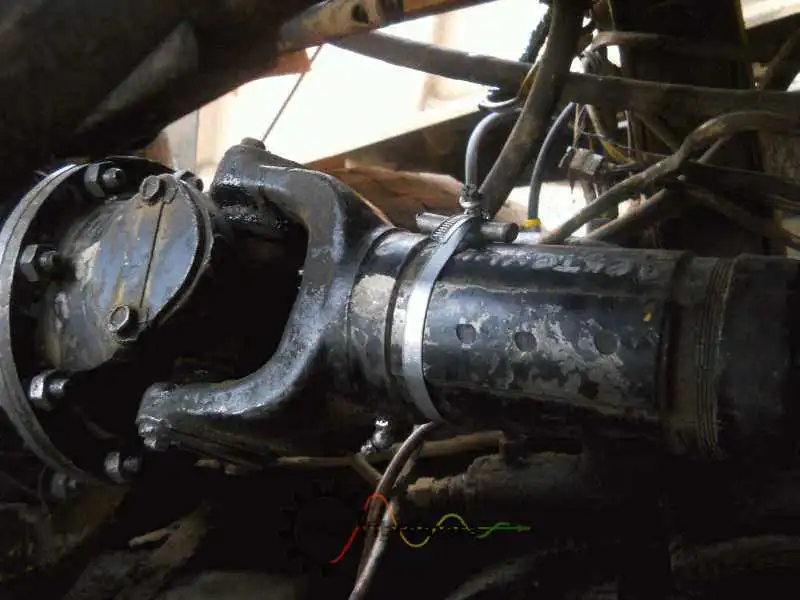
Fig.3. প্লেন 2-এ সংশোধনী ওজনসহ গিম্বালের ছবি।
কম্পন এখনো রয়ে গেছে, তবে এটি ইঞ্জিনের সামনের দিকে লক্ষণীয়, সম্ভবত ড্রাইভ পুলি এবং ফ্যানে। এখন গ্রেডারটি যুদ্ধকালীন দায়িত্বে বাইরে আছে, তাই পরীক্ষাগুলো বন্ধ হয়েছে।
আমি আমাদের দ্বিতীয় গ্রেডারের ফ্লাইহুইল ব্যালেন্স করা শুরু করেছিলাম এবং সরাসরি মেরামতের দিকে ফিরে গেলাম। আমি ক্র্যাঙ্কশ্যাফ্টে অক্ষীয় ও রেডিয়াল নড়াচড়া পেয়েছি। খুলে দেখার পর বোঝা গেল যে গ্রাইন্ডিং দরকার।
আমি যদি পদার্থবিজ্ঞানের নিয়ম ভেঙে থাকি, আমাকে ক্ষমা করবেন; আমি শুধু জানতাম না যে এভাবেও করা যায়।
শুভেচ্ছান্তে, Andrew।
Kobyakov-এর চিঠিগুলোর উত্তর
Andrew, আমি তোমার balancing result-কে এই rotor-গুলোর জন্য নির্ধারিত requirement-এর সাথে তুলনা করেছি, যা GOST 22061-76 Machines and technological equipment-এ প্রতিফলিত হয়েছে। ভারসাম্য মান grade system. General (এর আধুনিক আন্তর্জাতিক counterpart হলো ISO 21940-11, formerly ISO 1940-1)।
আমি মনে করি এই standard-এর tolerance-এর সাথে তোমার result তুলনা করা তোমার জন্য আকর্ষণীয় হবে।
1. ক্র্যাঙ্কশ্যাফ্ট (ক্লাচ বাস্কেট ইত্যাদি সহ)
সহনসীমাটি নির্ভুলতা শ্রেণি 6-এর সঙ্গে সামঞ্জস্যপূর্ণ হওয়া উচিত (দেখুন appendix 1, page 13)।
এই শ্রেণিতে এবং 2000 rpm-এ, প্রতিটি প্লেনের জন্য অনুমোদিত অবশিষ্ট আনব্যালেন্সের মান 40 থেকে 100 µm-এর মধ্যে (দেখুন page 3-এর diagram)।
আপনার 80 kg রটারের জন্য অনুমোদিত অবশিষ্ট আনব্যালেন্সে রূপান্তর করলে, সহনসীমা 3200 থেকে 8000 g*mm-এর মধ্যে হয়।
আপনি 2600 g*mm অর্জন করেছেন।
2. কার্ডান শ্যাফ্ট ।
সহনসীমাটি Class 5 accuracy হওয়া উচিত (দেখুন Appendix 1, page 13)।
(কার্ডান শ্যাফ্টের ক্ষেত্রে আপনি গতি উল্লেখ করেননি, তাই আমি শর্তসাপেক্ষে 2000 rpm ধরেছি)।
এই শ্রেণি এবং 2000 rpm ঘূর্ণন গতির জন্য, প্রতিটি প্লেনে অনুমোদিত অবশিষ্ট নির্দিষ্ট আনব্যালেন্স 15 থেকে 40 µm-এর মধ্যে (দেখুন page 3-এর diagram)।
15 kg universal joint shaft-এর জন্য অনুমোদিত residual unbalance-এ রূপান্তর করলে, tolerance 225 – 600 g*mm-এর মধ্যে হয়।
আপনি প্রথম প্লেনে 36 g*mm এবং দ্বিতীয় প্লেনে 9 g*mm অর্জন করতে পেরেছেন !!!!.
এটি সত্যিই চমৎকার।
শুভেচ্ছান্তে।
F.V.D.

Nikolai Shelkovenko
Nikolai Shelkovenko একজন কম্পন বিশ্লেষণ প্রকৌশলী এবং Vibromera-এর প্রতিষ্ঠাতা ও প্রধান নির্বাহী কর্মকর্তা (CEO)। গত ১৫ বছরেরও বেশি সময় ধরে তিনি টেস্ট বেঞ্চে নয়, বরং সরাসরি কর্মক্ষেত্রে ঘূর্ণায়মান যন্ত্রপাতি ব্যালেন্স করে আসছেন: মালচার, শিল্প পাখা, ক্রাশার, সেন্ট্রিফিউজ, শ্যাফট ও স্পিন্ডল। এই কাজ থেকেই Balanset যন্ত্রগুলোর জন্ম — এগুলো এমনভাবে তৈরি যাতে একজন বিশেষজ্ঞ সহজেই যন্ত্রের কাছে বহন করে নিয়ে যেতে পারেন এবং সাইটে একা ব্যবহার করতে পারেন, ল্যাবরেটরি যন্ত্রপাতি হিসেবে নয়। Vibromera প্রতিষ্ঠিত হয় ২০১৭ সালে এবং ২০২৩ সাল থেকে এর সদর দপ্তর পোর্তো, পর্তুগালে অবস্থিত। Balanset লাইনের উন্নয়ন, সংযোজন ও সহায়তা — সবকিছু এখানেই হয়। প্রধান যন্ত্রটি হলো Balanset-1A, যা একক ও দ্বৈত-তল ব্যালেন্সিং এবং কম্পন নির্ণয়ের জন্য একটি পোর্টেবল অ্যানালাইজার। Nikolai ব্যক্তিগতভাবে গ্রাহক সহায়তা, কঠিন ব্যালেন্সিং সমস্যার সমাধান এবং সফটওয়্যার উন্নয়নে যুক্ত থাকেন। তিনি বিশ্বজুড়ে গ্রাহকদের সাথে যেকোনো ভাষায় কাজ করেন।

