

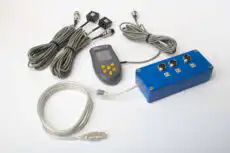
O iskustvu balansiranja kardanskog vratila direktno na motornom grejderu
Pronašli smo staru korespondenciju između našeg vodećeg specijaliste i jednog od naših kupaca.
Prepiska od prije deset godina!
Autor : Valery Davydovich
Uvod
Moram priznati da sam bio veoma iznenađen i zadovoljan rezultatima pisma koje nam je uputio Andrej Kobjakov, vozač motorne gredere.
Njegov je list čak i iznenadio mene – stručnjaka s više od 35 godina iskustva u oblasti vibrodijagnostika i balansiranje. I dugi niz godina radio sam u odbrambeno-industrijskom kompleksu, balansirao sam više od 1500 različitih mašina i mehanizama počev od običnih ventilatora i pumpi za duvanje dima pa do sistema za navođenje antena i jedinstvenih žiroskopa.
A evo prvi put na terensko balansiranje moćne putne mašine – motornog grejdera!!!, čiji je vozač Andrej.
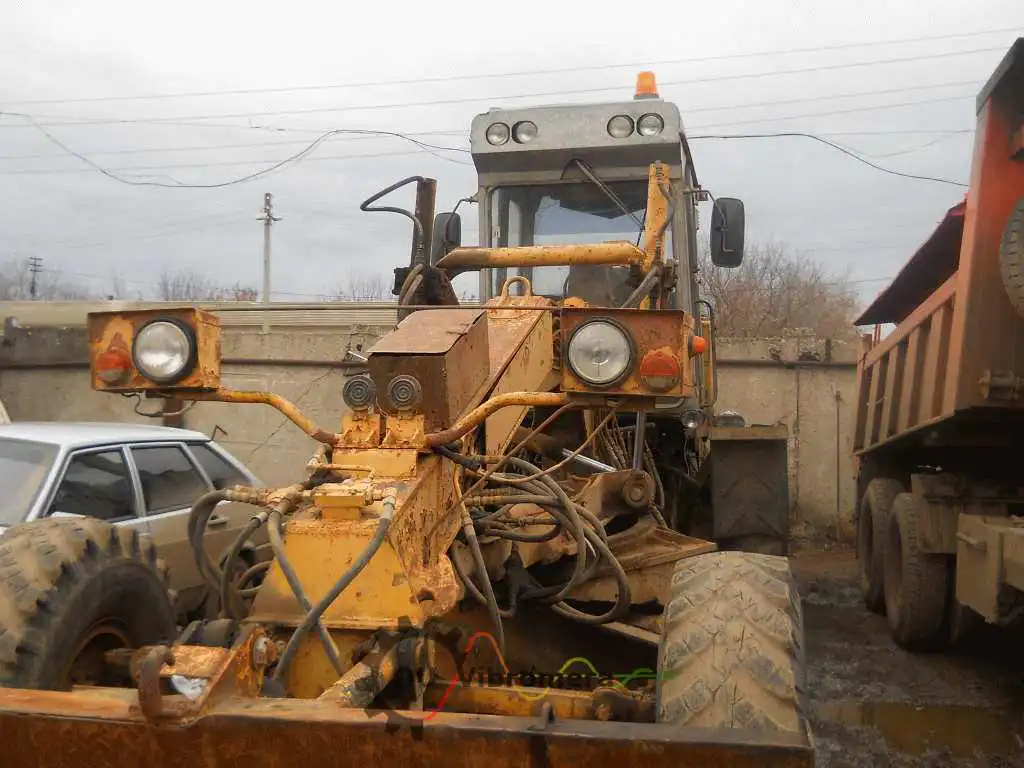
Balansiranje kardanskog vratila, radilice i korpe kvačila direktno na motornoj grederi
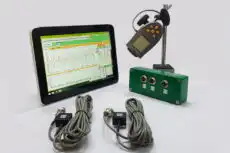
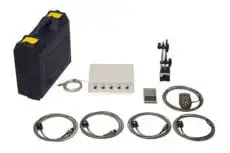
Andrej je nabavio naš uređaj za balansiranje “Balanset-1” sasvim nedavno – krajem avgusta ove godine (2012).
U malo više od dva meseca od tada, uspio je ne samo savladati hardver i tehnologiju balansiranja, već elimisati bez demontaže neuravnoteženost glavnih sklopova svoje mašine (pogonsko vratilo, radilica s košaricom kvačila, točkovi).
Evo kako Andrew opisuje posao koji je obavio, u svojoj korespondenciji s nama.
(Sa njegovom dozvolom objavljujem njegova pisma bez rezova i uređivanja).
1. Pismo A. Kobyakova od 18. oktobra 2012.
Zdravo, Valery Davydovich! Htio sam Vam napisati. Prilično brzo sam savladao rad s uređajem i sve je dostupno čak i nepripremljenim ljudima poput mene. Moj laptop prihvata program bez ikakvih ispravki. Prvi put sam ga instalirao na stacionarni računar, balansirao sam točkove, a rezultat je bolji nego u vulkanizerskoj radnji. Isprobao sam 2 kardanska vratila na licu mjesta, balansiranje izgleda dobro. Općenito, uređaj je ispunio moja očekivanja u pogledu dobre funkcionalnosti po razumnoj cijeni. Neki dan sam balansirao zamajac na grejderu na kojem i sam radim. Početna neuravnoteženost bila je veća od 8000 g*mm, preostala neuravnoteženost iznosila je oko 900 g*mm, uz toleranciju od 400 g*mm. Moglo je i bolje, ali sam namjerno ostavio tako, jer će biti potrebno balansirati sklop kvačila. Zatim ćemo morati balansirati kardansko vratilo između motora i mjenjača na istom grejderu. To je vječni problem s grejderima. Moji nadređeni su bili pomalo sarkastični u vezi s poslom, ali mislim da će vrijeme pokazati.
U procesu je nastalo pitanje: kako se korekcijski tegovi slažu u jedan balansirni teg? Kod balansiranja kardanskog vratila to je praktičnije. Po mom mišljenju, uopšteno bi bilo odlično da program može napraviti takav proračun.
2. Pismo A. Kobyakova od 31. oktobra 2012.
Zdravo, Valery Davydovich!
Želim vam reći nešto o obavljenom poslu. Kao što sam vam rekao, pokušao sam balansirati skup kvačila. Prvi pokušaj je bio neuspješan. Početni nebalansirani moment bio je preko 28.000 g*mm. Dao sam zaključak- neporavnanje. Nakon toga je skup demontiran i pregledan. Detektovani su dotrošeni otvori za poravnanje u kučištu kvačila i izglancavanje susjednih površina kučišta. Međudiski normalan, pogoni novi, ali upitne kvalitete (obojanje premješteno). Novi sam izabrao sam, samo jedan od četiri je bio balansiran. To je slučaj. Skup je ponovo složen pažljivije uz pomoć uređaja. Moji su kolege poklapali oko mene prstom u sljepoči. Napravio sam zanimljivo otkriće: međudisk se postavlja samo u jednu poziciju od tri, kao i košarica. Kao rezultat sam ga balansirao na 2600 g*mm. Masa cijelog skupa zamašnjak + međudisk + košarica je oko 80 kg, radijus 430 mm, brzina 1900-2000 okr/min. Motor je zadovoljan, radi glatko.
Dalje kardansko vratilo. Prvi pokušaj je opet neuspješan, ima težinu 15 kilograma, dužinu 650 mm.
Provjerio sam flanše, krstove, sve je u redu, ali ne ide. Skinuo sam kardansko vratilo. Okretao sam ga pola sata. Ipak sam primijetio blagi radijalni pomak u jednom od krstova. Zamjena krstova, balansiranje.
Rezultat: inicijalnu nebalansiranost u prvoj ravni 1600 g*mm, u drugoj ravni 1000 g*mm. Rezidualna neuravnoteženost na 1 ravnini 36 g*mm, na 2 ravnini 9 g*mm. Aplauzi. Zavjesa. Šefovi su šokirani.
Valery Davidovich, kako kao specijalist možete ocijeniti takav posao?
3. Pismo A. Kobyakova od 7. novembra 2012.
Valery Davydovich, zdravo! Konačno Vam šaljem rezultate svog rada. Na fotografiji je prvi “sretnik” našeg grada. Niko do tada nije radio balansiranje čak ni na automobilima, a kamoli na teškoj mehanizaciji. Jedini izuzetak su moji eksperimenti, više ili manje uspješni.
Na fotografiji vidimo prilično masivno pogonsko vratilo, na njemu su trakastim stezaljkama fiksirani segmenti olovne šipke
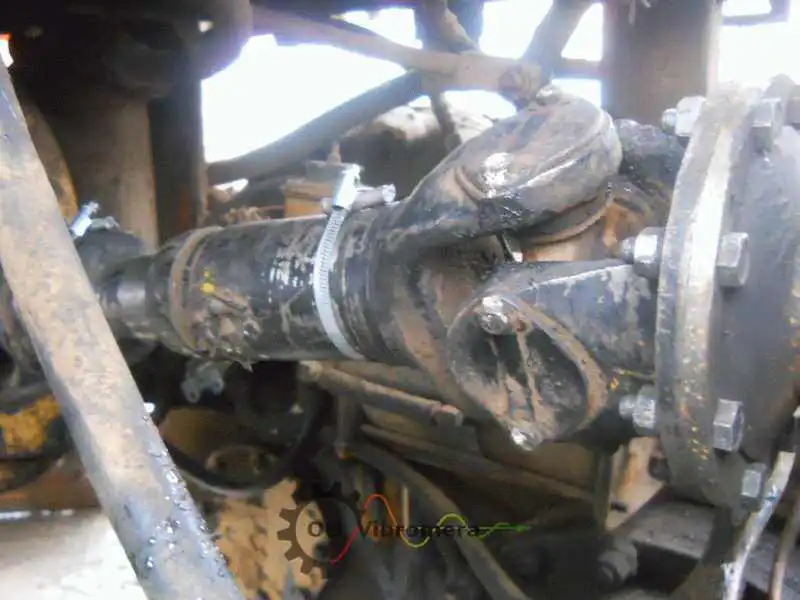
Sl.1 Fotografija kardanskog vratila sa instaliranim korekcijskim tegovima u ravninama 1 i 2.
Takođe možete viditi fabrički zavareni teg. Na videu možete posmatrati glatko rotiranje vratila. Ne postoji kretanje menjača (lijevo na videu). Ne posmatra se pomjeranje motora (desno). Postoji značajno smanjenje buke u kabini, vibracije su praktično neosjetne. Zapisnik o balansiranju 29/10/2012 prije popravke pogonskog vratila (zamjena jednog križnog člana). Zapisnik od 31/10/2012 nakon popravke. Protokoli potvrđeni od našeg mehaničara, koji je usput veoma negativno gledao na ovaj posao.
(Napomena: Nažalost, nisam mogao pronaći sam video.)
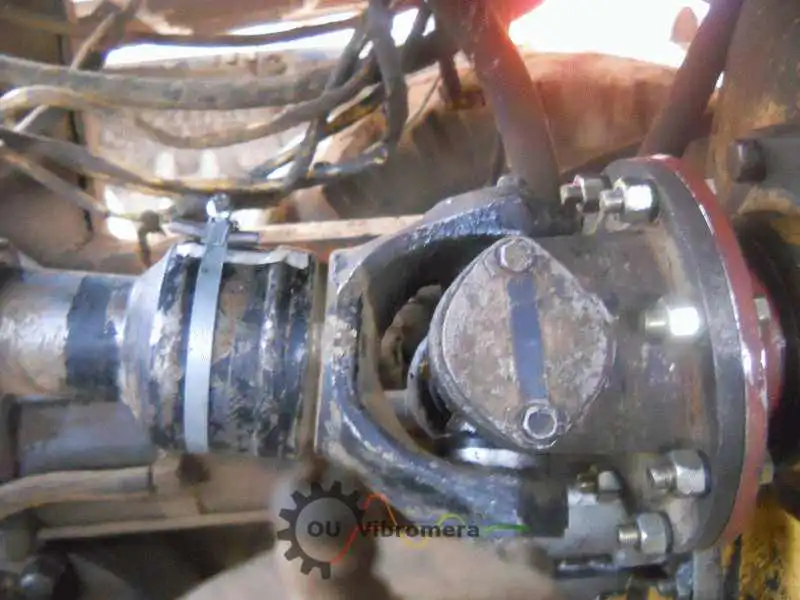
Sl.2 Fotografija kardanskog vratila sa instaliranim korekcijskim tegovima u ravninama 1 i 2.
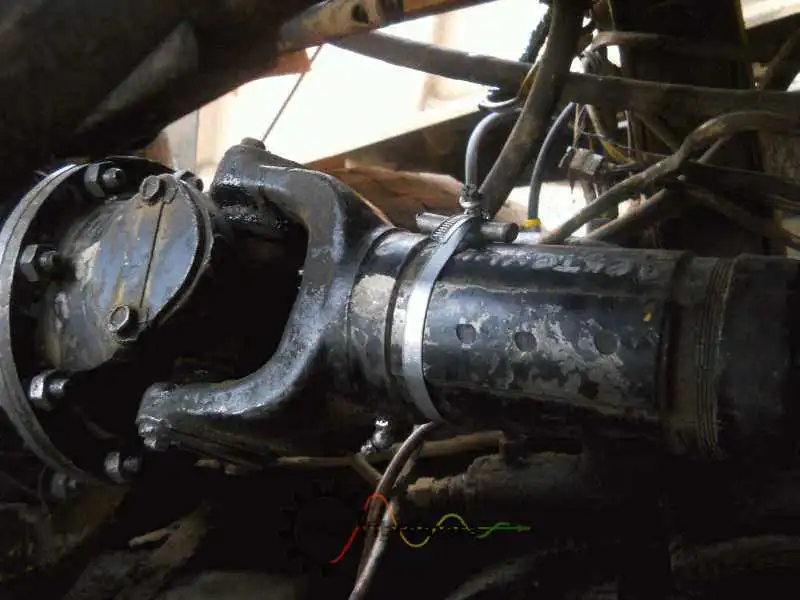
Sl.3. Fotografija kardanskog vratila sa korekcijskim tegom u ravnini 2.
Vibracije ostaju, ali su primjetne u prednjem dijelu motora, pretpostavlja se pogonski kolut i ventilator. Sada je gredera na borbenoj dužnosti i eksperimenti su stali.
Započeo sam balansiranje zamajca naše druge gredere i odmah se vratio na popravku. Pronašao sam aksijalno i radijalno kretanje radilice. Nakon otvaranja pokazalo se da je potrebno brušenje.
Molim vas oprostite ako sam prekršio zakone fizike, jednostavno nisam znao da se to može uraditi.
Srdačan pozdrav, Andrew.
Odgovor na pisma Kobyakova
Andrew, uporedio sam vaše rezultate balansiranja sa zahtjevima za ove rotore, koji su navedeni u GOST 22061-76 Mašine i tehnološka oprema. Kvalitet balansiranja sistem klasa. Opšte (savremeni međunarodni ekvivalent je ISO 21940-11, ranije ISO 1940-1).
Mislim da će vam biti zanimljivo da uporedite svoje rezultate sa tolerancijama ovog standarda.
1. Radilica (uključujući korpu kvačila itd.)
Tolerancija bi trebala odgovarati klasi tačnosti 6 (vidi dodatak 1, stranica 13).
U ovoj klasi i pri 2000 obrtaja/min dopustive vrijednosti preostale neuravnoteženosti za svaku ravninu su između 40 i 100 µm (vidi dijagrame na stranici 3).
Konvertovano u dopuštenu preostalu neuravnoteženost za vaš rotor od 80 kg, tolerancija je između 3200 i 8000 g*mm.
Postigli ste 2600 g*mm.
2. Kardansko vratilo .
Tolerancija bi trebala biti klasa tačnosti 5 (vidi Dodatak 1, stranica 13).
(U slučaju kardanskog vratila niste naveli brzinu, i ja sam je uslovno uzeo na 2000 obrtaja/min).
Za ovu klasu i rotacionu brzinu od 2000 obrtaja/min, dopustiva preostala specifična neuravnoteženost za svaku ravninu je između 15 i 40 µm (vidi dijagrame na stranici 3).
Kada se preračuna u dozvoljeni preostali disbalans za kardansko vratilo od 15 kg, tolerancija se kreće od 225 – 600 g*mm.
Uspjeli ste postići 36 g*mm u prvoj ravnini i 9 g*mm u drugoj ravnini !!!!.
To je impresivno.
Srdačan pozdrav.
F.V.D.

Nikolai Shelkovenko
Nikolai Shelkovenko je inženjer analize vibracija te osnivač i izvršni direktor kompanije Vibromera. Više od 15 godina balansira rotacionu opremu na terenu, a ne na ispitnom stolu: malčere, industrijske ventilatore, drobilice, centrifuge, vratila i vretena. Upravo je iz tog rada nastala serija instrumenata Balanset — osmišljeni su kao alat koji stručnjak može ponijeti do mašine i njime raditi sam, na licu mjesta, a ne kao laboratorijska oprema. Vibromera je osnovana 2017. godine, a od 2023. sjedište joj je u Portu u Portugalu. Ovdje se odvijaju razvoj, sklapanje i podrška za liniju Balanset. Vodeći instrument je Balanset-1A, prijenosni analizator za balansiranje u jednoj i dvije ravni te za vibracijsku dijagnostiku. Nikolai lično učestvuje u podršci korisnicima, u rješavanju složenih slučajeva balansiranja i u razvoju softvera. Radi s korisnicima širom svijeta, na bilo kojem jeziku.

